Quick Summary:
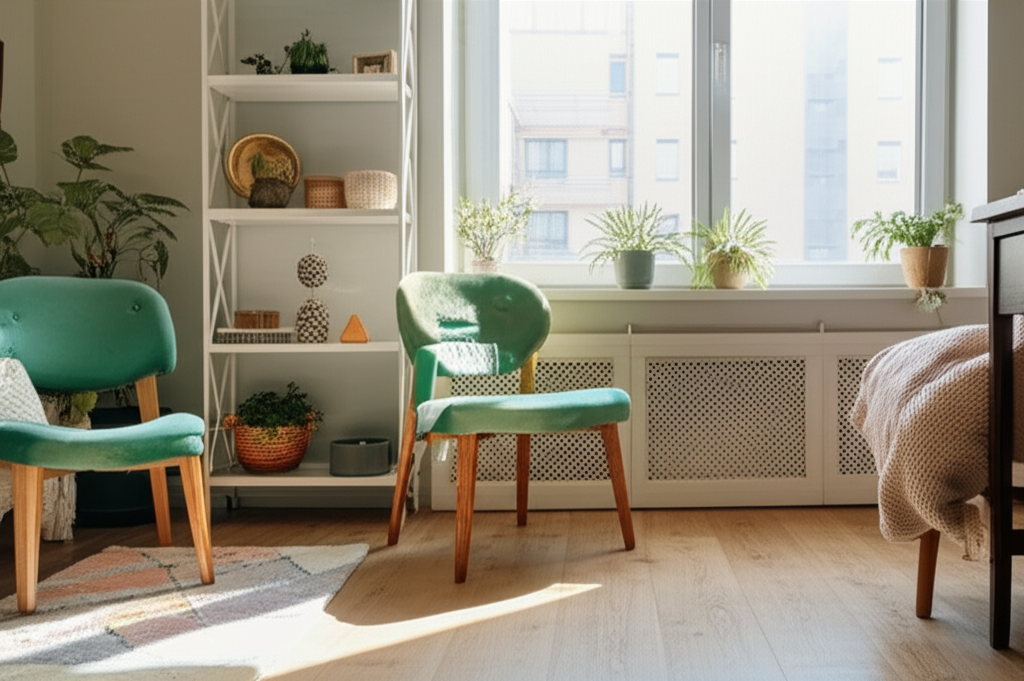
Decorating a small room on a tight budget is absolutely achievable! Focus on smart furniture choices, clever storage, DIY projects, and strategic use of color and light to create a stylish, functional space without overspending.
Feeling a bit cramped in your small space? You’re not alone! Many of us dream of a beautifully decorated home, but the thought of big renovation costs can be a real dream-killer, especially when you’re working with limited square footage.
The good news is, you don’t need a huge bank account or a sprawling mansion to create a space you love. With a few clever tricks and a bit of creativity, you can transform even the tiniest room into a stylish and inviting haven.
This guide is packed with effortless tips and budget-friendly ideas to help you decorate your small room without breaking the bank. Get ready to discover how to make your space feel bigger, brighter, and more you!
Making Small Spaces Shine: Your Budget Decorating Journey
Decorating a small room on a low budget is all about making smart choices. It’s about understanding how to maximize what you have and finding affordable ways to add personality and function. We’ll explore how to choose the right pieces, use color wisely, and get creative with storage to make your small room feel spacious and chic.
This journey focuses on practicality and style, ensuring you get the most bang for your buck. Let’s dive into the details and unlock the potential of your cozy corner!
1. The Power of a Plan: Declutter and Define Your Style
Before you buy a single thing, take a step back and assess your current space. A decluttered room instantly feels larger and more organized. Go through your belongings and decide what you truly need and love. Less clutter means more room for intentional decor.
Next, think about your personal style. Are you drawn to minimalist vibes, bohemian flair, or modern chic? Having a clear style in mind will help you make cohesive purchasing decisions and avoid impulse buys that don’t fit your vision. Pinterest and home decor blogs are great resources for finding inspiration and defining your aesthetic.
2. Smart Furniture Finds: Scale, Function, and Affordability
Choosing the right furniture is crucial for small spaces, especially on a budget. Look for pieces that are proportionate to the room’s size. Oversized furniture can make a small room feel even smaller and more crowded.
Consider multi-functional furniture. A storage ottoman can serve as extra seating and a place to hide blankets. A sofa bed is perfect for guests without taking up permanent space. Look for items with clean lines and a relatively low profile to keep the room feeling open.
Where to Find Budget-Friendly Furniture
Don’t underestimate the power of pre-loved items! Second-hand stores, online marketplaces like Facebook Marketplace, Craigslist, and garage sales can be goldmines for unique and affordable furniture. Sometimes, a fresh coat of paint or new hardware can completely transform a dated piece.
When buying new, look for sales and discounts at big-box stores or discount furniture retailers. Keep an eye out for brands that offer stylish, budget-friendly options. Remember, quality over quantity is key, even on a budget.
Tips for Buying Used Furniture
- Inspect thoroughly for damage: Check for rips, stains, wobbly legs, or missing parts.
- Measure your space: Ensure the piece will fit comfortably.
- Consider potential for updates: Can it be painted, reupholstered, or repaired easily?
- Negotiate respectfully: Many sellers are open to offers.
3. Color Your World: Paint and Palettes for Small Spaces
Paint is one of the most impactful and affordable ways to transform a room. Light and neutral colors can make a small space feel larger and brighter by reflecting light. Think soft whites, light grays, pale blues, or gentle greens.
You can also use color to create a focal point. Consider painting an accent wall in a slightly bolder shade or a subtle pattern. This draws the eye and adds depth without overwhelming the space. For very small rooms, a monochromatic scheme can create a sense of continuity and spaciousness.
The Magic of Mirrors
Mirrors are your best friend in small spaces! They reflect light and create the illusion of depth, making the room feel significantly larger. Hang a large mirror opposite a window to maximize natural light, or place a gallery of smaller mirrors together for a decorative effect.
Mirrored furniture can also contribute to this effect, but use it sparingly to avoid looking too flashy. The key is strategic placement to bounce light and visual space around the room.
4. Lighting Up Your Life: Brightness and Ambiance
Good lighting is essential for making any room feel welcoming and spacious. Relying solely on overhead lighting can create harsh shadows and make a room feel flat. Layering your lighting is the secret to a cozy and inviting atmosphere.
Incorporate floor lamps, table lamps, and even string lights. These add pools of light in different areas, creating warmth and ambiance. Consider dimmer switches so you can adjust the mood as needed. Natural light is also key; keep window treatments light and airy to allow as much sunlight in as possible.
Budget-Friendly Lighting Solutions
- Thrift stores often have unique lamps at great prices.
- Update existing lamps with new shades.
- Use LED bulbs for energy efficiency and longevity.
- Consider battery-operated fairy lights for a touch of magic.
5. Clever Storage Solutions: Taming the Clutter
In small spaces, storage is paramount. When items are constantly on display, a room can feel messy and cramped. Think vertically and utilize every nook and cranny.
Wall-mounted shelves are fantastic for books, decor, and even storing everyday items. Floating shelves create a minimalist look and draw the eye upward, making the ceiling appear higher. Utilize the space above doors or windows for shelving.
Maximizing Floor Space with Smart Storage
Look for furniture that doubles as storage. Beds with built-in drawers or headboards with shelving are excellent. Ottomans, benches with storage, and coffee tables with drawers or open shelving can help keep things tidy.
Baskets and decorative boxes are your allies for corralling smaller items like remotes, mail, or toiletries. Place them on shelves, in cabinets, or even on the floor to keep surfaces clear.
| Storage Idea | Where to Use | Budget Tip |
|---|---|---|
| Floating Shelves | Living room, bedroom, home office | Buy unfinished wood and paint yourself, or find at discount stores. |
| Storage Ottoman | Living room, bedroom, entryway | Look for sales or consider DIY upholstered versions. |
| Wall-Mounted Baskets | Kitchen, bathroom, entryway | Repurpose old baskets or find woven ones at craft stores. |
| Over-the-Door Organizers | Closets, bathrooms, bedrooms | Widely available and very affordable. |
6. Decorate with Impact: Textiles, Art, and Greenery
Once the main furniture and storage are in place, it’s time for the fun part: adding personality! Textiles like rugs, curtains, and throw pillows can add color, texture, and warmth without a huge investment.
Choose rugs that are appropriately sized for the room. A rug can anchor a seating area and make it feel more defined. Lightweight curtains can soften the light and add a decorative touch. Throw pillows and blankets are an easy and inexpensive way to introduce patterns and colors.
Budget-Friendly Art and Decor
You don’t need expensive artwork to make a statement. Frame beautiful fabric scraps, interesting pages from old books, or even your own photographs. Printables from online marketplaces are also a very affordable way to get custom art for your walls.
Consider creating a gallery wall with a mix of framed prints, personal photos, and perhaps a small mirror. Grouping items together creates a focal point and makes a bigger impact than scattered individual pieces.
The Power of Plants
Adding plants to your space instantly brings life and freshness. They purify the air and add a natural, calming element. You don’t need a green thumb to keep many plants alive!
Opt for low-maintenance plants like snake plants, ZZ plants, or pothos. Smaller plants can sit on shelves or tables, while a larger floor plant can fill an empty corner. Repurposing old jars or containers as planters can save money and add a unique touch. For more plant inspiration, check out our guide on kitchen plant decor ideas.
7. DIY and Upcycling: Creative Transformations
The ultimate budget decorating hack? Doing it yourself! Upcycling and DIY projects allow you to create unique decor pieces that are perfectly suited to your style and your small space.
Paint an old dresser a vibrant color, stencil a pattern onto a plain rug, or create custom wall art. There are countless tutorials available online for every skill level. Websites like Hometalk offer a wealth of DIY inspiration and community support.
Simple DIY Project Ideas
- Painted Furniture: Give an old table or chair a new lease on life with a fresh coat of paint.
- Custom Wall Art: Use stencils, paint, or even collages to create your own unique pieces.
- Updated Hardware: Swap out old drawer pulls and cabinet knobs for stylish new ones.
- DIY Cushions: Sew simple cushion covers from affordable fabric.
- Decorated Jars/Vases: Use paint, twine, or fabric to transform plain glass containers.
8. Strategic Styling: Tricks to Make it Feel Bigger
Beyond furniture and color, a few styling tricks can make a significant difference in how a small room feels.
Go vertical: Draw the eye upward with tall bookshelves, floor-to-ceiling curtains, or artwork placed higher on the walls. This creates an illusion of height.
Embrace transparency: Furniture with glass or acrylic elements (like a coffee table or chair legs) can make the space feel less cluttered and more open because you can see through them.
Keep it tidy: A well-organized space is a key component of making a small room feel larger. Regularly declutter and ensure everything has its place. Even small messes can make a room feel significantly smaller.
Consider the flow: Arrange furniture so there’s a clear path for walking through the room. Avoid blocking doorways or creating awkward dead zones. This natural flow contributes to a feeling of spaciousness.
The Role of Scale in Small Spaces
When selecting decor items, think about scale. While you want pieces that are proportionate to the room, don’t be afraid to include one or two larger items that can act as a statement piece, rather than many small, cluttered items. A single large piece of art can be more impactful than a collection of tiny frames.
Similarly, a single, well-chosen rug can define a space better than several small mats. The House Beautiful guide to rug sizing offers great advice for making sure your chosen pieces fit your space perfectly.
9. Budgeting for Decor: Where to Save and Where to Splurge
Even on a low budget, it’s helpful to allocate funds. Decide where you want to invest a little more and where you can be most frugal.
Where to Save:
- Decorative Accessories: Think pillows, throws, small knick-knacks.
- DIY Projects: Paint, craft supplies, and upcycled items are often very inexpensive.
- Basic Linens: Bedding, towels, etc., can be found affordably.
- Plants: Start with smaller plants or propagate from friends.
Where to Splurge (if possible):
- A Comfortable Sofa/Bed: You spend a lot of time here, so comfort is key.
- A Functional Desk/Table: If it’s essential for work or dining, a sturdy piece is worth it.
- A Quality Rug: A good rug can tie a room together and last for years.
- Key Lighting Fixtures: A beautiful floor lamp or pendant can elevate the entire room.
The idea is to prioritize the items that will have the biggest impact on functionality and longevity. For everything else, get creative and resourceful! If you’re looking for more small-space inspiration, explore our collection of cozy small kitchen ideas for clever layout and storage solutions.
Frequently Asked Questions (FAQ)
Q1: What are the best colors for a small room on a budget?
Light and neutral colors like whites, creams, pale grays, and soft pastels are excellent choices. They reflect light, making the room appear larger and brighter. You can add pops of color with accessories like pillows or artwork.
Q2: How can I make my small room feel bigger without buying new furniture?
Decluttering is the first step! Rearrange your existing furniture to create better flow. Use mirrors strategically to reflect light and space. Ensure good lighting with lamps. Vertical storage solutions like wall shelves can also make the room feel more open.
Q3: Is it worth buying second-hand furniture for a small room?
Absolutely! Second-hand furniture is a fantastic way to save money and find unique pieces. Inspect items carefully for damage, and be prepared to do minor repairs or add a fresh coat of paint. It’s a sustainable and budget-friendly option.
Q4: How do I decorate a small room with a low budget for art?
Get creative! Frame fabric swatches, printables from online sources, your own photos, or pages from vintage books. Create a DIY gallery wall with a mix of items. Even simple, framed maps or posters can add personality.
Q5: What are the most effective budget-friendly storage solutions for small spaces?
Utilize vertical space with wall shelves and tall bookcases. Opt for furniture with built-in storage, like beds with drawers or ottomans. Use decorative baskets and boxes to corral smaller items and keep surfaces clear. Over-the-door organizers are also very effective.
Q6: How important is lighting in a small room, and what are budget-friendly options?
Lighting is crucial! Layering light sources (overhead, task, and accent lighting) creates ambiance and makes the room feel more inviting. Budget options include buying lamps from thrift stores, updating lamp shades, using LED bulbs for energy savings, and incorporating string lights for a cozy glow.
Q7: Can I achieve a stylish look in a small room without spending a lot?
Yes! Style comes from thoughtful choices, not necessarily expensive items. Focus on a cohesive color palette, strategic use of mirrors and light, impactful textiles, and personal touches like DIY art or plants. A well-organized and intentionally decorated small room can be incredibly stylish.
Conclusion: Your Small Space, Your Stylish Sanctuary
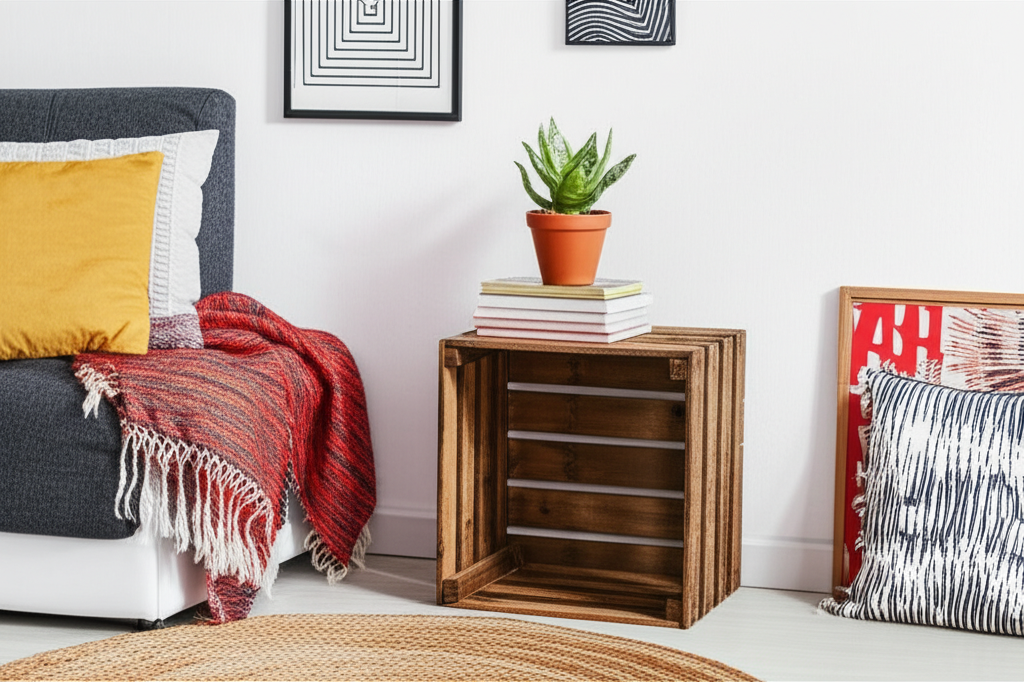
Decorating a small room on a low budget doesn’t have to be a challenge. By focusing on smart planning, multi-functional furniture, clever storage, and creative decor choices, you can transform your cozy space into a stylish and functional sanctuary.
Remember, it’s about making your space work for you. Embrace the opportunity to get creative, explore DIY projects, and infuse your personality into every corner. With these effortless tips, you can achieve a beautiful home that feels bigger, brighter, and perfectly you, all without breaking the bank.
So go ahead, experiment with colors, add those personal touches, and enjoy the process of making your small room a place you truly love to be! For even more budget-friendly inspiration, don’t miss our guide on minimal decor ideas for kitchens that prove less really is more.
