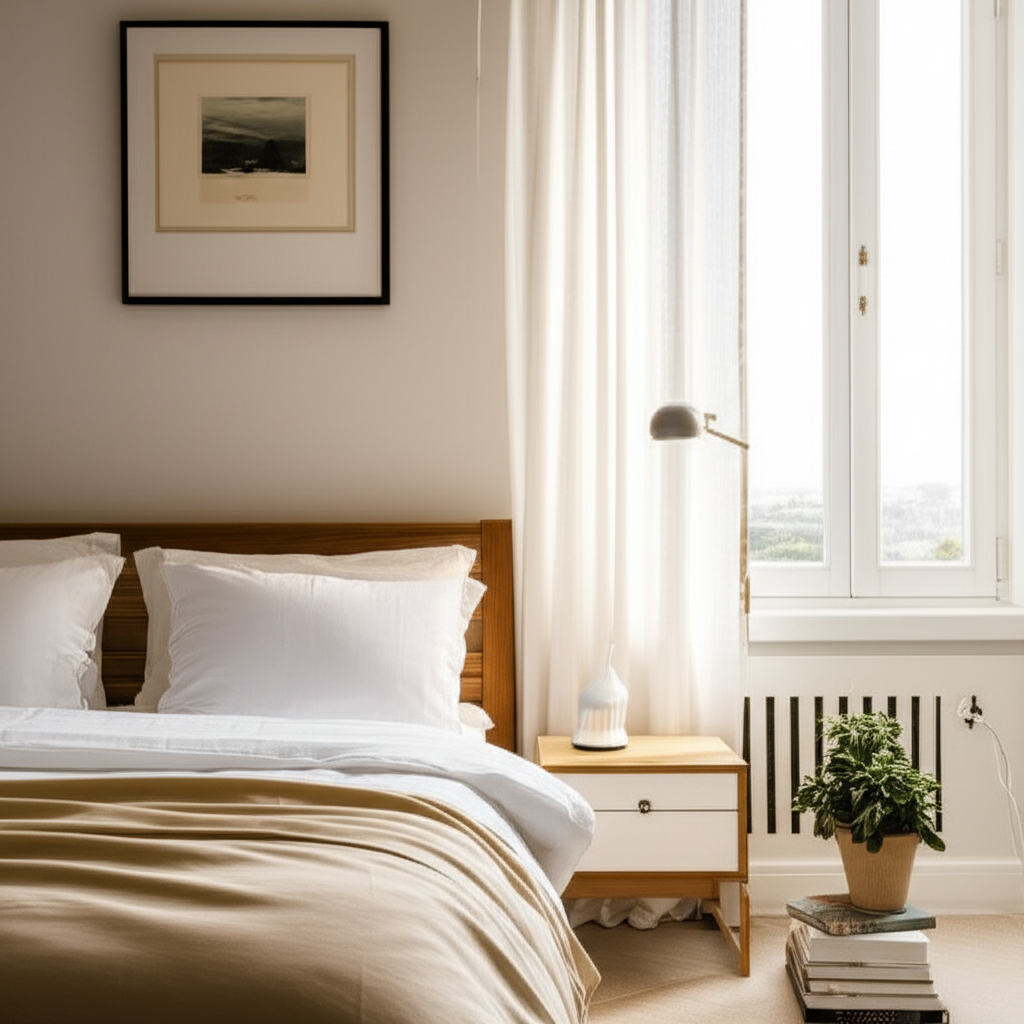
Designing your bedroom interior is easier than you think! Focus on creating a personal sanctuary by layering essential elements like comfortable bedding, smart storage, and mood lighting. This guide breaks down the process into simple steps, helping you craft a stylish and functional space tailored just for you.
Feeling a bit overwhelmed by bedroom design? You’re not alone! Turning your bedroom into a cozy haven can seem like a huge task, especially with so many ideas out there.
But what if I told you it’s all about a few key ingredients? We’ll walk through how to pick the right colors, furniture, and decor to make your room feel amazing. For inspiration on minimalist approaches that emphasize function and calm, explore our guide to minimal decor ideas—many principles translate beautifully to bedroom spaces.
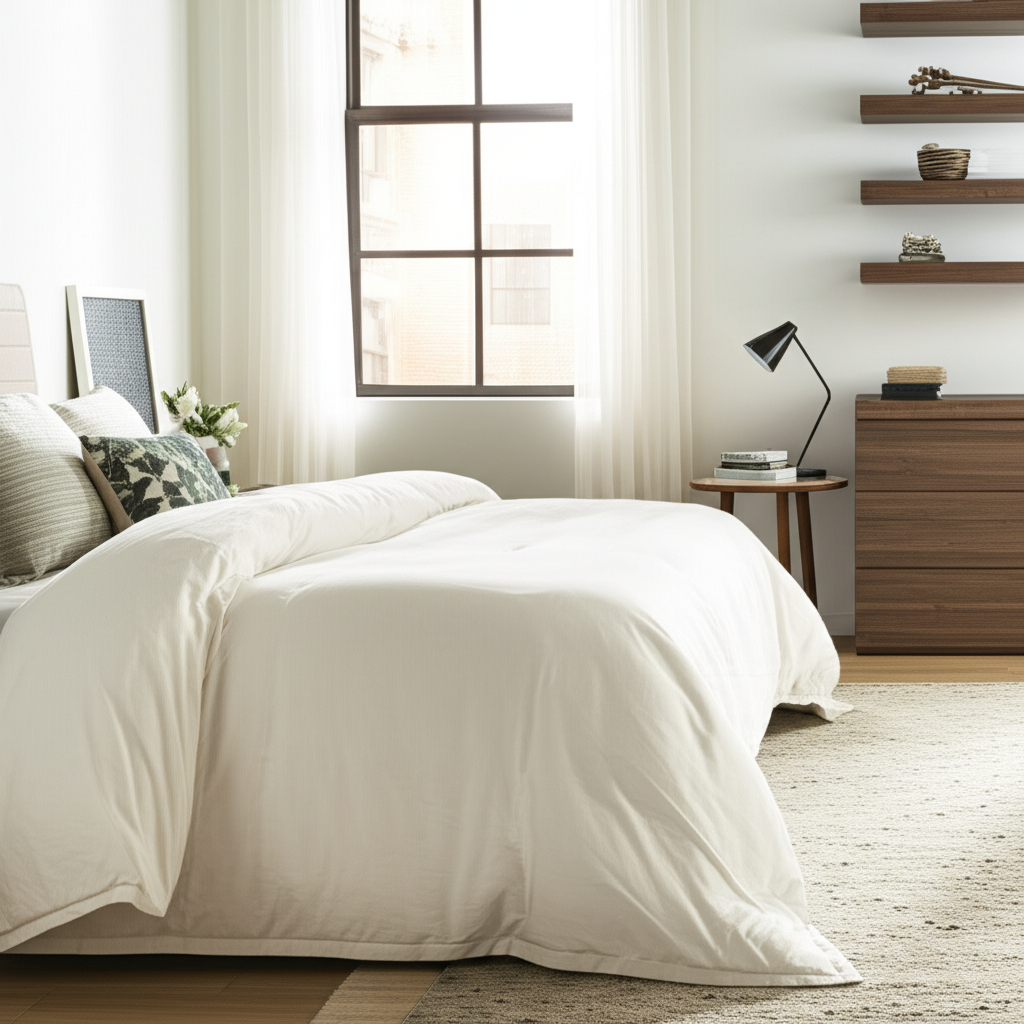
Get ready to transform your personal space into your favorite spot in the house. Let’s dive into the genius essentials for designing your dream bedroom!
Your Bedroom Design Journey: The Genius Essentials
Designing a bedroom interior isn’t just about making it look pretty; it’s about creating a space that supports your well-being. It’s where you start and end your day, so it needs to feel both functional and deeply personal.
Think of your bedroom as your personal sanctuary. It should be a place where you can truly relax, recharge, and feel like yourself. This guide will help you uncover the core elements that make any bedroom design successful, no matter your style or budget.

We’ll cover everything from choosing the perfect color palette to selecting furniture that fits your needs and making the most of your space. Ready to create a room you’ll love waking up in?
Step 1: Define Your Style and Needs
Before you pick out any furniture or paint colors, take a moment to think about what you want your bedroom to feel like. What’s your personal style? Are you drawn to calm and minimalist vibes, or do you prefer something more cozy and eclectic?
Consider how you use your bedroom. Is it just for sleeping, or do you also read, work, or get ready there? Knowing your daily routine will help you plan the layout and choose furniture that makes sense for your life.
- Style Inspiration: Browse magazines, Pinterest, or Instagram for bedroom photos you love. Save images that resonate with you.
- Functionality First: List the activities you do in your bedroom. This helps identify essential furniture and layout needs.
- Color Preferences: Think about colors that make you feel relaxed and happy. Do you lean towards neutrals, soft pastels, or bolder hues?
Step 2: Master the Color Palette
Color has a huge impact on the mood of a room. For bedrooms, calming colors are often a great choice. Think soft blues, gentle greens, warm grays, or creamy whites. These hues can promote relaxation and a sense of peace.
You don’t have to stick to just one color! You can create a beautiful palette using a combination of colors. A common approach is the 60-30-10 rule: 60% of the room is a dominant color, 30% is a secondary color, and 10% is an accent color.
For example, you could have soft gray walls (60%), a navy blue headboard (30%), and pops of mustard yellow in throw pillows (10%). This creates a balanced and visually interesting space.
Understanding Color Psychology in Bedrooms
Different colors evoke different feelings. Understanding this can help you make intentional choices for your bedroom.
- Blues: Often associated with calmness, serenity, and stability. They can help lower heart rate and blood pressure, promoting sleep.
- Greens: Reminiscent of nature, greens bring a sense of balance, harmony, and freshness. They are considered very restful for the eyes.
- Neutrals (Whites, Grays, Beiges): Provide a clean, serene backdrop. They are versatile and can be easily paired with other colors for accents.
- Pinks and Purples: Can evoke feelings of comfort, romance, or luxury depending on the shade. Softer shades are generally more calming.
- Yellows: Can bring cheerfulness and warmth, but too much can be overstimulating. Use in softer tones or as accents.
Step 3: Choose the Right Furniture (Size & Scale Matter!)
Your bed is the star of the bedroom, so choose one that’s comfortable and fits the scale of your room. For smaller rooms, a bed frame with built-in storage can be a lifesaver. For larger rooms, a statement headboard can add personality.
Beyond the bed, think about other essentials. Do you need a dresser for clothes? A nightstand for your essentials? A comfortable chair for reading? Measure your room carefully and plan where each piece will go before you buy anything.
This is where planning your layout comes in handy. You can even use painter’s tape on your floor to map out where furniture will sit. This helps visualize the space and avoid buying pieces that are too big or too small.
Essential Bedroom Furniture Checklist
Here’s a breakdown of common bedroom furniture pieces and what to consider:
| Furniture Piece | Key Considerations | Beginner Tips |
|---|---|---|
| Bed Frame | Size (Twin, Full, Queen, King), height, style (platform, sleigh, storage), mattress support. | Opt for a platform bed for a modern look and no need for a box spring. Consider a bed with drawers for extra storage in smaller rooms. |
| Mattress | Comfort level (soft, medium, firm), material (innerspring, memory foam, hybrid), budget. | Invest in a good mattress; it’s crucial for sleep quality. Read reviews and try to test mattresses if possible. |
| Nightstand(s) | Height (should be close to mattress height), storage (drawers, shelves), style. | A simple table with a drawer is perfect for lamps, books, and essentials. Floating shelves can save floor space. |
| Dresser | Size (number of drawers), depth, style, space available. | Measure the wall space where the dresser will go. Ensure drawers open fully without hitting anything. |
| Wardrobe/Armoire (Optional) | Hanging space, shelf space, doors (sliding vs. hinged), dimensions. | Ideal for rooms with no built-in closet or if you need extra hanging space. |
| Accent Chair (Optional) | Comfort, size, style, material. | A small, comfortable chair can create a cozy reading nook in a corner. |
Step 4: Layer Lighting for Ambiance
Good lighting can completely change the feel of your bedroom. You don’t want just one harsh overhead light. Instead, aim for layered lighting: ambient, task, and accent lighting.
Ambient lighting is the general, overall light in the room. This is usually your ceiling fixture. Task lighting is for specific activities, like reading in bed (think bedside lamps) or applying makeup (vanity lights). Accent lighting is for highlighting decor, like a picture light or a small lamp on a dresser.
Dimmers are your best friend! Installing dimmers on your main lights allows you to control the intensity and create a more relaxed atmosphere in the evenings.
Smart Lighting Solutions
Here are some ideas to create the perfect lighting scheme:
- Overhead Fixture: Choose a stylish ceiling light or a flush mount for lower ceilings. Consider a dimmer switch.
- Bedside Lamps: Essential for reading. Table lamps on nightstands or wall-mounted sconces are great options.
- Floor Lamp: Can add a cozy glow to a reading corner or brighten a dark spot.
- Accent Lamps: Small lamps on dressers or shelves add warmth and visual interest.
- String Lights/Fairy Lights: For a touch of whimsy and soft, ambient glow, especially draped around a headboard or window.
- Natural Light: Maximize natural light during the day with appropriate window treatments.
Step 5: Textiles and Soft Furnishings
This is where you add personality and comfort! Think about your bedding, curtains, rugs, and throw pillows. These elements bring texture, color, and warmth into your bedroom.
Start with your bedding. Choose sheets and a duvet cover that feel good against your skin and complement your color scheme. Layering with a throw blanket and a few decorative pillows adds depth and coziness.
A soft rug underfoot can make a huge difference, especially on hard flooring. It defines the space and adds a plush feeling. Curtains not only control light but also add softness and can help with sound insulation.
The Power of Texture
Mixing textures makes a room feel more dynamic and inviting. Consider:
- Soft knits: For throw blankets and pillows.
- Linen or cotton: For breathable bedding and curtains.
- Velvet: For a touch of luxury in pillows or an accent chair.
- Natural fibers: Like jute or sisal for rugs, adding an earthy feel.
- Faux fur: For a cozy, indulgent accent.
Step 6: Storage Solutions: Declutter for Serenity
A cluttered bedroom can lead to a cluttered mind. Smart storage is key to a peaceful sanctuary. Look for furniture that doubles as storage, like beds with drawers or ottomans with hidden compartments.
Utilize vertical space with shelving. Wall-mounted shelves are great for books, decor, or even storing items out of sight in decorative baskets.
Organize your closets and drawers. Use drawer dividers, shelf organizers, and storage bins to keep everything tidy. A clean, organized space is fundamental to a relaxing bedroom environment.
For tips on maximizing small spaces, check out the U.S. Department of Housing and Urban Development (HUD) for design strategies that can be adapted for any room.
Clever Storage Hacks
- Under-bed storage bins: Perfect for seasonal clothing, extra linens, or shoes.
- Floating shelves: Minimalist and great for displaying decor or holding books.
- Decorative baskets and boxes: Hide clutter on shelves or in plain sight.
- Over-the-door organizers: Ideal for shoes, accessories, or toiletries.
- Bedside caddy: Keeps essentials like books, glasses, and remotes within easy reach without taking up table space.
Step 7: Personal Touches and Decor
This is the fun part – making the room truly yours! Add elements that reflect your personality and bring you joy.
This could include artwork, photographs, plants, or decorative objects. Choose pieces that you love and that contribute to the overall mood you want to create. Don’t overdo it; a few well-chosen items can have more impact than a room full of clutter.
Consider adding a mirror. Mirrors can make a room feel larger and brighter by reflecting light. A full-length mirror is practical, while a decorative wall mirror can be a stylish focal point.
Decorating Ideas to Inspire
- Artwork: Select pieces that you find calming or inspiring.
- Photos: Frame your favorite memories.
- Plants: Bring life and a touch of nature indoors. Choose low-maintenance options if you’re new to plant care.
- Candles and Diffusers: Add a pleasant scent and a cozy ambiance.
- Books: Stack a few favorite books on your nightstand or a shelf.
Step 8: Layout and Flow
The way you arrange your furniture significantly impacts how your bedroom feels and functions. The most common layout centers the bed, often facing the door or a window. Ensure there’s enough space to walk around the bed comfortably.
Leave adequate space between furniture pieces. Aim for at least 2-3 feet of clearance for walkways. This prevents the room from feeling cramped and makes it easier to move around.
Consider the focal point of your room. This is usually the bed, but it could also be a beautiful window with a view, a fireplace, or a piece of art. Arrange your furniture to draw attention to this focal point.
Bedroom Layout Tips
Here’s a quick guide to common bedroom layouts and considerations:
- Bed Placement: Ideally, position the headboard against a solid wall, away from direct drafts from windows or doors. Ensure you can see the door from the bed for a sense of security.
- Walkways: Maintain clear paths to the closet, bathroom, and doors.
- Nightstand Proximity: Ensure nightstands are easily accessible from the bed.
- Dresser Placement: Place dressers on walls where they won’t obstruct movement.
- Seating Areas: If you have a chair, place it in a corner or by a window to create a cozy nook.
Budget-Friendly Bedroom Design Hacks
- DIY Projects: Repaint an old dresser, create your own wall art, or update existing furniture with new hardware.
- Shop Smart: Look for sales, consider secondhand furniture from thrift stores or online marketplaces, and compare prices before buying.
- Focus on Impactful Items: Invest in a good mattress and comfortable bedding, and then use more budget-friendly items for decor.
- Thrift Store Finds: Vintage lamps, unique mirrors, or decorative trays can add character without breaking the bank.
- Seasonal Sales: Many stores have big sales around holidays like Black Friday or Memorial Day.
Example Budget Breakdown (Hypothetical)
Let’s say you have a budget of $1000 for a bedroom refresh:
| Item | Estimated Cost | Notes |
|---|---|---|
| Bedding Set (Duvet, Shams, Sheets) | $150 – $250 | Look for sales on quality materials. |
| Throw Pillows & Blanket | $50 – $100 | Mix budget-friendly finds with one or two nicer pieces. |
| Area Rug | $100 – $200 | Consider synthetic or natural fiber rugs for affordability. |
| Nightstand Lamp(s) | $40 – $80 | Search for stylish options at home goods stores or online. |
| Wall Art/Decor | $50 – $100 | DIY art, prints from online artists, or thrift store finds.
For more inspiration on stylish yet affordable home upgrades, check out our roundup of chic kitchen accessories—many of these design principles apply across rooms, helping you maintain a cohesive and elevated look throughout your home. Frequently Asked Questions (FAQ)Q1: How do I choose the right size bed for my room?A1: Measure your room first! For smaller rooms, a Full or Queen bed is often best. Larger rooms can accommodate a Queen or King. Ensure you have at least 2-3 feet of walking space around the bed. Q2: What are the best colors for a relaxing bedroom?A2: Calming colors like soft blues, greens, grays, and muted earth tones are ideal. They create a serene atmosphere conducive to sleep and relaxation. Q3: Do I really need a rug in my bedroom?A3: While not strictly essential, a rug adds significant comfort, warmth, and style. It can define the sleeping area and feel great underfoot, especially on cold mornings. Q4: How can I make a small bedroom feel bigger?A4: Use light colors, maximize natural light, opt for furniture with legs to create a sense of openness, and incorporate mirrors to reflect light and space. Vertical storage also helps. Q5: What’s the most important piece of furniture in a bedroom?A5: The bed and mattress are paramount for comfort and sleep quality. After that, functional storage and a well-placed nightstand are key essentials. Q6: How often should I update my bedroom decor?A6: There’s no set rule! You can refresh your decor seasonally with new pillows or throws, or do a larger update every few years when you feel the need for a change. Q7: Where can I find affordable bedroom decor?A7: Great places include IKEA, Target, Wayfair, Amazon, thrift stores, flea markets, and Facebook Marketplace. Don’t forget DIY projects for a personal touch! Conclusion: Your Dream Bedroom Awaits!Designing your bedroom interior is an exciting journey, and with these genius essentials, you’re well on your way to creating a space that’s both beautiful and functional. Remember, it’s all about layering comfort, style, and personal touches. Start by understanding your style and needs, then focus on a calming color palette, well-chosen furniture, and thoughtful lighting. Don’t forget the power of soft textiles, smart storage, and those special decor items that make a room feel like home. By taking it step-by-step and focusing on what truly matters, you can transform your bedroom into the peaceful sanctuary you deserve. Happy decorating! |