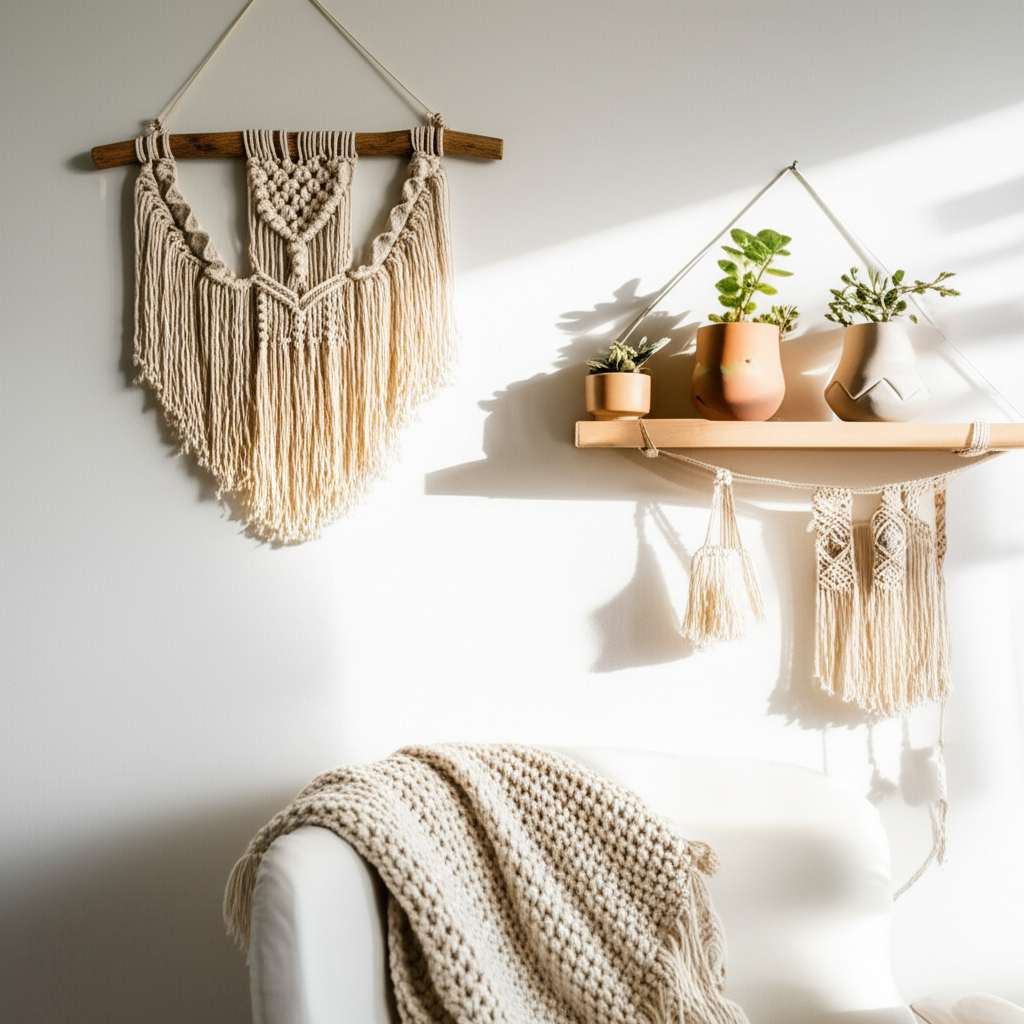
DIY Room Decor Aesthetic: Essential Ideas for a Stylish & Personalized Space
Creating a DIY room decor aesthetic you love doesn’t have to be complicated or expensive. This guide offers simple, actionable ideas for beginners to personalize their space, focusing on achievable transformations that express your unique style. You’ll learn how to select a theme, choose colors, and implement easy DIY projects to bring your vision to life.
Feeling overwhelmed by endless decor options? You’re not alone! Many of us dream of a beautiful, stylish room but get stuck on where to start. It’s easy to feel intimidated by designer looks and high price tags.
But what if transforming your space could be fun, creative, and budget-friendly? This guide breaks down the process into simple, manageable steps. We’ll explore how to find your unique style and bring it to life with easy DIY projects.
Get ready to discover how to make your room a reflection of you, without the stress. Let’s dive into essential ideas for your DIY room decor aesthetic!
What is a Room Decor Aesthetic?
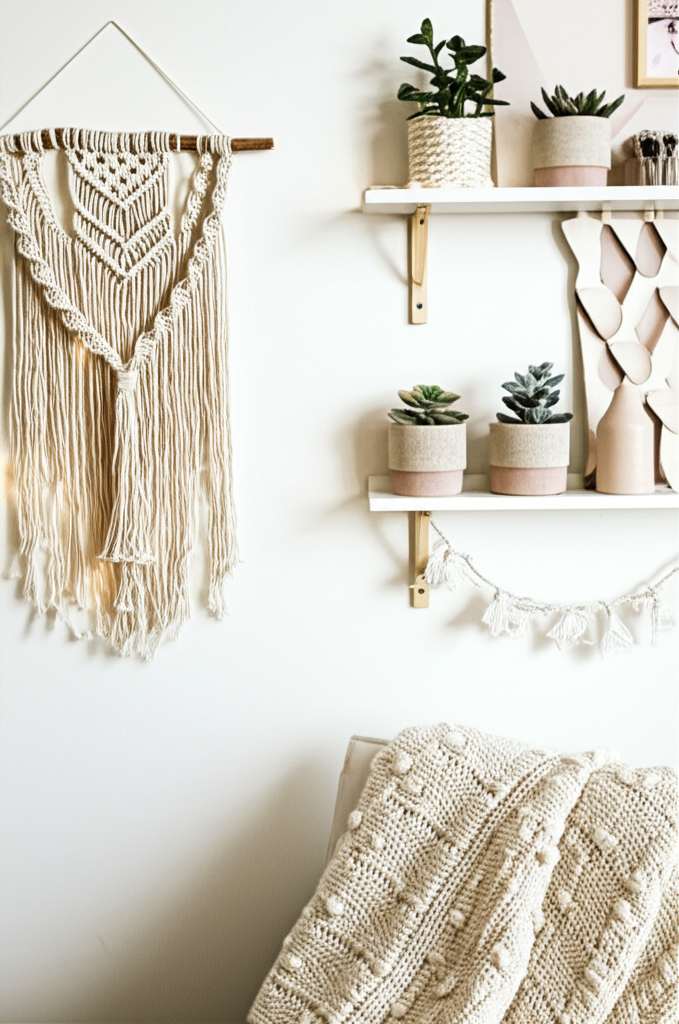
An aesthetic is basically the overall vibe or style of a room. It’s what makes a space feel cohesive and reflects your personality. Think of it as the “look and feel” you want to achieve.
It could be cozy and rustic, sleek and modern, or bright and bohemian. Your aesthetic is your personal design language.
Finding Your DIY Room Decor Aesthetic: A Beginner’s Guide
The first step to a fantastic DIY room decor aesthetic is figuring out what you love! Don’t worry if you don’t have a clear picture yet. We’ll explore some popular aesthetics and how to find inspiration.
Step 1: Explore Different Aesthetics
Many styles can inspire your room. Think about what makes you feel comfortable and happy.
Bohemian (Boho): Think natural materials, vibrant colors, global-inspired patterns, plants, and a relaxed, eclectic feel.
Minimalist: Clean lines, neutral colors, functional furniture, and a focus on decluttering. Less is more here!
Farmhouse: Cozy, rustic charm with elements like shiplap, vintage finds, natural wood, and neutral colors.
Mid-Century Modern: Retro vibes from the mid-1900s, featuring organic shapes, wood accents, and a blend of function and style.
Scandinavian: Simple, functional, and beautiful. Lots of light colors, natural wood, cozy textiles, and a clutter-free environment.
Industrial: Raw, unfinished elements like exposed brick, metal, wood, and a utilitarian feel.
Coastal/Nautical: Inspired by the sea, using blues, whites, natural textures like driftwood, and beachy accents.
Step 2: Gather Inspiration
Where can you find ideas? Everywhere!
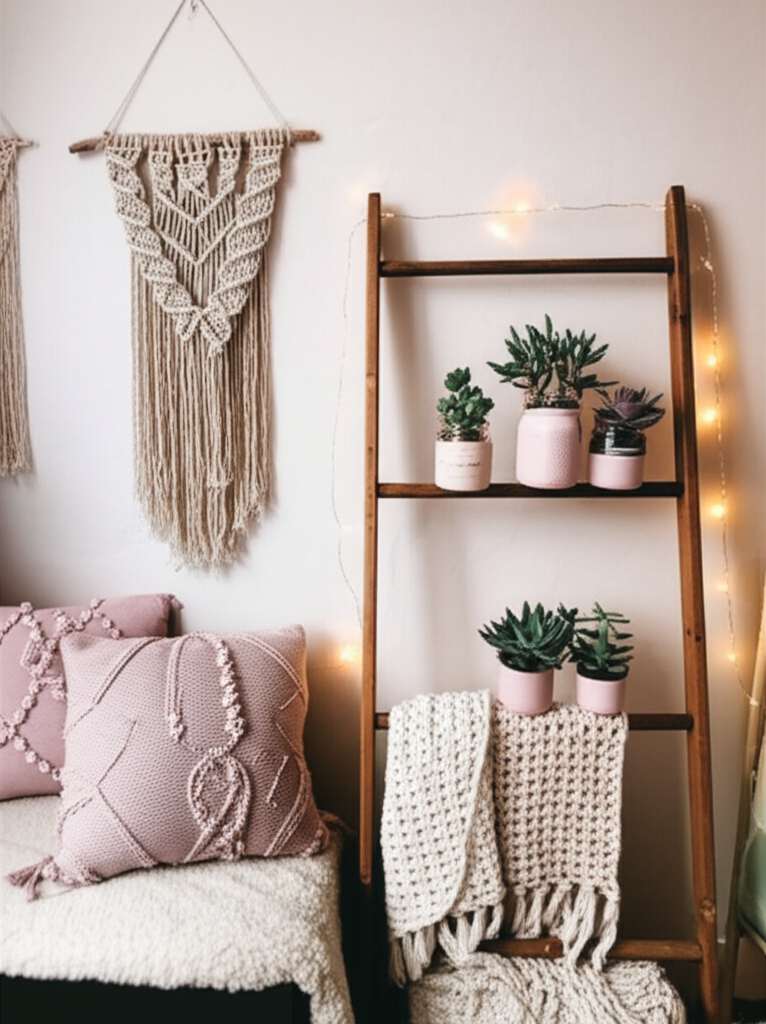
Pinterest: This is a goldmine for visual inspiration. Create boards for different styles and save images you love.
Instagram: Follow home decor accounts and hashtags like #diyhomedecor, #roommakeover, or #[yourchosen aesthetic].
Magazines & Blogs: Browse interior design magazines or blogs for articles and photos.
Real Life: Pay attention to cafes, hotels, or friends’ homes you find appealing. What elements do you like?
Step 3: Identify Common Threads
As you gather inspiration, notice what keeps drawing your eye.
Do you gravitate towards specific colors?
Do you prefer certain textures, like soft fabrics or rough wood?
Are you drawn to a particular mood, like calm and serene or energetic and vibrant?
These common threads will point you toward your ideal DIY room decor aesthetic. For a minimalist look that extends beyond the bedroom, check out our guide on 10 Minimal Decor Ideas For Kitchens: Amazing Makeover.
Essential DIY Room Decor Ideas to Get You Started
Once you have a general idea of your aesthetic, it’s time for the fun part: creating! Here are some beginner-friendly DIY projects that can make a big impact.
1. Wall Art & Decor
Walls are a blank canvas! Here are easy ways to add personality.
Gallery Wall:
Gather frames of different sizes and styles that fit your aesthetic.
Print photos, art, or even interesting magazine clippings.
Arrange them on the floor first to get the layout right.
Use a level to hang them evenly.
DIY Abstract Canvas:
Buy a blank canvas from a craft store.
Choose 2-3 colors that match your aesthetic.
Use acrylic paints and brushes, sponges, or even palette knives to create your own abstract masterpiece. Don’t overthink it – abstract art is forgiving!
String Art:
Get a piece of wood, some nails, and string or yarn.
Hammer nails in a shape or pattern.
Wrap the string around the nails to create a unique design.
Washi Tape Designs:
Washi tape comes in endless colors and patterns.
Use it to create geometric designs, borders, or even faux headboards directly on your wall. It’s renter-friendly and easily removable!
2. Cozy Textiles & Soft Furnishings
Textiles add warmth, color, and comfort, instantly upgrading your room’s aesthetic.
DIY Throw Pillows:
Buy plain pillow covers or fabric.
Use fabric paint to stencil a design, add pom-poms, or create simple patterns.
Sewing skills aren’t always necessary; you can find no-sew pillow cover tutorials.
Update Curtains:
Buy inexpensive plain curtains.
Add trim, pom-poms, or even a dip-dye effect with fabric dye.
Create a Chunky Knit Blanket:
Arm knitting is a popular technique that requires no needles. You’ll need super bulky yarn. There are many video tutorials available online.
DIY Rug:
For a bohemian or eclectic look, you can create a rag rug from old t-shirts or fabric strips. This involves braiding or weaving.
3. Lighting Ambiance
The right lighting sets the mood.
Fairy Lights:
Drape fairy lights around mirrors, headboards, or windows for a magical glow. Battery-operated ones are super versatile.
DIY Lampshade:
Take a plain lampshade and cover it with fabric, twine, or even dried flowers.
Paper Lanterns:
These are inexpensive and can be hung in clusters for a soft, diffused light.
4. Greenery & Nature
Plants bring life and a natural element to any aesthetic.
Potted Plants:
Choose plants that suit your light conditions. Low-light options include snake plants and ZZ plants.
Use decorative pots that match your style.
DIY Macrame Plant Hangers:
Learn a few basic macrame knots to create beautiful hangers for your plants.
Dried Flower Arrangements:
Gather dried flowers or purchase them. Arrange them in a vase for a touch of natural, rustic beauty.
5. Furniture Upgrades & Repurposing
Don’t underestimate the power of a furniture refresh!
Paint Furniture:
Give an old dresser, side table, or chair a new life with a coat of paint. Chalk paint is popular for a matte, distressed finish.
Contact Paper:
Use adhesive contact paper to update tabletops, shelves, or the fronts of drawers with wood grain, marble, or colorful patterns. It’s a great temporary solution for renters.
DIY Floating Shelves:
Install simple floating shelves to display decor, books, or plants. This adds a clean, modern look.
6. Small Details, Big Impact
Don’t forget the little things!
DIY Coasters:
Use tiles, wood slices, or resin to create custom coasters.
Painted Vases:
Spray paint or hand-paint old glass jars or vases in your chosen colors.
Organizers:
Decorate plain boxes or jars to store small items stylishly.
Choosing Your Color Palette
Colors significantly influence your room’s mood and aesthetic.
Understanding Color Psychology
Blues & Greens: Calming, serene, and refreshing. Great for bedrooms and spaces where you want to relax.
Yellows & Oranges: Warm, energetic, and cheerful. Can brighten up a space but use them strategically.
Reds: Passionate, bold, and stimulating. Best used as accents.
Neutrals (Whites, Grays, Beiges): Versatile, timeless, and create a sense of calm and sophistication. They are excellent bases for any aesthetic.
Pinks & Purples: Can range from soft and romantic to bold and luxurious.
Creating a Cohesive Palette
A good rule of thumb is the 60-30-10 rule:
60% Main Color: This is your dominant color, often on walls or large furniture.
30% Secondary Color: This color supports the main color and appears in smaller doses, like accent chairs or rugs.
10% Accent Color: This is your pop of color, used in small details like pillows, artwork, or decorative objects.
Example Palettes for Popular Aesthetics:
| Aesthetic | 60% Main Color | 30% Secondary Color | 10% Accent Color |
| :—————- | :—————— | :—————— | :——————- |
| Bohemian | Warm Beige or White | Earthy Terracotta | Teal or Mustard Yellow |
| Minimalist | White or Light Gray | Soft Gray or Beige | Black or a muted tone |
| Farmhouse | Off-White or Cream | Light Gray or Tan | Black or Deep Green |
| Scandinavian | White or Light Gray | Light Wood Tones | Muted Blue or Green |
Budget-Friendly DIY Room Decor Aesthetic Tips
Decorating on a budget is totally achievable! Here’s how to make your money go further.
Thrift Stores & Flea Markets: These are treasure troves for unique furniture pieces, frames, vases, and decorative items that you can repaint or upcycle.
Upcycle Existing Items: Before buying new, see what you already own. Can a old jar become a vase? Can an old t-shirt become a pillow?
DIY When Possible: Making your own art, pillows, or simple furniture pieces is almost always cheaper than buying them.
Focus on Impactful Areas: Instead of trying to do everything at once, focus on one wall or one type of decor (like lighting or textiles) that will make the biggest difference.
Sales & Discount Stores: Keep an eye out for sales at craft stores, home goods stores, and online retailers.
Nature’s Decor: Collect interesting branches, stones, or dried leaves to use in your decor.
Tools & Materials for Your DIY Projects
You don’t need a professional workshop to get started. Here are some basic tools and materials that will be very useful for most DIY room decor projects.
| Tool/Material | Common Uses | Notes for Beginners |
| :——————— | :———————————————- | :————————————————- |
| Paint (Acrylic/Latex) | Walls, furniture, canvas art, small decor | Water-based paints are easy to clean up. |
| Brushes & Rollers | Applying paint | A variety pack is useful. |
| Screwdriver Set | Assembling furniture, hanging shelves | Basic Phillips and flathead are essential. |
| Hammer | Hanging pictures, small nails | A standard claw hammer is versatile. |
| Measuring Tape | Measuring for shelves, art placement | Essential for accuracy. |
| Level | Ensuring shelves and pictures are straight | Crucial for a professional look. |
| Craft Knife/Box Cutter | Cutting fabric, contact paper, stencils | Use with caution and a cutting mat. |
| Hot Glue Gun | Attaching fabric, embellishments, quick fixes | Great for fast adhesion. |
| Fabric Scissors | Cutting fabric, yarn | Sharp scissors make a big difference. |
| Sandpaper | Preparing furniture for paint, smoothing edges | Different grits for different jobs. |
| Washi Tape | Wall decor, temporary designs, crafting | Inexpensive and comes in countless patterns. |
| Command Strips/Hooks | Hanging art and decor without damaging walls | Perfect for renters or temporary displays. |
| Yarn/Twine/String | Crafting, plant hangers, decorative accents | Choose based on your desired aesthetic. |
For many projects, you can find great tutorials online that detail specific materials needed. A good resource for understanding different paint types and their applications is the Building Science Information website, which offers in-depth guides on building materials.
Putting It All Together: Creating Your Aesthetic
Now that you have ideas, inspiration, and a budget in mind, let’s think about how to bring it all together seamlessly.
Start Small
Don’t feel pressured to redecorate your entire room at once. Pick one area or one project to start with. Maybe it’s a statement wall with DIY art, or perhaps updating your throw pillows.
Layer Your Decor
Aesthetic isn’t just about one big piece. It’s about how different elements work together.
Base Layer: This is your walls, flooring, and large furniture.
Mid Layer: Think rugs, curtains, and accent chairs.
Top Layer: This includes smaller decor items like pillows, throws, artwork, plants, and decorative objects.
Don’t Forget Functionality
While aesthetics are important, your room also needs to work for you. Ensure your DIY projects enhance, not hinder, the usability of your space. For example, if you’re creating shelves, make sure they are sturdy and placed where they are convenient.
Embrace Imperfection
DIY projects are often characterized by their unique, handmade charm. Don’t strive for factory perfection. A slight wobble in a shelf or a brushstroke on a canvas can add character and tell a story. The National Trust often celebrates the beauty found in craftsmanship and the unique imperfections that make something handmade special.
Step-by-Step Example: Creating a Boho-Inspired Reading Nook
Let’s say you love the Bohemian aesthetic and want to create a cozy reading nook.
1. Find a Corner: Identify a small corner in your room.
2. Add a Comfy Seat: Use a floor cushion, an old armchair you’ve updated with new fabric, or a small pouf.
3. DIY Wall Art: Hang a macrame wall hanging or create a collage of framed botanical prints.
4. Textiles: Layer on colorful throw pillows and a soft, textured blanket.
5. Lighting: Drape fairy lights around a nearby window or use a small, bohemian-style lamp.
6. Greenery: Place a potted plant on a small side table or hang a macrame plant holder.
7. Personal Touches: Add a stack of your favorite books and perhaps a scented candle.
This simple approach uses multiple DIY elements to create a defined, stylish space. If you’re drawn to warm, earthy tones like those often used in boho or farmhouse styles, explore our curated selection of 8 Warm Kitchen Color Ideas: Stunning Hues for complementary inspiration.
Frequently Asked Questions (FAQs)
Q1: How do I choose an aesthetic if I like too many styles?
It’s common to be drawn to multiple styles! Try to find the common elements you love across them. For example, if you like Boho and Mid-Century Modern, you might blend natural textures with clean lines and organic shapes. Creating a “New Bohemian” or “Eclectic” style could be your unique blend.
Q2: What are the easiest DIY decor projects for absolute beginners?
Easy beginner projects include painting small items like vases or frames, creating simple gallery walls with existing photos, draping fairy lights, and using washi tape for decorative accents. Making simple throw pillows from old t-shirts or buying plain covers and adding embellishments is also straightforward.
Q3: How can I make my small apartment room look bigger with DIY decor?
Use light colors for walls and large furniture pieces to create an airy feel. DIY floating shelves draw the eye upward. Mirrors are fantastic – you can even create a DIY mirror frame with painted wood or mosaic tiles. Keep clutter to a minimum with stylish DIY storage solutions.
Q4: I’m a renter. What DIY decor can I do that won’t damage the walls?
Focus on decor that doesn’t require permanent fixtures. Command strips and hooks are your best friends for hanging art and shelves. Washi tape is great for temporary wall designs. You can also focus on textiles like rugs, curtains, and throw pillows, or update furniture with contact paper that’s easily removable.
Q5: How much money should I budget for DIY room decor?
This varies greatly! You can spend very little if you primarily upcycle and use free materials. A small budget might be $50-$100 for a few key items like paint, canvases, or craft supplies. A larger budget might involve buying a secondhand furniture piece to refinish. The key is to prioritize what will make the biggest impact for your aesthetic.
Q6: How do I make sure my DIY decor looks intentional and not messy?
Stick to your chosen color palette and aesthetic. Consistency is key. Even in eclectic styles, there should be a unifying theme. Planning your projects and arranging decor before committing to permanent placement helps ensure a cohesive look. For those embracing clean lines and simplicity, our article on 12 White Kitchen Decor Ideas: Amazing Style offers elegant, minimalist approaches that can translate beautifully into bedroom design.
Conclusion
Transforming your space into a place that truly reflects your personality and style through DIY room decor is an incredibly rewarding journey. It’s about more than just making things look pretty; it’s about expressing yourself, being creative, and building a home that feels uniquely yours.
Remember, the most important element of your DIY room decor aesthetic is you*. Don’t be afraid to experiment, have fun, and let your imagination guide you. Whether you’re aiming for a minimalist haven, a bohemian paradise, or a cozy farmhouse retreat, these essential ideas will help you get started.
By focusing on simple, achievable projects, gathering inspiration, and working with a budget, you can create a beautiful and stylish room without the stress. So, grab your supplies, unleash your creativity, and start building the space you’ve always dreamed of. Happy decorating!