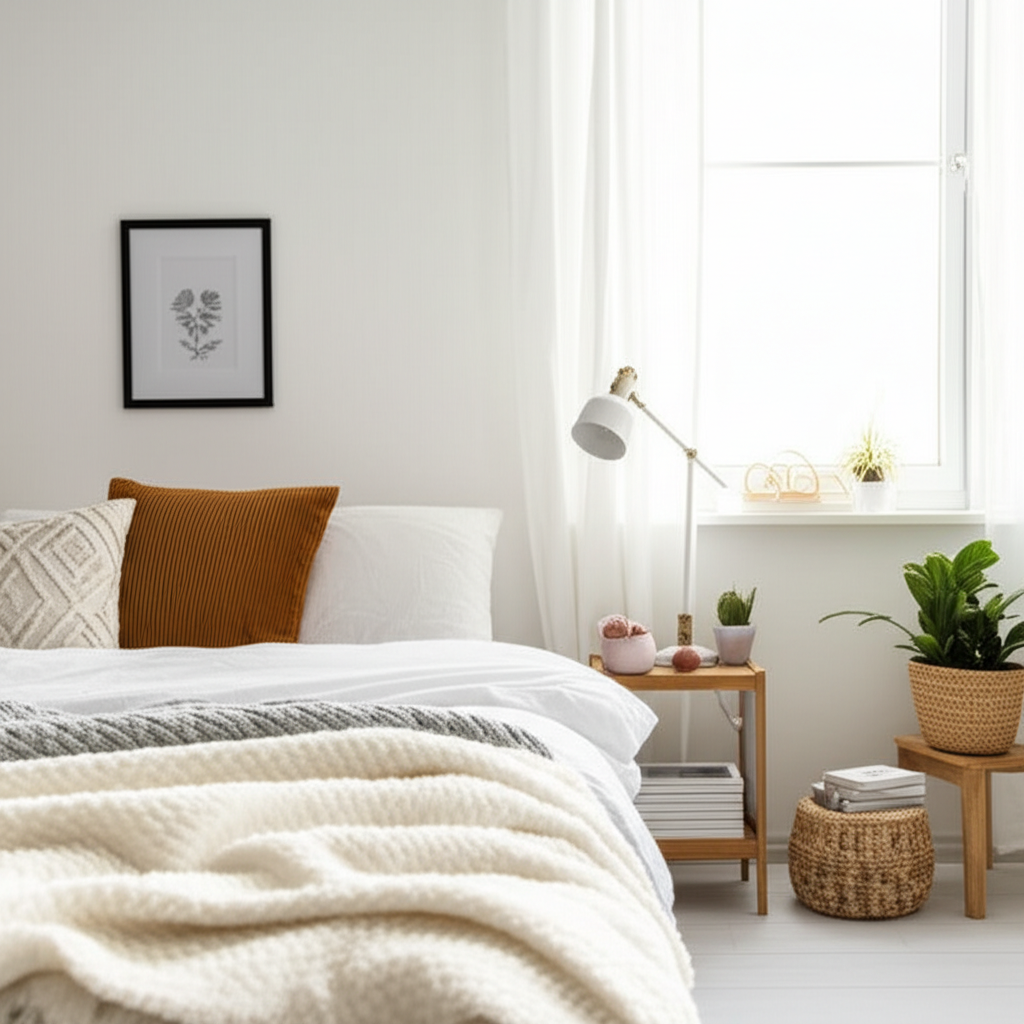
Make your room aesthetic by decluttering, adding cozy textiles, using strategic lighting, incorporating personal touches, and choosing a cohesive color palette. Focus on creating a space that reflects your style and makes you feel happy and comfortable.
Feeling like your room is a bit… blah? You’ve scrolled through endless inspiration online and love what you see, but translating those beautiful images into your own space feels overwhelming. It’s totally normal to feel that way!
Many of us dream of a room that feels like a personal sanctuary, a place that’s both stylish and cozy. But where do you even begin? Don’t worry, transforming your room into an aesthetic haven is more achievable than you think.
This guide is packed with simple, budget-friendly tips to help you create a space you’ll absolutely love. We’ll break down the process step-by-step, making it fun and stress-free. Get ready to discover how to make your room truly yours!
What Makes a Room “Aesthetic”?
The term “aesthetic” in interior design is all about creating a cohesive and pleasing visual style. It’s not about following strict rules, but rather about curating a look and feel that resonates with you.
An aesthetic room often features intentional choices in color, texture, decor, and arrangement. It aims to evoke a certain mood or vibe, whether that’s calm and minimalist, vibrant and bohemian, or anything in between. Think of it as telling a story about you through your surroundings.
Essential Tips to Make Your Room Aesthetic
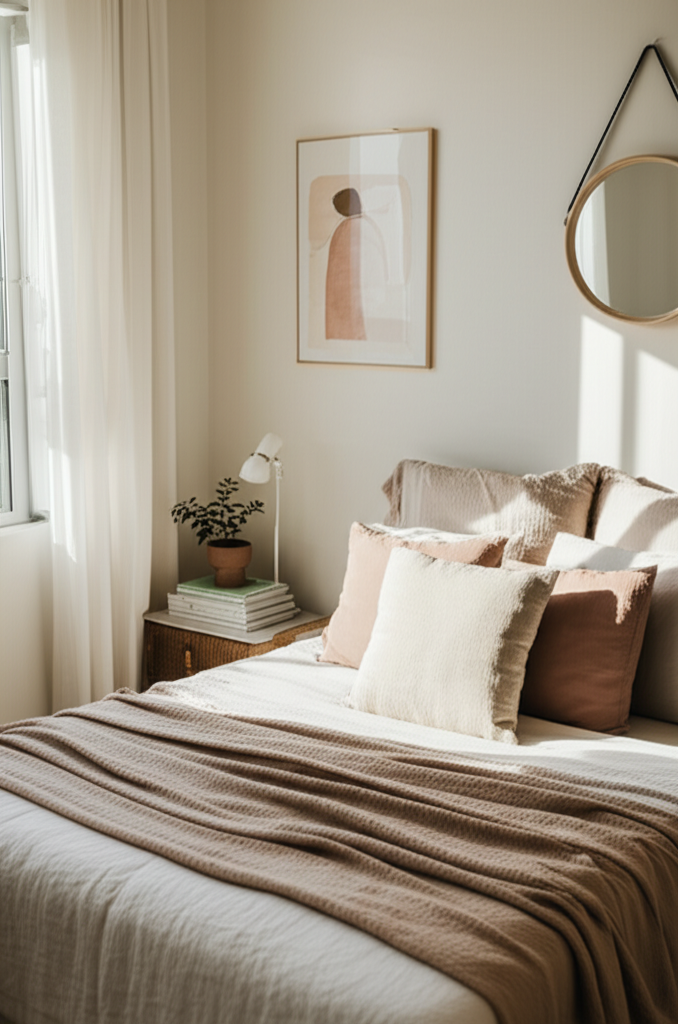
Ready to dive in? Here are the key elements to focus on when aiming for an aesthetic room. We’ll go through each one, making it easy to understand and implement.
1. Declutter and Organize: The Foundation of Aesthetics
Before you even think about buying new decor, the most crucial step is to declutter. A messy room can instantly detract from any aesthetic you’re trying to create. Think of it as a blank canvas – you need a clean one!
Why Decluttering Matters:
- It creates a sense of calm and order.
- It makes your space feel larger and more intentional.
- It allows your chosen decor to shine without being overshadowed by clutter.
How to Declutter:
- The One-Year Rule: If you haven’t used an item in the past year, seriously consider letting it go.
- Categorize: Go through your belongings and sort them into keep, donate, sell, or trash piles.
- Storage Solutions: Invest in attractive storage like baskets, decorative boxes, or shelving units to keep essentials out of sight. Look for multi-functional furniture, like ottomans with storage. For more ideas, check out our guide on stylish storage accessories that can inspire bedroom organization too.
- Regular Maintenance: Make it a habit to put things back in their place daily. A quick 5-minute tidy-up can make a huge difference.
2. Curate a Color Palette
Colors have a powerful impact on mood and the overall aesthetic of a room. Choosing a cohesive color palette ensures your space feels harmonious and intentional.
Choosing Your Palette:
- Inspiration: Look at photos you love. What colors appear most often? Do you lean towards neutrals, pastels, or bold hues?
- The 60-30-10 Rule: This is a popular decorating guideline. Use your dominant color (60%) for large surfaces like walls, a secondary color (30%) for furniture and accents, and an accent color (10%) for smaller details like cushions or artwork.
- Neutrals as a Base: Whites, grays, beiges, and blacks are versatile and create a sophisticated backdrop. You can then layer in pops of color. Explore warm color ideas that work beautifully in bedrooms too.
- Consider the Mood: Blues and greens often create a calming atmosphere, while yellows and oranges can feel more energizing.
Where to Use Your Colors:
- Walls
- Bedding and curtains
- Rugs and throws
- Artwork and decorative objects
For a beginner-friendly approach, consider starting with a neutral base and adding 1-2 accent colors that you love. This prevents your room from feeling too busy while still allowing for personality.
3. Layer Your Lighting
Lighting is one of the most underrated elements in creating an aesthetic space. Harsh overhead lights can make a room feel sterile, but strategic layering can create warmth, ambiance, and highlight your decor.
Types of Lighting to Consider:
- Ambient Lighting: This is your general, overall illumination. Think soft ceiling lights or floor lamps that provide a gentle glow. Dimmable options are fantastic for controlling the mood.
- Task Lighting: This is focused light for specific activities, like reading or working. A desk lamp or a bedside lamp falls into this category.
- Accent Lighting: Use this to highlight specific features, such as artwork, plants, or architectural details. Picture lights or small spotlights work well.
Tips for Aesthetic Lighting:
- Warm Bulbs: Opt for light bulbs with a warm color temperature (around 2700K-3000K) for a cozy, inviting feel. You can find this information on the bulb packaging.
- Multiple Sources: Instead of relying on one main light, use several smaller light sources placed at different heights.
- String Lights: Fairy lights or Edison bulb string lights can add a magical, whimsical touch, especially around a headboard or window.
- Candles: Real or LED candles provide a soft, flickering glow that instantly adds ambiance.
Good lighting can completely transform the feel of a room, making it more inviting and visually appealing. Don’t underestimate its power!
4. Incorporate Cozy Textiles and Textures
Texture adds depth and interest to a room, making it feel more inviting and lived-in. Textiles are your best friend here!
How to Add Texture:
- Rugs: A soft rug underfoot can anchor your space and add warmth. Consider materials like wool, shag, or natural fibers like jute.
- Throws and Blankets: Drape a chunky knit throw over your bed or sofa for instant coziness.
- Cushions: Mix and match cushions in different textures, sizes, and subtle patterns. Think velvet, linen, faux fur, or woven fabrics.
- Curtains: Soft, flowing curtains can soften harsh window frames and add a touch of elegance or coziness, depending on the fabric.
Mixing Textures: Don’t be afraid to combine different textures. A smooth wooden surface can be complemented by a rough linen cushion, or a plush rug can balance out a sleek metal accent. This creates a more dynamic and visually interesting space.
5. Add Personal Touches and Decor
This is where your room truly becomes yours. Personal decor makes a space feel authentic and reflects your personality and interests.
Ideas for Personalization:
- Artwork: Display prints, paintings, photographs, or even your own creations. Create a gallery wall for a statement look. For inspiration, see our collection of wall art ideas that can be adapted to any room.
- Photos: Frame your favorite memories. Consider unique photo displays like string lights with clips or a photo ledge.
- Plants: Greenery brings life into a room and can instantly make it feel more vibrant and welcoming. Low-maintenance options like snake plants or ZZ plants are great for beginners.
- Books: Stack your favorite books on shelves or a side table. They add personality and can be styled aesthetically.
- Collections: If you collect anything, find stylish ways to display it.
Styling Your Decor: Arrange items in small groupings (the rule of three is often pleasing to the eye) and vary the heights. Don’t overcrowd surfaces; allow items to have their own space.
6. Consider Furniture Arrangement
How you arrange your furniture plays a huge role in the flow and functionality of your room. Even small adjustments can make a big difference.
Tips for Arrangement:
- Define Zones: If you have a larger room, consider creating different zones for sleeping, working, or relaxing.
- Focal Point: Identify a focal point in your room – perhaps your bed, a window with a view, or a fireplace. Arrange furniture to draw attention to it.
- Traffic Flow: Ensure there are clear pathways to move around the room easily. Avoid blocking doorways or natural walkways.
- Don’t Push Everything Against Walls: Sometimes pulling furniture slightly away from the walls can create a more intimate and inviting seating area.
For smaller rooms, keep furniture proportionate to the size. Multifunctional furniture, like a storage ottoman or a desk that can double as a vanity, is a lifesaver.
7. Incorporate Mirrors
Mirrors are a fantastic tool for making a room feel larger, brighter, and more stylish. They bounce light around and create the illusion of more space.
Where to Place Mirrors:
- Opposite a Window: This will reflect natural light and the view outside, making your room feel airier.
- In a Dark Corner: A strategically placed mirror can help brighten up a dim area.
- Above a Console Table or Bed: This can serve as a decorative focal point.
Types of Mirrors: From ornate vintage frames to minimalist modern designs, mirrors come in all styles. Choose one that complements your overall aesthetic.
8. Add Greenery with Plants
Plants are a simple yet incredibly effective way to bring life, color, and a sense of calm to any room. They also help improve air quality!
Easy-Care Plants for Beginners:
- Snake Plant: Tolerates low light and infrequent watering.
- ZZ Plant: Very drought-tolerant and can handle low light conditions.
- Pothos: Easy to grow and can trail beautifully from shelves or hanging baskets.
- Spider Plant: Produces “spiderettes” that can be replanted.
Styling Your Plants: Use decorative pots that match your color scheme. Group plants together for a more impactful display. Consider hanging plants for vertical interest.
9. Use Scent to Enhance Ambiance
Don’t forget about your sense of smell! A pleasant scent can significantly contribute to the overall feeling and aesthetic of your room.
Scent Options:
- Candles: Choose scents that you find relaxing or uplifting.
- Diffusers: Essential oil diffusers offer a natural way to fragrance your space.
- Room Sprays: For a quick refresh.
Choosing Scents: Lavender is known for relaxation, citrus scents can be energizing, and woody or spicy notes can add warmth. Select scents that align with the mood you want to create.
Putting It All Together: A Sample Aesthetic Plan
Let’s imagine you want to create a “cozy minimalist” aesthetic. Here’s how you might apply the tips:
Color Palette: Soft whites, warm grays, and a touch of muted sage green.
Furniture Arrangement: Bed centered on the main wall, a small armchair in a corner by a window, a minimalist desk. Clear pathways.
Lighting: Warm overhead light on a dimmer, a bedside lamp with a fabric shade, and a few battery-operated fairy lights draped over the headboard.
Textiles: White linen bedding, a chunky knit gray throw, a few cream-colored cushions with subtle texture, and a soft, light gray rug.
Decor: A few carefully chosen ceramic vases, a framed abstract print in muted tones, a small snake plant on the desk, and a stack of well-loved books.
Organization: Baskets on shelves for smaller items, a clean nightstand, and a decluttered desk surface.
This creates a calm, inviting, and stylish space that feels intentional and personal.
Aesthetic Styles to Inspire You
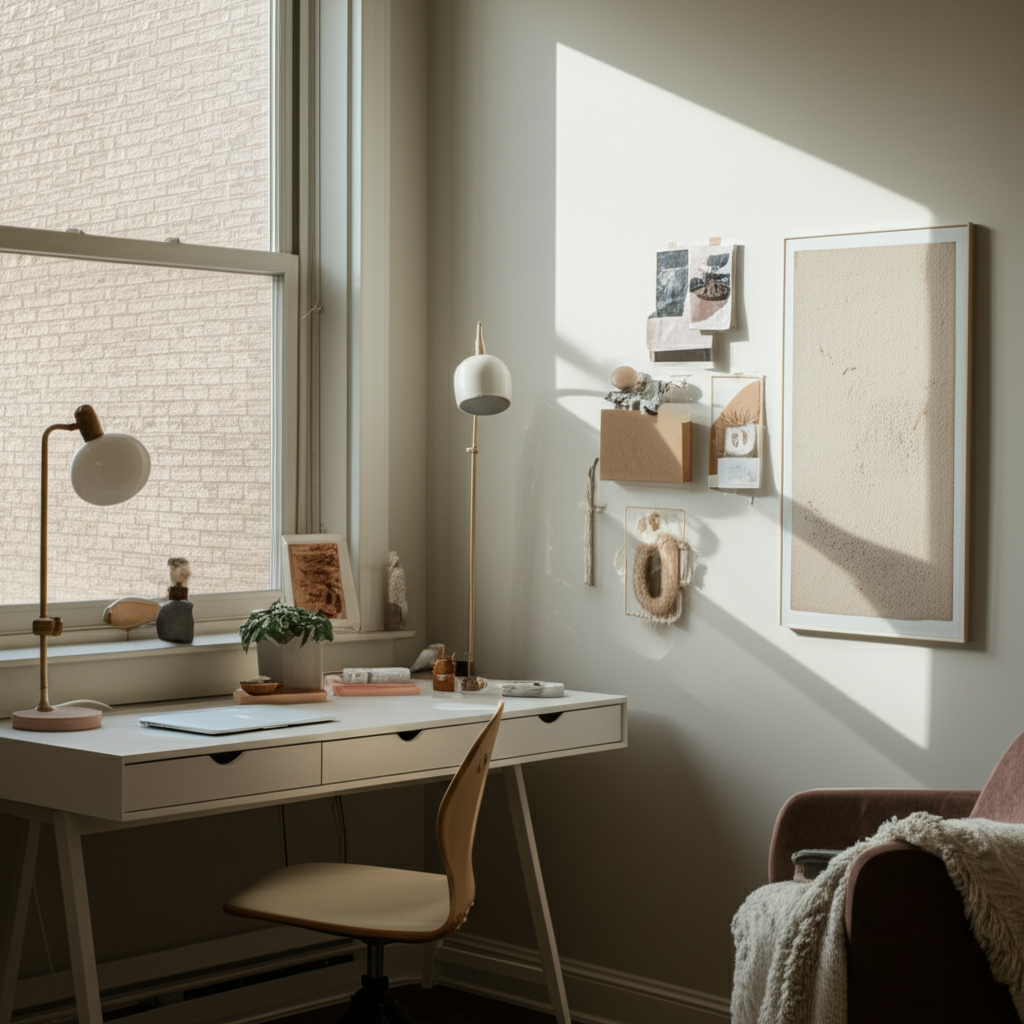
The beauty of creating an aesthetic room is that there are so many styles to choose from! Here are a few popular ones to get your creative juices flowing:
| Aesthetic Style | Key Characteristics | Color Palette Examples | Key Decor Elements |
|---|---|---|---|
| Minimalist | Clean lines, uncluttered, functional, simple forms. Focus on quality over quantity. | White, black, gray, beige, natural wood tones. | Geometric shapes, simple furniture, minimal decorative objects. |
| Bohemian (Boho) | Eclectic, free-spirited, layered textures, natural elements, vibrant patterns. | Earthy tones (browns, greens, rust), pops of jewel tones (deep blues, purples, reds). | Rattan, macrame, plants, patterned rugs, vintage finds, eclectic art. |
| Scandinavian (Scandi) | Bright, airy, functional, cozy (hygge), natural materials, light wood. | White, light grays, pale blues, natural wood. | Simple furniture, cozy textiles (wool, sheepskin), plants, minimalist art. |
| Modern Farmhouse | Comfortable, rustic charm meets modern clean lines, natural materials. | Neutrals (white, gray, beige), black accents, wood tones. | Shiplap accents, exposed wood beams (or faux), vintage-inspired decor, comfortable seating. |
| Japandi | A blend of Japanese minimalism and Scandinavian functionality. Calm, serene, natural. | Neutrals, muted earth tones, black, natural wood. | Clean lines, natural materials (wood, bamboo), low-profile furniture, uncluttered spaces. |
Remember, you can also mix elements from different styles to create something unique!
Frequently Asked Questions (FAQ)
Q1: I have a very small room. How can I make it feel aesthetic without it looking cluttered?
Focus on smart storage solutions like wall-mounted shelves and under-bed drawers. Use a light and neutral color palette to make the space feel bigger. Choose multi-functional furniture and keep decorative items minimal but impactful. Mirrors are also great for small spaces!
Q2: What’s the easiest way to add color to my room?
Start with accessories! Think throw pillows, blankets, rugs, artwork, or even a new lampshade. These are easier and more affordable to change than repainting walls, and they allow you to experiment with different color combinations.
Q3: Do I need expensive decor to make my room aesthetic?
Absolutely not! Many aesthetic rooms are created with budget-friendly finds from thrift stores, DIY projects, or by creatively styling everyday items. Focus on intentional choices, a cohesive theme, and personal touches rather than the price tag.
Q4: How often should I change my room’s decor to keep it aesthetic?
Aesthetic doesn’t mean constantly changing things. It’s about creating a look you love and maintaining it. You can refresh elements seasonally with new textiles or a few small decor items, but the core aesthetic can remain consistent for a long time.
Q5: What if I don’t know my personal style?
That’s perfectly okay! Start by gathering inspiration. Save images you like on Pinterest or your phone. Look for common themes in colors, textures, or moods. Don’t be afraid to experiment – your style will evolve as you decorate.
Q6: Is it important to match all my furniture?
Not at all! A truly aesthetic room often mixes and matches furniture for a more curated and less “showroom” look. Focus on complementary colors, materials, and styles rather than exact matches. For example, pairing a wooden dresser with a metal-framed bed can look very stylish.
Conclusion
Creating an aesthetic room is a journey, not a destination. It’s about making your space a reflection of who you are and a place that brings you joy and comfort. By focusing on decluttering, a thoughtful color palette, strategic lighting, cozy textures, and personal touches, you’re well on your way.
Remember, there’s no single “right” way to make a room aesthetic. The most important thing is that it feels right for you. Don’t be afraid to experiment, have fun with the process, and let your creativity guide you. Your beautiful, personalized sanctuary awaits!