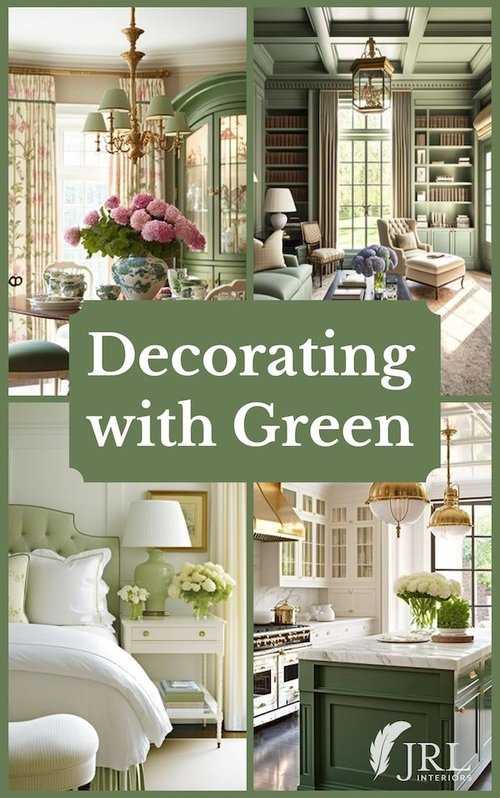
Looking to create a green-inspired space that feels refreshing and vibrant? Start with a simple color palette hack: pair your greens with neutral tones like beige, cream, or soft gray for balance. This not only allows the green to pop but also creates a soothing environment. Incorporate different shades of green, from deep forest to soft mint, to add depth and interest. Accent with natural materials such as wood and rattan to enhance the organic feel. Don’t shy away from incorporating plants as they bring life and texture into your space. With these easy tips, you can transform any room into a serene oasis that celebrates the beauty of nature.

Easy Color Palette Hacks for a Perfect Green-Inspired Space
Creating a space inspired by nature can be both fun and rewarding. Green color palettes can bring serenity and freshness into your home. Let’s dive into some easy color palette hacks that will help you craft the perfect green-inspired space.
Understanding Color Theory
Before diving into specific hacks, it’s essential to grasp some basics of color theory. Colors can evoke emotions and set the mood in any room.
– **Primary Colors**: These are blue, red, and yellow. They cannot be created by mixing other colors.
– **Secondary Colors**: These are green, orange, and purple. They are made by mixing primary colors.
– **Tertiary Colors**: These are combinations of primary and secondary colors.
Green is a secondary color, derived from mixing blue and yellow. Understanding how colors work together will help you choose the right shades for your space.
Choosing the Right Shades of Green
There’s a vast variety of greens to choose from, each offering a different vibe.
– **Soft Mint Green**: This shade is calming and great for bedrooms.
– **Olive Green**: This earthy tone adds depth and warmth, perfect for living rooms.
– **Emerald Green**: Bold and luxurious, emerald can make a statement in any space.
Selecting the right shade can significantly change the feel of your room.
Using Color Comparisons
When choosing greens, compare different hues. This will help you see how they look with your furniture and decor.
– **Sample Paint Swatches**: Purchase small paint samples and test them on your walls.
– **Digital Tools**: Utilize online color pickers to visualize different shades in your space.
This step is crucial for ensuring that your green choice harmonizes with other elements in the room.
Combining Green with Neutrals
Neutrals serve as the perfect backdrop for any color, including green. Pairing greens with neutral colors can create a balanced environment.
– **White**: A crisp white can make green pop and keep the space bright.
– **Beige and Taupe**: These warm neutrals complement olive and moss greens beautifully.
– **Gray**: For a modern touch, combine green with soft or dark gray tones.
Using neutrals can help to highlight your green elements without overwhelming the space.
Accent Pieces
Incorporating green through accent pieces is an easy way to add color without a full commitment.
- Pillows: Use green throw pillows on your couch.
- Rugs: A green area rug can anchor the room.
- Artworks: Green-themed art can add character.
These items can easily be changed if you wish to switch up the color palette later on.
Creating Contrast
Consider how to create contrast with green to add interest to your space.
– **Dark vs. Light**: Pair darker greens with lighter shades for depth.
– **Textured Fabrics**: Use different textures like velvet and linen to create contrast between shades.
Adding contrast can make your green palette more dynamic and engaging.
Incorporating Natural Elements
Bringing in natural elements can enhance your green theme.
– **Indoor Plants**: Add various plants to introduce different shades of green.
– **Wood Accents**: Use wooden furniture to create warmth alongside green walls.
These elements not only complement the color but also create a lively atmosphere.
Pairing Green with Other Colors
Green can be beautifully combined with other colors for a vibrant palette.
– **Blue**: For a calming effect, combine various shades of blue with green.
– **Yellow**: Bright and cheerful, yellow can energize a green space.
– **Brown**: Earthy brown tones pair well for a grounded feel.
Exploring different color combinations can help you find the perfect palette for your space.
Color Balance
Maintaining balance is essential in any color palette. When working with green, ensure that it doesn’t overwhelm the room.
– **Rule of Three**: Use three colors in varying proportions. For example, one dominant green, one neutral, and one accent color.
– **Visual Weight**: Be mindful of how heavy each color feels. Darker colors will appear heavier, while lighter colors feel airy.
Keeping a good balance will ensure your space feels cohesive and inviting.
Seasonal Changes
Consider how your green-inspired space can adapt to different seasons.
– **Spring and Summer**: Emphasize lighter and brighter greens to create a fresh atmosphere.
– **Fall and Winter**: Richer, deeper greens can offer a cozy feel.
You can easily switch out decor items to match the seasons, ensuring your space always feels appropriate and welcoming.
Creating a Focal Point
Introduce a focal point in your green space to draw the eye.
– **Feature Wall**: Paint one wall in a bold green to stand out.
– **Bold Furniture**: Use a green couch or chair as a centerpiece.
A well-placed focal point can enhance the overall design and create visual interest.
Green in Different Rooms
Green can be used in various rooms, always bringing a different feel.
– **Living Room**: Create a relaxing environment with soft greens and rich textures.
– **Bedroom**: Use pale greens for a calming sanctuary.
– **Kitchen**: Bright greens can create an energizing cooking environment.
Tailoring the shade of green to the room’s purpose will enhance its functionality.
Personal Touches
Personalizing your green space can make it feel uniquely yours.
– **Photos and Artwork**: Hang personal photos with greenery themes.
– **DIY Projects**: Create decor items using green paint or fabric.
Incorporating personal touches can make your space feel more inviting and reflective of your style.
Final Touches
Once you have your palette and decor in place, consider the final touches to tie the room together.
– **Lighting**: Use warm lighting to enhance green tones.
– **Textiles**: Incorporate green in curtains or bed linens.
These small adjustments can significantly impact the overall feel of your green-inspired space.
In conclusion, designing a green-inspired space comes down to understanding color theory, choosing the right shades, and incorporating various elements that complement each other. Emphasizing a good balance and adding personal touches can transform your space into a beautiful oasis of greenery, making it a perfect place for relaxation and rejuvenation. By following these easy color palette hacks, creating your dream green-inspired room can be an enjoyable and rewarding process.
You HAVE To Try this HACK On #ibispaintx
Frequently Asked Questions
What are some complementary colors to pair with green for a balanced look?
When designing a green-inspired space, consider using complementary colors such as soft beige, warm whites, or light grays. These hues soften the vibrancy of green, creating a serene and inviting atmosphere. Additionally, shades like muted pink or peach can add a hint of warmth and contrast that works beautifully with green without overwhelming the space.
How can I incorporate different shades of green effectively in my decor?
To effectively incorporate various shades of green, start with a dominant shade for larger areas, such as walls or furniture. Then, layer in lighter and darker shades through accessories like cushions, rugs, and artwork. This approach creates depth and visual interest while maintaining a cohesive look across the space. Mixing in textures, such as velvet or linen, can further enhance this effect.
What textures can enhance a green-inspired space?
In a green-inspired space, incorporating a mix of textures can significantly enhance the overall aesthetic. Consider using natural materials such as wood, stone, or rattan to complement your color palette. Soft textiles like cotton or wool for cushions and throws can add comfort, while shiny metallic accents or glass decor can bring a modern touch and reflect light, creating an airy feel.
How does lighting impact the appearance of green in a room?
Lighting plays a crucial role in how green appears in a space. Natural light can enhance the vibrancy of green, making it feel fresh and lively. In contrast, artificial lighting, such as warm-toned bulbs, can soften green tones, creating a cozier atmosphere. Experiment with different light levels and placements to see how they affect the shades of green in your room.
Can I use plants to complement a green color scheme?
Absolutely! Incorporating live plants into your decor not only complements a green color scheme but also adds life and texture to the space. Choose plants with varying leaf shapes and sizes for added visual interest. Additionally, using decorative pots in contrasting colors can help accentuate the greenery while remaining cohesive with your overall design.
Final Thoughts
Easy color palette hacks for a perfect green-inspired space can breathe life into your home. Start by combining various shades of green with neutral tones to create a balanced atmosphere. Use accent colors like deep blues or soft yellows to add depth and interest.
Incorporate natural elements such as plants and wooden textures to enhance your green theme. Play with different materials and patterns to keep the space dynamic and inviting. With these simple strategies, anyone can achieve a harmonious and refreshing environment centered around green.