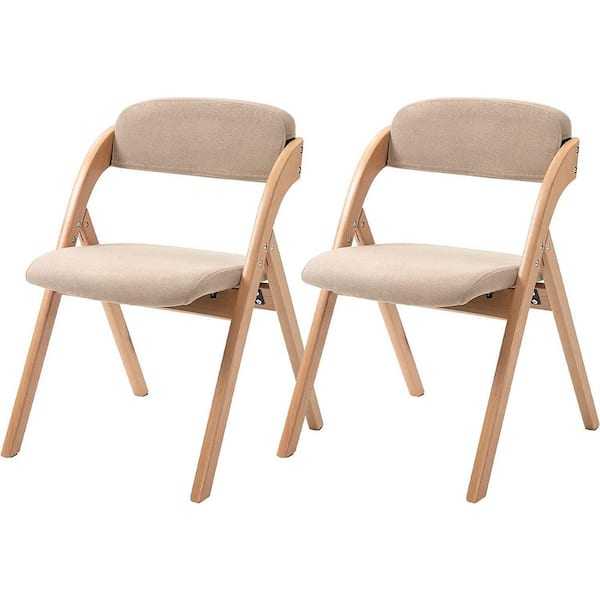
Foldable furniture and collapsible furniture are often used interchangeably, but they serve slightly different purposes. Foldable furniture typically involves pieces that can be folded in multiple ways for easy storage, while collapsible furniture usually folds into a more compact form, making it incredibly portable. Both types are perfect for maximizing space and convenience, but choosing the right one depends on your specific needs. Whether you’re looking for versatile home furniture or portable options for travel, understanding the differences helps you make smarter choices.
In summary, foldable furniture offers flexible configurations suited for various uses at home, while collapsible furniture emphasizes portability and quick storage. Your choice should depend on whether you prioritize multi-functionality or easy transport.
Living in small spaces or constantly on the go means optimizing every square inch is key. Foldable and collapsible furniture make this easier, but knowing which is best for your lifestyle can be confusing. Foldable furniture is ideal if you want versatile, multi-purpose pieces that adapt to different needs in your home. Collapsible furniture, on the other hand, shines when portability and quick setup are your top priorities, such as for camping, events, or tiny apartments. Both options are designed to save space and offer convenience, but the right choice depends on whether flexibility or mobility is more important to you. Understanding their differences helps you select furniture that perfectly suits your lifestyle, making your space more functional and adaptable.

Foldable furniture vs collapsible furniture: What’s the difference and which one suits your needs?
Understanding the basics of foldable and collapsible furniture
At first glance, foldable and collapsible furniture might seem very similar because both types can be put away easily. However, each serves different purposes and is designed with specific features in mind. Understanding these differences can help you choose the right furniture for your space.
Foldable furniture generally features hinges or joints that allow parts to fold flat or into a smaller shape. Collapsible furniture, on the other hand, often relies on a frame or structure that folds or collapses into a compact form, sometimes through a different mechanism.
Design and structure of foldable furniture
Foldable furniture is designed with multiple hinges or joints connected between parts. This allows items like tables, chairs, and beds to be folded in a way that makes them easy to carry or store. Many foldable pieces are lightweight and portable, ideal for small spaces or travel.
Look for features such as fold-out legs or hinges in chairs and desks that enable quick folding. These designs often include locking mechanisms to keep the furniture stable when in use.
Design and structure of collapsible furniture
Collapsible furniture often features a frame that can be collapsed or folded, making it particularly compact. Examples include fold-down beds, collapsible storage units, and stacking chairs. These pieces typically use a lighter framework or a pivot system that enables quick collapse.
The main goal of collapsible design is to maximize space savings, especially in dynamic environments like camping sites or multi-purpose rooms. They tend to be sturdier once set up but require careful folding to avoid damage.
The main differences between foldable and collapsible furniture
The key distinction lies in how the furniture folds and the purpose it serves. Foldable furniture generally emphasizes ease of use and portability with parts that fold flat and are lightweight. Collapsible furniture focuses more on compact storage and often involves more complex mechanisms to reduce size.
In terms of stability, foldable furniture tends to be designed for regular use and stability, while collapsible furniture is optimized for quick setup and space efficiency.
Materials used in foldable and collapsible furniture
Common materials in foldable furniture
- Lightweight metals like aluminum
- Durable plastics or composites
- Wood or laminated surfaces for aesthetic appeal
Materials typical of collapsible furniture
- Steel or metal frames for strength
- Fabric or mesh for seating or storage parts
- Plastic components for joints and hinges
The choice of materials affects the furniture’s weight, durability, and cost, making them suitable for different needs.
Advantages of foldable furniture
- Easy to transport, lightweight, and portable
- Quick setup and easy storage
- Ideal for small spaces, apartments, or outdoor use
- Usually more affordable due to simpler mechanisms
Foldable furniture is perfect for those needing flexibility and convenience in their daily lives or for travel purposes.
Advantages of collapsible furniture
- Maximizes space by folding into a compact size
- Designed for frequent folding and unfolding without damage
- Suitable for multi-purpose rooms or temporary setups
- Offers sturdy support in the expanded state
Collapsible furniture is especially useful in environments where space is at a premium or where furniture needs to be stored away regularly.
Limitations and challenges of each type
Limitations of foldable furniture
- May not provide as much stability as fixed furniture
- Can wear out hinges or joints over time
- May have limited weight capacity
Limitations of collapsible furniture
- Can be more complex to fold correctly
- Some designs may lack aesthetic appeal
- Potentially heavier due to frame construction
Choosing between them depends on your priority for durability, ease of use, and space savings.
Popular use cases for foldable furniture
- Camping trips, where lightweight and portable furniture is critical
- Small apartments or dorm rooms requiring flexible furniture options
- Outdoor events or picnics that need temporary seating and tables
Foldable furniture’s quick setup makes it highly versatile for daily life and outdoor activities.
Popular use cases for collapsible furniture
- Multi-purpose rooms that require furniture to be stored frequently
- Temporary accommodations in hotels or guesthouses
- Spaces that need to adapt quickly for different activities, like conferences or parties
Its space-efficient design and sturdy support make collapsible furniture a practical choice for temporary or adaptable environments.
Choosing the right furniture for your needs
Consider the space and usage patterns
If you need furniture that can be moved easily and used outdoors, foldable pieces are often best. For regular storage and space-saving solutions indoors, collapsible furniture offers advantages.
Evaluate durability and weight capacity
Consider how often you will fold or unfold the furniture and how much weight it needs to support. Heavy users should opt for designs with strong frames and reliable hinges.
Price and aesthetic preferences
While foldable furniture tends to be more affordable and stylish, collapsible pieces may dominate in rugged or industrial aesthetics. Match your style with your functional needs and budget.
Additional features to look for
- Locking mechanisms to ensure stability
- Adjustable or multi-functional designs
- Weather-resistant or outdoor-suitable materials
- Ergonomic features for comfort
Prioritizing these features can enhance your experience and ensure your furniture lasts longer.
Summary table: Foldable furniture vs collapsible furniture
| Feature | Foldable Furniture | Collapsible Furniture |
|---|---|---|
| Design | Hinged parts fold flat | Frame folds or collapses |
| Weight | Usually lightweight | Can be heavier due to frame |
| Ease of Use | Quick to fold and unfold | Requires correct folding procedure |
| Durability | May wear at hinges over time | Designed for repeated folding |
| Ideal For | Travel, outdoor, small spaces | Storage, multi-purpose rooms, temporary setups |
Both foldable and collapsible furniture offer unique advantages suited to different needs. For those prioritizing portability and ease of use, foldable furniture provides convenience and affordability. Collapsible furniture excels in saving space and delivering stability in multi-use environments. Carefully consider your space, lifestyle, and budget to choose the right option for your situation.
Smart Home Furniture | Space saving furniture | 2 in 1 ONE FOLD SOFA BED
Frequently Asked Questions
How do the mechanisms of foldable and collapsible furniture differ?
Foldable furniture typically uses hinges that allow panels or sections to fold flat against each other, making it easy to unfold and use. Collapsible furniture often relies on a frame or structure that collapses inward or outward, usually involving sliding or folding joints that enable quick storage. The key difference is that foldable pieces are designed primarily to fold in a way that preserves the shape when unfolded, while collapsible items are engineered for compact storage by collapsing their entire structure.
Which type offers greater stability when in use, foldable versus collapsible furniture?
Generally, foldable furniture tends to be more stable because its design emphasizes maintaining shape and support during use. Collapsible furniture, however, can sometimes feel less stable due to the mechanisms required for folding, especially if the joints or frames aren’t properly secured. When selecting furniture, consider the intended use and ensure that whichever type you choose provides adequate stability for safety and comfort.
Are foldable and collapsible furniture suitable for outdoor use?
Many foldable furniture pieces are made with weather-resistant materials, making them suitable for outdoor settings. Collapsible furniture can also be used outdoors if constructed from durable, rust-proof materials, but it often requires careful handling to prevent damage to the folding mechanisms. Always check the material specifications and intended environment before using either type outside to ensure longevity and performance.
How portable is each type for frequent transportation?
Both foldable and collapsible furniture are designed for portability, but foldable items often fold into a more compact form, making them slightly easier to carry or store. Collapsible furniture generally collapses rapidly, saving space, which makes it convenient for frequent transportation. Choosing between them depends on your specific needs for size, weight, and ease of assembly during travel.
Can one type be more cost-effective over time than the other?
Cost-effectiveness depends on factors like durability, intended use, and maintenance. Foldable furniture, with its straightforward design, often costs less upfront and may require less maintenance. Collapsible furniture might be more affordable initially but could incur higher costs if mechanisms wear out or require repairs over time. Evaluating quality and long-term durability helps determine which option offers better value in the long run.
Final Thoughts
Foldable furniture vs collapsible furniture both offer practical solutions for space-saving needs. Foldable furniture typically features larger, more stable pieces suited for everyday use, while collapsible furniture emphasizes compactness and portability.
Choosing between them depends on your priorities: convenience, stability, or storage efficiency. Both types adapt well to small spaces, making them ideal for urban living or multi-purpose rooms.
In summary, understanding these options helps you select the best fit for your lifestyle and space requirements.