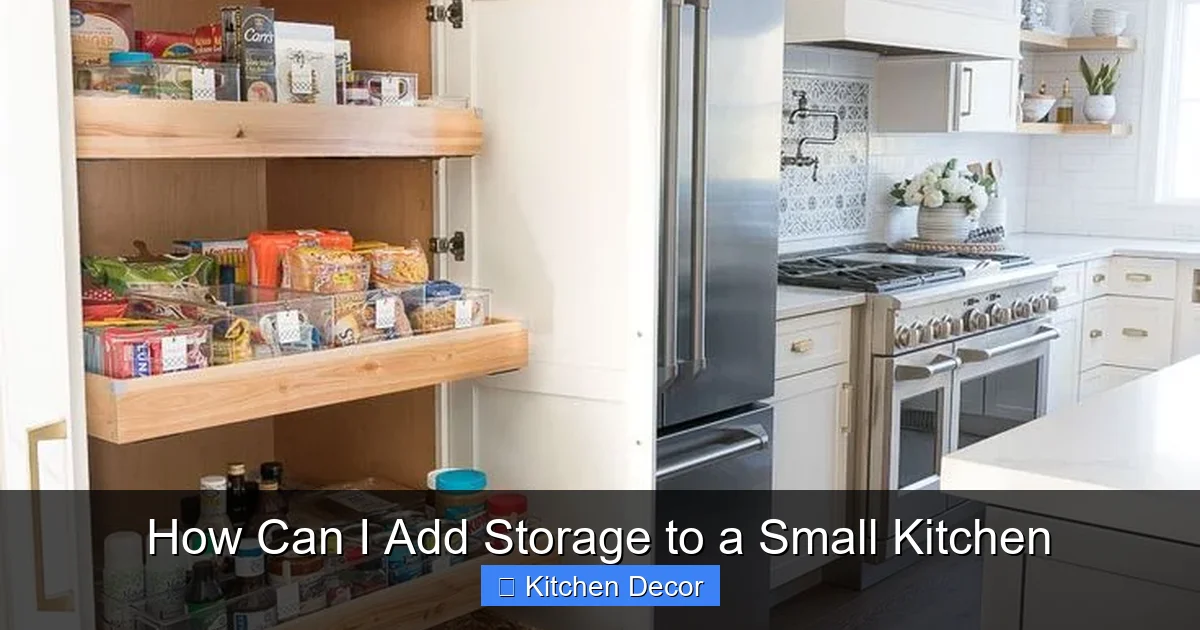
Transform your compact culinary space into an organizational powerhouse! Discover how to add storage to a small kitchen by maximizing vertical space, optimizing cabinet interiors, and embracing multi-functional items. Learn practical strategies to declutter, utilize every nook, and create an efficient, clutter-free environment that makes cooking a joy, not a chore. This guide provides actionable steps to unlock hidden potential and make your small kitchen feel much larger.
How Can I Add Storage to a Small Kitchen
If you’re reading this, chances are you’ve experienced the universal challenge of a small kitchen. It’s a space where every inch counts, and clutter can quickly turn a cooking haven into a cramped nightmare. The thought of trying to add storage to a small kitchen might seem daunting, almost like trying to fit an elephant into a shoebox. But don’t despair! Learning how to add storage to a small kitchen isn’t about magical expansion; it’s about smart design, clever organization, and unlocking the hidden potential of your existing space. With the right strategies, you can transform your compact culinary area into a highly functional and beautifully organized hub.
This comprehensive guide will walk you through practical, step-by-step instructions to maximize every nook and cranny. We’ll explore innovative solutions, from vertical stacking to multi-functional furniture, ensuring you discover practical ways to add storage to a small kitchen, making cooking and entertaining a joy, not a chore. Get ready to reclaim your countertops and find a home for everything!
Key Takeaways
- Declutter First: Before adding any new storage solutions, ruthlessly declutter your small kitchen to identify what you truly need to store.
- Maximize Vertical Space: Look up! Walls, cabinet interiors, and even above-door areas offer untapped potential to add storage to a small kitchen.
- Optimize Cabinet & Drawer Interiors: Utilize dividers, pull-outs, risers, and door-mounted organizers to make existing cabinetry incredibly efficient.
- Embrace Multi-functional Items: Choose furniture and tools that serve more than one purpose to save precious space and add storage to a small kitchen.
- Utilize Awkward Spaces: Don’t overlook slim gaps, corners, or toe-kicks; these often-ignored spots can become valuable storage zones.
- Think Beyond the Kitchen: Consider adjacent rooms for overflow items or smart appliance choices to free up kitchen space.
- Maintain Regular Organization: Ongoing effort ensures your new storage solutions remain effective, easy to use, and keep your kitchen clutter-free.
Step 1: Assess Your Current Space and Needs
Before you buy a single storage solution, the very first and most crucial step is to understand what you currently have and what you truly need. This foundational assessment will save you time, money, and frustration. It’s impossible to effectively add storage to a small kitchen if you don’t know what you’re storing.
Declutter Ruthlessly
This is often the hardest part, but it’s essential. Go through every single item in your kitchen. Ask yourself:
- Do I use this regularly? (At least once a month)
- Does this item bring me joy or serve a vital purpose?
- Do I have duplicates?
- Is it broken, chipped, or past its prime?
Be honest with yourself. Get rid of expired food, unused gadgets, and anything that doesn’t genuinely earn its spot. Donate, sell, or discard. Less stuff means you automatically add storage to a small kitchen simply by freeing up space.
Categorize Your Items
Once you’ve decluttered, group similar items together. All baking supplies in one pile, all cooking utensils in another, everyday dishes, special occasion serveware, cleaning supplies, food storage containers, etc. This helps you visualize the volume of each category and plan where they might best be stored.
Identify Underutilized Areas
Take a critical look at your kitchen. Where are the “dead zones”?
- Are there empty walls?
- Do cabinets have wasted space above short items?
- Are drawers a jumbled mess where only the top layer is visible?
- Are there awkward gaps next to appliances?
- Is the space above your refrigerator or under the sink a disaster zone?
These are your opportunities to truly add storage to a small kitchen. Make notes or even sketch a simple layout to highlight these areas.
Step 2: Maximize Vertical Space
When floor space is at a premium, the only way to go is up! Maximizing vertical space is arguably the most effective strategy when you want to add storage to a small kitchen. Look beyond eye-level; every inch from floor to ceiling is fair game.
Visual guide about How Can I Add Storage to a Small Kitchen
Image source: bhg.com
Install Wall-Mounted Shelving
Open shelving, floating shelves, or even simple wall shelves can instantly add storage to a small kitchen. They’re perfect for items you use frequently, decorative pieces, or your favorite cookbooks. Just be mindful not to overcrowd them, as too much on open shelves can make a small space feel even more cluttered.
- Practical Tip: Install shelves above windows or doors for extra space for less-used items.
- Practical Tip: Consider corner shelves to utilize awkward wall angles.
Utilize Wall Organizers (Magnetic Strips, Pegboards, Pot Racks)
Think beyond traditional shelves. Walls can be incredibly versatile:
- Magnetic Knife Strips: Free up drawer space by mounting your knives safely and visibly on the wall.
- Pegboards: A customizable solution for hanging pots, pans, utensils, and small tools. You can move hooks around as your needs change.
- Wall-Mounted Pot Racks: If you have high ceilings, a wall-mounted rack for pots and pans can free up significant cabinet space.
- Spice Racks: Mount slim spice racks on an empty wall or even inside a cabinet door.
Go Up with Cabinet Organizers
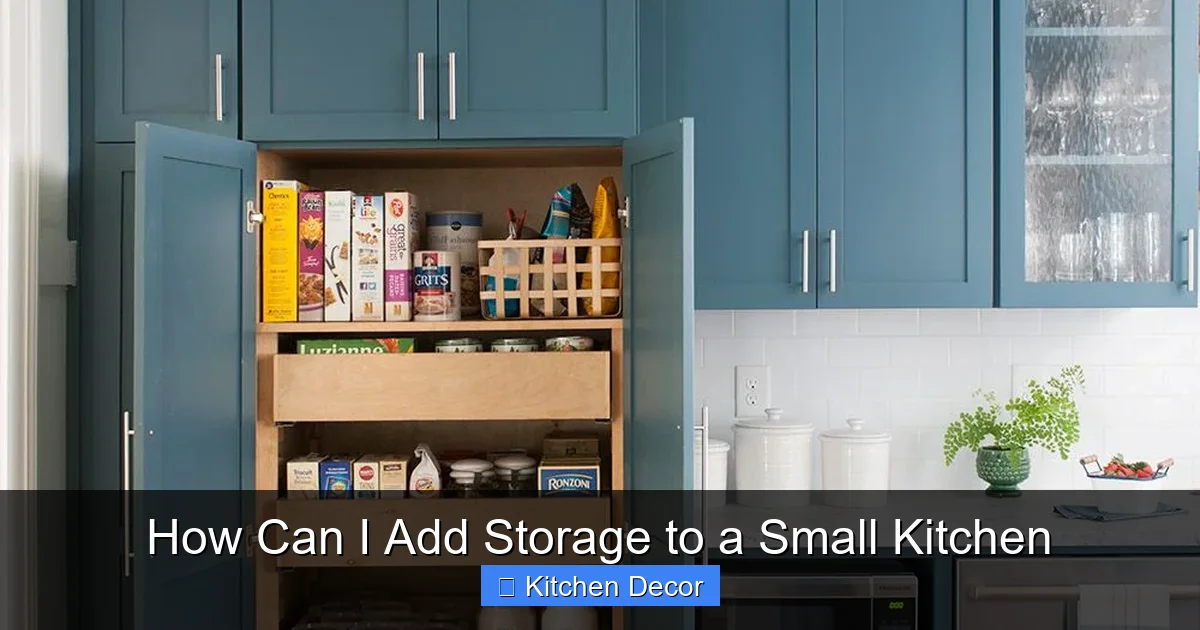
Even inside your cabinets, you can often add storage to a small kitchen by going vertical. Add risers or stackable shelves to create multiple layers within a single cabinet. This is perfect for plates, bowls, and mugs, preventing wasted space above shorter items.
- Example: A simple wire shelf insert can double the storage for plates in one cabinet.
Step 3: Optimize Cabinet and Drawer Interiors
Your existing cabinets and drawers are prime real estate, often underutilized. Smart internal organization can dramatically increase their capacity and efficiency, making it easier to find and access items. This is where clever gadgets really help you add storage to a small kitchen.
Visual guide about How Can I Add Storage to a Small Kitchen
Image source: i.pinimg.com
Implement Pull-Out Solutions
Deep cabinets, especially those under the counter, can be black holes where items get lost. Install pull-out drawers or sliding shelves to bring items to you, eliminating the need to rummage. This is especially useful for heavy pots and pans, cleaning supplies, or small appliances.
- Sub-step: Consider pull-out pantry organizers for narrow cabinets to store spices or canned goods.
Use Drawer Dividers and Organizers
Untamed drawers quickly become junk drawers. Invest in adjustable drawer dividers or custom-fit organizers for cutlery, utensils, and kitchen gadgets. This keeps everything in its place, making it easy to find what you need and preventing items from taking up more space than necessary.
- Practical Tip: Measure your drawers before buying dividers to ensure a snug fit.
Add Under-Shelf Baskets and Risers
These simple additions can create instant extra storage. Under-shelf baskets clip onto existing shelves, providing an extra cubby for wraps, foils, or lightweight snacks. Risers lift items, allowing you to stack without crushing, useful for plates, bowls, or even canned goods.
Install Door-Mounted Organizers
Don’t forget the inside of cabinet doors! These are perfect for slim items:
- Spice Racks: Keep frequently used spices within easy reach.
- Wrap Organizers: Hold aluminum foil, plastic wrap, and parchment paper rolls.
- Towel Bars: A small bar can hold dish towels or even spray bottles.
- Shallow Bins: Store small cleaning supplies or sponges.
This simple hack can significantly add storage to a small kitchen by utilizing previously overlooked space.
Step 4: Embrace Mobile and Multi-Functional Storage
In a small kitchen, static, single-purpose items are a luxury you often can’t afford. Embrace mobility and multi-functionality to truly add storage to a small kitchen without sacrificing valuable footprint. These pieces work harder for your space.
Visual guide about How Can I Add Storage to a Small Kitchen
Image source: i.ytimg.com
Invest in Kitchen Carts and Islands
A portable kitchen cart or a small island on wheels can be a game-changer. It provides extra counter space for prep work, additional storage shelves or drawers, and can be moved out of the way when not in use. Some even have drop-leaf extensions that fold down, offering maximum flexibility.
- Practical Tip: Look for carts with built-in shelves, drawers, or even a towel bar.
- Consideration: Choose a cart with lockable wheels for stability during use.
Choose Foldable or Nested Items
Many kitchen items now come in space-saving designs:
- Nested Bowls and Measuring Cups: They fit inside each other, taking up minimal cabinet space.
- Collapsible Strainers and Containers: Fold flat when not in use.
- Foldable Dining Tables or Countertops: If your kitchen doubles as an eating area, a table that folds against the wall can be a lifesaver.
These items inherently help you add storage to a small kitchen by reducing the space they occupy when not needed.
Utilize Ottomans and Benches with Storage
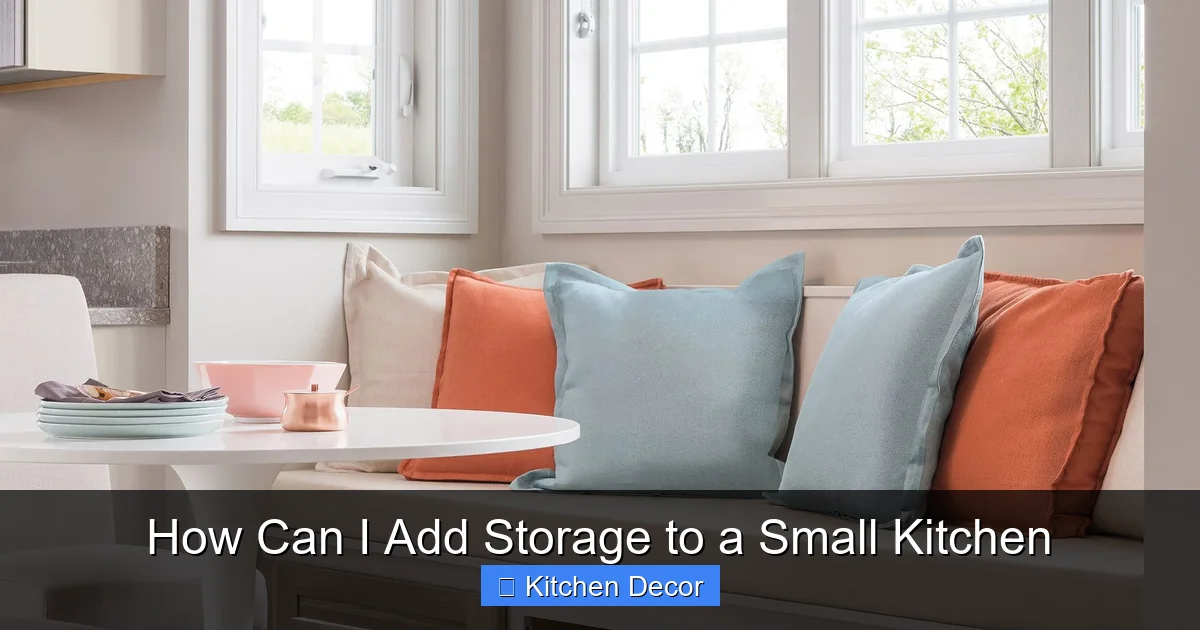
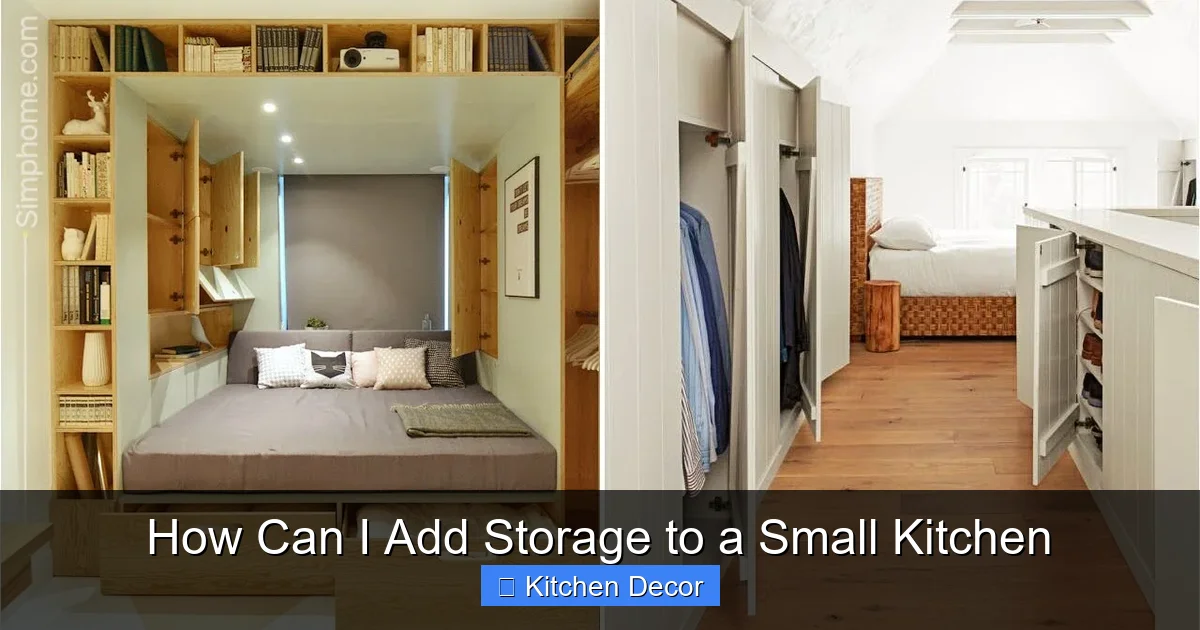
If your small kitchen extends into a dining nook or living area, consider seating options that double as storage. An ottoman with a removable lid can hide rarely used appliances, extra linens, or bulk pantry items. A bench with a hinged top can offer significant storage underneath.
Step 5: Leverage Awkward Nooks and Crannies
Every small kitchen has them: those strange, often-ignored spaces that seem too tiny or oddly shaped to be useful. But with a bit of creativity, these nooks and crannies can become storage goldmines, proving that you can always add storage to a small kitchen.
Slim Rolling Carts
Do you have a narrow gap between your refrigerator and the wall, or between cabinets? A slim rolling cart can slide right into these spaces, offering multiple tiers of storage for spices, canned goods, cleaning supplies, or even bottles of oil and vinegar. They are designed specifically to maximize these overlooked areas.
Over-the-Door Storage
Whether it’s the main kitchen door or a pantry door, an over-the-door organizer can be incredibly useful. These come in various styles, from wire baskets for food items to fabric pockets for smaller gadgets, providing vertical storage without needing to drill holes.
Corner Shelving
Corners are notorious for being underutilized. Install corner shelves, either floating or standing, to hold decorative items, cookbooks, or a few frequently used small appliances. A corner lazy Susan in a cabinet can also optimize access to items stored deep inside.
Toe-Kick Drawers
This is a custom solution, but an ingenious one. The toe-kick area beneath your lower cabinets (the recessed space at floor level) can often be converted into shallow drawers. These are perfect for storing cookie sheets, platters, or even pet food bowls that slide out of sight. It’s an innovative way to add storage to a small kitchen where you thought there was none.
Step 6: Smart Pantry and Food Storage
Food items, especially dry goods and pantry staples, take up a significant amount of space. Organizing them intelligently is a vital part of learning how to add storage to a small kitchen and keeping it functional.
Decant and Label
Remove items from bulky packaging. Cereal boxes, pasta bags, and flour sacks take up more space and create visual clutter. Transfer these items into clear, airtight containers. This not only looks tidier but also allows for more efficient stacking and prevents pests. Always label your containers with the item and expiration date.
Use Clear Containers
Clear containers aren’t just for dry goods. Use them in your refrigerator and freezer too. They help you see what you have, reducing food waste and making it easier to arrange items compactly. Uniform containers stack better than odd-shaped bags and boxes.
Implement Tiered Shelving
For canned goods, jars, and bottles, tiered shelving (risers) in your pantry or cabinets allows you to see everything at a glance. No more digging for that can of diced tomatoes hiding at the back!
Step 7: Beyond the Kitchen – Expanding Storage
While the focus is on how to add storage to a small kitchen itself, sometimes the best solution involves looking slightly beyond its immediate confines or making smarter choices about what comes into it.
Adjacent Room Solutions
Do you have a nearby closet, a corner in the dining room, or even a laundry area? Consider moving less-frequently used kitchen items there. This could include:
- Specialty Appliances: Waffle makers, slow cookers, stand mixers used only for holiday baking.
- Bulk Pantry Items: Extra paper towels, rarely used serving dishes, large bags of flour.
- Linens: Extra tablecloths or napkins.
Even a small bookshelf in a hallway can become a pantry overflow. This is a practical way to add storage to a small kitchen indirectly.
Smart Appliances
When it’s time to replace appliances, think small. Compact dishwashers, narrower refrigerators, or even combination microwave/convection ovens can free up valuable counter or cabinet space. Smaller appliances overall mean you have more room to add storage to a small kitchen for other items.
Practical Tips for Small Kitchen Storage Success
Beyond specific solutions, these overarching principles will help you maintain an organized and functional small kitchen:
- Think Multi-Purpose: Every item should ideally serve more than one function. A cutting board that fits over your sink for extra prep space, or a stool that doubles as a step stool and extra seating.
- Go Custom When Possible: While DIY solutions are great, sometimes custom-built shelves or cabinets, even small ones, can perfectly fit an awkward space, maximizing every millimeter.
- Maintain Organization Regularly: A small kitchen can get messy fast. Dedicate 5-10 minutes each week to tidying up, putting things back in their designated spots, and decluttering.
- Lighten the Visual Load: In a small space, visual clutter can be as bad as physical clutter. Use light colors, clear containers, and keep open shelves neat and minimal to make the space feel larger and airier.
- Use Hooks Everywhere: Command hooks, S-hooks, adhesive hooks – they are your best friends. Hang oven mitts, dish towels, frequently used utensils, mugs under cabinets, or even small pot holders on the side of a shelf.
Troubleshooting Common Small Kitchen Storage Challenges
Even with the best intentions, you might run into specific roadblocks when trying to add storage to a small kitchen. Here are solutions to some common issues:
Not Enough Counter Space
- Solution: Invest in a chopping board that fits over your sink or stovetop when not in use. A rolling kitchen cart can also provide temporary extra counter space. Consider a pull-out cutting board built into a cabinet.
Deep, Dark Cabinets
- Solution: Install pull-out drawers or lazy Susans. Use clear bins or baskets to group items, making it easier to pull out a whole group of items rather than fumbling for one. Small battery-operated LED puck lights can also illuminate dark corners.
Awkwardly Shaped Items
- Solution: For tall or odd-shaped items (like cutting boards, platters, or baking sheets), use vertical dividers in a cabinet or a dedicated slot above your refrigerator. A magazine file holder can also repurpose into storage for foils and wraps.
Conclusion
Learning how to add storage to a small kitchen is an empowering journey that transforms frustration into functionality. By systematically decluttering, leveraging vertical space, optimizing cabinet interiors, and embracing multi-functional solutions, you can dramatically increase your kitchen’s capacity without undertaking a major renovation. Remember, every small kitchen has untapped potential just waiting to be discovered.
Start small, implement a few solutions, and build from there. You’ll be amazed at how much more organized, efficient, and enjoyable your compact kitchen can become. Embrace these strategies, and you’ll not only add storage to a small kitchen but also create a space that genuinely works for you, making cooking and everyday life a breeze.