Transform your gloomy cooking space into a vibrant hub! Learning how to brighten a dark kitchen involves a multi-faceted approach, focusing on maximizing both natural and artificial light. By strategically using light colors, reflective materials, and clever design choices, you can create an inviting and airy atmosphere. Decluttering and smart lighting are key to making your kitchen feel larger and more illuminated, ensuring your kitchen becomes a truly delightful place.
How Can I Brighten a Dark Kitchen
A dark kitchen can feel unwelcoming. It can feel small and even make cooking a chore. If your kitchen suffers from a lack of natural light, or simply feels gloomy, you’re not alone. Many homes, especially older ones or those with limited windows, face this common design challenge. But don’t despair! You don’t need a major renovation to dramatically improve your space. This comprehensive guide will walk you through practical, step-by-step strategies on how to brighten a dark kitchen. We will transform it into a cheerful, inviting heart of your home. We’ll explore everything from smart lighting solutions and color palettes to reflective materials and decluttering tricks. Get ready to illuminate your cooking haven!
Making a dark kitchen brighter is about more than just adding light bulbs. It’s about creating an illusion. It involves maximizing every bit of available light. It also means choosing elements that reflect and enhance light. By following these steps, you can turn your dim kitchen into a vibrant, airy space you’ll love spending time in. Let’s learn how to brighten a dark kitchen effectively.
Key Takeaways
- Maximize Natural Light: Clean windows, use sheer window treatments, and clear outdoor obstructions to let more sunshine in.
- Optimize Artificial Lighting: Implement a layered lighting scheme with ambient, task, and accent lights, including under-cabinet and pendant fixtures.
- Embrace Light Colors and Reflective Surfaces: Paint walls, ceilings, and cabinets in light hues. Choose glossy backsplashes, light countertops, and incorporate mirrors or metallic accents to bounce light around.
- Declutter and Organize Smartly: Clear countertops, utilize open shelving, and use glass-front cabinets to reduce visual clutter and create a more open, airy feel.
- Add Strategic Decor and Greenery: Introduce bright pops of color with accessories, incorporate lush greenery, and use clear glass items to add life and visual interest without absorbing light.
- Consider Bulb Color Temperature: Opt for cooler, brighter LED bulbs (around 4000K-5000K) to mimic natural daylight and effectively brighten a dark kitchen.
Step 1: Harnessing the Power of Natural Light
Natural light is your best friend when you want to brighten a dark kitchen. Every bit of sunlight counts. Maximizing it is often the first and most impactful step you can take.
Clean Your Windows Regularly
This might seem too simple, but it makes a huge difference. Dirty windows block a surprising amount of light. Dust, grime, and streaks can dull even the sunniest day. Make it a routine to clean both the inside and outside of your kitchen windows. Use a good glass cleaner and a microfiber cloth for streak-free results. You will instantly notice more light entering the room.
Choose Light Window Treatments
Heavy drapes or dark blinds will swallow natural light. Swap them out for lighter options. Think sheer curtains or light-colored roller blinds. These still offer privacy but allow daylight to filter through. If privacy isn’t a major concern, consider removing window treatments entirely during the day. This simple change can dramatically brighten a dark kitchen. Lighter fabrics also give an airy feel.
Clear Obstructions Near Windows
Take a look outside your kitchen window. Are there overgrown bushes, trees, or even large patio furniture blocking the light? Trim back any foliage that is blocking your windows. Move any large objects that cast shadows. The goal is to create a clear path for sunlight to pour into your kitchen. This is a free and effective way to let more light in.
Consider Strategic Landscaping
If you have the option, prune trees and shrubs that overshadow your kitchen windows. Aim for landscaping that complements your home without creating dense shade. If you plant new trees, choose varieties that don’t grow too large near windows. This long-term strategy can continually help to brighten a dark kitchen space.
Step 2: Illuminating with Smart Artificial Lighting
Even with abundant natural light, a kitchen needs excellent artificial lighting. For a dark kitchen, this is absolutely crucial. The key is to use a layered approach. This means combining different types of light sources. Each type serves a specific purpose. This will ensure every corner feels bright and functional.
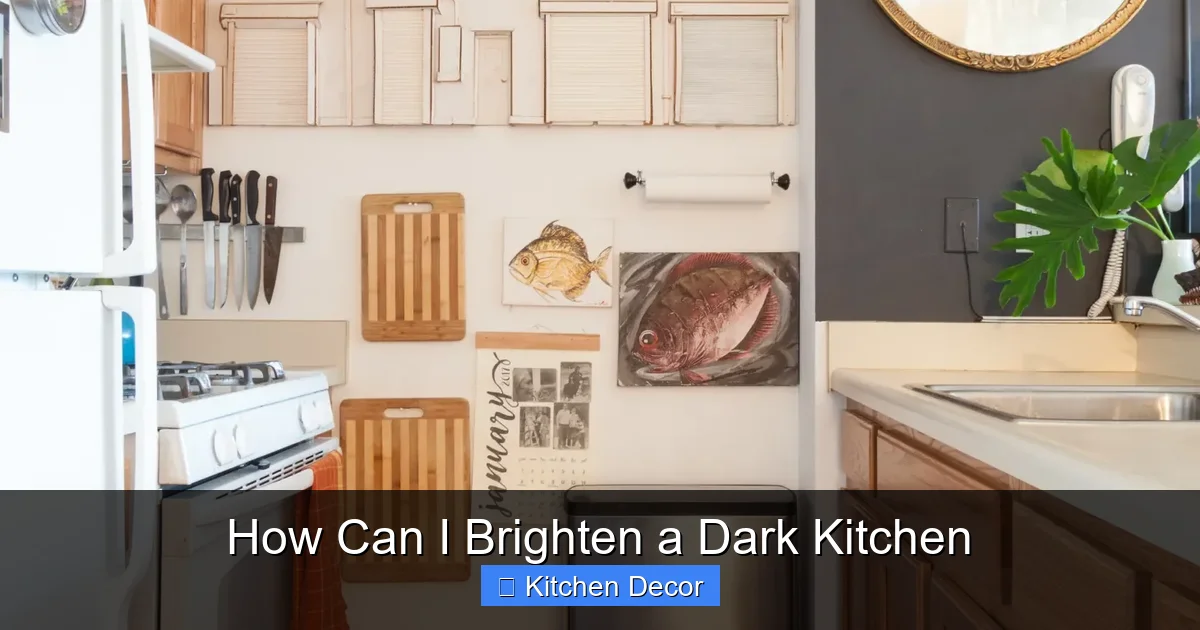
Visual guide about How Can I Brighten a Dark Kitchen
Image source: cdn.apartmenttherapy.info
Layer Your Lighting
Good lighting design uses three layers:
- Ambient Lighting: This is your general overhead light. It illuminates the entire room. Think recessed lights, flush-mount fixtures, or a central ceiling light.
- Task Lighting: This focuses light where you work. It is essential for prep areas, the sink, and the stove. Under-cabinet lights are a prime example.
- Accent Lighting: This highlights specific features. It adds mood and depth. Examples include small spotlights on artwork or inside glass cabinets.
By layering these lights, you can adjust the brightness for any activity. You can make sure your kitchen is never dim. This approach is fundamental to effectively brighten a dark kitchen.
Under-Cabinet Lighting: Your Kitchen’s Secret Weapon
This is arguably the most impactful lighting addition for a dark kitchen. Under-cabinet lights illuminate your countertops directly. They eliminate shadows cast by overhead fixtures. This makes food prep safer and more enjoyable. They also add a wonderful glow to your backsplash. You can find LED strips or puck lights that are easy to install. They are energy-efficient too. They make a huge difference in how bright and inviting your kitchen feels.
Pendant Lights and Chandeliers
Pendant lights are great for islands, peninsulas, or over the sink. They provide focused task lighting. They also add a decorative touch. Choose pendants with clear or translucent shades. These will diffuse light more effectively. A small, elegant chandelier can also serve as a central ambient light. It will add sparkle and brightness. Look for fixtures that direct light downwards and outwards. They will maximize their brightening effect.
Recessed Lighting for General Brightness
Recessed lights are flush with the ceiling. They offer clean, unobtrusive ambient lighting. Install them strategically throughout the kitchen. Make sure there are no dark spots. They are perfect for providing overall brightness without visual clutter. Use dimmable options for flexibility. This allows you to adjust the mood and intensity. Recessed lighting is a staple when you want to uniformly brighten a dark kitchen.
Wall Sconces and Strip Lights
If you have empty wall space, sconces can add extra ambient light. They also provide decorative flair. Strip lights, like LED tape lights, can be used in creative ways. They can illuminate toe kicks, inside pantries, or along upper cabinet tops. These hidden light sources add depth and a soft glow. They make the kitchen feel larger and more open.
Choose the Right Light Bulbs
The color temperature of your light bulbs matters. It affects how bright and warm your kitchen feels. For a dark kitchen, aim for cooler light temperatures. Look for bulbs in the 3500K to 5000K range (Kelvin). These mimic natural daylight. They will make your kitchen feel crisper and brighter. Warmer bulbs (2700K-3000K) create a cozy, yellow glow. This is often too dim for a dark space. LED bulbs are energy-efficient and long-lasting. They are an excellent choice for every fixture.
Step 3: The Magic of Light Colors and Reflective Surfaces
Color is incredibly powerful. It can absorb light or reflect it. For a dark kitchen, choose a palette that reflects as much light as possible. Combine this with surfaces that bounce light around the room.

Visual guide about How Can I Brighten a Dark Kitchen
Image source: amendhome.com
Paint Walls and Ceiling Light Colors
This is one of the most transformative changes you can make. Opt for white, off-white, light gray, pale blue, or soft pastel colors. These colors reflect light, making the room feel larger and brighter. A fresh coat of white paint on the ceiling is especially important. It acts like a giant reflector. It prevents the “cave” effect. Even a very subtle shift from a dark color to a light one can dramatically brighten a dark kitchen.
Brighten Your Cabinets
Kitchen cabinets take up a lot of visual space. Dark cabinets can absorb a tremendous amount of light. If possible, paint them a lighter color. White, cream, or light gray are popular and effective choices. If painting isn’t an option, consider adding light-colored hardware. This can create a visual break and add a touch of brightness. Refacing with lighter cabinet doors is another option for a bigger impact.
Select Light Countertops
Dark countertops, like dark cabinets, absorb light. Choose light-colored materials. White quartz, light granite, or even butcher block can make a big difference. These surfaces reflect light from your overhead and under-cabinet fixtures. This contributes to an overall brighter feel. Glossy finishes on countertops will enhance this effect even more. They will literally bounce light around.
Opt for Reflective Backsplashes
The backsplash area is a prime spot for adding reflective surfaces. Subway tiles with a glossy finish are a classic choice. They reflect light beautifully. Glass tiles, mirrored tiles, or even polished marble can also work wonders. Choose light colors for the tiles themselves. They will amplify the light-bouncing effect. A reflective backsplash is a great way to visually expand and brighten a dark kitchen.
Flooring Choices That Reflect Light
While often overlooked, your flooring choice impacts brightness. Light-colored flooring reflects light upward. This contributes to the overall luminosity of the room. Think light wood, pale ceramic tiles, or even polished concrete. Avoid very dark or matte finishes if your primary goal is to brighten a dark kitchen. If replacing flooring isn’t an option, a large, light-colored rug can help.
Incorporate Mirrors and Metallic Accents
Mirrors aren’t just for bathrooms! A well-placed mirror can reflect natural light from windows. It can also reflect artificial light from fixtures. This makes the room feel larger and brighter. Consider a decorative mirror on an empty wall. Or use mirrored cabinet doors. Stainless steel appliances also have a reflective quality. Use metallic finishes for hardware, light fixtures, or decorative items. Silver, chrome, or polished brass all help to bounce light.
Step 4: Declutter and Optimize Space
A cluttered kitchen, even with light colors, can still feel heavy and dark. Creating visual space and order is key to making your kitchen feel airy and bright.

Visual guide about How Can I Brighten a Dark Kitchen
Image source: thekitchenix.com
Clear Countertops
Too many appliances, gadgets, and decorative items on your countertops create visual noise. This can make the space feel smaller and darker. Store as many items as possible inside cabinets or drawers. Keep only essential, frequently used items out. A clear counter reflects more light. It also makes the kitchen feel more open and tidy. This simple act of decluttering goes a long way to brighten a dark kitchen.
Embrace Open Shelving (Wisely!)
Replacing some upper cabinets with open shelves can instantly lighten the look of your kitchen. It reduces the visual bulk of cabinetry. Display only attractive, light-colored dishes, glasses, or decorative items. Avoid cluttering open shelves. Too many items will defeat the purpose. Open shelves contribute to an airy, expansive feel. They allow light to travel further in the room.
Use Glass-Front Cabinets
If open shelving isn’t for you, consider glass-front upper cabinets. These provide the look of openness without fully exposing everything. They allow light to pass through. This makes the wall feel less imposing. Store light-colored items inside them for maximum brightening effect. They add a touch of elegance while contributing to the overall brightness.
Smart Storage Solutions
Invest in smart storage solutions. This helps keep your kitchen organized and clutter-free. Drawer organizers, pull-out pantry shelves, and wall-mounted spice racks all help. When everything has a place, it’s easier to maintain clear surfaces. An organized kitchen inherently feels more spacious and brighter.
Step 5: Strategic Decor and Greenery
Once you’ve tackled the big structural and lighting elements, small decorative touches can finalize your efforts to brighten a dark kitchen.
Add Pops of Bright Color
While light neutrals form the base, strategic pops of bright, cheerful colors can add energy. Think vibrant yellow dish towels, a bright blue fruit bowl, or a set of colorful placemats. These small bursts of color add personality. They prevent the room from feeling sterile. They also draw the eye, making the space feel dynamic and alive.
Introduce Greenery and Plants
Plants bring life and freshness into any room. Choose plants with light green leaves. Place them near windows or on shelves where they can thrive. A small herb garden on the windowsill or a hanging plant can add a natural element. This adds softness without absorbing too much light. Greenery is a wonderful way to naturally brighten a dark kitchen and make it feel more inviting.
Use Glassware and Translucent Elements
Instead of heavy ceramic mugs, display clear glass tumblers or elegant wine glasses. Glass doesn’t absorb light; it allows it to pass through. This makes the space feel lighter and more delicate. Think about clear glass vases, cutting boards, or serving dishes. These elements add shine and transparency.
Light-Colored Textiles
Kitchen textiles like dish towels, oven mitts, and rugs can also contribute. Choose light colors and simple patterns. A light-colored kitchen rug can brighten up a dark floor. It can also add softness and texture. Every little detail adds up when you are trying to brighten a dark kitchen.
Troubleshooting: Common Challenges and Quick Fixes
Sometimes, big changes aren’t possible. Here are some solutions for common roadblocks when trying to brighten a dark kitchen.
“I Can’t Paint My Cabinets!”
If painting your cabinets isn’t an option (e.g., they’re expensive wood, or you rent), focus on other areas. Add under-cabinet lighting. Replace dark hardware with light, metallic handles. Use a light-colored backsplash. Clear your countertops ruthlessly. Add light-colored accessories. These smaller changes still help immensely to brighten a dark kitchen.
“My Kitchen is Rented!”
Renting often means no painting and no major changes. Focus on temporary solutions:
- Add plenty of plug-in under-cabinet lights.
- Use brighter LED bulbs in existing fixtures.
- Install light-colored tension rod curtains.
- Bring in reflective elements like a large mirror.
- Use light-colored kitchen rugs and accessories.
- Declutter intensely.
You can still make a significant difference even in a rented space.
“I’m on a Tight Budget!”
Brightening a dark kitchen doesn’t have to break the bank.
- Paint: A gallon of light paint for walls and ceiling is relatively inexpensive and highly impactful.
- Lighting: LED strip lights for under cabinets are affordable and easy to install. Replacing old bulbs with brighter LEDs is also cheap.
- Declutter: This is free!
- Accessories: Look for light-colored accessories at discount stores.
- Window cleaning: Again, free!
Focus on the highest impact changes that fit your budget.
Conclusion
A dark kitchen can be a frustrating challenge. But it is one that can be overcome with smart planning and a few strategic updates. By maximizing natural light, optimizing artificial lighting, and embracing light colors and reflective surfaces, you can create a kitchen that feels spacious, airy, and inviting. Remember to declutter and add thoughtful decorative touches for the final flourish.
Every step, big or small, contributes to the overall brightness and feel of your space. Don’t be afraid to experiment and find what works best for your home and style. With these tips, you’re well-equipped to transform your gloomy cooking area into a bright, cheerful, and functional kitchen you’ll love. Go ahead and start your journey to effectively brighten a dark kitchen today!