
Organizing your kitchen without cabinets is entirely achievable with smart strategies focusing on vertical space and versatile furniture. By embracing open shelving, freestanding units, and creative storage solutions, you can create a functional and stylish kitchen. Learn practical steps to declutter, maximize every inch, and maintain an organized, beautiful space that truly works for you.
How Can I Organize My Kitchen Without Cabinets
Having a kitchen without traditional cabinets might seem like a daunting challenge. You might wonder, “How can I organize my kitchen without cabinets and still keep it functional and beautiful?” The good news is, it’s not only possible but can also lead to a wonderfully unique, airy, and highly efficient space! Without bulky upper and lower cabinets, you have the freedom to think creatively about storage, display, and flow. This comprehensive guide will walk you through practical, step-by-step strategies to transform your cabinet-free kitchen into an organized dream.
We’ll explore how to maximize every inch of your kitchen, from walls to open spaces, using a variety of clever storage solutions. You’ll learn how to declutter effectively, select the right freestanding furniture, and implement vertical storage tactics that truly work. Get ready to discover innovative ways to organize your kitchen without cabinets and create a space that perfectly suits your needs and style.
Key Takeaways
- Embrace Open Storage: Utilize walls for shelving, pegboards, and rail systems to keep everyday items accessible and visually appealing. This is a primary strategy to organize your kitchen without cabinets.
- Leverage Freestanding Furniture: Incorporate kitchen islands, rolling carts, buffets, or even bookcases to add valuable storage and counter space without permanent fixtures.
- Maximize Vertical Space: Go upwards! Use stackable containers, tiered organizers, and hanging solutions like pot racks to make the most of every inch from floor to ceiling.
- Invest in Smart Bins & Baskets: Contain clutter and define categories with attractive bins, baskets, and drawer organizers. These keep items tidy and reduce visual noise.
- Declutter and Curate Regularly: Maintain organization by consistently decluttering and only keeping items you frequently use and genuinely love. A less-is-more approach works wonders.
- Personalize Your Style: Since everything is visible, choose storage solutions that reflect your aesthetic. This turns necessity into a design opportunity to organize your kitchen without cabinets beautifully.
Step 1: Assess Your Space and Needs
Before you dive into buying new storage solutions, the very first step to successfully organize your kitchen without cabinets is to thoroughly understand your current situation. This involves a critical look at what you have, what you need, and the physical dimensions of your kitchen.
1.1 Declutter Ruthlessly
This is perhaps the most crucial part. Less stuff means less to organize. When you’re trying to organize your kitchen without cabinets, visible clutter can quickly make the space feel chaotic. Be honest with yourself about every item.
- The “One Year” Rule: If you haven’t used an item in the past year (or even six months for kitchen items), strongly consider getting rid of it. This applies to specialty gadgets, rarely used small appliances, and excess serveware.
- Duplicates: Do you have three spatulas but only ever use one? Keep your favorite and donate the rest.
- Broken or Damaged Items: Repair them or toss them. Don’t waste valuable space on things that don’t work.
- Expired Food: Check your pantry items, spices, and condiments for expiration dates.
- Donate or Sell: Items in good condition can find a new home. This is a great way to give back and clear your space.
1.2 Take Inventory of Essentials
Once you’ve decluttered, make a list of everything that remains. Categorize items by type (e.g., cooking utensils, plates, glasses, pots and pans, dry goods, cleaning supplies). This inventory will help you figure out how much storage space you actually need for each category to organize your kitchen without cabinets effectively.
1.3 Measure Your Kitchen Accurately
Get out your tape measure! Knowing your exact dimensions is key to choosing appropriate storage solutions. Measure:
- Wall Space: Note the width and height of available wall sections where shelves or wall-mounted storage could go.
- Floor Space: Understand the footprint available for freestanding units like islands or carts.
- Height: Measure from the floor to the ceiling to plan for vertical storage.
- Doorways and Windows: Mark these on a rough sketch so you don’t block them with new furniture.
Step 2: Embrace Open Shelving and Wall Storage
Since you don’t have cabinets, your walls are your best friends. Open shelving and various wall-mounted systems are stylish and highly practical ways to organize your kitchen without cabinets. They keep items accessible and can add a lot of character.

Visual guide about How Can I Organize My Kitchen Without Cabinets
Image source: kisaf.com
2.1 Install Floating Shelves
Floating shelves are a quintessential solution for kitchens without cabinets. They offer storage without visual bulk and come in countless styles and materials.
- Material Matters: Choose materials that complement your kitchen’s aesthetic. Wood, metal, glass, or reclaimed materials all have different looks.
- Placement: Install shelves above your counter space for everyday items like plates, bowls, and glasses. Consider narrower shelves for spices or small decorative items.
- What to Display: Curate what you put on open shelves. Group similar items, use attractive matching dinnerware, and intersperse with a few decorative pieces (plants, artwork). Remember, these items are always on display.
- Height Considerations: Place frequently used items on lower shelves for easy reach. Reserve higher shelves for less-used items or purely decorative pieces.
2.2 Utilize Wall-Mounted Rail Systems
Rail systems are incredibly versatile for hanging various kitchen tools and accessories.
- Hooks for Utensils: Hang spatulas, ladles, whisks, and other cooking utensils within arm’s reach of your stove or prep area. This frees up drawer space you might not have.
- Containers and Baskets: Some rail systems allow you to attach small containers or baskets, perfect for storing dish soap, sponges, or even small herb pots.
- Magnetic Strips: Install a magnetic knife strip near your cutting board. This keeps knives sharp, safe, and easily accessible, freeing up valuable counter space.
2.3 Implement Pegboards
Pegboards are an incredibly flexible and customizable wall storage solution, especially useful when you need to organize your kitchen without cabinets.
- Versatile Hooks: Pegboards can hold a variety of hooks, allowing you to hang pots, pans, cutting boards, and even small baskets for spices or other pantry items.
- Customizable Layout: You can rearrange hooks and shelves on a pegboard whenever your needs change, making it a dynamic storage solution.
- Zone Creation: Dedicate a section of pegboard near your cooking area for pots and pans, and another near your prep space for utensils.
Step 3: Utilize Freestanding Furniture
Without built-in cabinets, freestanding furniture becomes indispensable. These pieces add storage, counter space, and can even define different zones in your kitchen.
Visual guide about How Can I Organize My Kitchen Without Cabinets
Image source: thehomesihavemade.com
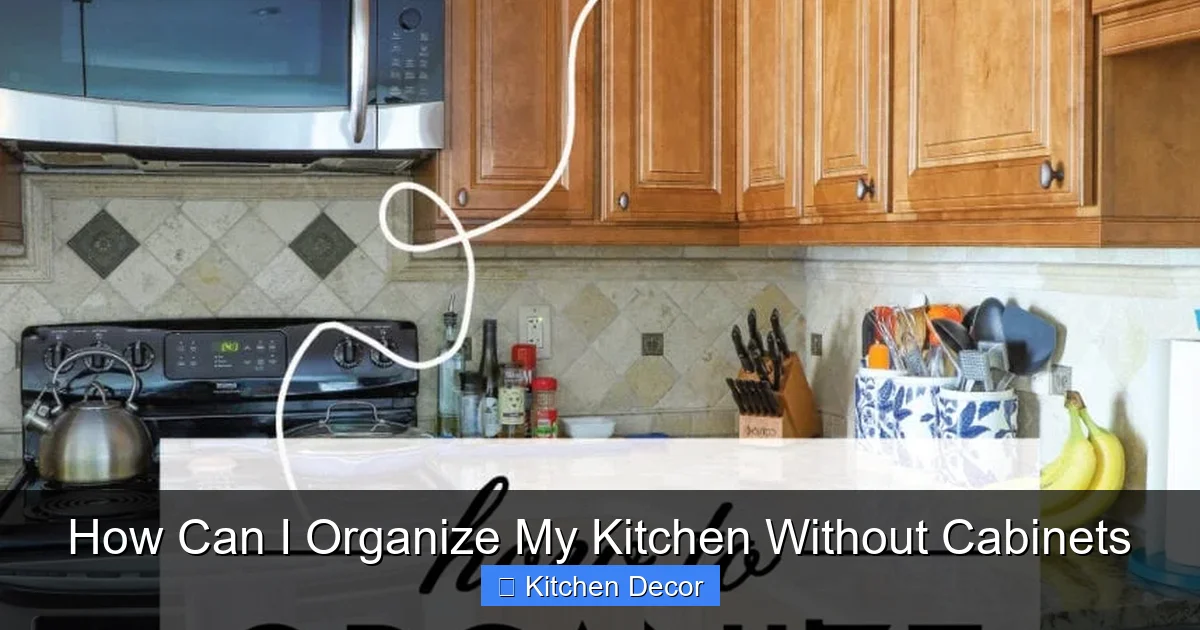
3.1 Invest in a Kitchen Island or Cart
A kitchen island or a rolling cart can be a game-changer when you’re trying to organize your kitchen without cabinets.
- Extra Counter Space: This is vital for food prep, especially in smaller kitchens.
- Built-in Storage: Many islands and carts come with shelves, drawers, or even small cabinets at the bottom. Use these for pots, pans, mixing bowls, or small appliances.
- Mobility: A rolling cart is perfect for small spaces, as you can move it around as needed or even roll it into another room when entertaining.
- Seating: Some islands offer an overhang for bar stools, providing an informal dining spot.
3.2 Incorporate Buffets or Sideboards
Don’t limit yourself to “kitchen” furniture. A beautiful buffet or sideboard from a dining room or living room can be perfectly repurposed.
- Hidden Storage: The drawers and enclosed cabinets of a buffet are ideal for storing linens, lesser-used dishes, small appliances, or even bulk dry goods.
- Display Surface: The top surface can serve as an additional serving area or a spot to display decorative items.
- Adds Style: Choose a piece that complements your overall home decor to elevate your kitchen’s aesthetic.
3.3 Repurpose Bookcases or Utility Shelving
Standard bookcases or sturdy utility shelving units can provide a lot of open storage.
- Vertical Storage: Bookcases are designed to go tall, making them excellent for maximizing vertical space.
- Pantry Alternative: Use a tall, narrow bookcase as an open pantry. Store dry goods in attractive baskets or clear containers.
- Dish Storage: Deeper shelves can hold stacks of plates, bowls, and other dishes.
- Styling: As with open shelving, what you put here is on display. Use matching containers and well-organized stacks to maintain a tidy appearance.
Step 4: Master Vertical Space
When you organize your kitchen without cabinets, thinking vertically is paramount. Every inch from the floor to the ceiling is potential storage.
Visual guide about How Can I Organize My Kitchen Without Cabinets
Image source: cleanandscentsible.com
4.1 Use Pot and Pan Racks
Ceiling-mounted or wall-mounted pot racks are both functional and can be quite decorative.
- Frees Up Space: Hanging pots and pans frees up precious shelf or drawer space.
- Accessibility: Your cookware is always within easy reach.
- Aesthetic Appeal: A well-curated collection of pots and pans can add a rustic or industrial charm to your kitchen.
4.2 Install Overhead Racks or Open Grids
Similar to pot racks, consider other overhead solutions.
- Utensil Organizers: Some systems allow you to hang groups of utensils or even small baskets from the ceiling.
- Wine Glass Holders: If you enjoy wine, consider an overhead rack to hang wine glasses by their stems, keeping them safe and creating a mini bar area.
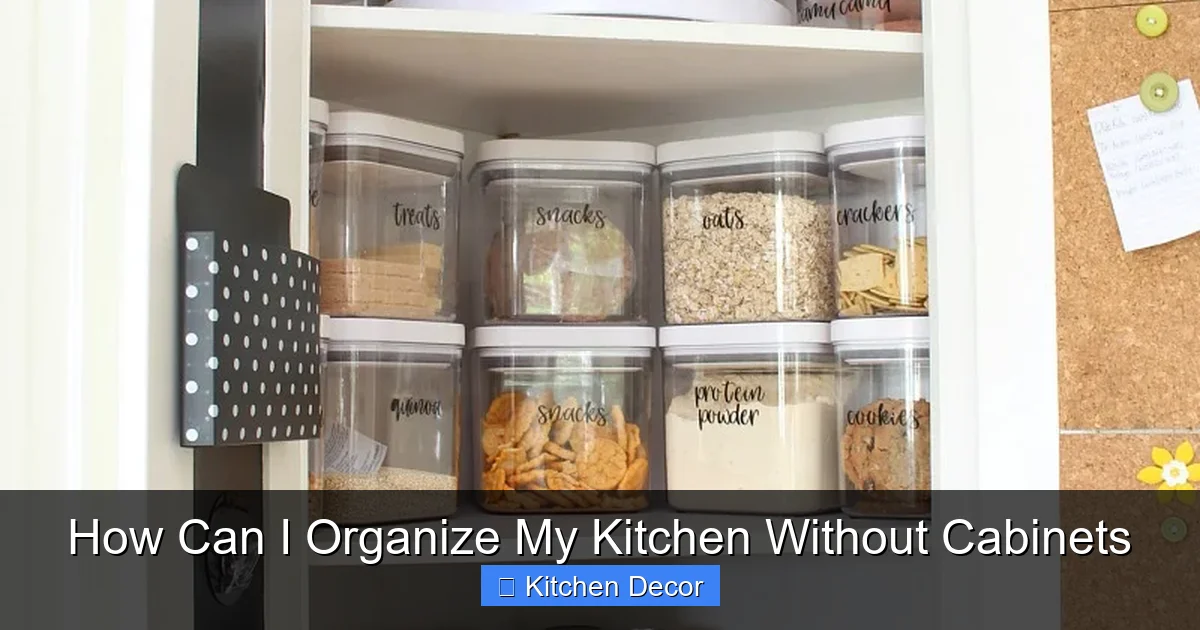
4.3 Stackable and Tiered Organizers
Inside any enclosed storage you do have (like drawers, a pantry, or a buffet), use stackable solutions.
- Cabinet Shelf Organizers: These create an extra “shelf” inside a cupboard, maximizing vertical space for plates, bowls, or food items.
- Tiered Spice Racks: For pantry shelves or deep drawers, tiered racks help you see all your spices at a glance, preventing them from getting lost at the back.
- Stackable Bins and Containers: Use these for dry goods, snacks, or cleaning supplies. Ensure they are clear or labeled for easy identification.
Step 5: Opt for Creative Storage Solutions
Beyond traditional methods, thinking outside the box can reveal ingenious ways to organize your kitchen without cabinets.
5.1 Bins, Baskets, and Containers
These are your secret weapons for containing clutter and categorizing items.
- Woven Baskets: Excellent for storing fruits, vegetables (on shelves or carts), linens, or even small appliances. They add texture and warmth.
- Clear Bins: Ideal for pantry items. You can easily see what’s inside, and they keep dry goods fresh. Label them clearly.
- Drawer Organizers: Even without traditional cabinet drawers, you might have them in a freestanding island or buffet. Use inserts to keep cutlery, cooking utensils, and odds and ends tidy.
- Under-Sink Organizers: Maximize this often-neglected space with pull-out drawers or caddies for cleaning supplies.
5.2 Utilize Door Backs
If you have any doors in your kitchen (pantry door, utility closet door, even the back of an entry door), use them!
- Over-the-Door Organizers: These are fantastic for spices, small pantry items, cleaning supplies, or even rolls of foil and plastic wrap.
- Hooks: Install simple hooks for aprons, oven mitts, or reusable shopping bags.
5.3 Create a Dedicated “Pantry” Zone
Without a built-in pantry, you’ll need to create one using alternative solutions.
- Bookcase Pantry: As mentioned, a bookcase can serve as an open pantry for attractive containers of dry goods.
- Armoire or Wardrobe: A large, repurposed armoire can be a fantastic enclosed pantry, providing ample space for food, small appliances, and linens.
- Rolling Utility Cart: A smaller cart can hold frequently accessed pantry items and be rolled out of the way when not in use.
- Wall-Mounted Bins: Use wall space for wire bins to hold produce like onions and potatoes.
Step 6: Declutter and Maintain
The key to keeping your kitchen organized, especially when you organize your kitchen without cabinets, is ongoing maintenance. Because everything is more visible, any clutter will stand out.
6.1 Adopt a “One In, One Out” Policy
Whenever you buy a new kitchen item, make it a habit to donate or discard an old one. This prevents accumulation and helps maintain the carefully curated space you’ve created.
6.2 Daily Tidying Rituals
Spend 5-10 minutes each day putting things back in their place. Wipe down surfaces, return items to their designated spots, and load the dishwasher. This prevents small messes from turning into overwhelming clutter.
6.3 Quarterly Deep Declutter
Even with daily maintenance, it’s a good idea to do a deeper declutter every few months. Re-evaluate what you’re using, check expiration dates, and ensure your organizational systems are still working for you.
6.4 Style and Aesthetics
When everything is visible, presentation matters. To organize your kitchen without cabinets and make it look appealing:
- Uniform Containers: Use matching jars, canisters, or baskets for a cohesive look.
- Color Palette: Stick to a consistent color palette for your dishes, towels, and decorative items.
- Thoughtful Displays: Arrange items neatly. Stack plates evenly, group similar-sized items together, and keep surfaces clear of unnecessary items.
- Add Greenery: Plants or a fresh herb garden can add life and freshness to your open kitchen.
Troubleshooting Common Challenges
While organizing a kitchen without cabinets offers many benefits, you might encounter a few hurdles.
Challenge 1: Dust Accumulation on Open Shelves
Solution: Dusting is a part of having open shelves. Make it a habit to wipe down shelves and items weekly. Keep only frequently used items on open shelves, as these will be washed often. For less-used items, store them in attractive, enclosed baskets or containers to protect them from dust.
Challenge 2: Visual Clutter
Solution: This is where ruthless decluttering and careful curation come in. Ensure every item has a designated home. Use uniform containers to create a sense of order. Group similar items. Embrace empty space where possible. Remember, not every inch needs to be filled. “Less is more” is a powerful mantra for open kitchens.
Challenge 3: Limited Floor Space
Solution: Focus even more heavily on vertical storage. Wall-mounted solutions (shelves, pegboards, magnetic strips) become critical. Opt for slim rolling carts over bulky islands. Consider fold-down tables or work surfaces that can be put away when not in use. Multi-functional furniture is your best friend.
Challenge 4: No Space for Large Appliances
Solution: If you don’t have a pantry or large buffet, think about other areas of your home. Can a rarely used slow cooker or food processor live in a nearby utility closet, a basement, or even an attractive chest in an adjacent room? Only keep the most essential small appliances on your kitchen counters.
Conclusion
Learning how to organize your kitchen without cabinets is an exciting journey that can lead to a truly personalized and efficient space. By embracing open shelving, leveraging freestanding furniture, maximizing vertical space, and employing clever storage solutions, you can create a kitchen that is not only highly functional but also a beautiful reflection of your style.
Remember, the core principles are decluttering, categorization, and consistent maintenance. Don’t be afraid to experiment with different layouts and solutions until you find what works best for you. With these strategies, you’ll discover that a kitchen without cabinets isn’t a limitation but an opportunity to innovate and enjoy a wonderfully organized, open, and inviting culinary haven. Your dream kitchen, without the cabinets, is well within reach!