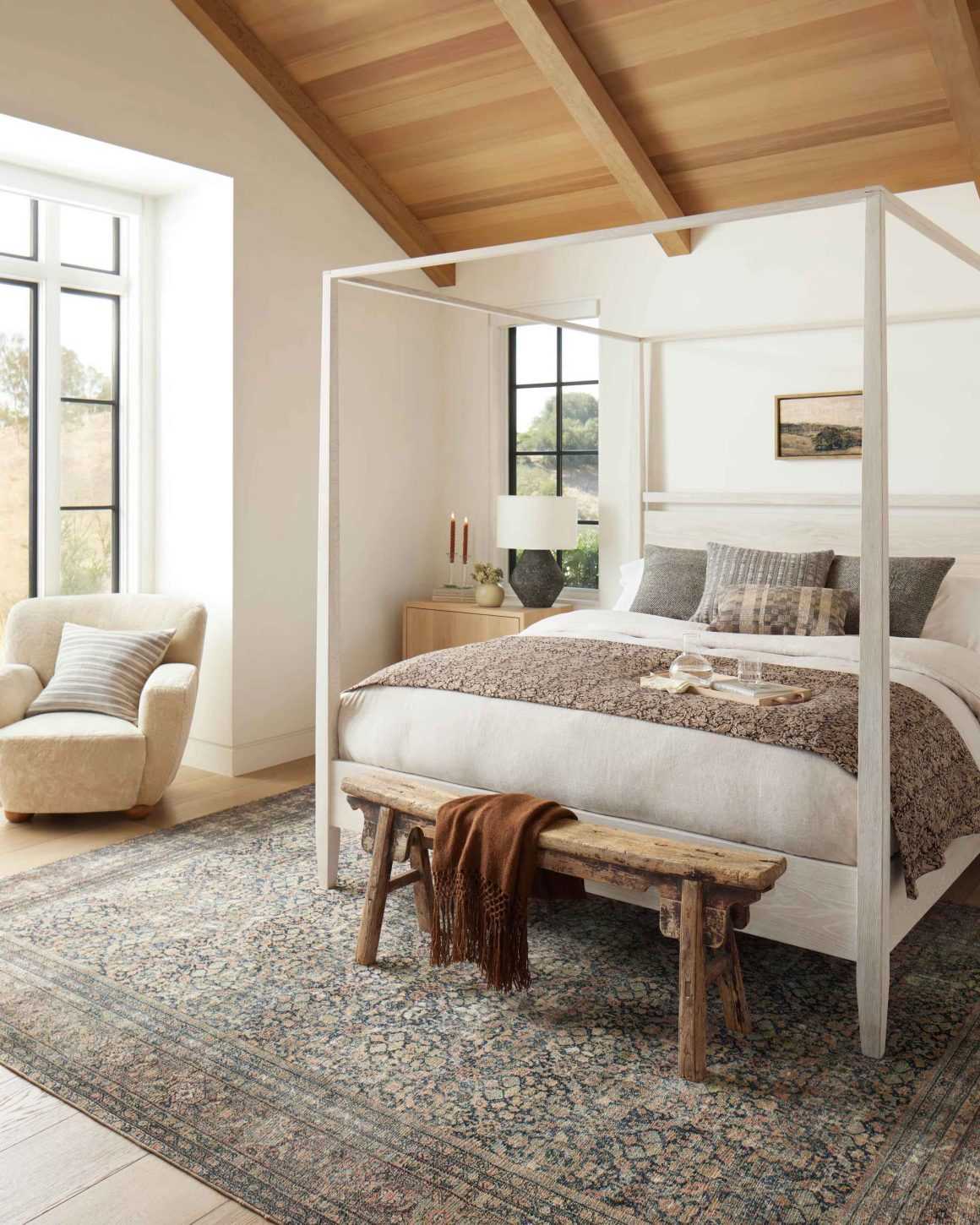
Mixing and matching bedroom furniture can seem daunting, but with a few strategic tips, you can create a cohesive and stylish look without it feeling chaotic. Start by selecting a unifying color palette that ties your pieces together; this could be based on your favorite hues or the tones of existing furniture. Next, vary the textures and materials to add interest—think about combining wood, metal, and fabrics in your choices. It’s also important to consider the scale of each piece; balance larger items with smaller accents to avoid overwhelming the space. Lastly, don’t shy away from incorporating vintage finds or personal touches—they often add character and a sense of uniqueness to your room.

How Do You Mix and Match Bedroom Furniture Without It Looking Messy?
Mixing and matching bedroom furniture can feel like a daunting task. However, with the right tips and tricks, you can create a cohesive and stylish space. This guide will take you through the essential steps to blend different styles and pieces without creating a cluttered look.
Understanding Styles and Themes
Before you start mixing furniture, it’s vital to understand the various styles available. Recognizing these can guide your choices and ensure your bedroom remains harmonious.
Identify Your Preferred Style
Most furniture styles fall into categories such as:
- Traditional
- Modern
- Rustic
- Industrial
- Bohemian
Understanding what resonates with you allows for a seamless blend. For example, a modern bed can pair beautifully with rustic bedside tables if they share a color palette.
Choose a Theme or Color Palette
Selecting a color palette helps in making decisions about which pieces to combine. Narrow down to a few colors that you love, and stick to them throughout your selections. A cohesive theme keeps the room feeling organized.
Mixing Materials Thoughtfully
Diverse materials can add texture and interest to your bedroom. While mixing materials is encouraged, it’s essential to do so cautiously.
Contrasting vs. Complementing
Think about the contrast you want to achieve:
- **Contrasting** materials, like wood with metal, can create an edgy look.
- **Complementing** materials, such as wood with soft fabrics, produce a warm and inviting atmosphere.
Aim for a mix of hard and soft textures to create balance. This helps avoid the space looking too harsh or bland.
Focus on Key Furniture Pieces
When mixing, identify key pieces that will anchor your room. Consider the bed, dresser, and nightstands:
- Choose one piece as a statement, like an ornate bed frame.
- Pair simpler pieces around it to not compete.
Incorporating Patterns and Prints
Patterns can breathe life into a bedroom. However, too many can overwhelm.
Choose a Focal Pattern
Select one or two dominant patterns in your textiles, such as bedding or curtains. This will serve as the focal point for your mix:
- Floral prints for a soft touch.
- Geometric designs for a modern flair.
Mixing Patterns Wisely
When combining patterns, consider their scale. A large print may look better when paired with smaller ones. For example, a large floral comforter can work well with striped or polka-dot pillows.
Balancing Different Furniture Styles
While it’s exciting to mix styles, balance prevents chaos.
Create a Cohesive Look
Stick to a few styles that complement each other. For instance, pairing a mid-century modern bed with Scandinavian nightstands can create a lovely contrast:
- Ensure all pieces share a common element, such as color or material.
- Limit yourself to two or three styles to maintain harmony.
Using Accessories for Balance
Accessories like lamps, rugs, and artwork can tie different styles together. Using similar finishes or colors can help create connection points among the various pieces in your room.
Furniture Arrangement Matters
How you arrange your furniture plays a crucial role in appearance.
Establishing a Focal Point
A well-placed bed can serve as the room’s focal point. Arrange other pieces around it to create flow.
- Position nightstands symmetrically.
- Include a comfortable chair in a corner to enhance the layout.
Leave Space for Movement
Ensure there’s enough space to walk around. Crowding can make a room feel messy and disorganized. Leave sufficient gaps between larger pieces to create a sense of openness.
Experiment with Lighting
Lighting greatly affects how your mixed furniture will look.
Layering Light Sources
Using various light sources can enhance the overall feel of your bedroom. Include:
- Overhead lights for general brightness.
- Task lighting, like bedside lamps, for focused areas.
- Ambient lighting to create a cozy atmosphere.
Highlighting Key Areas
Use spotlights or lamps to draw attention to specific furniture pieces. This strategy emphasizes your design choices and adds depth to the room.
Personal Touches to Enhance Your Space
Adding personal items can enhance the look and feel of your bedroom.
Incorporate Meaningful Decor
Include items that resonate with you, such as:
- Framed photos
- Artwork
- Travel souvenirs
These elements not only personalize your space but also make it feel inviting and lived-in.
Utilize Plants for Freshness
Adding greenery can uplift the overall look of your bedroom. Plants introduce vibrant color and tranquility.
Staying Organized and Clutter-Free
A well-organized bedroom contributes to a tidy appearance.
Declutter Regularly
Keep only what you truly need in the room. Regularly assess your belongings and remove things that no longer serve a purpose.
- Use storage solutions like baskets or boxes.
- Organize your closet efficiently.
Implement Smart Storage Solutions
Make use of under-bed storage or multifunctional furniture. This helps keep clutter at bay while offering more space for essentials.
Creating a stylish bedroom through mixing and matching furniture can be a fulfilling process. By understanding styles, focusing on balance, and incorporating personal touches, you can design a space that feels inviting and cohesive. Remember, the key is to enjoy the process and let your personality shine through your choices.
COMMON BEDROOM DESIGN MISTAKES + HOW TO FIX THEM
Frequently Asked Questions
What color schemes work best for mixing and matching bedroom furniture?
Choosing a cohesive color scheme is essential when mixing and matching bedroom furniture. Start with a base color that you love and build around it. Neutral tones like whites, grays, and beiges serve as excellent foundations. Then, add accent colors through various furniture pieces. For example, if your base is a soft gray, you can introduce navy blue or blush pink accents in your furniture. This approach keeps the room harmonious while allowing for individuality in each piece.
How can I incorporate different styles of furniture without clashing?
To prevent clashing styles, focus on one unifying element, such as material or color. For instance, if you have a modern bed frame, choose bedside tables made of the same wood or in a matching color. This way, even if the furniture styles differ—like mixing contemporary with vintage—they will still complement each other. Additionally, aim for balance by mixing bold pieces with simpler ones to create a visually pleasing flow.
What role does lighting play in blending different furniture styles?
Lighting significantly impacts how furniture styles appear in your bedroom. Use warm white lights to soften the look of eclectic furniture arrangements, making them feel more cohesive. Consider using statement lamps or fixtures that tie various styles together. For example, a vintage chandelier can bridge the gap between modern furniture and classic design. Layer different light sources, like table lamps and floor lamps, to create a warm and inviting atmosphere.
How can accessories help in mixing different furniture pieces?
Accessories play a crucial role in tying different furniture styles together. Utilize rugs, curtains, and decorative pillows that echo the color palette of your furniture. A well-chosen rug can seamlessly connect a modern bed frame and a rustic dresser by incorporating shades from both pieces. Additionally, art and wall decor can further unify the space, creating a cohesive look despite the varied furniture styles.
What should I avoid when mixing bedroom furniture?
Avoid overcrowding the space with too many different styles or colors. Keeping a balance is key; if you choose a bold piece, offset it with more subdued elements. Steer clear of matching everything exactly, which can make the room feel bland. Instead, celebrate diversity in design while maintaining some consistency, whether through color, material, or overall theme.
Final Thoughts
To mix and match bedroom furniture without it looking messy, focus on creating a cohesive color palette. Choose pieces that share a similar tone or contrasting colors that complement each other.
Incorporate varied textures and materials to add depth while maintaining a sense of harmony. For example, pair a wooden bed frame with metal accents or soft fabrics.
Balance the arrangement by varying the heights of furniture, which creates visual interest. Finally, add decorative elements like artwork or plants to tie the look together. Remember, ‘How Do You Mix and Match Bedroom Furniture Without It Looking Messy?’ involves a blend of style and thoughtful coordination.