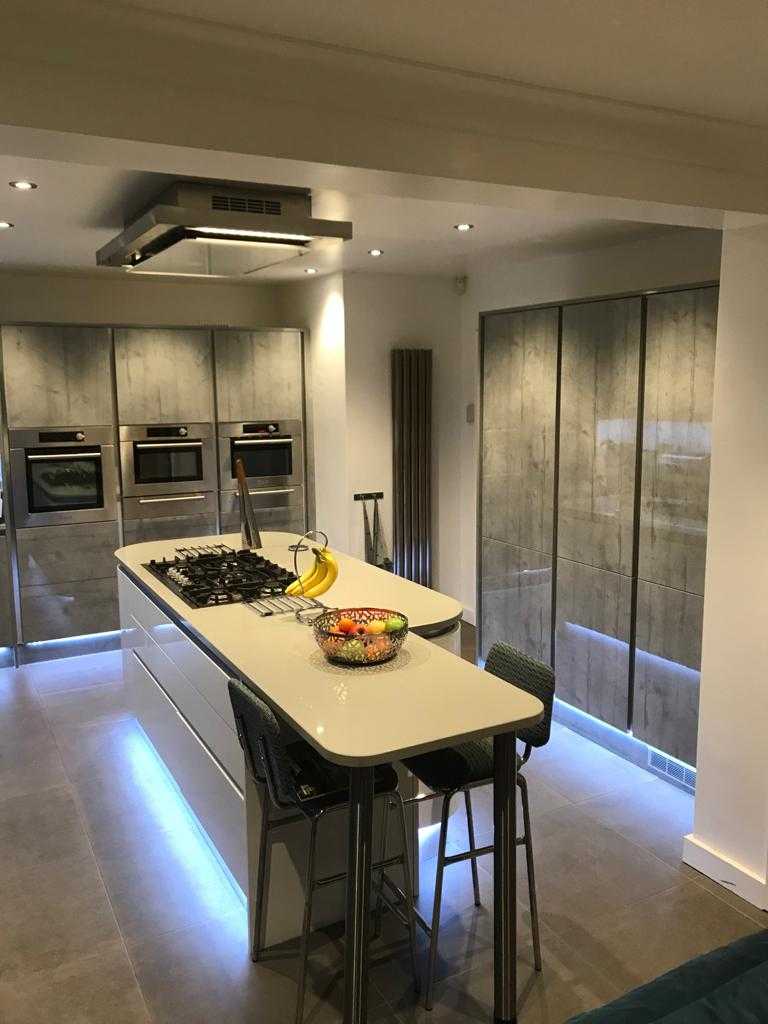
To effortlessly transform your kitchen into a cozy and inviting space, adding mood lighting is the perfect solution. Use dimmable lights, under-cabinet LEDs, or pendant fixtures to create the desired atmosphere. Play with different colors and intensities to enhance your kitchen’s ambiance and make it a more enjoyable place to cook and relax.
Adding mood lighting to your kitchen can be simple and impactful. Start by installing dimmable overhead lights to control brightness levels easily. Incorporate under-cabinet LED strips for focused task lighting that also adds a warm glow. Pendant lights or decorative fixtures can serve as focal points while setting the tone. Experiment with smart lighting options that allow you to adjust colors and brightness remotely. These small changes can significantly elevate the feel of your kitchen, making it more inviting for everyday meals or entertaining guests.
Brighten up your kitchen with the perfect mood lighting and turn a functional space into a cozy retreat. Whether you prefer soft, warm glows or vibrant hues, the right lighting adds depth and personality to your culinary space. With a few simple tweaks, your kitchen can become a serene haven or a lively gathering spot, all thanks to thoughtful lighting choices.

How to add mood lighting to the kitchen
Creating the perfect mood in your kitchen can make cooking and relaxing much more enjoyable. Adding mood lighting is a simple way to change the atmosphere and make your space feel cozy or lively as desired. It’s all about choosing the right lighting and placing it thoughtfully. Whether you want a soft glow for dinner or bright light for baking, this guide will walk you through the steps to add mood lighting to your kitchen.
Understanding the different types of lighting
Before installing any new lights, it’s important to know the types of lighting choices available. Proper layering of these helps create the ideal mood.
Ambient lighting
Ambient lighting is the main source of light in your kitchen. It provides overall brightness but can be adjusted to set a mood. Think of ceiling fixtures or recessed lights as your primary ambient options.
Task lighting
Task lighting focuses on specific areas where you need bright light for actions like chopping or reading recipes. Under-cabinet lights and pendant lamps work well here. They help with practical tasks while also contributing to mood control.
Accent lighting
Accent lighting emphasizes certain features like artwork or decorative shelves. It adds depth and dimension to the space, making your kitchen more visually appealing. Using small spotlights or LED strips can create a dramatic or cozy effect.
Choosing the right lighting fixtures for mood
Select fixtures that can be dimmed or offer adjustable brightness. Here are popular options:
- Dimmer switches: Install these with your existing fixtures to control brightness easily.
- LED strip lights: Flexible and energy-efficient, perfect for under cabinets or along ceiling edges.
- Pendant lights: Stylish and versatile, can be adjusted for both task and mood lighting.
- Recessed lighting: Hidden lights that create a seamless look and can be dimmed for softer ambiance.
Choosing fixtures in warm colors like soft white or amber helps create a welcoming, cozy environment.
Strategic placement of lighting
Proper placement is key to achieving the desired mood. Here are tips to help you position your lights effectively:
Lighting over dining and seating areas
Install adjustable pendant lights or chandeliers above tables to focus light downward. Use dimmable lights here for a cozy dinner setting.
Under-cabinet lighting
Place LED strips beneath cabinets to illuminate countertops gently. This directs light where you need it without overpowering the room.
Highlight decorative features
Use small spotlights to emphasize artwork or open shelving. This creates visual interest and sets a mood.
Controlling brightness and color temperature
Adjusting brightness and color temperature is essential for mood setting.
Brightness levels
Use dimmer switches to lower or increase light intensity. For relaxing evenings, reduce brightness; for cooking, boost it.
Color temperature options
Warm white lights around 2700K to 3000K create a cozy, inviting feeling. Cooler lights (around 4000K) are brighter and more energetic, suitable for task areas.
Incorporating smart lighting systems
Smart lighting gives you control via apps or voice commands. You can switch scenes, change color temperatures, and dim lights easily.
- Smart bulbs: Fit into existing fixtures and controlled remotely.
- Wireless dimmer switches: Allow easy adjustments without rewiring.
- Voice assistants: Use Alexa, Google Home, or Siri to activate different lighting modes.
These systems enable you to quickly switch between a bright, energetic kitchen and a soft, relaxing ambiance.
Creating different lighting scenes
Setting up various scenes lets you tailor the lighting to your mood or activity. For instance:
- Cooking scene: Bright, cool light for meal prep.
- Dinner scene: Dimmed, warm lighting for a cozy atmosphere.
- Relaxation scene: Soft, warm glow with accent lights to unwind.
Use smart controls or dimmers to switch between these scenes effortlessly.
Using decorative lighting to enhance style
Decorative lights can add personality and charm to your kitchen.
String lights or fairy lights
Hang string lights around windows or open shelves for a whimsical touch. They add a warm glow and a relaxed vibe.
Backlit panels or LED coves
Install these features behind cabinets or along ceiling edges for a subtle glow. They enhance depth and add a modern touch to the space.
Decorative lamps and fixtures
Choose statement lamps or fixtures that complement your kitchen style. They contribute to the overall mood and aesthetic.
Maintenance and safety tips
Ensure your lighting system remains safe and efficient.
- Regularly check for loose wires or damaged fixtures.
- Clean fixtures and lenses to keep lights bright.
- Use LED bulbs for energy efficiency and longevity.
- Never overload circuits; consult an electrician for complex installations.
Proper maintenance guarantees your mood lighting stays effective and safe over time.
Additional ideas for enhancing kitchen mood lighting
To make your kitchen even more inviting, consider adding:
- Light dimmers for all main fixtures.
- Color-changing LED lights for dynamic atmospheres.
- Layered lighting that allows flexibility in different situations.
- Natural lighting during the day combined with soft artificial lights at night.
Experimenting with these options helps you find the perfect balance of style and function.
Final thoughts
Adding mood lighting to your kitchen involves selecting the right fixtures, placing them effectively, and adjusting settings to suit your activities and ambiance preferences. It’s a simple upgrade that transforms how you enjoy your space daily. With a little planning, you can create a cozy, stylish, and functional environment that feels just right for any occasion.
Ultimate Guide to DIY Cabinet LED lights – full install
Frequently Asked Questions
What type of lighting fixtures are suitable for creating a cozy ambiance in the kitchen?
Choose fixtures like pendant lights, under-cabinet lighting, or dimmable LED bulbs to set a warm and inviting atmosphere. These options allow you to adjust light levels easily, helping you create the perfect mood for any occasion.
How can I incorporate color-changing lights to enhance the kitchen’s mood?
Install RGB LED strip lights or smart bulbs that offer color customization. Use these to add subtle hues or vibrant shades, giving you the flexibility to suit different activities or times of day while adding visual interest to your space.
What are some practical tips for controlling mood lighting in the kitchen?
Use dimmer switches, smart lighting systems, or remote controls to adjust brightness and color with ease. Position controls conveniently for quick changes, and consider setting scenes or schedules to automatically modify lighting for different moments.
Where should I place accent lights to highlight specific areas or features?
Position accent lights above or underneath cabinets, near artwork, or around architectural details. Proper placement emphasizes focal points and adds depth, enhancing the overall ambiance without overwhelming the space.
Final Thoughts
Adding mood lighting to the kitchen creates a warm, inviting atmosphere. Start by installing dimmable lights to control brightness easily. Incorporate under-cabinet LEDs for subtle highlights without overwhelming the space. Use warm-toned bulbs to enhance comfort.
Combine pendant lights with cozy accents like candles or small lamps. This layered approach adds depth and personality.
In conclusion, understanding how to add mood lighting to the kitchen involves choosing adjustable fixtures and warm tones. Proper lighting makes your kitchen both functional and inviting.