Transforming a cramped rental kitchen into a functional and organized space is entirely possible without upsetting your landlord. This guide offers practical, non-permanent strategies to add storage to a rental kitchen, utilizing clever products and smart organization techniques. From vertical shelving to optimized cabinet interiors, you’ll learn how to maximize every inch, making your kitchen more enjoyable and efficient.
How to Add Storage to a Rental Kitchen
Living in a rental kitchen often comes with a unique set of challenges. Maybe there aren’t enough cabinets, the drawers are too small, or you’re simply running out of counter space. The good news? You don’t need to live with kitchen chaos! While you can’t rip out existing fixtures or drill holes willy-nilly, there are countless clever, landlord-friendly ways to add storage to a rental kitchen and make it feel more functional, organized, and even stylish.
This comprehensive guide will walk you through practical, damage-free strategies to maximize every inch of your rental kitchen. We’ll explore ingenious products and smart organizational tactics that will help you create a kitchen you love, all without risking your security deposit. Get ready to transform your culinary space from cramped to cleverly curated!
Key Takeaways
- Embrace Non-Permanent Solutions: Prioritize storage additions that won’t damage walls or cabinetry, such as tension rods, Command strips, and freestanding units, ensuring your security deposit remains safe.
- Utilize Vertical Space Effectively: Look up! Walls, the backs of doors, and even tall cabinets offer untapped potential for adding storage through over-the-door organizers, stackable shelves, and adhesive hooks.
- Optimize Cabinet & Drawer Interiors: Don’t just stack; organize. Drawer dividers, pull-out shelves, pot and pan organizers, and under-sink caddies can dramatically increase the usable space within existing cabinetry.
- Integrate Freestanding & Mobile Units: Kitchen carts, rolling islands, and slim pantry units provide versatile extra storage and counter space that can move with you and don’t require installation.
- Declutter Before You Organize: A thorough purge of unused or redundant items is the crucial first step to truly add storage effectively; you can’t organize clutter, only move it around.
- Think Multi-Purpose: Choose items that serve more than one function, like a cutting board that fits over the sink or an island with built-in shelves, to make the most of limited square footage.
- Personalize Your Approach: Every rental kitchen is unique. Assess your specific needs, the layout of your space, and the types of items you need to store to tailor these solutions for maximum impact.
Start with a Purge and Plan
Before you even think about buying new storage solutions, the most effective first step is to take stock of what you have and what you truly need. You can’t effectively add storage to a rental kitchen if it’s already overflowing with unnecessary items.
Declutter Ruthlessly
Open every cabinet, drawer, and pantry. Take everything out. Yes, everything! Now, go through each item with a critical eye. Ask yourself these questions:
- Have I used this in the last year? If not, consider donating or selling it.
- Do I have duplicates? You probably don’t need three potato peelers. Keep the best one.
- Is it broken or chipped? Time to toss it.
- Does it spark joy (à la Marie Kondo)? If not, and it’s not truly essential, let it go.
Be honest with yourself. Getting rid of items you don’t use will immediately free up space, making any new storage additions far more impactful. This is the foundation for truly smart organization.
Assess Your Needs and Space
Once you’ve decluttered, you’ll have a clearer picture of what remains. Now, look at your kitchen layout. Where are the current pain points? What items do you use most frequently? Where are the “dead” spaces you could utilize?
- Identify storage categories: Do you need more space for dry goods, pots and pans, small appliances, or cleaning supplies?
- Measure, measure, measure: Before buying anything, measure cabinet interiors, drawer depths, wall spaces, and potential floor areas. This prevents frustrating returns and ensures a perfect fit for your new storage solutions.
- Prioritize accessibility: Store frequently used items in easy-to-reach spots, and less-used items higher up or in deeper recesses.
Maximize Vertical Space with Non-Permanent Shelving
Walls and the backs of doors are often overlooked goldmines for extra storage in a rental kitchen. The key is to use solutions that don’t require drilling.
Utilize Over-the-Door Solutions
The back of your pantry door or even a cabinet door can hold a surprising amount of stuff. These organizers simply hook over the top of the door.
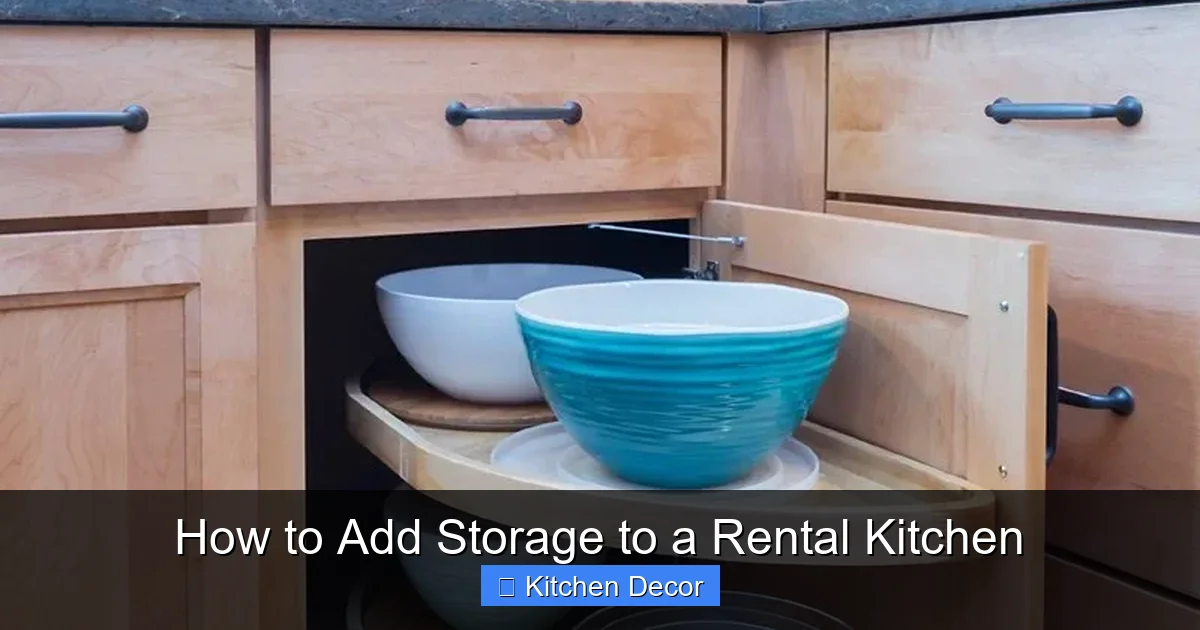
Visual guide about How to Add Storage to a Rental Kitchen
Image source: images.squarespace-cdn.com
- Pantry Door Organizers: Look for multi-tiered wire racks that can hold spices, condiments, cleaning supplies, or even small food items. These are excellent ways to add storage to a rental kitchen without touching the walls.
- Cabinet Door Organizers: Smaller versions can attach to the inside of lower cabinet doors, perfect for cutting boards, foil, plastic wrap, or dish towels.
Implement Tension Rods
Tension rods are a renter’s best friend because they require no tools and leave no marks. They work by creating pressure between two surfaces.
- Under-Sink Storage: Place a tension rod horizontally under your sink to hang spray bottles. This frees up the cabinet floor for other items.
- Vertical Dividers: Use two tension rods vertically inside a cabinet to create dividers for baking sheets, cutting boards, or platters.
- Under-Shelf Hooks: A small tension rod can also be used to hang lightweight mugs or utensils under a shelf.
Explore Freestanding Shelving Units
If you have any open wall space, even a narrow sliver, a freestanding shelving unit can be a game-changer. These are entirely portable and require no installation.
- Narrow Baker’s Racks: These tall, slender units offer multiple shelves for cookbooks, small appliances, dishes, or decorative items. They often come with hooks for utensils.
- Rolling Carts with Shelves: We’ll discuss these more, but many act as mobile shelving units, perfect for moving supplies where you need them.
- Open Bookcases: A slim bookcase can double as a pantry or dish storage in a kitchen, offering an aesthetic touch too.
Stack Smartly with Shelf Risers
Many cabinets have a lot of wasted vertical space above stacked dishes or cans. Shelf risers (also called cabinet shelves or stackable shelves) help you utilize this unused height.
- Double Your Cabinet Space: Place a riser inside a cabinet to create a second level for smaller plates, bowls, or mugs. This is a super simple way to add storage to a rental kitchen instantly.
- Organize Canned Goods: Use them in your pantry to keep cans neatly organized and visible, preventing items from getting lost in the back.
Optimize Inside Cabinets and Drawers
Your existing cabinets and drawers might be more spacious than you think if you just organize them better.
Introduce Drawer Organizers and Dividers
Drawers can quickly become a chaotic jumble. Organizers and dividers keep things in their place.
Visual guide about How to Add Storage to a Rental Kitchen
Image source: signaturely.com
- Expandable Dividers: Bamboo or plastic dividers can be adjusted to fit different drawer widths, creating compartments for cutlery, utensils, or small gadgets.
- Tiered Inserts: For spice drawers, a tiered insert allows you to see all your spices at a glance, rather than rummaging.
Use Pull-Out Organizers (Non-Drill Options)
Reaching into the back of a deep cabinet can be a pain. Pull-out organizers bring contents to you. Many modern versions don’t require drilling.
- Sliding Baskets: Look for wire baskets that sit on a frame and slide out. Some are held in place by friction or heavy-duty adhesive, making them renter-friendly.
- Stackable Pull-Out Drawers: These plastic or wire drawer units sit on a cabinet shelf and offer easy access to items without permanent installation.
Store Lids and Pans Efficiently
Pots, pans, and especially their lids, are notorious space hogs.
- Pot and Pan Organizers: These come in various forms – vertical racks that hold pans on their sides, or expandable racks for lids. They prevent stacks from toppling and make finding what you need easier.
- Cabinet Door Lid Holders: Some lid holders attach with strong adhesive strips to the inside of cabinet doors, keeping lids tidy and accessible.
Create Under-Sink Storage
The space under the sink is often awkward due to pipes, but it’s valuable. Maximize it effectively.
- U-Shaped Organizers: Specifically designed to fit around pipes, these shelves or drawer units make the most of the available space for cleaning supplies, sponges, and dish soap.
- Stackable Bins: Use clear, stackable plastic bins to contain small items and utilize vertical space around the plumbing.
Leverage Wall Space Without Damage
Walls are prime real estate for adding storage to a rental kitchen, especially for frequently used items. Just remember: no holes!
Employ Command Hooks and Strips
Command products are a renter’s best friend. They stick securely but remove cleanly without damage.
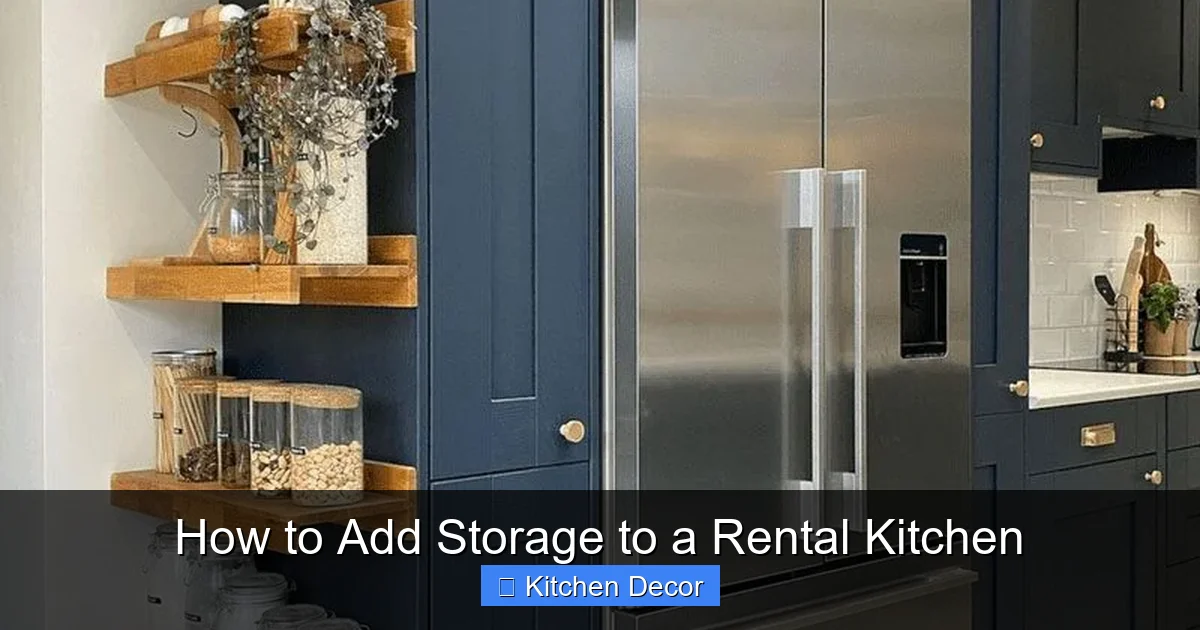
Visual guide about How to Add Storage to a Rental Kitchen
Image source: mydomaine.com
- Hang Utensils: Use small Command hooks on a backsplash or cabinet side to hang spatulas, ladles, or measuring cups.
- Mount a Paper Towel Holder: Some paper towel holders can be attached using heavy-duty Command strips.
- Create a “Command Center”: Hang lightweight baskets or caddies for mail, keys, or shopping lists using Command hooks.
- Attach Spice Racks: Lightweight spice racks made of plastic or wire can be secured to the inside of pantry doors or cabinet sides with extra-strong Command strips.
Consider Magnetic Strips for Knives and Spices
Magnetic strips are fantastic for keeping knives off the counter and spices organized, but installation needs to be renter-friendly.
- Adhesive Magnetic Strips: Look for magnetic strips designed with a strong adhesive backing. While generally safe for tile or very smooth surfaces, always test a small, inconspicuous area first, or use them on the side of a metal refrigerator.
- Mounted on a Stand: Alternatively, choose a magnetic knife block that stands on your counter if wall mounting isn’t feasible or safe for your rental.
Install Stick-On Caddies
For items like sponges, soap, or even small plants, stick-on caddies can be incredibly useful.
- Shower Caddies for the Sink: While designed for bathrooms, many adhesive shower caddies work perfectly by the kitchen sink to hold sponges, brushes, and soap, keeping your countertop clear.
- Vertical Storage for Foils/Wraps: Slim stick-on caddies can be placed inside cabinet doors to hold rolls of aluminum foil, plastic wrap, or parchment paper.
Incorporate Freestanding and Mobile Solutions
Sometimes, the best way to add storage to a rental kitchen is to bring in entirely new furniture pieces.
Invest in a Kitchen Cart or Island
These are absolute game-changers for adding storage, counter space, and even a dining area.
- Portable Functionality: Many come with wheels, allowing you to move them around as needed. This flexibility is perfect for rentals.
- Extra Counter Space: A chopping block top or stainless steel surface provides additional prep area.
- Integrated Storage: Look for carts with drawers, shelves, and even towel bars or spice racks built-in.
Add a Slim Rolling Cart
Even the tightest spaces can benefit from a slim rolling cart.
- Utilize Narrow Gaps: These are ideal for sliding into the gap between your refrigerator and a wall, or a small space between cabinets.
- Versatile Storage: Perfect for spices, oils, canned goods, cleaning supplies, or even a small collection of cookbooks. They help you add storage to a rental kitchen in places you thought impossible.
Utilize Bookshelves or Console Tables
Think outside the “kitchen furniture” box. Other types of furniture can adapt beautifully to kitchen needs.
- Open Pantry: A narrow, open bookshelf can act as a pantry for attractive food items, dishes, or small appliances.
- Sideboard Storage: A console table or small sideboard can provide drawers and cabinets for extra linens, serveware, or lesser-used appliances.
Get Creative with Countertop and Pantry Organization
Even countertops can offer more storage if you organize them efficiently. And don’t forget the pantry, if you have one!
Use Tiered Organizers
Instead of spreading items out, stack them up to save valuable counter space.
- Tiered Fruit Baskets: Keep fruits and vegetables fresh and accessible without taking up a large footprint.
- Corner Shelves: Small, tiered corner shelves can utilize that often-wasted corner space for spices, oils, or frequently used condiments.
Employ Canisters and Jars
Not only do they look tidy, but clear canisters and jars also help you see what you have and keep dry goods fresh.
- Dry Goods Storage: Store pasta, rice, flour, sugar, and cereals in matching, airtight containers. This prevents messy bags and makes your pantry or open shelving look much more organized.
- Spice Jars: Decant spices into uniform jars for a cohesive look and easy identification.
Implement Door-Mounted Pantry Organizers
If your rental has a dedicated pantry closet, the back of that door is another excellent spot to add storage.
- Wire Racks: Similar to over-the-door organizers, these are usually screw-mounted, but some adhesive versions exist. They’re perfect for spices, small boxes, and snacks.
- Shoe Organizers: Believe it or not, clear plastic shoe organizers with individual pockets are fantastic for storing snack pouches, small spice packets, or cleaning supplies in a pantry.
Troubleshooting Common Rental Kitchen Storage Woes
Even with all these tips, you might encounter specific challenges. Here are some solutions to common dilemmas.
What if I have *zero* extra space?
If your kitchen truly feels maxed out, consider these alternatives:
- Off-Site Storage: If you have a garage, closet, or even a living room corner, store rarely used items (seasonal serveware, specialty appliances) outside the kitchen.
- Multi-Purpose Items: Invest in items that serve double duty, like an Instant Pot that replaces several cooking tools, or a cutting board that fits over your sink to create temporary counter space.
- Dining Room Buffets: If your dining area is adjacent, a buffet or credenza can act as an extension of your kitchen, providing significant storage for dishes, glassware, or even an overflow pantry.
How to handle heavy items?
Heavy items like cast iron pans, large appliances, or bulk food can be tricky. Here’s how to safely add storage for them:
- Bottom Cabinets & Floor: Store heavy items in lower cabinets or directly on the floor in sturdy bins. This prevents strain on shelves and avoids overhead hazards.
- Sturdy Freestanding Units: When buying a baker’s rack or kitchen island, ensure it’s robust and designed to hold significant weight. Check weight limits for shelves.
- Avoid Command Strips for Heavy Objects: Never rely on adhesive strips for anything heavy; they are designed for lighter loads.
Keeping it looking good.
Functionality is key, but aesthetics matter too, especially in a rental where you want to make it feel like home.
- Uniform Containers: Using matching canisters, jars, and bins creates a cohesive, tidy look.
- Color Coordination: Choose storage solutions in colors that complement your kitchen’s existing palette.
- Open Shelving Style: If using open shelves, display attractive items like nice dishes, cookbooks, or decorative plants, keeping clutter hidden elsewhere.
- Regular Decluttering: The best way to maintain a good-looking kitchen is to regularly declutter and put things away after use.
Conclusion
Adding storage to a rental kitchen doesn’t have to be a daunting task. By embracing creative, non-permanent solutions and taking a strategic approach to organization, you can transform your culinary space from frustrating to functional. Remember to start with a good declutter, measure your space, and prioritize solutions that are landlord-friendly. Whether it’s through maximizing vertical space, optimizing cabinet interiors, or bringing in versatile freestanding units, these tips empower you to create a kitchen that truly works for you, enhancing your cooking and living experience without compromising your security deposit. Enjoy your newly organized rental kitchen!