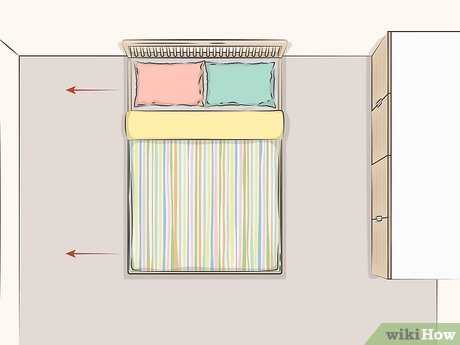
Start by maximizing space with smart furniture placement and multifunctional pieces. Use vertical storage, keep pathways clear, and select appropriately scaled furniture to make the room feel larger and more comfortable.
For a small bedroom, the key is to optimize every inch with thoughtful furniture arrangement. Focus on creating a sense of openness by choosing multi-use furniture, arranging pieces to free up walking space, and leveraging vertical storage options to keep clutter out of sight. With clever placement, even the tiniest rooms can feel spacious and inviting.
Feeling cramped in your small bedroom? The secret is to think vertically, select versatile furniture, and keep the layout simple and functional. By carefully planning where each piece goes, you can transform your tight space into a cozy retreat that feels much larger than it really is. Start by decluttering, then experiment with arrangements until you find a flow that feels natural and open.

How to arrange furniture in a small bedroom
Understanding Your Space Before Moving Furniture
Before arranging furniture, get familiar with the dimensions of your small bedroom. Measure the length, width, and height of the room to know exactly how much space you are working with. Take note of fixed features such as windows, doors, and any built-in storage.
Creating a floor plan on paper or using room design apps can help visualize different layouts. Consider drawing to scale to see how each piece of furniture fits. This step helps prevent overcrowding and ensures smooth traffic flow.
Selecting the Right Furniture Pieces
Choosing furniture that fits your space is crucial. Opt for multi-functional items such as beds with drawers or storage underneath. Keep the furniture size proportionate to the room to avoid making the space feel cramped.
Here’s a quick list of essential furniture for a small bedroom:
- Bed: Choose a size that leaves room for movement, such as twin or full.
- Storage: Use under-bed storage or wall-mounted shelves to maximize space.
- Desk or Vanity: Opt for compact designs to save space.
- Nightstand: Select slim or wall-mounted options.
Hanging shelves or wall-mounted organizers help free up floor space, making the room appear larger.
Optimal Bed Placement Strategies
The bed is often the largest piece of furniture and should be placed thoughtfully. Position the bed against a wall that allows easy access from both sides. Avoid placing it in the center of the room unless space permits, which can make the area feel boxed in.
Placing the bed near a window can be tempting but consider potential glare and privacy. If natural light is your priority, position the bed away from direct sunlight. For better space utilization, a bed with a headboard attached to the wall can save room.
Maximizing Storage and Organization
In small rooms, clutter reduces the perception of space. Use vertical storage options such as tall wardrobes or shelving units. Incorporate storage beds and ottomans that double as seating and storage.
Arrange shelves above the bed or desk for books, decorative items, or essentials. Use baskets or boxes inside closets to keep belongings organized. Clear surfaces enhance the room’s openness, so keep the top of dressers and nightstands tidy.
Creating Pathways for Easy Movement
Design pathways that are at least 2 to 3 feet wide for comfortable movement. Avoid placing furniture directly in walkways, which can make the space look cramped. Leave enough space around the bed to access it from both sides.
Use furniture placement to create natural traffic flow. For example, position a dresser along the wall opposite the door or near a corner to maximize open space. Think about how often you need to access each piece and arrange accordingly.
Utilizing Corners and Walls Effectively
Corners are often underused spots that can hold storage or furniture. Place corner shelves or corner desks to save central space. Mount items like TV brackets or hooks high on the wall to clear surface area.
Avoid cluttering the space near doorways and windows, because these areas are essential for ventilation and access. Use wall-mounted hooks or pegboards for accessories, jewelry, or bags to keep the room tidy.
Lighting to Enhance Space Perception
Lighting influences how spacious your room feels. Combine natural and artificial lighting to brighten the space. Use wall-mounted lamps or sconces instead of table lamps to free up surface space.
Decorate with light-colored curtains, bedding, and walls to create an airy atmosphere. Strategically placed mirrors reflect light and make the room appear larger. Place lighting near storage areas for better visibility.
Adding Decorative Touches Without Cluttering
Decorate with mindful restraint; select a few statement pieces rather than overcrowding surfaces. Choose a few colorful or textured items to add personality. Use wall art or photos to decorate without taking up space.
Rugs can define different areas and add warmth. Keep decorative accessories minimal to avoid clutter, which can make a small room seem busier and smaller. Focus on functional decor that also serves as visual interest.
Implementing Flexibility in Furniture Arrangement
Small rooms benefit from flexible furniture options like fold-away beds or desks that can be tucked away when not in use. Use lightweight furniture that is easy to move around for different needs.
Adjusting the arrangement based on daily routines or activities keeps the room feeling fresh and functional. Modular furniture pieces allow adapting the space as your needs change. This flexibility creates a more comfortable and versatile environment.
Tips for Staying Clutter-Free
Maintain a clutter-free room by regularly reviewing belongings and donating items you no longer need. Use storage baskets or boxes inside closets to keep small items organized. Designate specific spots for everyday essentials.
Adopt the habit of tidying up daily, especially in small spaces where clutter can quickly accumulate. This will help keep your room inviting and visually spacious.
Arranging furniture in a small bedroom can seem challenging, but with strategic planning and thoughtful choices, you can create a cozy, functional space. Prioritize multi-purpose furniture, utilize vertical storage, and keep pathways clear to maximize your room’s potential. Remember, the key is to balance comfort and practicality while maintaining an open, airy feeling. Small rooms can become charming retreats when designed with care and creativity.
Frequently Asked Questions
What are effective ways to maximize space in a small bedroom for furniture arrangement?
Use multi-functional furniture such as beds with built-in storage or fold-away desks to save space. Position larger items against walls to open up the center of the room. Keep pathways clear and avoid clutter by choosing appropriately sized furniture that fits well within the room’s dimensions. Incorporate vertical storage options like wall-mounted shelves to utilize unused wall space efficiently.
How can I arrange furniture to make a small bedroom feel more spacious?
Arrange furniture away from the door to create an open flow and prevent congestion. Use mirrors strategically to reflect light and give the illusion of more space. Select light-colored or neutral tones for furniture and decor, which help brighten the room. Keep larger furniture positioned parallel to the walls to free up the central area, making the room appear larger and more open.
What layout strategies work best for fitting essential furniture in a tiny bedroom?
Create zones within the room by placing your bed along the longest wall to maximize space. Use compact furniture pieces, such as a small desk or a bedside table, that do not overwhelm the room. Consider placing the bed against a corner to free up more floor space. Avoid placing furniture in pathways or areas that block natural light, which helps make the room feel more open.
How can I organize furniture in a small bedroom to improve functionality?
Opt for furniture pieces that serve multiple purposes, such as a storage bed or a desk with drawers. Keep frequently used items within easy reach and store less-used items out of sight to reduce clutter. Arrange furniture thoughtfully to create designated areas for sleeping, working, and storage, ensuring each zone is accessible without obstructing movement. Regularly declutter to maintain a functional and inviting space.
Are there specific furniture placement tips to avoid overcrowding in a small bedroom?
Place large furniture against the walls to free up central space and avoid placing bulky items in the middle of the room. Use narrow or slim-profile furniture to prevent crowding corners and pathways. Leave enough room around furniture for easy movement and access to all areas. Avoid overfilling the room by selecting only essential pieces and maintaining a clean, organized layout.
Final Thoughts
Arranging furniture in a small bedroom requires thoughtful planning. Use multi-functional pieces to save space and keep the room uncluttered. Position furniture against walls to maximize floor area and enhance movement.
Choose light colors and mirrors to create an illusion of openness. Keep the layout simple, prioritizing comfort and functionality.
In conclusion, arranging furniture in a small bedroom involves strategic placement and smart choices. Focus on maximizing space and maintaining a clean, organized look.