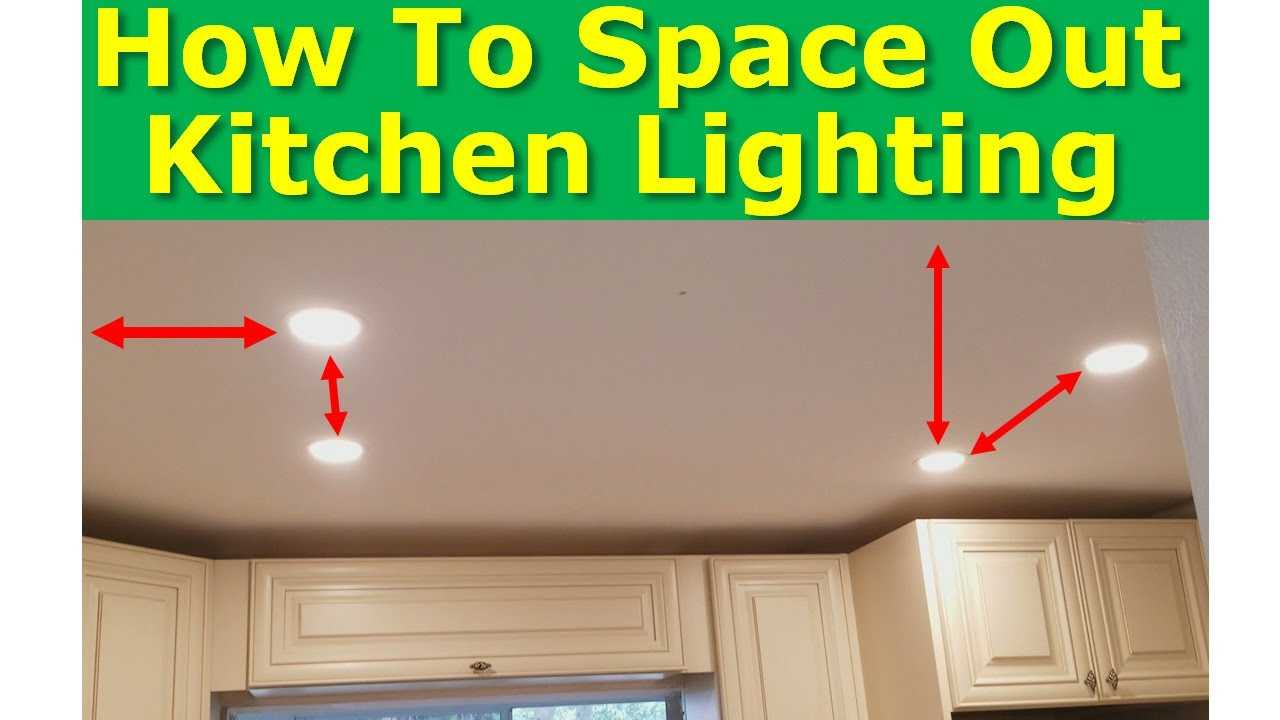
To prevent shadows in your kitchen, position your lights strategically to ensure even coverage, such as using layered lighting with ceiling fixtures, under-cabinet lights, and wall-mounted lamps. Incorporate multiple light sources from different angles and avoid placing lights directly above work areas without additional support to reduce shadows. Adjusting the height and direction of your fixtures can make a significant difference in creating a well-lit, shadow-free environment.
If you want to avoid shadows with kitchen lighting placement, focus on layering different types of light sources and placing them at various angles around your workspace. Proper positioning and adjustable fixtures help in distributing light evenly, so your kitchen remains bright and functional without annoying shadows that hinder cooking or prep work.
Lighting in the kitchen is crucial for both style and functionality. When shadows fall across countertops or sinks, it can make tasks difficult and create a less inviting atmosphere. To effectively eliminate shadows, start by understanding the layout of your kitchen and carefully plan the placement of your lights. Use a combination of ambient, task, and accent lighting, keeping sources close enough to evenly illuminate surfaces from multiple directions. By thoughtfully positioning fixtures and choosing adjustable options, you’ll enjoy a brighter, more comfortable space that’s perfect for cooking and socializing.

How to avoid shadows with kitchen lighting placement
Shadows in the kitchen can make cooking and cleaning difficult. Proper lighting placement helps eliminate these shadows. Careful planning ensures every corner is well-lit and shadows are minimized.
Understanding why shadows form in the kitchen
Shadows appear when light is blocked by objects or people. In kitchens, shadows often occur around counters, islands, and under cabinets. Knowing where shadows form helps you plan better lighting.
Factors influencing shadows include the type of lighting, its placement, and the room’s layout. Light sources placed directly above or in front of workspaces often produce fewer shadows. Shadows can hide dirt, make tasks harder, and cause eye strain.
The importance of layered lighting in the kitchen
Layered lighting involves using multiple light sources at different levels. It combines ambient, task, and accent lighting. This setup provides uniform illumination and reduces harsh shadows.
Ambient lights give overall brightness. Task lights focus on work areas like countertops. Accent lights highlight design features. Combining these ensures shadows don’t dominate the kitchen space.
Positioning ambient lighting to reduce shadows
Use ceiling fixtures strategically
Ceiling-mounted lights, such as LED panels or flush mounts, should be placed centrally for even distribution. Avoid placing them directly above work areas unless supplemented by task lighting.
Installing multiple fixtures can prevent dark spots and harsh shadows. Consider a grid pattern or spaced fixtures to balance light across the ceiling.
Diffuse ambient light for softer shadows
Using diffusers or frosted glass covers softens light and minimizes shadows. They spread light more evenly across the room, reducing sharp shadow edges.
Choose fixtures with wide beam angles to distribute light broadly. Avoid narrow-focused lighting that can cast localized shadows.
Effective placement of task lighting for shadow-free workspaces
Under-cabinet lighting is key
Under-cabinet lights illuminate countertops directly. Position them close to the surface but avoiding direct glare.
LED strip lights or puck lights are popular choices. Ensure they are evenly spaced and aligned with work zones to prevent shadows from falling on the workspace.
Use adjustable task lights
Flexible fixtures, such as gooseneck lamps or swing-arm sconces, can be directed precisely where needed. Adjusting them helps eliminate shadows created by fixed lights.
Place task lights at a 45-degree angle from the work surface for optimal brightness and shadow reduction.
Incorporating accent and decorative lighting to minimize shadows
Accent lighting adds visual interest and depth. Proper placement can also help fill shadows around cabinets, appliances, and decorative features.
Install wall sconces or cabinet lighting at strategic locations. Small, focused fixtures reduce dark patches and brighten shadowed corners.
Utilizing lighting design tips for shadow-free cooking areas
Place lights at optimal angles
Position lights to shine directly onto work surfaces. Avoid fixtures mounted behind or directly above the user, which can cast shadows onto the work area.
Angles of approximately 30 to 45 degrees from the work surface provide the best illumination without creating shadows.
Combine multiple light sources
Using a mix of overhead, under-cabinet, and task lighting minimizes the risk of shadows. Overlap lighting zones to ensure no area remains dim or shadowed.
Layered lighting creates balanced brightness and helps prevent harsh shadow lines.
Choosing the right light bulbs and fixtures
Opt for bright, white light bulbs
LED bulbs with a color temperature between 3000K and 4000K give bright, white light suitable for kitchen tasks. These improve visibility and reduce shadows.
Look for bulbs with high lumens output for increased brightness without energy waste.
Fixture types and shapes matter
Use fixtures that diffuse light evenly. Flush mounts, semi-flush, and fixtures with wide beam angles are excellent choices.
Avoid narrow, spotlight-style fixtures that can create intense shadows and glare.
Smart lighting options to enhance shadow control
Smart lights enable adjustable brightness and color temperature. They allow you to customize lighting as per your task or preference.
Motion sensors or dimmers can help you fine-tune lighting placement and eliminate shadows during different activities.
Planning your kitchen lighting layout
Start with a detailed layout plan
Sketch your kitchen and mark key work zones. Identify potential shadow areas and plan fixtures accordingly.
Consider the height and angle of fixtures to achieve optimum light coverage.
Test your plan with lighting simulations
If possible, use lighting simulation tools or consult with professionals. Visualizing how light falls helps optimize fixture placement before installation.
Additional tips for shadow-free kitchen lighting
- Keep light fixtures at uniform heights for balanced illumination
- Use reflectors or light-colored surfaces to bounce light and fill shadows
- Regularly clean fixtures and bulbs for maximum brightness
- Adjust fixtures as needed based on changing kitchen arrangements or tasks
By paying close attention to fixture placement, angle, and type, you can create a well-lit kitchen that minimizes shadows. Adequate lighting enhances safety, functionality, and ambiance, making your kitchen a more pleasant space to cook and gather.
Frequently Asked Questions
What are effective ways to position task lighting to prevent shadows on work surfaces?
Position task lighting directly above or slightly in front of work surfaces to minimize shadows. Use adjustable fixtures so you can direct light precisely where you need it. Incorporate multiple light sources at different angles to evenly illuminate the area and reduce harsh shadows caused by single light points.
How can the use of layered lighting help in reducing shadows in the kitchen?
Layered lighting combines ambient, task, and accent lights to create a balanced illumination scheme. By layering different light sources, you ensure that shadows from one fixture are filled in by others, resulting in more even lighting and eliminating dark spots on countertops and cabinets.
What considerations should I keep in mind for placing pendant lights over kitchen islands?
Hang pendant lights at an appropriate height—generally 30 to 36 inches above the countertop—to avoid casting shadows. Avoid clustering them directly in line; instead, space them evenly to distribute light uniformly. Using multiple fixtures with diffusers can also help soften and spread light effectively.
Can the direction of ceiling lights influence shadow formation, and how should I adjust them?
Yes, the angle and direction of ceiling-mounted lights significantly impact shadow creation. Adjust ceiling fixtures to direct light outward and downwards, reducing the chance of shadows cast over work areas. Using fixtures with adjustable heads allows fine-tuning of light direction to achieve optimal coverage.
What role does natural light play in shadow management within a kitchen space?
Natural light naturally reduces shadows and adds a warm ambiance. Position windows and open blinds strategically to maximize daylight during the day. Combine natural light with artificial lighting to ensure consistent, shadow-free illumination throughout the kitchen, especially during evening hours.
Final Thoughts
To avoid shadows with kitchen lighting placement, position lights to illuminate work areas directly. Use multiple light sources from different angles to eliminate dark spots. Incorporate under-cabinet lighting for task areas, ensuring even brightness. Proper lighting placement enhances visibility and creates a welcoming atmosphere.