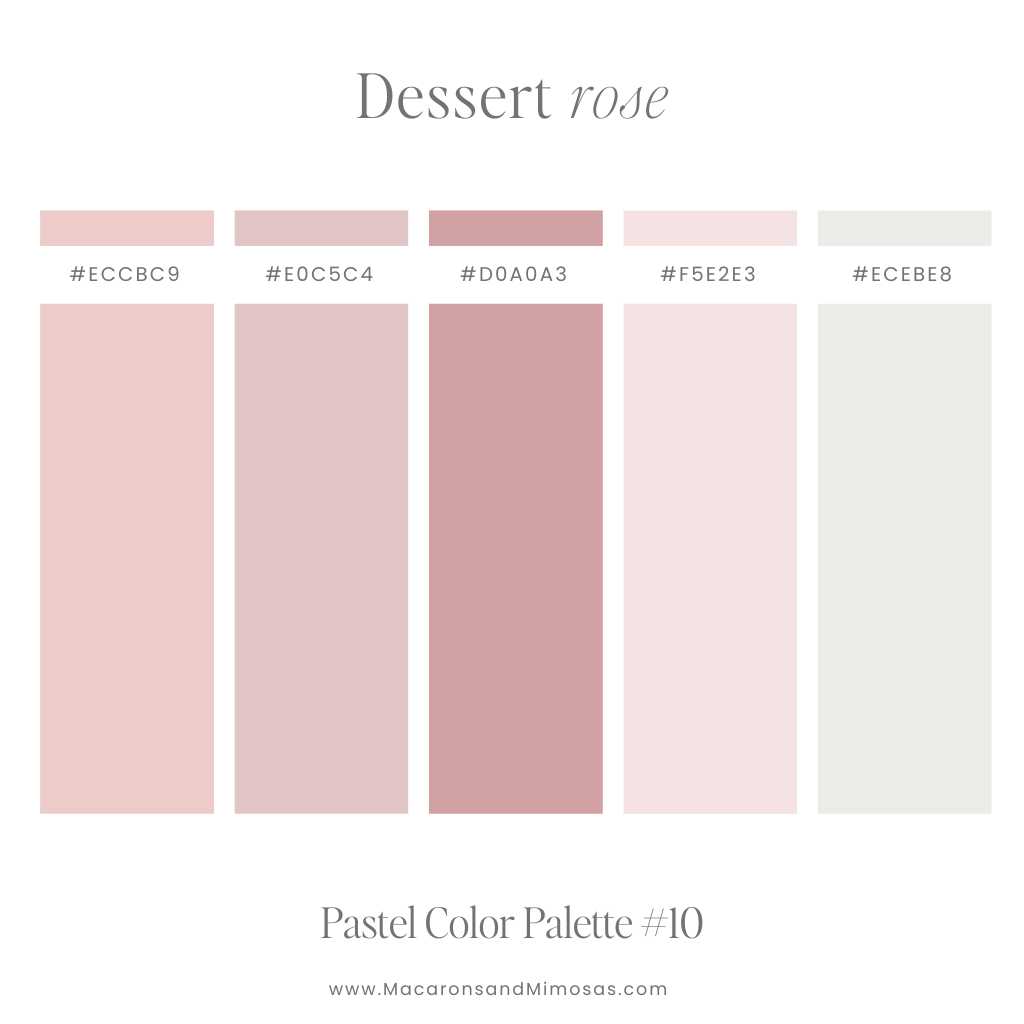
To choose soft pastel or muted color palettes, consider the mood you want to create and the context in which the colors will be used. Think about the emotions and atmosphere you aim to evoke—calm, sophistication, or playfulness—and select colors that align with those feelings. Pay attention to complementary shades and how they blend together to produce a harmonious look. Ultimately, balancing your color choices and experimenting with different combinations will help you craft a beautiful, subdued palette that enhances your space or design project.
Selecting the perfect soft pastel or muted color palette involves understanding the mood you want to set, considering color harmony, and experimenting with combinations until you find what feels right. These gentle hues can transform any space or design into a calming and sophisticated environment when chosen thoughtfully. For example, if you’re designing a kitchen with a serene and inviting atmosphere, you might explore warm kitchen color ideas that incorporate soft pastels or muted tones to enhance the overall aesthetic.
Diving into soft pastel or muted color palettes can be an exciting journey, especially if you’re aiming for a look that feels gentle and elegant. These colors are perfect for creating a serene atmosphere, whether in interior decor, fashion, or graphic design. When choosing these hues, start by identifying the mood you want—calm, cozy, or refined—and then select shades that complement each other to build a balanced composition. Soft pinks, blush tones, pale blues, and muted greens are popular options that evoke tranquility and warmth. Remember, experimenting with different shades and testing how they look together in your space or project helps ensure your palette resonates with your vision.