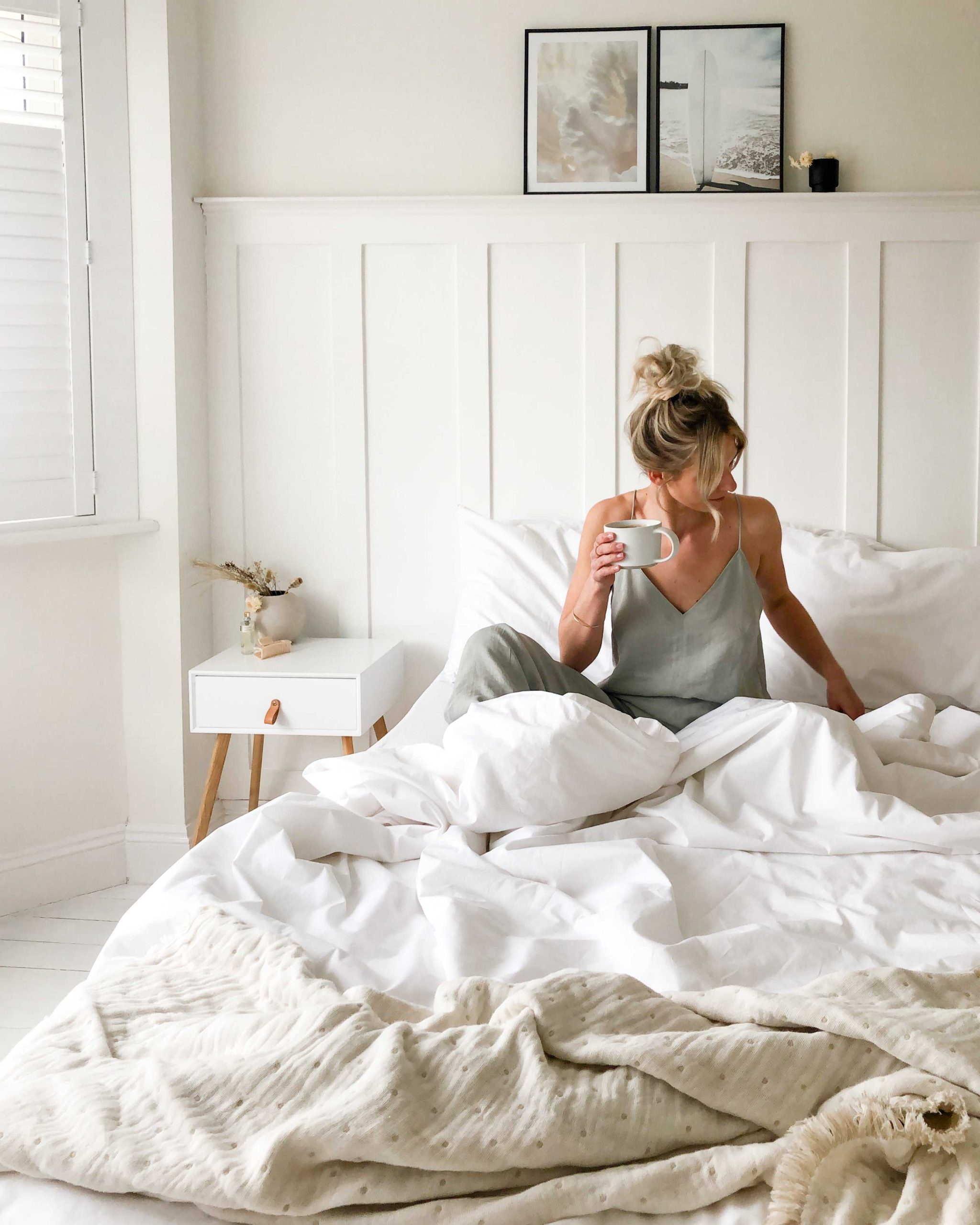
To create a calming bedroom, focus on soothing colors, soft lighting, and clutter-free space. Incorporate cozy textiles and calming scents to make your sanctuary inviting and stress-free. Keep your room tidy, use gentle lighting, and add personal touches that promote relaxation.
Transforming your bedroom into a peaceful retreat is easier than you think. Start by choosing calming hues like soft blues or neutral tones to set a tranquil mood. Incorporate warm, gentle lighting—think dimmable lamps or fairy lights—to create a cozy ambiance. Declutter your space to reduce stress and promote relaxation, making it easier to unwind at the end of the day. Adding plush textiles, such as plush pillows or a soft throw, enhances comfort. Finally, introduce calming scents like lavender or chamomile through candles or diffusers, which can help soothe your mind and prepare you for restful sleep. All these simple changes work together to craft a serene, restorative environment perfect for relaxation.

How to Create a Relaxing Atmosphere in Your Bedroom
Creating a calming and peaceful bedroom environment can greatly improve your sleep quality and overall mood. Every element in your bedroom, from lighting to furniture, can influence your state of mind and relaxation levels. This guide will show you simple yet effective ways to make your bedroom a cozy retreat.
Understanding the Importance of a Relaxing Bedroom
A bedroom designed for relaxation helps you unwind and reduces stress. It creates a space where you feel safe and comfortable. When your environment promotes calmness, it becomes easier to fall asleep and stay asleep throughout the night.
Choosing the Right Color Palette
Colors play a big role in setting the mood of your bedroom. Soft, neutral colors like light blue, beige, or pastel shades are known for their calming effects. Avoid bright or bold colors which can feel stimulating rather than soothing.
How Colors Affect Your Mood
Warm colors such as red or orange might energize you, making it harder to relax. Cooler tones like blue and green help lower heart rate and blood pressure, promoting tranquility. Select colors that bring you a sense of peace and comfort.
Optimal Lighting for Relaxation
Lighting should be soft and adjustable to create a welcoming ambiance. Bright lights can be harsh and disruptive, so opt for options that can be dimmed or filtered.
Types of Lighting to Consider
- Warm-colored LED bulbs
- Table lamps with fabric shades
- String lights for a cozy glow
- Nightlights for gentle illumination
Tips for Better Lighting
Adjust your lighting based on the time of day or activity. Use dimmers to control brightness for reading, relaxing, or sleeping. Avoid overhead fluorescent lighting that can cause glare and discomfort.
Choosing Comfortable and Inviting Furniture
Furniture impacts both the look and feel of your bedroom. Comfortable furniture invites you to relax and makes your space more inviting.
Key Furniture Tips
- Select a supportive bed with a good mattress and soft bedding
- Use cozy and plush pillows for added comfort
- Include a comfortable armchair or reading nook
- Make sure furniture size fits the room for easy movement
Decluttering for Serenity
A tidy bedroom reduces stress and creates a peaceful atmosphere. Keep surfaces clear and organize belongings in storage containers. Minimalism fosters a sense of calm and reduces visual noise.
Adding Textures and Comfort
Textures such as soft blankets, plush rugs, and cushioned pillows make your bedroom feel warm and inviting. Mixing different textures enhances visual interest and comfort.
Best Textures for Relaxation
Consider materials like cotton, linen, velvet, and faux fur. Incorporate plush rugs, cozy throw blankets, and soft curtains to create layers of comfort.
Controlling Noise and Maintaining Silence
Noise can disturb your sleep and disturb your peaceful environment. Minimize sounds with strategic choices and soundproofing.
Noise-Reducing Tips
- Use thick curtains or blackout blinds to block outside noise
- Consider a white noise machine or soft background music
- Seal gaps around windows and doors to prevent sound leaks
- Place rugs or carpets to absorb sound
Ensuring Fresh Air and Proper Ventilation
Good airflow fills your room with fresh air, making it easier to breathe and relax. Open windows when possible to bring in outside air. Use air purifiers to maintain optimal air quality.
Ventilation Tips
Keep windows slightly open or use exhaust fans to circulate air. Regularly change air filters to reduce indoor pollutants. Avoid stuffy environments that can cause discomfort.
Incorporating Aromatherapy and Scents
Aromas like lavender, chamomile, or vanilla are known for their calming effects. Use essential oils, scented candles, or diffusers to introduce soothing scents into your space.
Choosing the Right Scents
Opt for natural and subtle fragrances that promote relaxation. Avoid strong or overwhelming smells that could disturb your sense of calm.
Maintaining a Clutter-Free Environment
A clutter-free room reduces mental stress and creates a tranquil atmosphere. Keep surfaces clear and store belongings neatly away.
Organizational Tips
Use baskets, boxes, and shelves to organize items. Limit personal items on surfaces to reduce visual clutter. Regularly tidy your room to sustain a peaceful environment.
Personal Touches for a Serene Space
Add personal items like calming artwork, family photos, or plants that make you feel at home. Keep decorations simple to avoid visual overload.
Choosing Art and Decor
Select calming images like nature scenes or abstract art in soft colors. Avoid cluttered or overly busy decorations.
Introducing Nature Elements
Plants and natural materials promote feelings of well-being. They improve air quality and bring a touch of outdoors inside.
Best Plants for Relaxation
Consider low-maintenance plants like snake plants, pothos, or lavender. Ensure plants receive adequate light and water to thrive indoors.
Creating a Bedtime Routine
A consistent routine helps signal your body to relax and prepare for sleep. Include calming activities like reading or gentle stretching.
Sleep-Enhancing Practices
Avoid screens an hour before bed, keep a regular sleep schedule, and practice deep breathing or meditation to wind down.
Final Tips for a Relaxing Bedroom
Remember that creating a relaxing environment takes time and personal touches. Regularly evaluate your space and make adjustments to enhance comfort and tranquility. Your bedroom should be your personal haven where you feel peaceful and refreshed each day.
14 Tips To Turn Your Bedroom Into A Stress-Free Sleep Oasis!
Frequently Asked Questions
What lighting options can help create a calming ambiance in the bedroom?
Using soft, warm lighting options such as bedside lamps with dimmable bulbs or fairy lights can foster a cozy and relaxing environment. Avoid harsh overhead lighting, and consider installing a dimmer switch to adjust the brightness according to your mood and activities, promoting restful feelings before sleep.
How can the choice of colors influence the bedroom’s atmosphere?
Selecting soothing colors like pastel blues, gentle greens, or neutral tones can promote a sense of calm and tranquility. Paint walls with these colors or incorporate soft-colored bedding and decor to encourage relaxation and reduce stress in your space.
What are some ways to incorporate natural elements for a peaceful setting?
Integrate natural elements such as potted plants, wooden furniture, or stone accents to bring a touch of nature indoors. These elements can enhance the feeling of serenity and help create a balanced, harmonious environment conducive to relaxation.
How does decluttering impact the overall atmosphere of the bedroom?
Keeping your bedroom tidy and clutter-free reduces visual chaos and fosters a sense of order. Use storage solutions to organize belongings neatly, allowing you to unwind more easily and create a tranquil retreat that promotes peaceful sleep.
In what ways can sound influence the relaxation of a bedroom environment?
Implementing calming sounds such as gentle music, white noise machines, or nature sounds can mask disruptive noises and create a soothing auditory backdrop. This helps your mind relax, making it easier to fall asleep and enjoy restful nights.
Final Thoughts
Creating a relaxing atmosphere in your bedroom involves simple yet intentional choices. Use soft lighting, such as bedside lamps or fairy lights, to create a cozy ambiance. Incorporate calming colors and comfortable textiles to make the space feel inviting. Keep your room tidy and clutter-free to promote a sense of peace. By paying attention to these details, you make your bedroom a perfect retreat for relaxation and restful sleep. How to create a relaxing atmosphere in your bedroom becomes easier when you focus on comfort and tranquility.