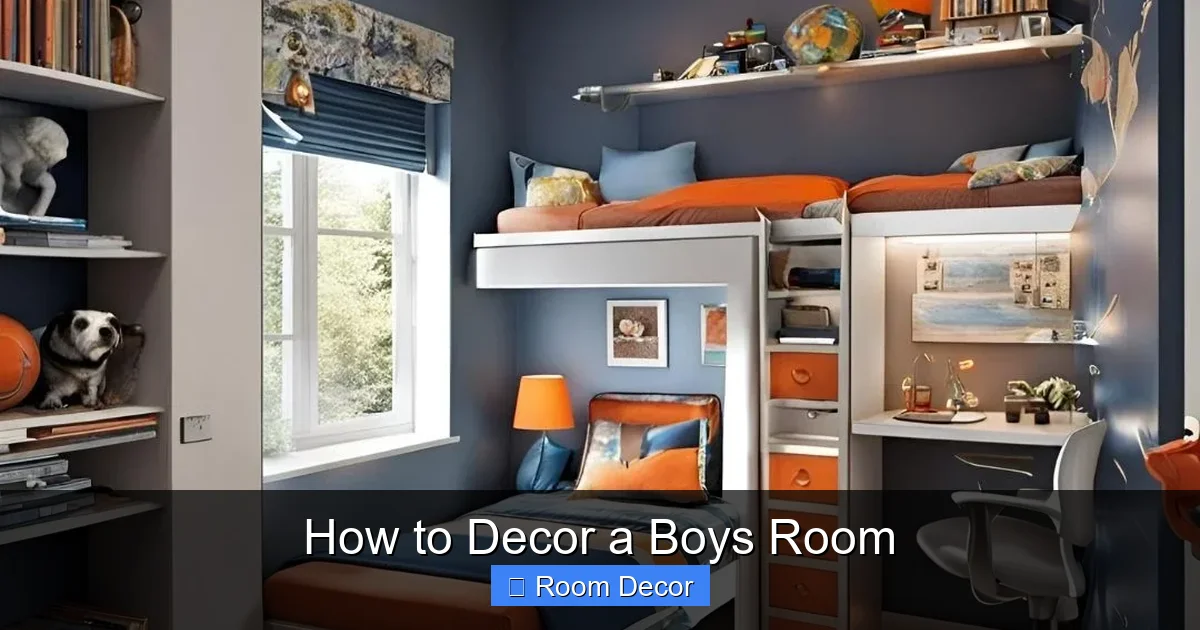
Creating a fantastic boys room is easier than you think! This guide walks you through the entire process, from planning and choosing a theme to selecting furniture, colors, and decor. Learn how to make a space that’s both exciting and practical, reflecting his personality and growing needs. Discover tips for maximizing space and keeping it organized, ensuring a room he’ll love for years to come.
Decorating a boys room can be a fun and rewarding project. It’s a chance to create a space that is not only stylish but also functional, reflecting your son’s personality and interests. Whether you’re starting from scratch or looking to refresh an existing space, this comprehensive guide will walk you through every step. We’ll cover everything from initial planning and theme selection to choosing the right colors, furniture, and decorative elements. Get ready to transform his room into a place he’ll love spending time in!
Key Takeaways
- Understand His Interests: The most important step is to involve your son in the decorating process to ensure the room reflects his personality and passions.
- Choose a Versatile Theme: Opt for themes that can grow with him, avoiding overly childish or niche ideas that he might outgrow quickly.
- Prioritize Functional Furniture: Select furniture that is durable, safe, and offers smart storage solutions to keep the room tidy.
- Strategic Color Choices: Use color to create mood and define zones, considering both his preferences and the overall feel of the room.
- Smart Storage Solutions: Implement a variety of storage options, like bins, shelves, and under-bed drawers, to manage clutter effectively.
- Personalize with Decor: Add personal touches through artwork, accessories, and lighting that showcase his unique style and hobbies.
- Flexibility for Growth: Design the room with adaptability in mind, allowing for easy updates as his interests and needs change.
Step 1: Involve Your Son and Understand His Interests
The most crucial first step in decorating any room, especially a boys room, is to involve your son. This isn’t just about his preferences; it’s about making the space feel like his own. Start by having a conversation with him. Ask him what he likes, what his favorite colors are, what his hobbies are, and what kind of activities he enjoys doing in his room. Does he love superheroes? Is he fascinated by space? Is he a budding athlete? Does he enjoy reading or building? His answers will provide invaluable inspiration for themes, colors, and decor.
Talk About His Favorite Things
Sit down with him and brainstorm. Look through magazines or online inspiration boards together. This is a collaborative effort. If he’s very young, you might guide him towards broader themes, but for older boys, their input is paramount. Understanding his passions will help you create a room that truly resonates with him, fostering a sense of ownership and pride.
Consider His Age and Stage
The decorating needs of a toddler are very different from those of a teenager. A young child might love a cartoon character theme, while a teen might prefer something more mature and sophisticated. Think about how long you want the decor to last. Aim for themes that can evolve or be easily updated as he grows.
Step 2: Choose a Theme or Style
Once you have a good understanding of your son’s interests, you can start thinking about a theme or overall style. The theme doesn’t have to be overly literal. It can be a color scheme, a feeling, or a collection of elements that represent his passions.
Popular Theme Ideas
- Adventure/Exploration: Maps, globes, compasses, travel-inspired decor, jungle or safari elements.
- Sports: Favorite team colors, sports equipment as decor, framed jerseys or posters.
- Space/Astronomy: Planets, stars, rockets, glow-in-the-dark elements, dark blue or black color palettes.
- Superheroes/Comics: Bright colors, comic book art, action figures, cityscape backdrops.
- Cars/Vehicles: Race car motifs, road maps on walls, toy car displays.
- Nature/Animals: Woodland creatures, ocean themes, forest elements, animal prints.
- Gaming/Tech: Pixel art, retro gaming elements, sleek modern designs.
Beyond Specific Themes
Alternatively, you might opt for a more general style that allows for flexibility. Think about concepts like:

Visual guide about How to Decor a Boys Room
Image source: homebnc.com
- Modern and Minimalist: Clean lines, neutral colors with pops of accent color, uncluttered.
- Industrial: Exposed brick, metal accents, raw wood elements.
- Scandinavian: Light colors, natural materials, cozy and functional.
Even if you don’t pick a strict theme, having a general direction will help tie the room together.
Step 3: Select a Color Palette
Color plays a huge role in the mood and feel of a room. For boys’ rooms, it’s common to see blues, greens, and grays, but don’t feel limited by these. The best colors will be those that your son likes and that complement your chosen theme or style.
Base Colors
Choose a base color or two for the walls. Neutral colors like white, cream, light gray, or beige are excellent choices because they provide a versatile backdrop for other colors and decor. They also make the room feel larger and brighter. You can then add pops of color through bedding, curtains, rugs, and accessories.
Accent Colors
Accent colors are where you can really bring in personality. If your son loves bright colors, consider using them for smaller items like throw pillows, artwork, or a feature wall. For a more calming atmosphere, opt for deeper, richer tones or a harmonious blend of complementary colors.
Consider the Mood
Think about the mood you want to create. Blues and greens tend to be calming, while reds and oranges can be energetic. For a teenager’s room, a more subdued palette might be preferred. Always consider natural light in the room; darker colors can make a room feel smaller, while lighter colors can open it up.
Step 4: Choose Functional and Age-Appropriate Furniture
Furniture is a significant investment, so choose pieces that are durable, safe, and practical. Think about storage needs from the outset.
The Bed
The bed is usually the focal point of the room. Consider the size of the room and your son’s age. A twin bed is standard, but a full-size bed might be better for an older child or if you anticipate sleepovers. Loft beds or bunk beds can be excellent space-savers in smaller rooms, offering sleeping and play or study areas underneath. Ensure the bed frame is sturdy and has no sharp edges.

Visual guide about How to Decor a Boys Room
Image source: homebnc.com
Storage Solutions
Clutter is a common challenge in boys’ rooms. Invest in smart storage solutions:
- Dressers and Chests: Opt for sturdy dressers with deep drawers.
- Bookshelves: Essential for books, trophies, and decorative items. Floating shelves can save floor space.
- Toy Chests/Bins: Great for smaller toys, LEGOs, or art supplies. Labeled bins make organization easier.
- Under-Bed Storage: Use rolling drawers or fabric bins for extra linens, seasonal clothes, or toys he doesn’t play with often.
- Wall-Mounted Organizers: Pegboards or wall grids can be fantastic for displaying collectibles or storing small items.
Desk and Study Area
If your son is school-aged, a desk is a must. Ensure it’s the right height and has enough surface area for homework and hobbies. Pair it with a comfortable, ergonomic chair. Good lighting is also essential for a study area.
Step 5: Flooring and Window Treatments
These elements often get overlooked but can significantly impact the room’s overall feel and functionality.
Flooring
Carpeting is soft and good for play, but it can be harder to clean. Hardwood or laminate flooring is durable and easy to wipe down. Adding an area rug can bring color, texture, and warmth to the room, defining different zones and providing a soft surface for playing on the floor.
Window Treatments
Curtains or blinds serve both functional and decorative purposes. They control light, provide privacy, and add to the room’s aesthetic. Consider blackout curtains for better sleep, especially for younger children. Choose durable fabrics that are easy to clean. If you have a theme, you can find curtains that tie into it, or opt for solid colors that complement your color scheme.
Step 6: Lighting
Good lighting is essential for creating the right atmosphere and ensuring the room is functional.
Ambient Lighting
This is your main light source, usually a ceiling fixture. Choose one that provides ample light without being harsh. Dimmers can be a great addition for adjusting the mood.
Task Lighting
This includes lamps for specific activities. A desk lamp is crucial for homework or reading. A bedside lamp is convenient for nighttime reading or if he needs to get up in the night.
Accent Lighting
This is for creating atmosphere. Think about string lights, nightlights, or even LED strip lights that can add a fun, dynamic element, especially in a themed room.
Step 7: Decorate and Personalize
This is where you bring the room to life and add those special touches that make it unique to your son.
Wall Decor
Walls are a prime canvas for personalization:
- Artwork and Posters: Frame your son’s own artwork or choose posters that align with his interests (movies, bands, sports, art).
- Wall Decals: These are a great, easy-to-apply way to add themed elements without permanent changes.
- Maps or Globes: Especially good for an adventure theme.
- Shelving for Displays: Use shelves to showcase his collections, like LEGO creations, model cars, or action figures.
Bedding and Textiles
Bedding is a significant visual element. Choose sheets, duvets, and pillows that fit your theme or color scheme. Throw pillows and blankets can add pops of color and texture.
Accessories
Think about smaller decorative items that reflect his personality:
- Stuffed Animals or Action Figures: Display his favorites.
- Trophies or Awards: Showcase his achievements.
- Plants: A small, easy-to-care-for plant can add a touch of life.
- Clocks: A fun, themed clock can be both functional and decorative.
Personal Touches
Don’t forget to incorporate items that are truly personal to him. This could be photos of friends and family, souvenirs from trips, or items related to his unique hobbies that might not fit a broad theme.
Step 8: Organize and Declutter
A well-organized room is a joy to be in. Once the decor is in place, focus on making sure everything has a home.
Categorize and Containerize
Group similar items together – all LEGOs in one bin, all art supplies in another, books on the shelves. Use clear or labeled containers so he knows what’s inside.
Involve Him in the Process
Teach him how to put things away. Make it a habit from the start. If he helped decorate, he’s more likely to want to keep it tidy.
Regular Purges
Periodically go through his belongings with him and donate or discard items he no longer uses or needs. This keeps the clutter at bay and ensures the room stays functional.
Troubleshooting Common Decorating Challenges
* My son keeps changing his mind about themes.
Focus on a neutral base and use decor that is easily changeable. This means posters, bedding, and smaller accessories rather than permanent murals or wallpaper. That way, you can swap out a few items to reflect his new interest without a major overhaul.
* The room feels too small.
Use light colors on walls and ceilings. Maximize vertical space with tall bookshelves or wall-mounted storage. Opt for furniture with legs to create a sense of openness. Mirrors can also help make the room feel larger.
* I want it to look good but also be practical and durable.
Choose durable materials for furniture and flooring. Select washable fabrics for bedding and upholstery. Invest in good quality storage solutions that can withstand wear and tear. Avoid delicate decorative items in high-traffic areas.
* How do I balance my taste with his?
Compromise is key. Let him have the final say on the big things he’s passionate about, like a favorite character poster or a specific color for his bedding. You can steer the more practical aspects, like the type of furniture or the wall color, to ensure the room is safe, functional, and cohesive.
Conclusion
Decorating a boys room is a wonderful opportunity to create a space that is both inspiring and practical. By involving your son in the process, choosing a theme or style that resonates with him, selecting a thoughtful color palette, and prioritizing functional furniture and smart storage, you can create a room that he will cherish for years to come. Remember to add those personal touches that make it truly his own. With a little planning and creativity, you can transform his room into a haven of fun, relaxation, and personal expression.