
Ready to elevate your dining room? This comprehensive guide breaks down the process into manageable steps, from planning your layout to selecting the perfect lighting. Learn how to create a space that’s both beautiful and functional, perfect for entertaining or everyday meals. Discover practical tips for choosing furniture, decor, and color palettes to reflect your personal style.
Are you dreaming of a dining room that wows your guests and makes every meal feel special? Perhaps your current dining space feels a bit drab, or you’re starting from scratch. Either way, you’re in the right place! This guide will walk you through every step of how to decor a dining room, transforming it into a functional and fabulous heart of your home. We’ll cover everything from the initial planning stages to the final decorative touches, ensuring you create a space that truly reflects your style and meets your needs.
Let’s get started on this exciting journey to create your dream dining room!
Key Takeaways
- Define Your Dining Room’s Purpose: Understand if your space is for formal dinners, casual meals, or multi-functional use to guide your design choices.
- Master Layout and Flow: Strategically position your dining table and chairs to ensure comfortable movement and optimal space utilization.
- Choose the Right Dining Table and Chairs: Select a table size and shape that fits your room and lifestyle, complemented by comfortable and stylish seating.
- Layer Your Lighting: Combine ambient, task, and accent lighting to create mood, enhance functionality, and highlight key features of your dining room.
- Select a Cohesive Color Palette: Use color to set the mood and tie together different elements of your dining room decor for a harmonious look.
- Incorporate Decorative Elements Thoughtfully: Add personality and visual interest with artwork, mirrors, rugs, and centerpieces that enhance, not overwhelm, the space.
- Consider Practicalities: Don’t forget about storage needs, acoustics, and maintenance when making your final decor decisions.
1. Define Your Dining Room’s Purpose and Style
Before you even think about paint colors or furniture, take a moment to consider how you’ll primarily use your dining room. This is the foundational step that will influence all your subsequent design choices.
Formal Dining Room
If you envision hosting elegant dinner parties and special occasions, your dining room decor will lean towards sophistication. Think plush fabrics, refined finishes, and a generally more formal atmosphere.
Casual Dining Room
For everyday family meals and relaxed gatherings, comfort and practicality are key. Your decor can be more laid-back, durable, and perhaps a bit more playful.
Multi-Functional Dining Space
Many dining rooms serve multiple purposes, such as a homework station, a craft area, or even a home office nook. If this sounds like your situation, your design needs to be adaptable and organized.
Identify Your Style
Once you know the function, consider the aesthetic. Are you drawn to:
- Modern: Clean lines, minimalist approach, neutral colors with pops of bold accents.
- Traditional: Classic furniture, rich colors, ornate details, and symmetrical arrangements.
- Farmhouse: Rustic elements, natural materials, distressed finishes, and a cozy, inviting feel.
- Bohemian: Eclectic mix of patterns, textures, colors, and global influences.
- Scandinavian: Light and airy, functional design, natural wood tones, and minimalist decor.
Gather inspiration from magazines, Pinterest, or Houzz. Saving images of dining rooms you love will help you create a mood board and solidify your vision.
2. Master the Layout and Flow
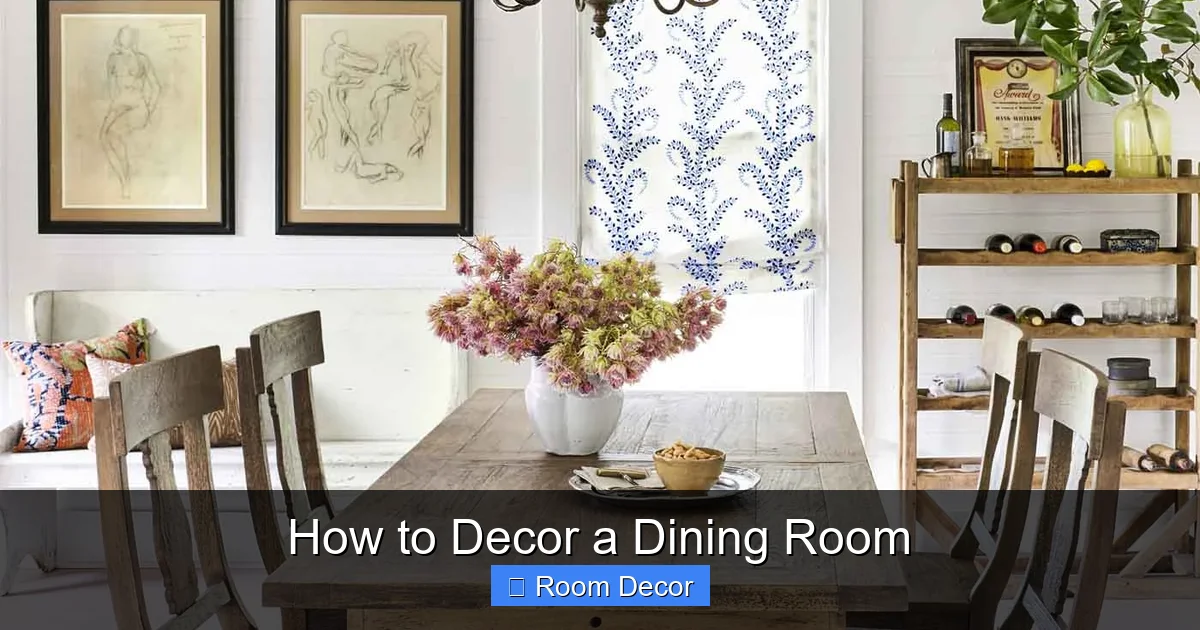
Visual guide about How to Decor a Dining Room
Image source: clv.h-cdn.co
A well-designed layout is crucial for a comfortable and functional dining room. You want to ensure there’s enough space to move around freely and that the furniture is proportioned correctly for the room.
Measure Your Space
Accurately measure your dining room’s dimensions, including any architectural features like doorways, windows, or radiators. This will prevent you from buying furniture that’s too large or too small.
Table Placement
The dining table is the focal point of the room.
- Placement: Ideally, the table should be centered in the room, or at least have ample space around it.
- Clearance: Aim for at least 3 feet (about 1 meter) of clearance around the table. This allows guests to pull out chairs and walk around comfortably. If your room is tight, consider a smaller table or a pedestal base, which often takes up less visual space.
- Traffic Flow: Ensure the placement doesn’t block essential pathways or doorways.
Consider Room Shape
The shape of your dining room can influence table choice and placement.
- Rectangular Rooms: Rectangular or oval tables often work best.
- Square Rooms: Square or round tables can be a great fit.
3. Choose the Right Dining Table and Chairs
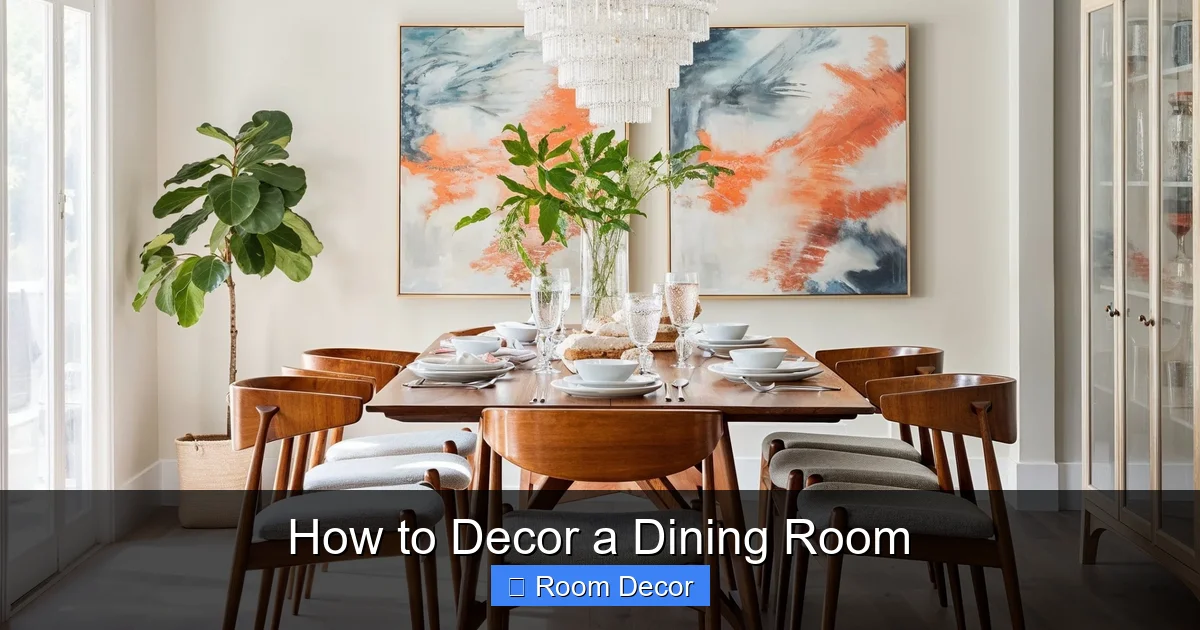
Visual guide about How to Decor a Dining Room
Image source: decorilla.com
Your dining table and chairs are the workhorses of your dining room. They need to be both comfortable and stylish, and of course, fit the scale of your space and your lifestyle.
Selecting the Dining Table
Table Shape
- Rectangular: The most common shape, versatile and can seat a good number of people.
- Oval: Similar to rectangular but with softer edges, good for traffic flow.
- Round: Encourages conversation as everyone faces each other. Ideal for smaller spaces and can feel more intimate.
- Square: Works well in square rooms and creates a focal point.
Table Size
Measure your space and consider how many people you typically seat. A good rule of thumb is to allow 24-30 inches (60-75 cm) of space per person at the table.
- For 4-6 people: A table around 48-60 inches (120-150 cm) long or 40-48 inches (100-120 cm) in diameter.
- For 6-8 people: A table around 60-72 inches (150-180 cm) long or 48-54 inches (120-135 cm) in diameter.
- For 8+ people: Consider extending tables or larger fixed tables.
Table Material
Consider durability and aesthetics.
- Wood: Classic, warm, and comes in many finishes (oak, walnut, mahogany).
- Glass: Can make a small space feel larger and is easy to clean.
- Metal: Modern and industrial, often paired with wood or glass tops.
- Stone (Marble, Granite): Luxurious and durable, but can be heavy and prone to staining.
Selecting the Dining Chairs
Comfort is Key
You and your guests will be sitting here for a while, so comfort is paramount. Look for chairs with good back support and adequate cushioning.
Style and Material
Chairs should complement your table and overall style.
- Upholstered: Offer the most comfort and come in various fabrics like velvet, linen, or leather.
- Wooden: Classic and durable, can be stained or painted to match your decor.
- Metal: Modern and sleek, can be contemporary or industrial.
- Woven/Rattan: Offer a natural, bohemian, or coastal vibe.
Chair Scale
Ensure the chairs are proportionate to the table. They shouldn’t be so tall that they block the view of the table or so short that they look lost. The seat height of the chairs should typically be about 10-12 inches (25-30 cm) lower than the tabletop.
4. Layer Your Lighting
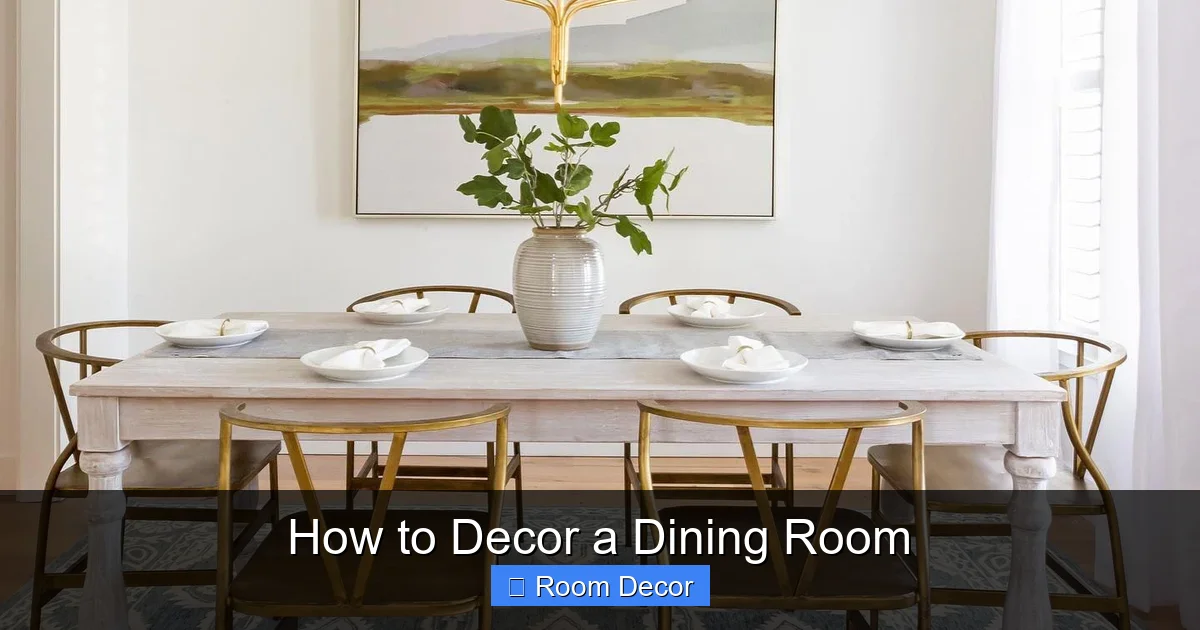
Visual guide about How to Decor a Dining Room
Image source: image1.rugs-direct.com
Lighting is one of the most impactful elements in dining room decor. It sets the mood, highlights your table, and can make the space feel inviting and elegant. Layering different types of lighting is the secret to achieving this.
Ambient Lighting
This is your general, overall illumination.
- Ceiling Fixture: A beautiful chandelier or pendant light above the dining table is a classic choice. Ensure it’s not too low (at least 30-36 inches above the tabletop) so it doesn’t obstruct views.
- Recessed Lighting: Can provide even illumination, but use sparingly to avoid a sterile feel.
Task Lighting
This type of lighting is functional and focused.
- Pendant Lights: A pair of smaller pendants can also work well, especially over a rectangular table.
- Sconces: Wall sconces on either side of a buffet or artwork can provide focused light and add decorative appeal.
Accent Lighting
This lighting draws attention to specific features.
- Dimmers: Install dimmers on all your light switches. This is a game-changer for controlling the mood, from bright and functional for meals to dim and intimate for evening relaxation.
- Buffet/Cabinet Lighting: Small LED lights inside a china cabinet or under a buffet can highlight display items.
- Picture Lights: If you have artwork, a small picture light can draw attention to it.
5. Select a Cohesive Color Palette
Color is a powerful tool in interior design. It can evoke emotions, influence the perceived size of a room, and tie all your decor elements together.
Choose Your Base Colors
Start with your walls.
- Neutrals: Whites, creams, grays, and beiges are versatile and create a serene backdrop. They allow your furniture and decor to shine.
- Blues and Greens: These colors are known for their calming effect, making them excellent choices for a dining room where you want to relax and connect.
- Warm Tones (Reds, Oranges, Yellows): Can be stimulating and energizing, perfect for more lively dining experiences. Use them strategically as accents if you prefer a calmer overall feel.
- Dark Colors: Deep blues, charcoal grays, or even black can create a sophisticated and dramatic atmosphere, especially in larger rooms or when balanced with ample lighting.
Incorporate Accent Colors
Use bolder colors or deeper shades in your accessories.
- Textiles: Throw pillows on banquette seating, tablecloths, napkins.
- Artwork: The colors in a piece of art can inspire your accent palette.
- Vases and Decorative Objects: Small pops of color can add personality.
Consider the Mood
Think about the feeling you want to create.
- Calm and Relaxed: Soft blues, greens, and neutrals.
- Warm and Inviting: Earthy tones, warm woods, and gentle yellows.
- Elegant and Sophisticated: Deep jewel tones, metallic accents, and rich textures.
- Energetic and Lively: Brighter colors, bold patterns.
6. Incorporate Decorative Elements Thoughtfully
Once the big pieces are in place, it’s time to add the details that will make your dining room truly yours. These elements add personality, texture, and visual interest.
Artwork and Mirrors
- Artwork: A large piece of art can be a focal point, or a gallery wall of smaller pieces can add character. Consider the style and color palette of your room.
- Mirrors: A well-placed mirror can visually expand the space, reflect light, and add a touch of glamour. A large statement mirror above a buffet is a popular choice.
Area Rugs
A rug can define the dining area, add warmth, and absorb sound, improving acoustics.
- Size: Ensure the rug is large enough to accommodate the table and chairs when they are pulled out. Aim for at least 2-3 feet (60-90 cm) of rug extending from all sides of the table.
- Material: Choose a durable and easy-to-clean material like wool, polypropylene, or a low-pile rug.
Window Treatments
Curtains or blinds can add privacy, control light, and introduce color and texture.
- Curtains: Hang them high and wide to make windows appear larger and allow more natural light in.
- Blinds/Shades: Offer a more minimalist look and excellent light control.
Table Centerpieces
The centerpiece adds a finishing touch to your dining table.
- Keep it Low: Ensure your centerpiece doesn’t obstruct conversation or views across the table.
- Vary Heights: Combine elements of different heights for visual interest.
- Ideas: Fresh flowers, a bowl of fruit, candles, decorative objects, or a runner with smaller items.
- Seasonal: Change your centerpiece to reflect the seasons or holidays.
Wall Decor and Accessories
- Shelving: Open shelves can display decorative items, china, or cookbooks.
- Buffet/Sideboard Decor: Style your buffet with a lamp, artwork, and decorative objects.
- Greenery: Plants or faux greenery can add life and freshness to the room.
7. Consider Practicalities
While aesthetics are important, don’t overlook the practical aspects of your dining room decor.
Storage Solutions
Do you need extra storage for dishes, linens, or serving ware?
- Buffets/Sideboards: These are stylish and functional for storing items out of sight.
- China Cabinets: Perfect for displaying your best dinnerware and glassware.
- Consoles: Can offer additional storage and a surface for decor.
Acoustics
Dining rooms can sometimes feel echoey.
- Rugs: As mentioned, rugs help absorb sound.
- Upholstered Chairs: Soft furnishings also contribute to better acoustics.
- Curtains: Thick curtains can dampen sound.
Maintenance
Choose materials that are easy to clean and maintain, especially if you have children or pets.
- Tabletop: Consider a finish that resists stains and scratches.
- Flooring: Easy-to-clean flooring is a must.
- Upholstery: Opt for stain-resistant fabrics if possible.
Troubleshooting Common Dining Room Decor Challenges
* My dining room feels too small and cramped.
* Solution: Use light colors on walls and ceiling, opt for a glass or mirrored tabletop, choose furniture with visible legs to create an illusion of space, and ensure ample lighting. Avoid heavy, dark drapes.
* My dining room feels too bare and unfinished.
* Solution: Add an area rug, artwork, and decorative accessories. Consider wall treatments like wainscoting or wallpaper on an accent wall. Ensure your lighting is sufficient and inviting.
* I have awkward architecture (e.g., a radiator, an odd-shaped wall).
* Solution: Work with it! A radiator can be partially hidden by a strategically placed bench or a custom cover. An odd-shaped wall might be perfect for built-in shelving or a unique art arrangement.
* My dining chairs aren’t comfortable.
* Solution: Add seat cushions or a lumbar pillow for extra support. If they are consistently uncomfortable, consider replacing them with more ergonomic options.
Conclusion
Decorating your dining room is a rewarding process that allows you to create a space that is both beautiful and functional. By following these steps – from defining your purpose and style to layering lighting and adding decorative touches – you can craft a dining room that you and your loved ones will cherish for years to come. Remember to trust your instincts, have fun with the process, and don’t be afraid to inject your personality into the design. Happy decorating!