
Decorating a small room can be a challenge, but with the right strategies, you can transform it into a functional and stylish haven. This guide will show you how to maximize every inch of space, create the illusion of a larger room, and infuse your personality into your decor. Learn about smart furniture choices, effective color palettes, clever storage solutions, and the art of lighting to make your small room feel expansive and inviting.
Transforming a small room from cramped to chic is an exciting decorating challenge. Many people feel limited by their square footage, but the truth is, a small room can be just as stylish, comfortable, and functional as a larger one – sometimes even more so! This comprehensive guide will walk you through every step of how to decor a small room. You’ll discover how to make your compact space feel bigger, brighter, and more welcoming, all while reflecting your personal style. We’ll cover everything from choosing the right colors and furniture to mastering the art of storage and lighting. Get ready to unlock the full potential of your small room!
Key Takeaways
- Embrace Light Colors: Lighter paint shades and finishes reflect more light, making a small room feel brighter and more open.
- Smart Furniture Selection: Opt for multi-functional, appropriately scaled furniture that doesn’t overwhelm the space.
- Vertical Space is Your Friend: Utilize walls for storage and display to keep floor space clear and reduce clutter.
- Mirror Magic: Strategically placed mirrors can create the illusion of depth and bounce light around the room.
- Declutter Ruthlessly: A tidy and organized small room always appears larger and more inviting.
- Layered Lighting: Combine ambient, task, and accent lighting to create depth and warmth, making the room feel more spacious.
- Personalize Thoughtfully: Choose decor items that are meaningful and contribute to the overall aesthetic without adding visual noise.
Step 1: Define Your Room’s Purpose and Style
Before you pick up a paint brush or buy any furniture, it’s crucial to understand what you want your small room to do and how you want it to feel. Is it a cozy reading nook, a productive home office, a serene bedroom, or a multi-functional living space?
H3: Clarify the Room’s Function
* Identify Primary Use: What is the main activity that will take place in this room? For example, if it’s a bedroom, sleep is the priority. If it’s a living room, seating and relaxation are key.
* Consider Secondary Uses: Does the room need to serve multiple purposes? A bedroom might also need to be a workspace, or a living room might double as a guest room. This will influence furniture choices.
H3: Determine Your Desired Style
* Inspiration Gathering: Look at magazines, Pinterest, Instagram, and interior design blogs. Save images that appeal to you. Notice common themes in color, furniture, and overall mood.
* Keyword Association: Think about words that describe how you want the room to feel. Cozy? Minimalist? Bohemian? Modern? These keywords will guide your decor decisions.
Step 2: Master the Art of Color and Light
Visual guide about How to Decor a Small Room
Image source: homebnc.com
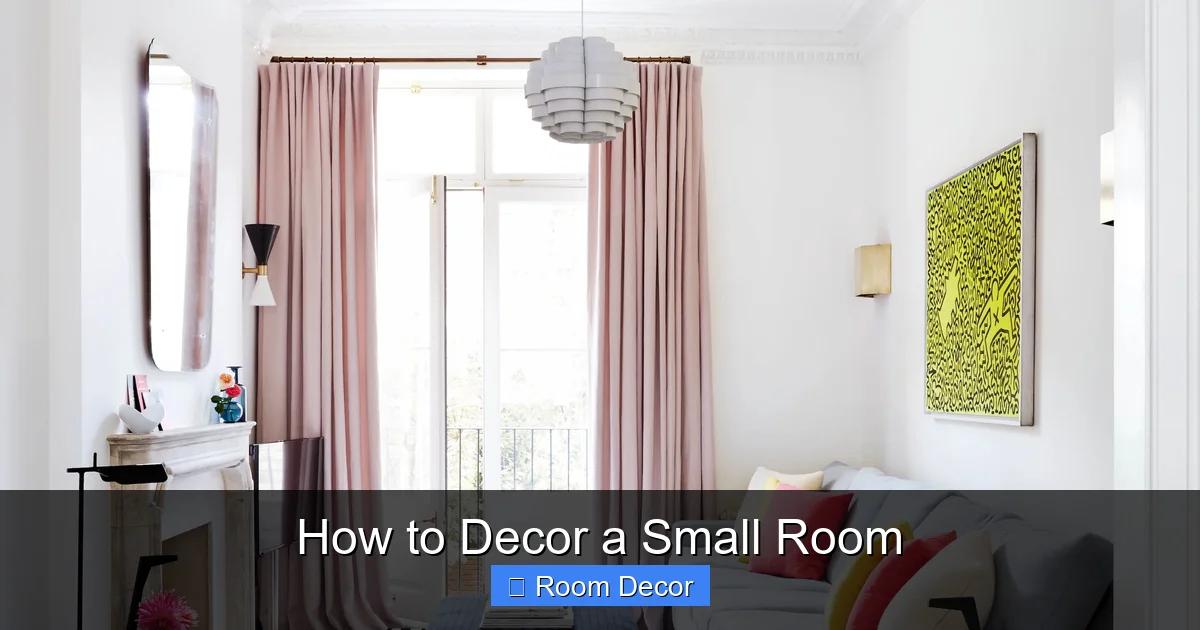
Color and light are your most powerful tools when decorating a small room. They can drastically alter the perception of space, making it feel larger and more airy.
H3: Choosing the Right Paint Colors
* Embrace Light and Neutral Tones: Whites, off-whites, soft grays, pale blues, and muted greens are excellent choices. They reflect light beautifully and create an open, expansive feel.
* Consider a Monochromatic Scheme: Using variations of a single color can create a cohesive and uncluttered look, which makes a room feel larger. Paint your walls, trim, and even some furniture in similar shades.
* The Power of a Lighter Ceiling: Painting your ceiling a lighter shade than your walls can make the room feel taller.
* Accent Walls (Use Sparingly): If you love bold colors, consider using them on a single accent wall. This can add personality without overwhelming the space. However, for truly small rooms, sticking to lighter shades throughout is often more effective.
H3: Maximizing Natural Light
* Keep Windows Unobstructed: Avoid heavy, dark curtains. Opt for light, sheer fabrics, blinds, or shutters that allow maximum light to enter.
* Clean Your Windows Regularly: It sounds simple, but clean windows let in significantly more light.
* Strategically Place Mirrors: This is one of the oldest and most effective tricks! Place a large mirror opposite a window to reflect natural light and the view, instantly making the room feel twice its size. A well-placed mirror can also create the illusion of depth.
H3: Implementing Effective Artificial Lighting
* Layer Your Lighting: Don’t rely on a single overhead light. Use a combination of ambient (general illumination), task (for specific activities like reading), and accent (to highlight features) lighting.
* Ambient Lighting: A ceiling fixture with a dimmer switch is a good start. Consider wall sconces or floor lamps for softer, diffused light.
* Task Lighting: Desk lamps for a workspace or a reading lamp next to a chair are essential.
* Accent Lighting: Small spotlights or picture lights can draw attention to artwork or decorative objects, adding visual interest and depth.
* Consider LED Bulbs: They are energy-efficient and come in various color temperatures, allowing you to create different moods. Warmer tones are generally cozier for living spaces and bedrooms.
Step 3: Smart Furniture Selection and Placement
Visual guide about How to Decor a Small Room
Image source: cdn.mos.cms.futurecdn.net
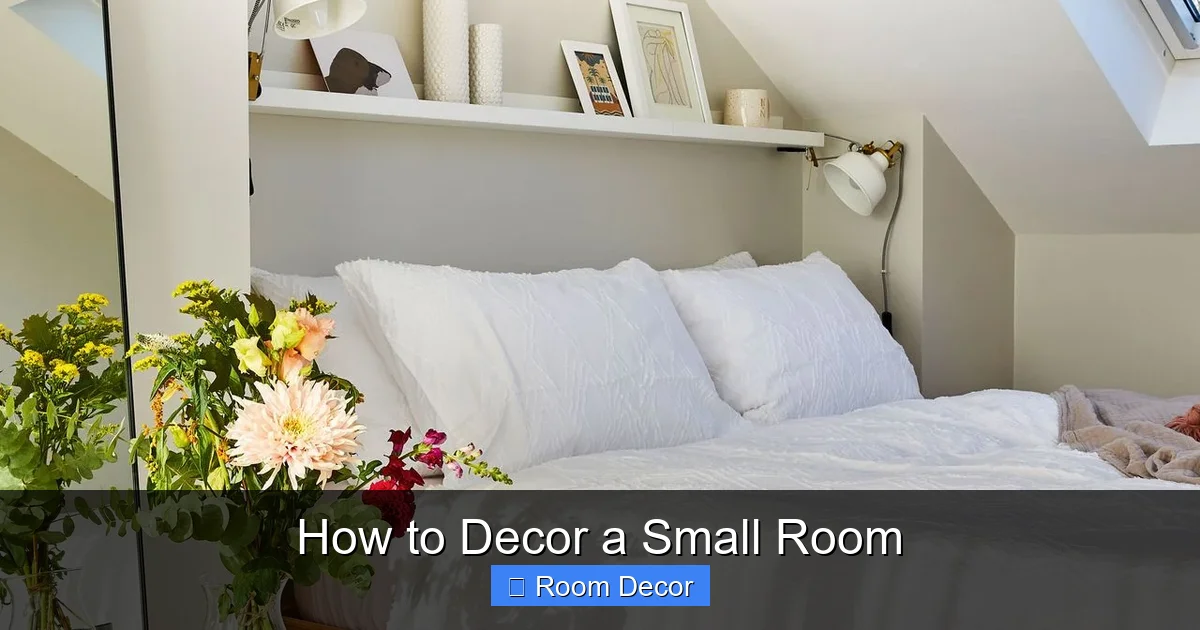
Furniture in a small room needs to be chosen carefully and placed strategically. The goal is to furnish the room adequately without making it feel crowded.
H3: Choosing the Right Furniture
* Scale is Key: Opt for furniture that is appropriately sized for the room. Oversized pieces will make the space feel smaller. Look for slim profiles and leggy furniture.
* Multi-Functional Furniture: This is a game-changer for small spaces. Think about:
* Sofa beds or futons: Ideal for living rooms that double as guest rooms.
* Ottomans with storage: Can be used as extra seating, a footrest, or a coffee table, and they hide clutter.
* Nesting tables: Provide surface space when needed and can be tucked away when not in use.
* Beds with built-in drawers: Maximize under-bed storage.
* Extendable dining tables: Perfect for smaller dining areas that can expand for guests.
* Leggy Furniture: Furniture with exposed legs (like sofas, chairs, and tables) creates a sense of openness because you can see the floor underneath. This visual trick makes the room feel less heavy and more spacious.
* Vertical Furniture: Tall, narrow bookshelves or cabinets draw the eye upward, making the ceiling appear higher.
H3: Strategic Furniture Placement
* Create Zones: Even in a small room, you can define different areas for specific activities. Use rugs or furniture arrangement to delineate these zones.
* Keep Pathways Clear: Ensure there are clear pathways to move around the room easily. Avoid blocking doorways or windows.
* Float Furniture: Don’t push all your furniture against the walls. Pulling pieces slightly away from the walls can actually make the room feel larger and more dynamic.
* Consider Round Shapes: Round coffee tables or dining tables can soften the edges of a room and make it easier to navigate.
Step 4: Maximize Storage Solutions
Visual guide about How to Decor a Small Room
Image source: makeoveridea.com
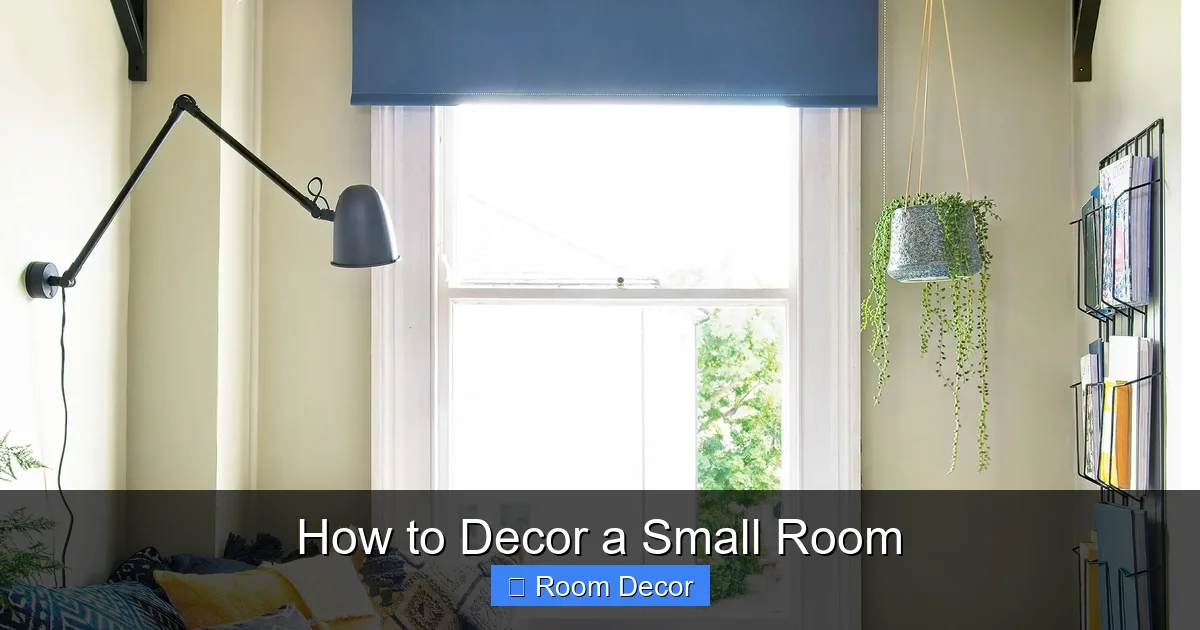
Clutter is the enemy of a small room. Effective storage is essential to keep your space tidy and feeling larger.
H3: Utilize Vertical Space
* Shelving Units: Install floating shelves or tall, narrow bookshelves. They are perfect for displaying decor and storing books or other items without taking up much floor space.
* Wall-Mounted Cabinets: These can provide enclosed storage for items you want to keep out of sight.
* Over-the-Door Organizers: Great for shoes, toiletries, cleaning supplies, or accessories.
H3: Smart Storage Furniture
* Storage Benches and Ottomans: As mentioned earlier, these are double-duty heroes.
* Beds with Drawers or Lift-Up Storage: Invest in a bed frame that offers ample storage beneath.
* Coffee Tables with Shelves or Drawers: Keep remotes, magazines, or coasters neatly stored.
H3: Creative Storage Ideas
* Baskets and Bins: Use attractive baskets and bins to group similar items together on shelves or in cabinets. This keeps things organized and visually appealing.
* Pegboards: Excellent for kitchens, craft rooms, or home offices to hang tools, supplies, or small decorative items.
* Under-Shelf Baskets: Add extra storage capacity to existing shelves.
* Declutter Regularly: The most effective storage solution is to have less stuff. Make it a habit to declutter and donate items you no longer need.
Step 5: Decorate with Purpose
Once the foundation of color, light, and furniture is in place, it’s time to add the finishing touches. Every decorative element should be chosen thoughtfully.
H3: Wall Decor
* Large Scale Art: Instead of many small pieces, consider one or two larger pieces of art. This can create a focal point and make the walls feel more expansive.
* Gallery Walls (Done Right): If you love a gallery wall, keep the frames cohesive in color or style. Avoid overcrowding.
* Mirrors, Mirrors Everywhere: As discussed, mirrors are essential for reflecting light and creating a sense of depth. Consider decorative mirrors to add style.
* Wall-Mounted Shelves: Use these not just for storage but also to display small decorative items.
H3: Textiles and Soft Furnishings
* Rugs: A well-placed rug can anchor a seating area and define a space. Lighter colored rugs can make the room feel more open. Consider a rug that extends under the front legs of your main furniture pieces.
* Cushions and Throws: Add comfort and color, but don’t overdo it. Choose a few high-quality, complementary pieces.
* Curtains: Opt for light, airy fabrics. Hang them high and wide to make windows appear larger and ceilings seem taller.
H3: Accessories and Personal Touches
* Less is More: Avoid cluttering surfaces with too many knick-knacks. Choose a few items that are meaningful and add to the overall aesthetic.
* Plants: Greenery can bring life and freshness into a room. Choose plants that are appropriate for the light conditions and size of your room. Tall, slender plants can add vertical interest.
* Think Vertically with Decor: Use tall vases, floor lamps, or hanging plants to draw the eye upwards.
Troubleshooting Common Small Room Decorating Issues
Even with the best intentions, you might encounter some challenges. Here are a few common problems and their solutions.
H3: The Room Feels Dark and Gloomy
* Problem: Not enough natural or artificial light.
* Solution: Maximize natural light by using sheer curtains. Add more light sources: a floor lamp, a table lamp, or wall sconces. Use lighter paint colors. Place mirrors strategically to bounce light.
H3: The Room Feels Cramped and Overcrowded
* Problem: Too much furniture or decor.
* Solution: Declutter ruthlessly. Opt for multi-functional furniture. Choose pieces with slim profiles and exposed legs. Ensure clear pathways.
H3: The Room Lacks Personality
* Problem: Everything looks too neutral or generic.
* Solution: Introduce accent colors through pillows, throws, or artwork. Add personal items like photos or cherished objects. Consider a statement piece of furniture or decor that reflects your style.
H3: Storage is Still an Issue
* Problem: Not enough storage, or it’s not organized effectively.
* Solution: Re-evaluate your storage needs. Invest in vertical storage solutions. Use baskets and bins to contain items. Consider hidden storage options like under-bed bins or storage ottomans.
Conclusion
Decorating a small room is an opportunity to be creative and strategic. By focusing on light, color, smart furniture choices, effective storage, and thoughtful decor, you can transform even the tiniest space into a comfortable, stylish, and functional sanctuary. Remember, the goal is to make the room feel as spacious and inviting as possible while reflecting your unique personality. Embrace the challenge, experiment with these tips, and enjoy the process of making your small room feel like a big success!