
Transform your study room into a productive and inspiring sanctuary with this comprehensive guide. Learn how to define your space, choose the right furniture, optimize lighting, and add personal touches for a truly effective and aesthetically pleasing environment. Master the art of study room decor to boost focus and creativity.
Welcome to your ultimate guide on how to decor a study room! Whether you’re a student needing a dedicated space for academic pursuits, a remote worker looking to boost productivity, or simply someone who enjoys a quiet corner for reading and hobbies, a well-decorated study room can make all the difference. This guide will walk you through every step, from conceptualizing your space to adding those final, inspiring touches. Get ready to create a study room that is not only functional but also a source of motivation and calm.
Decorating a study room is more than just arranging furniture; it’s about crafting an environment that supports concentration, creativity, and well-being. We’ll cover how to assess your needs, select the perfect desk and chair, illuminate your workspace effectively, organize your belongings efficiently, and infuse your personal style. Let’s dive in and make your study room your favorite place to be!
Key Takeaways
- Define Your Purpose: Understand how you’ll use the study room to inform every design decision, from furniture selection to storage needs.
- Prioritize Ergonomics and Comfort: Select an ergonomic chair and a desk at the right height to ensure comfort during long study sessions, preventing strain.
- Master the Lighting: Layer lighting with ambient, task, and accent options to create an optimal environment for focus and reduce eye fatigue.
- Embrace Smart Storage Solutions: Utilize shelves, drawers, and organizers to keep your study space tidy and clutter-free, which aids concentration.
- Inject Personality and Inspiration: Personalize the room with art, plants, and decor that motivate you and make the space uniquely yours.
- Consider Color Psychology: Choose a color palette that promotes focus and calmness, steering clear of overly distracting or stimulating hues.
- Optimize for Acoustics: Minimize distractions from sound by incorporating soft furnishings or acoustic panels if noise is an issue.
Step 1: Assess Your Space and Needs
Before you buy a single piece of furniture or a can of paint, take a moment to truly understand your study room. What is its primary purpose? Who will be using it? How much space do you have? Answering these questions will guide all subsequent decisions.
H3: Determine the Room’s Function
Is this purely for academic study? Will it also serve as a home office for professional work? Perhaps it’s a creative hub for writing or art. Knowing the primary function will help you prioritize what’s most important. For example, a graphic designer might need more space for a large monitor and drawing tablet, while a writer might prioritize a comfortable reading chair.
H3: Evaluate the Available Space
Measure your room carefully. Note the dimensions, window placements, and door locations. This will prevent you from buying furniture that’s too large or too small. Consider the flow of the room – how will you move around it? Avoid blocking pathways.
H3: Identify Your Storage Requirements
How many books do you have? Do you need space for files, equipment, or craft supplies? Thinking about your storage needs upfront will help you incorporate smart solutions from the start.
Step 2: Choose the Right Desk
Your desk is the centerpiece of your study room. It needs to be functional, comfortable, and fit your space.
H3: Desk Size and Shape
Opt for a desk that offers enough surface area for your essentials. A L-shaped desk can be great for corner spaces and offers ample room. A simple rectangular desk is versatile. If space is extremely limited, consider a wall-mounted or floating desk.
H3: Desk Height and Ergonomics
Ensure the desk height allows your arms to rest at a 90-degree angle while typing. Your feet should rest flat on the floor. If you’re on the shorter or taller side, consider adjustable-height desks or investing in a footrest.
H3: Desk Materials and Style
Think about the overall aesthetic of your study room. Wood desks offer warmth and durability. Metal desks can provide a modern or industrial feel. Glass desks can make a small space feel larger but can also show fingerprints easily.
Step 3: Select an Ergonomic and Comfortable Chair
You’ll be spending a lot of time in your study chair, so comfort and support are paramount.
H3: Ergonomic Features
Look for a chair with good lumbar support to protect your back. Adjustable height, armrests, and a swivel base are also important for finding your ideal seating position. A breathable fabric or mesh can prevent overheating.
H3: Style and Durability
While comfort is key, the chair should also complement your desk and the room’s decor. Ensure it’s built to last, especially if you’ll be using it for extended periods.
H3: Consider a Secondary Seating Option
If space allows, a comfortable armchair or a small sofa can provide a relaxing spot for reading, taking breaks, or informal meetings. This adds versatility to your study room.
Step 4: Optimize Your Lighting
Good lighting is crucial for reducing eye strain and creating a productive atmosphere. Aim for a layered lighting approach.
H3: Ambient Lighting
This is your general room illumination. Consider ceiling lights like a flush mount or pendant. Dimmers are a fantastic addition, allowing you to adjust the brightness as needed.
H3: Task Lighting
This is your focused light source for your work area. A good desk lamp is essential. Choose one that is adjustable and provides sufficient light without glare. Consider LED lamps for energy efficiency and longevity.
H3: Accent Lighting
This type of lighting can highlight artwork, bookshelves, or architectural features, adding depth and personality to the room. Think of wall sconces or small table lamps.
H3: Natural Light
Maximize natural light whenever possible. Position your desk near a window, but be mindful of glare on your screen. Use sheer curtains or blinds to control the intensity of sunlight.
Step 5: Implement Smart Storage Solutions
A cluttered study room is a distracting study room. Effective storage is key to maintaining focus.
H3: Vertical Storage
Utilize wall space with bookshelves, floating shelves, or wall-mounted cabinets. This frees up floor space and keeps essentials within easy reach.
H3: Drawer and Cabinet Organization
For items you want to keep out of sight, drawers and cabinets are ideal. Use drawer organizers, dividers, and file holders to keep everything neat and accessible.
H3: Desk Organizers
Pencil holders, letter trays, and small caddies for pens, paperclips, and sticky notes can keep your desk surface tidy.
H3: Creative Storage Ideas
Consider using decorative baskets, pegboards for hanging items, or even repurposing old crates or boxes for a unique and stylish storage solution.
Step 6: Choose a Color Palette
Colors have a significant impact on mood and productivity.
H3: Calming Colors for Focus
Blues and greens are known for their calming properties and can promote concentration. Pale blues and soft greens are excellent choices for a study room.
H3: Neutral Tones for Versatility
Whites, creams, grays, and beiges create a clean, serene backdrop that is easy to work with and allows other decorative elements to stand out.
H3: Strategic Use of Accent Colors
While it’s good to stick to calming base colors, pops of brighter colors can be used strategically through accessories like cushions, artwork, or a rug to add energy and personality without being overwhelming.
Step 7: Incorporate Decor and Personal Touches
This is where you make the room truly yours and add elements that inspire you.
H3: Artwork and Wall Decor
Hang artwork that you find inspiring or calming. This could be abstract pieces, landscape photography, or even motivational quotes. A corkboard or whiteboard can also be a functional and decorative element.
H3: Plants and Greenery
Plants bring life and freshness into a room. They can also improve air quality and reduce stress. Opt for low-maintenance plants if you don’t have a green thumb.
H3: Rugs and Textiles
A rug can define the study area, add warmth, and absorb sound. Consider comfortable cushions or throws for your chair or secondary seating to add coziness.
H3: Personal Mementos
Display photos, awards, or items that hold sentimental value. These personal touches can make the space feel more welcoming and motivating.
Step 8: Consider Acoustics and Comfort
Think about how the room sounds and feels.
H3: Noise Reduction
If your study room is in a noisy area, consider soft furnishings like thick curtains, rugs, and upholstered furniture to absorb sound. Acoustic panels can also be an effective solution if noise is a significant issue.
H3: Temperature Control
Ensure the room is at a comfortable temperature. Good ventilation is important. Fans or portable heaters can help regulate the temperature if needed.
H3: Scent
Subtle, calming scents like lavender or rosemary can enhance focus and relaxation. Use diffusers or room sprays sparingly.
Troubleshooting Common Study Room Decor Issues
Even with the best intentions, you might encounter challenges. Here are some common issues and how to address them:
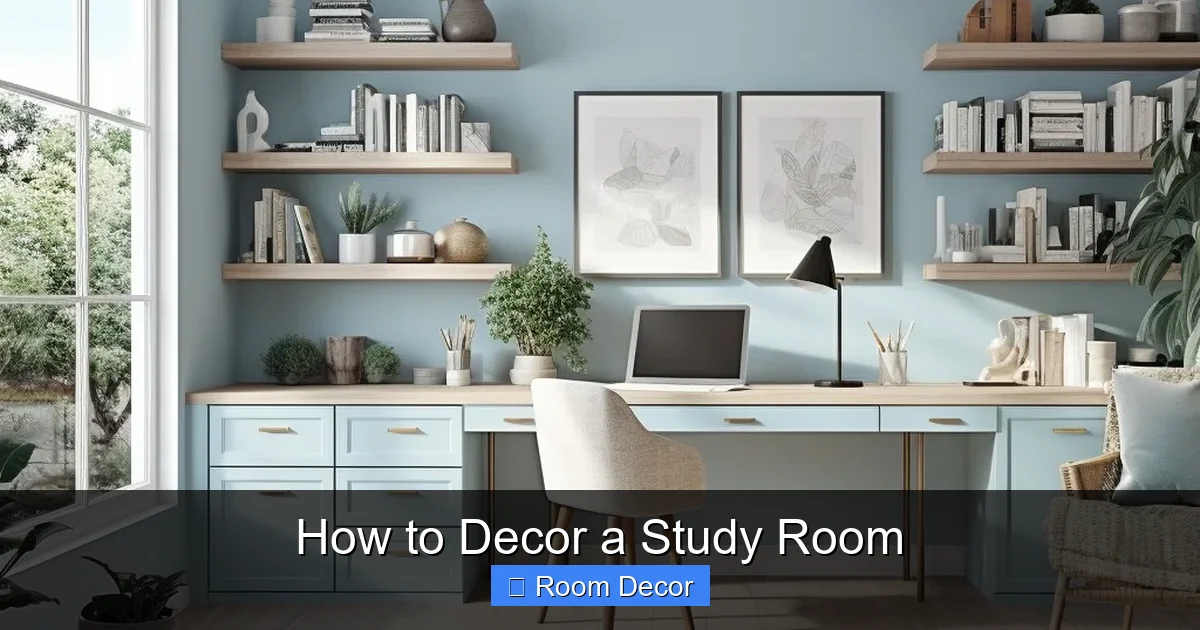
Visual guide about How to Decor a Study Room
Image source: cms.interiorcompany.com
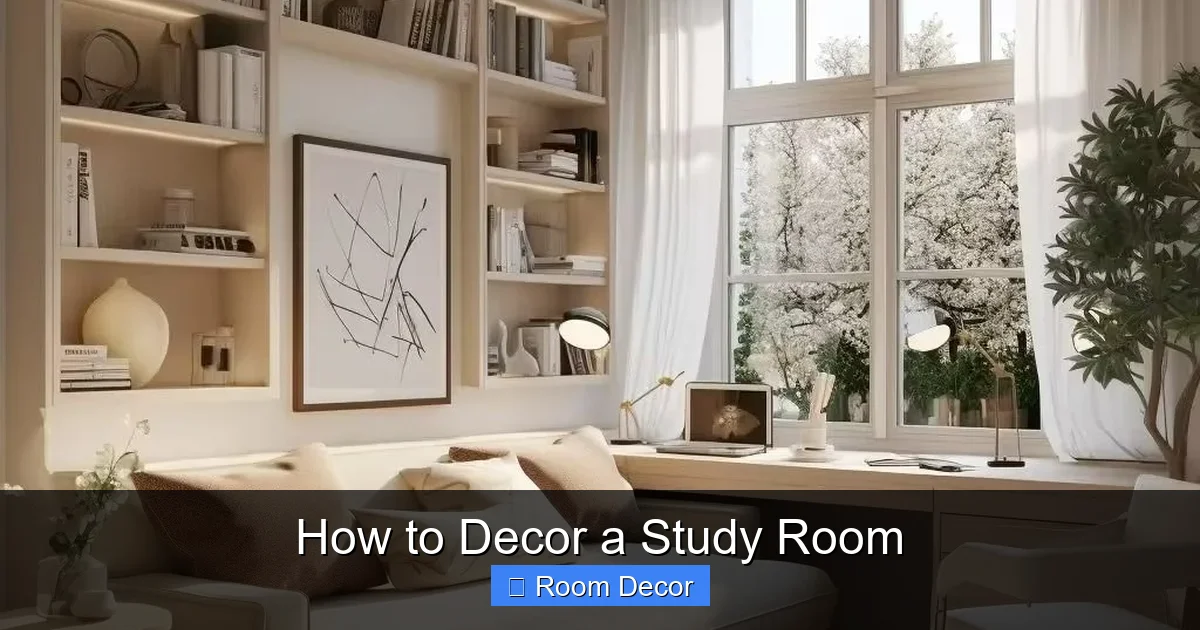
Visual guide about How to Decor a Study Room
Image source: i.pinimg.com
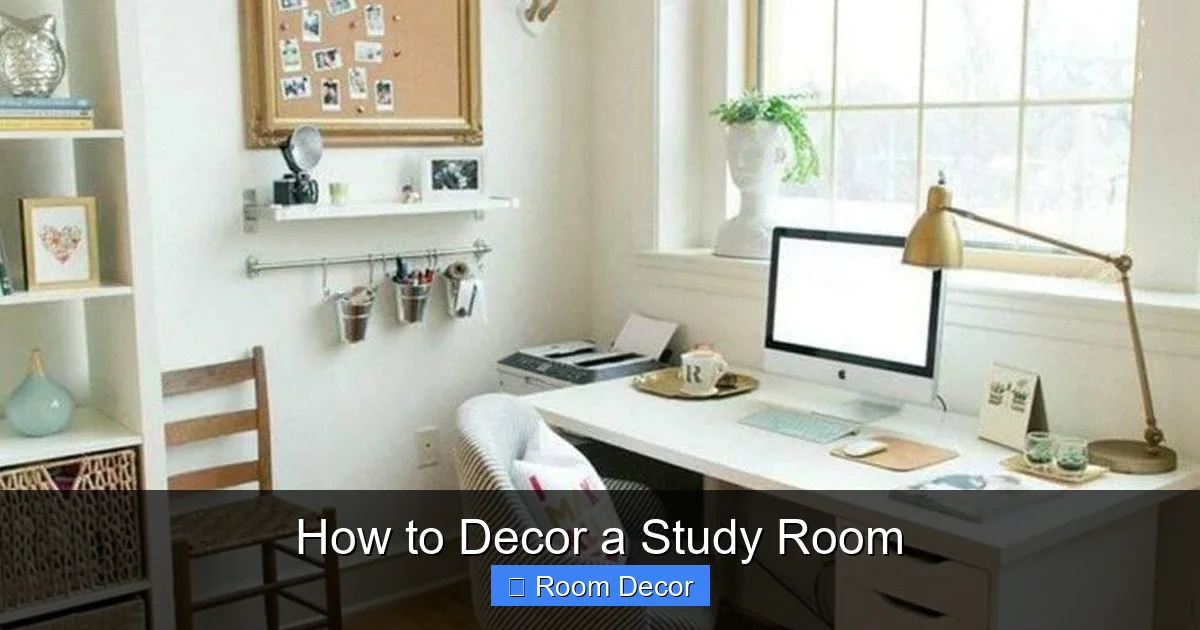
Visual guide about How to Decor a Study Room
Image source: media.designcafe.com
Issue: The room feels too small or cramped.
Solution: Use mirrors to create an illusion of space. Opt for lighter paint colors. Choose furniture with slim profiles and consider wall-mounted options. Keep clutter to an absolute minimum.
Issue: The lighting is too harsh or insufficient.
Solution: Layer your lighting. Add a dimmer to your main light source. Invest in a good quality desk lamp with adjustable brightness. Use warmer bulbs for ambient lighting and cooler bulbs for task lighting.
Issue: There isn’t enough storage.
Solution: Think vertically. Install more shelves. Use the back of doors for hanging organizers. Declutter ruthlessly and only keep what you truly need.
Issue: The room feels sterile or uninspiring.
Solution: Add personal touches! Display art, photos, plants, and items that spark joy or motivation. Introduce warmer textures with a rug or throws. Experiment with accent colors.
Conclusion
Decorating a study room is a rewarding process that can significantly impact your productivity, focus, and overall well-being. By carefully considering your needs, choosing the right furniture, optimizing lighting and storage, and infusing your personal style, you can create a study space that is both highly functional and a pleasure to be in. Remember, your study room is your sanctuary for learning and growth, so make it a space that supports your goals and brings you joy. Happy decorating!