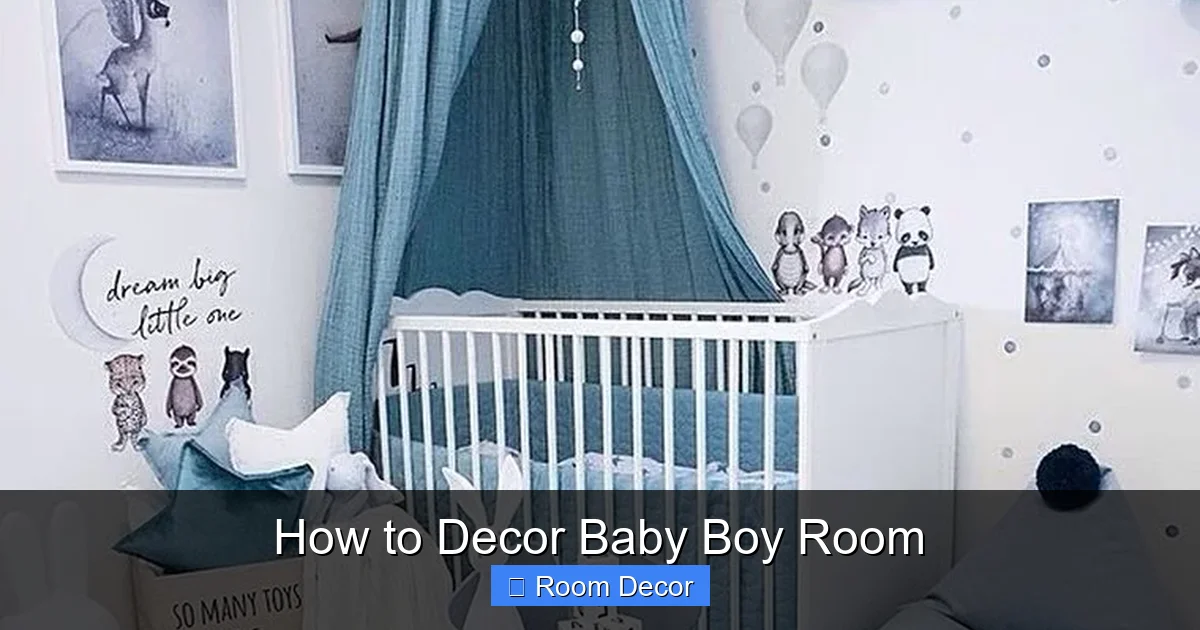
Creating a beautiful and functional baby boy room is an exciting journey. This comprehensive guide will walk you through every step, from choosing the perfect theme and color palette to selecting essential furniture and adding those special decorative touches. You’ll learn how to design a safe, comfortable, and inspiring space that grows with your little one, ensuring a room that is both practical and visually appealing.
Decorating a baby boy room is one of the most joyful aspects of preparing for your little one’s arrival. It’s a chance to create a sanctuary, a space that’s both a haven for your baby and a reflection of your personal style. From the moment you start thinking about the crib to the final touches of wall art, every decision contributes to the overall atmosphere. This guide will provide you with a step-by-step approach to decorating a baby boy room, ensuring it’s safe, functional, and wonderfully charming. We’ll cover everything from picking a theme and color palette to choosing furniture, lighting, and those all-important decorative details. Let’s embark on this exciting decorating adventure together!
Key Takeaways
- Define Your Vision: Start by considering the overall style, theme, and color scheme for the nursery.
- Prioritize Safety and Functionality: Choose furniture with safety certifications and ensure the layout is practical for your needs.
- Select a Color Palette Wisely: Opt for calming, soft colors for walls and choose accent colors that add personality.
- Invest in Essential Furniture: Focus on a crib, changing table, and comfortable seating as the core pieces.
- Layer Lighting for Ambiance: Combine overhead lighting with task lighting for different needs and moods.
- Add Personal Touches: Incorporate artwork, photos, and decorative items that reflect your style and create warmth.
- Don’t Forget Storage: Plan for ample storage solutions to keep the nursery tidy and organized.
Step 1: Envision Your Dream Nursery
Before you even think about paint colors or furniture styles, take some time to envision the kind of space you want to create. What’s the overall feeling you’re aiming for? Cozy and traditional? Modern and minimalist? Whimsical and playful? Thinking about this upfront will help guide all your subsequent decisions.
Consider a Theme
A theme can be a fantastic starting point for decorating a baby boy room. It doesn’t have to be overly literal or cutesy, but it can provide a cohesive direction. Some popular themes for baby boy nurseries include:
- Animals: Woodland creatures, safari animals, farm animals, or even ocean life.
- Transportation: Cars, trains, airplanes, or rockets.
- Nature: Stars, moons, clouds, mountains, or forests.
- Characters: Beloved storybook characters or cartoon figures (ensure they’re not too overwhelming).
- Classic & Timeless: Polka dots, stripes, or simple geometric patterns.
- Adventure/Exploration: Maps, compasses, and globe motifs.
Remember, a theme can be subtle. You don’t need every item to scream “elephants” if you’ve chosen an elephant theme. A few well-placed accents can tie everything together beautifully.
Choose a Color Palette
While blue is often associated with baby boys, there are many other wonderful color options. Think about the mood you want to create.
Calming Colors
- Soft Blues: Sky blue, dusty blue, or periwinkle.
- Greens: Sage green, mint green, or olive green.
- Grays: Light gray, charcoal gray, or a warm taupe.
- Beiges and Creams: For a neutral and sophisticated feel.
Accent Colors
Once you have your base colors, consider accent colors to add pops of personality.
- Yellow: A cheerful and bright accent.
- Orange: Warm and energetic.
- Red: Use sparingly for a bold statement.
- Teal or Turquoise: A modern and vibrant choice.
- Earthy Tones: Terracotta, rust, or mustard yellow can add warmth.
When choosing colors, consider how they will look in natural light and at different times of the day. It’s also a good idea to select colors that can transition as your child grows, avoiding overly babyish hues if you want the room to last longer.
Step 2: Prioritize Safety and Functionality
A beautiful nursery is important, but safety and practicality are paramount.
Crib and Mattress Selection
The crib is the centerpiece of the nursery. Ensure it meets current safety standards (e.g., JPMA certification).
- Spacing of Slats: No more than 2 3/8 inches apart to prevent a baby’s head from getting trapped.
- No Drop-Side Rails: These have been banned due to safety concerns.
- Sturdy Construction: The crib should be solid and well-built.
The mattress should fit snugly in the crib with no more than two fingers’ width between the mattress and the crib sides. A firm mattress is essential for safe sleep.
Changing Station Needs
A dedicated changing area is crucial. This can be a dresser with a changing pad on top or a dedicated changing table.
- Safety Straps: If using a changing table or dresser top, ensure it has safety straps.
- Accessibility: Keep diapers, wipes, and changing essentials within easy reach.
- Height: Choose a height that is comfortable for you to use.
Comfortable Seating
You’ll spend a lot of time in the nursery feeding, rocking, and comforting your baby. A comfortable chair is a must.
- Glider or Rocker: These are popular choices for their soothing motion.
- Armchair: A comfortable upholstered armchair can also work.
- Footrest or Ottoman: For added comfort.
Ensure the seating is placed in a comfortable spot, perhaps near a window or a soft lamp.
Layout and Flow
Think about how you will move around the room.
- Clear Pathways: Ensure there’s enough space to move around the crib and changing area without obstruction.
- Proximity of Essentials: Keep the crib, changing table, and storage close to each other for efficiency.
- Placement of Furniture: Avoid placing the crib directly under a window or near a heater/air conditioner.
Step 3: Walls and Flooring
The foundation of your room’s decor lies in its walls and flooring.
Painting the Walls
This is where your chosen color palette really comes to life.
Choosing the Right Paint
- Low or Zero VOC Paint: These paints are better for indoor air quality, which is important for babies.
- Washable Finish: Opt for an eggshell or satin finish, which is easier to clean than matte.
Painting Techniques
You can go for a simple, solid color, or explore other options:
- Accent Wall: Paint one wall a bolder color or use wallpaper to create a focal point.
- Stencils: Add subtle patterns like stars, dots, or animals.
- Stripes: Vertical stripes can make the room feel taller, while horizontal stripes can make it feel wider.
Flooring Options
Consider comfort, safety, and ease of cleaning.
- Carpet: Offers warmth and cushioning, making it softer for little knees and tumbles. Ensure it’s stain-resistant and easy to clean.
- Area Rugs: A great way to add softness and color to hardwood or laminate flooring.
- Hardwood or Laminate: Durable and easy to clean, but can be cold and hard. Use plush rugs to compensate.
Ensure any rugs are securely fastened to prevent tripping hazards.
Step 4: Furniture and Storage Solutions
Beyond the essentials, consider other furniture pieces and how you’ll manage clutter.
The Crib, Dresser, and Chair
We’ve touched on these, but they are the core furniture pieces.
- Crib: A safe and comfortable sleeping space.
- Dresser: Essential for storing clothes, blankets, and baby essentials. Look for a dresser with deep drawers.
- Comfortable Seating: For feeding and bonding.
Additional Furniture
Depending on your space and needs, you might consider:
- Bookshelf: For storing baby books and display items.
- Toy Chest or Bin: For easy toy storage.
- Small Table: For a lamp, monitor, or other essentials.
Smart Storage
Organization is key to a peaceful nursery.
- Drawer Organizers: For keeping small items like socks and bibs tidy.
- Closet Organizers: Shelving, hanging rods, and bins can maximize closet space.
- Wall Shelves: For displaying books and decor, or for storing frequently used items.
- Baskets and Bins: Attractive and functional for storing toys, blankets, and other necessities.
- Under-the-Crib Storage: If your crib has space underneath, utilize rolling bins for extra storage.
Step 5: Lighting and Window Treatments
The right lighting and window coverings can significantly impact the room’s atmosphere and functionality.
Layering Your Lighting
A single overhead light might not be enough. Consider a layered approach.
- Ambient Lighting: A main ceiling fixture to illuminate the entire room. Choose one that offers dimming capabilities for adjusting light levels.
- Task Lighting: A soft table lamp or floor lamp near your rocking chair for nighttime feedings. A dimmer switch is highly recommended for this.
- Night Light: A gentle night light can provide comfort and a little visibility during the night without being disruptive.
Window Treatments
These are important for controlling light and privacy.
- Blackout Curtains: Essential for helping your baby sleep during bright daylight hours.
- Blinds or Shades: Ensure cords are secured out of reach for safety.
- Decorative Curtains: Choose fabrics and patterns that complement your theme and color scheme.
Step 6: Adding the Decorative Touches
This is where you inject personality and warmth into the baby boy room.
Wall Art and Decor
Choose items that are visually stimulating but not overly busy.
- Wall Art: Framed prints, canvases, or even a mobile can add visual interest. Consider artwork that aligns with your theme or color palette.
- Wall Decals: A great way to add a temporary and changeable design element, like clouds, stars, or trees.
- Photos: Personalize the space with photos of family members.
- Mirrors: A well-placed mirror can make the room feel larger and brighter. Ensure it’s securely mounted.
Textiles and Soft Furnishings
These add comfort, color, and texture.
- Bedding: Choose crib sheets that are soft, breathable, and safe. Avoid loose bedding, blankets, and pillows in the crib for infants.
- Cushions: A few decorative cushions on the glider or armchair can add comfort and style (remove when the baby is in the crib).
- Rugs: As mentioned before, rugs add warmth and softness.
- Bunting or Garlands: Soft fabric bunting can add a festive touch.
Personal Touches
These are what make the room uniquely yours.
- Keepsake Items: Display a special toy or a meaningful item.
- Baby’s Name: Consider a wooden letter, a custom sign, or embroidered items.
- Plants: If you have a green thumb, consider a safe, non-toxic plant to add life to the room.
Troubleshooting Common Nursery Decorating Challenges
My budget is tight. How can I decorate affordably?
Focus on DIY projects, second-hand furniture that can be repainted or refreshed, and utilize paint and textiles to make a big impact. Clearance sections and sales can also be your best friend.

Visual guide about How to Decor Baby Boy Room
Image source: i.pinimg.com

Visual guide about How to Decor Baby Boy Room
Image source: i.pinimg.com

Visual guide about How to Decor Baby Boy Room
Image source: i.pinimg.com
The room is small. How can I make it feel bigger?
Use light, neutral colors on the walls, incorporate mirrors to reflect light, and opt for multi-functional furniture like a crib with built-in storage. Vertical storage solutions are also key.
I’m overwhelmed by choices! Where do I start?
Start with your absolute must-haves: a safe crib, a comfortable chair, and a changing area. Then, pick one element you love – a piece of art, a favorite color, or a theme – and build from there.
Conclusion
Decorating a baby boy room is a wonderful opportunity to create a nurturing and inspiring environment for your little one. By following these steps, from envisioning your style to adding those final decorative touches, you can create a space that is both beautiful and functional. Remember to prioritize safety, choose colors that promote calm, and don’t be afraid to infuse your personal style into the room. This nursery will be a place of many precious memories, so enjoy the process and create a space that you and your baby will love. Happy decorating!