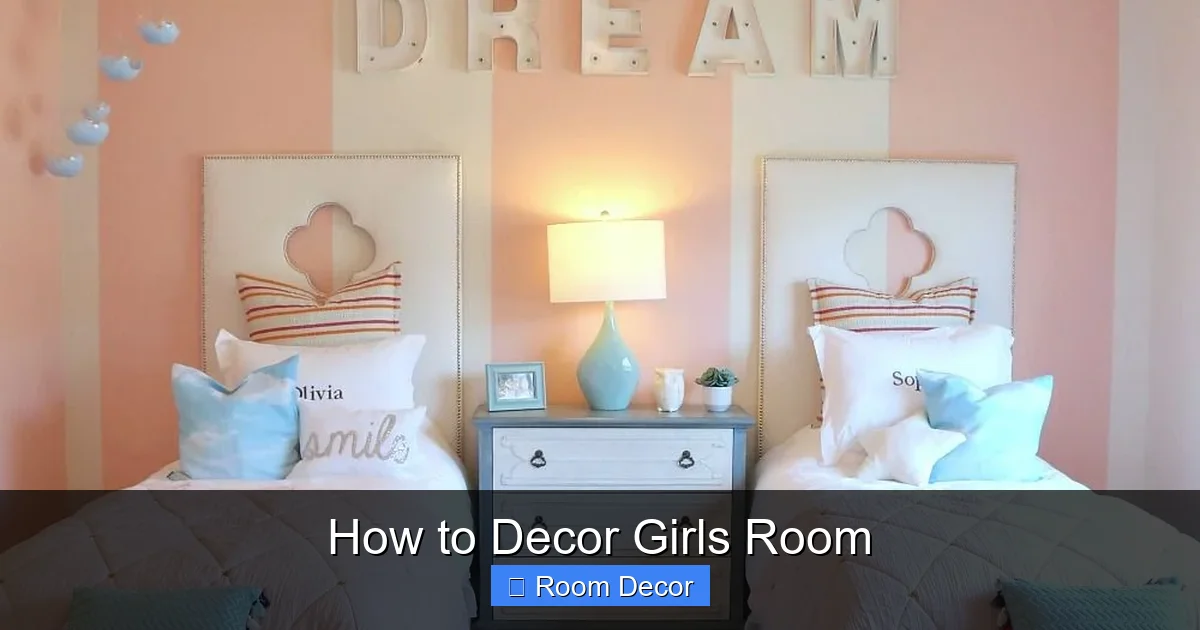
Decorating a girls’ room is a fun and rewarding project! This guide will walk you through everything you need to know to create a personalized and functional space. We’ll cover choosing a theme, selecting the perfect color palette, and picking out furniture that’s both stylish and practical. You’ll also discover creative ways to add personal touches and make the room truly hers. Let’s create a dream room together!
Decorating a girls’ room can be one of the most enjoyable interior design projects. It’s a chance to create a sanctuary where she can sleep, play, study, and dream. Whether you’re decorating for a toddler, a pre-teen, or a teenager, the goal is to create a space that reflects her personality, grows with her, and makes her feel happy and inspired. This comprehensive guide will take you through every step, from initial planning to the final decorative touches, ensuring you create a beautiful and functional girls’ room that she’ll adore.
Let’s dive into how to decor girls room!
Key Takeaways
- Involve Your Daughter: Her input is crucial for a space she’ll love. Let her express her style and preferences.
- Choose a Color Palette Wisely: Opt for colors that are calming, stimulating, or reflective of her personality, considering her age and preferences.
- Select Age-Appropriate Furniture: Prioritize safety and functionality while ensuring the furniture fits the room’s scale and theme.
- Theme It Up (Optional but Fun!): A theme can provide a cohesive vision, from whimsical fairy tales to trendy modern styles.
- Personalize with Details: Incorporate artwork, photos, and DIY elements to make the room uniquely hers.
- Prioritize Storage Solutions: Keep clutter at bay with smart and stylish storage options that are easy for her to use.
- Focus on Lighting: Layer lighting to create different moods and ensure the room is both functional and inviting.
Step 1: The Foundation – Planning and Inspiration
Before you pick up a paintbrush or buy a single piece of furniture, it’s essential to plan. This stage sets the tone for the entire decorating process.
Involve Your Daughter
This is perhaps the most critical step. A room is a personal space, and your daughter should have a significant say in how it looks and feels.
* Talk about her interests: What does she love? Animals, space, art, books, a specific character, a color? This can be a great starting point for a theme or color scheme.
* Show her examples: Browse online (Pinterest, Instagram, home decor websites) or in magazines together. Ask her what she likes and, just as importantly, what she dislikes.
* Discuss functionality: As she gets older, she’ll have more opinions on how she uses her room. Does she need a dedicated study space? A comfy reading nook? A place for her art supplies?
Gather Inspiration
Once you have a general idea of her preferences, it’s time to gather inspiration. This will help you visualize different styles and possibilities.
* Create a mood board: This can be a physical board with magazine clippings, paint swatches, fabric samples, and photos, or a digital board on platforms like Pinterest. A mood board helps you see how different elements come together.
* Consider different styles: Think about popular girls’ room styles like:
* Whimsical/Fairy Tale: Soft colors, floral patterns, canopy beds, nature-inspired elements.
* Bohemian (Boho): Macrame, layered textiles, plants, earthy tones mixed with vibrant accents.
* Modern/Minimalist: Clean lines, neutral colors with pops of bold hues, simple yet functional furniture.
* Glam/Chic: Metallics (gold, rose gold), velvet textures, mirrors, elegant touches.
* Hobby-Focused: If she loves art, incorporate an easel and display space. If she’s a musician, a spot for her instrument.
Set a Budget
Decorating a room doesn’t have to break the bank. Before you start shopping, determine how much you’re willing to spend. This will help you prioritize where to splurge and where to save.
Step 2: The Canvas – Walls and Color
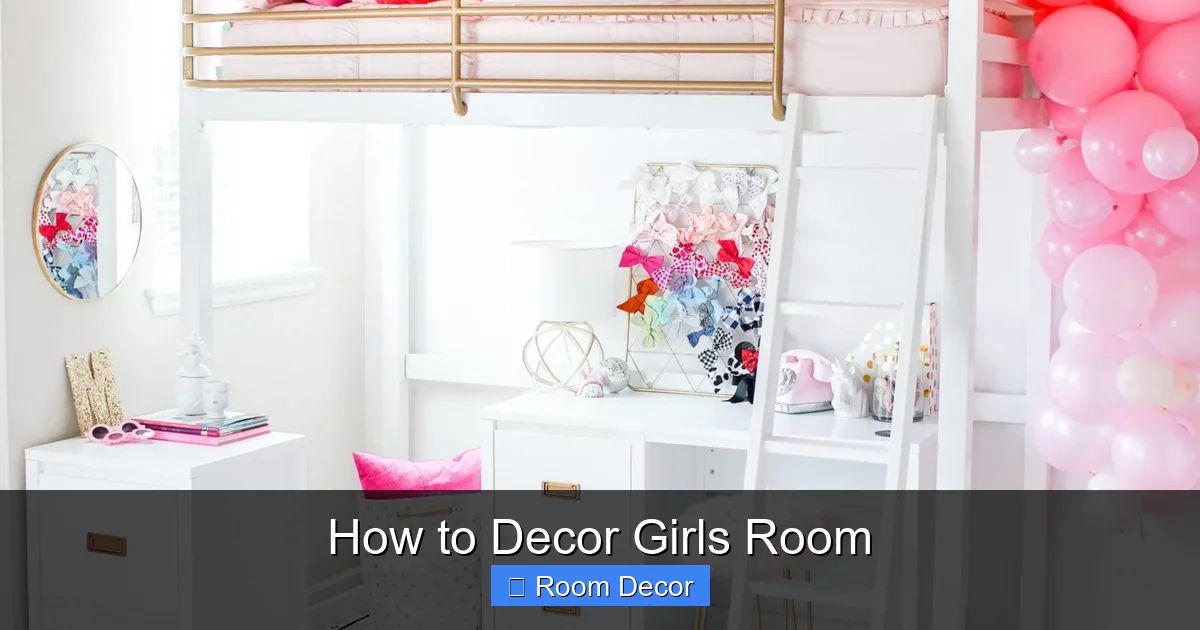
Visual guide about How to Decor Girls Room
Image source: thehouseofhoodblog.com
The walls are the largest surface area in the room, so their color and treatment have a huge impact on the overall feel.
Choosing a Color Palette
This is a pivotal decision. The colors you choose will influence the mood of the room.
* For Younger Children: Bright, cheerful colors can be stimulating. Pastels are also a popular choice for a softer feel.
* For Older Children/Teens: They might prefer more sophisticated or muted tones. Neutrals can serve as a great base that can be easily updated with accessories as their tastes change.
* Consider the Mood:
* Calming: Blues, greens, lavenders, soft grays.
* Energizing: Yellows, oranges, bright pinks.
* Creative: A mix of colors or a bold accent wall.
* Don’t be afraid of bold choices: An accent wall in a vibrant color or a fun pattern can add personality without overwhelming the space.
Painting the Walls
* Preparation is key: Clean the walls, fill any holes, and lightly sand any rough patches. Use painter’s tape to protect trim and ceiling lines.
* Primer: If you’re painting over a dark color or if the walls are uneven, a coat of primer will ensure a smooth, even finish.
* Application: Apply two thin coats of paint for the best coverage. Let each coat dry completely before applying the next.
Alternative Wall Treatments
If painting isn’t your only option, consider these:
* Wallpaper: Available in endless patterns and colors, wallpaper can add a dramatic statement or a subtle touch of texture. Removable wallpaper is a great option for renters or for those who like to change decor frequently.
* Wall Decals: These are a fun and easy way to add personality. They come in various designs, from butterflies and stars to inspirational quotes.
* Wall Murals: For a truly unique look, consider a custom mural. This can be a painted masterpiece or a large-scale sticker.
Step 3: The Structure – Furniture Selection
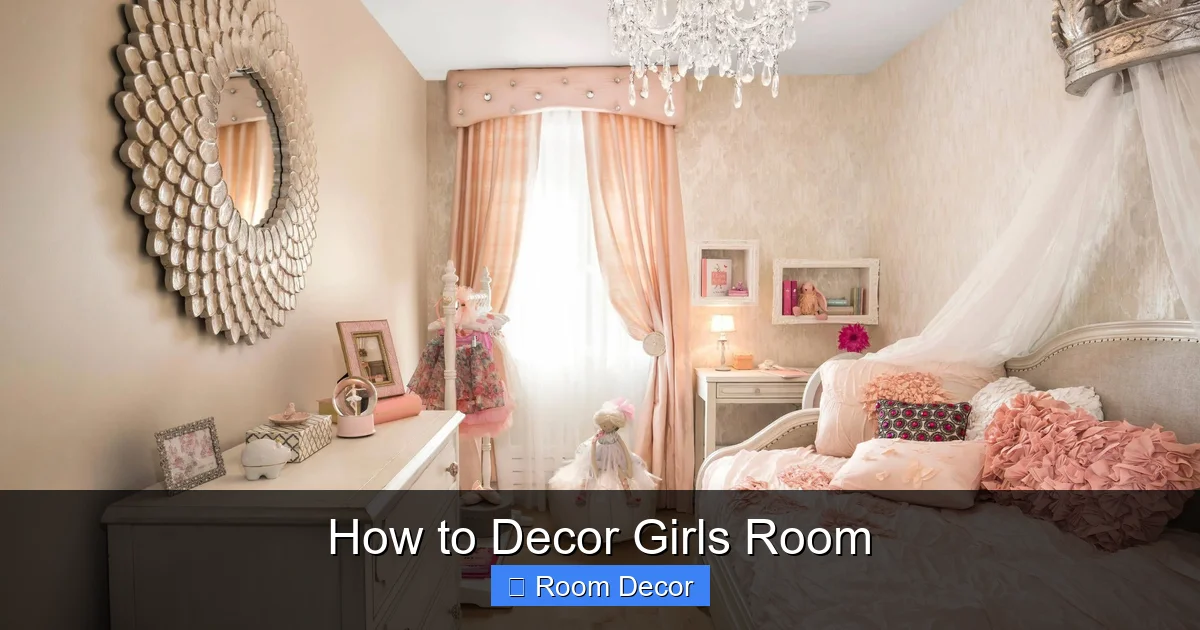
Visual guide about How to Decor Girls Room
Image source: i.pinimg.com
The right furniture is essential for both functionality and style. Consider the size of the room and your daughter’s age and needs.
The Bed
The bed is usually the focal point of a bedroom.
* Size: For younger children, a twin bed is standard. As they grow, a full or even queen-size bed might be more appropriate.
* Style:
* Daybeds: Great for smaller rooms, offering seating during the day and a bed at night.
* Loft Beds: Maximize floor space by elevating the bed, creating room for a desk or play area underneath.
* Bunk Beds: Ideal for shared rooms.
* Canopy Beds: Add a touch of magic and whimsy, especially for younger girls.
* Bedding: This is where you can really inject personality. Choose sheets, duvets, and pillows that reflect her style and the room’s theme. Layering with throws and decorative pillows adds comfort and visual interest.
Storage Solutions
Keeping a room tidy is crucial. Smart storage is key.
* Dresser: A classic piece for storing clothes. Ensure it’s sturdy and anchored to the wall for safety.
* Bookshelf: For books, display items, and storage bins.
* Toy Chest/Storage Bins: Excellent for keeping toys organized and out of sight. Ottomans with storage are also a great dual-purpose item.
* Closet Organizers: Maximize closet space with shelves, drawers, and hanging solutions.
* Wall Shelving: Floating shelves are stylish and practical for displaying decor and keeping essentials within reach.
Desk and Chair (If Applicable)
For school-aged children and teens, a dedicated study area is important.
* Desk: Choose a desk that fits the space and her needs. A simple writing desk, a corner desk, or a floating desk can work.
* Chair: An ergonomic chair is best for comfort and posture during long study sessions.
Other Furniture Pieces
* Nightstand: For a lamp, alarm clock, and a place to keep a book or glass of water.
* Beanbag Chair or Cozy Seating: A comfortable spot for reading or relaxing.
* Mirror: A full-length mirror is always a welcome addition.
Step 4: The Details – Decor and Accessories
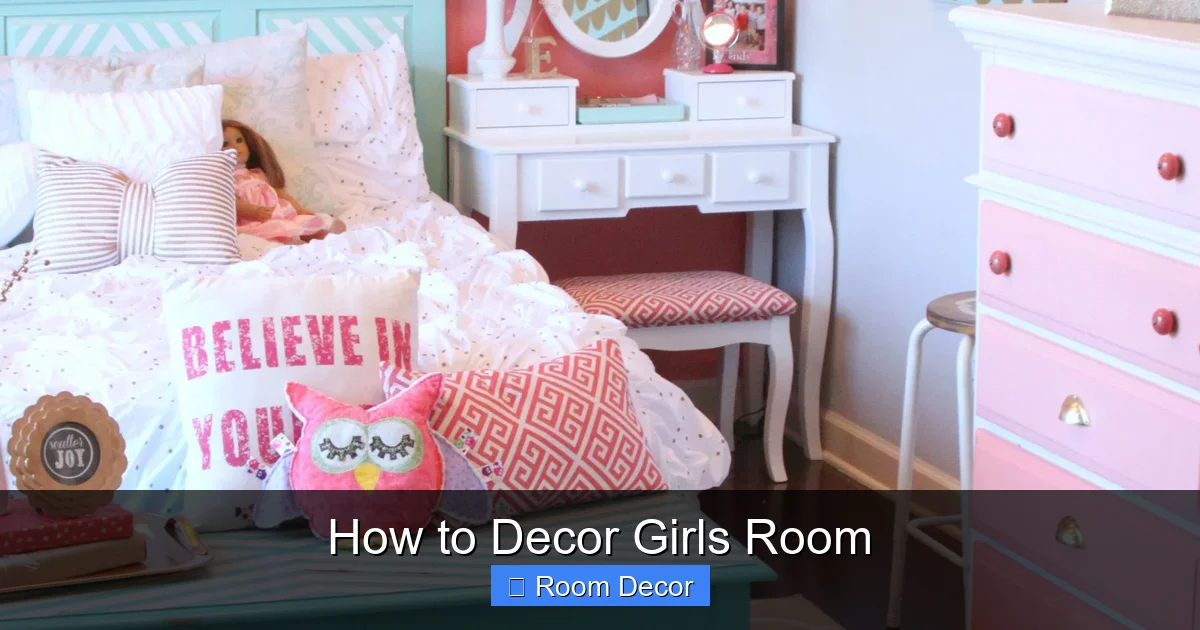
Visual guide about How to Decor Girls Room
Image source: i.pinimg.com
This is where the room truly comes alive and reflects your daughter’s personality.
Window Treatments
* Curtains: Add color, pattern, and privacy. Consider sheer curtains for a light, airy feel or blackout curtains for better sleep.
* Blinds or Shades: Offer a cleaner, more minimalist look.
Lighting
Layering light sources creates ambiance and functionality.
* Overhead Light: A central fixture for general illumination.
* Task Lighting: A desk lamp for studying or a bedside lamp for reading.
* Accent Lighting: String lights, fairy lights, or a decorative lamp can add a magical touch and create a cozy atmosphere.
Wall Art and Decor
* Her Artwork: Frame her drawings and paintings. This is incredibly personal and a great way to decorate.
* Posters and Prints: Choose art that reflects her interests, whether it’s movie posters, nature prints, or inspirational quotes.
* Photo Gallery: Create a display of family photos and pictures with friends.
* Wall Hangings: Tapestries, macrame, or fabric banners can add texture and color.
Textiles and Soft Furnishings
* Rugs: A soft rug can define a space, add warmth, and introduce color and pattern.
* Throw Pillows: Mix and match shapes, textures, and colors on the bed or a reading chair.
* Throws and Blankets: Add coziness and warmth.
Personal Touches and DIY Projects
* Display Shelves: For showcasing her favorite toys, collections, or treasures.
* DIY Projects: Consider painting furniture, creating custom pillowcases, or making decorative garlands together.
* Plants: If she’s old enough and responsible, a plant can bring life and a touch of nature into the room.
Step 5: Putting It All Together – Layout and Flow
Once you have all your elements, consider how to arrange them for optimal functionality and aesthetics.
Traffic Flow
Ensure there’s enough space to move around the room easily. Avoid blocking doorways or creating tight corners.
Zoning
Divide the room into functional zones:
* Sleep Area: The bed and surrounding nightstand.
* Study Area: Desk, chair, and nearby storage for school supplies.
* Play/Relaxation Area: A rug, beanbag chair, or comfortable seating.
Creating a Focal Point
Identify a natural focal point in the room (e.g., the bed, a large window, or a striking piece of art) and arrange furniture to draw attention to it.
Troubleshooting Common Decorating Challenges
* **The Room Feels Too Small:**
* Use light colors on walls and ceilings.
* Incorporate mirrors to reflect light and create an illusion of space.
* Opt for furniture with legs to make the floor visible.
* Use vertical storage to draw the eye upward.
* **The Room Feels Too Generic/Lacks Personality:**
* Add more personal items: photos, artwork, meaningful objects.
* Introduce a bold accent color or pattern.
* Incorporate textured items like faux fur throws, velvet pillows, or woven baskets.
* **Disagreements with Your Daughter:**
* Compromise is key. If she insists on something you feel won’t work, find a middle ground. Perhaps a less intense version of a color or a theme that can be easily updated.
* Focus on elements you can agree on and let her have more control over smaller decorative items.
* **Budget Constraints:**
* Shop secondhand for furniture that can be painted or refinished.
* Focus on DIY projects for decor.
* Prioritize essential pieces and add decorative items over time.
* Look for sales and discounts.
Conclusion
Decorating a girls’ room is a journey of creativity, collaboration, and love. By involving your daughter in the process, choosing colors and furniture thoughtfully, and adding personal touches, you can create a space that she will cherish for years to come. Remember, the most important element is that the room feels like *hers* – a safe, happy, and inspiring haven where she can grow, play, and dream big. Happy decorating!