
Transform your child’s room into a vibrant and functional haven with our comprehensive guide. We’ll walk you through planning, choosing themes, selecting furniture, and adding personalized touches to create a space that sparks imagination and supports growth. Discover how to make decorating a fun, collaborative experience for the whole family.
Are you ready to create a magical space for your child? Decorating a kids’ room can be an incredibly rewarding experience. It’s more than just picking out furniture and paint colors; it’s about crafting an environment that fosters imagination, encourages learning, and provides a safe haven for your little one. This comprehensive guide will walk you through every step, from initial planning to the final decorative touches. You’ll learn how to design a room that’s not only beautiful but also functional, safe, and adaptable as your child grows.
Let’s dive into the exciting world of kids’ room decor!
Key Takeaways
- Involve Your Child: Letting kids participate in the decorating process fosters a sense of ownership and ensures the room truly reflects their personality.
- Prioritize Functionality: A well-designed kids’ room balances aesthetics with practicality, offering ample storage, comfortable sleeping areas, and space for play and study.
- Choose a Flexible Theme: Select a theme that can evolve with your child’s interests, avoiding overly specific themes that might quickly become dated.
- Invest in Smart Storage: Creative and accessible storage solutions are essential for maintaining a tidy and organized room, reducing clutter and stress.
- Focus on Safety: Always consider safety first by choosing non-toxic materials, securing furniture, and ensuring electrical outlets are covered.
- Embrace Color Wisely: Use color to create mood and personality, but consider a balanced approach with neutral bases and vibrant accents.
- Personalize with Passion: Incorporate elements that reflect your child’s unique interests, hobbies, and favorite characters to make the space truly theirs.
Step 1: Plan Your Kid’s Room Design
Before you even think about buying a single item, it’s crucial to have a solid plan. This initial stage sets the foundation for a successful and stress-free decorating project.
Assess the Space and Needs
Start by looking at the room itself. What are its dimensions? Are there any architectural features you need to work with, like sloped ceilings or oddly placed windows? Then, consider your child’s current age and how their needs might change in the next few years. A toddler’s room will have different requirements than a room for a school-aged child or a teenager.
- Age: A nursery needs different safety features and furniture than a room for a tween.
- Activities: Will the room be used for playing, studying, sleeping, or all three?
- Storage: How much storage will be needed for toys, books, clothes, and school supplies?
- Budget: Determine a realistic budget for furniture, paint, decor, and any potential DIY projects.
Involve Your Child
This is one of the most important steps! Your child’s room should reflect their personality and interests. Make them a part of the decision-making process. Even young children can express preferences for colors or characters. For older kids, this is a fantastic opportunity to teach them about design and compromise.
- Brainstorm together: Ask them what they love, what their favorite colors are, and what activities they enjoy in their room.
- Show examples: Look through magazines or Pinterest boards together to get ideas.
- Offer choices: Present them with a few curated options for paint colors or bedding so they feel they have a say.
Step 2: Choose a Theme (Optional but Fun!)
A theme can provide a cohesive direction for your decorating. However, it’s not mandatory, and sometimes a more eclectic approach works best. If you do opt for a theme, choose something that has longevity or can be easily updated.
Popular Kids’ Room Themes
- Adventure/Exploration: Maps, globes, safari animals, outer space.
- Fantasy/Magic: Fairies, castles, unicorns, dragons.
- Superheroes/Characters: Based on their favorite movie, book, or comic.
- Nature/Outdoors: Forests, mountains, sea creatures.
- Creative/Artistic: Featuring easels, colorful palettes, and inspiring quotes.
Tips for Choosing a Theme
- Focus on interests: What does your child talk about constantly?
- Keep it adaptable: Instead of a specific character, consider a broader theme like “jungle” which can incorporate various animals and plants.
- Don’t overdo it: A theme doesn’t need to be in every single item. Use it for accents like bedding, a rug, or wall art.
Step 3: Select the Right Color Palette
Color has a powerful impact on mood and energy. For a child’s room, you want to create a space that is stimulating yet calming.
Understanding Color Psychology
- Blues: Can be calming and promote concentration.
- Greens: Often associated with nature, tranquility, and balance.
- Yellows: Cheerful and optimistic, can boost creativity.
- Reds: Energetic and stimulating, use as accents to avoid overstimulation.
- Oranges: Warm and friendly, can encourage communication.
- Purples: Can be creative and imaginative, especially softer shades.
- Neutrals: Whites, grays, and beiges provide a calm base and allow colorful accents to pop.
Creating a Balanced Palette
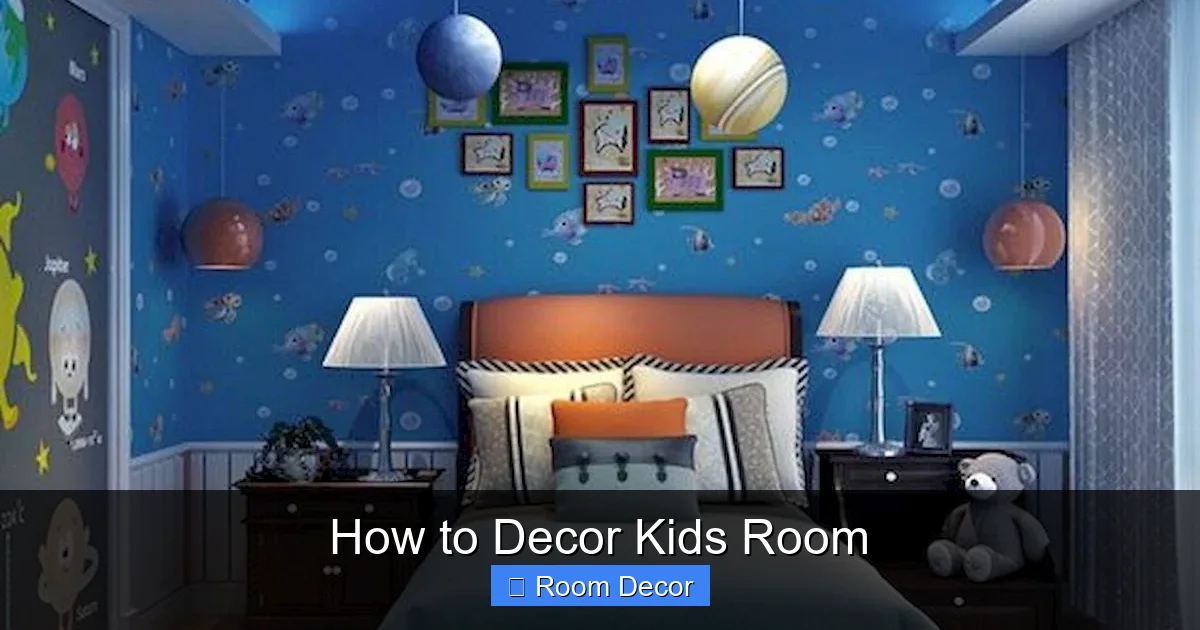
A good rule of thumb is to use a base neutral color for the walls and then introduce bolder colors through furniture, bedding, and accessories. You can also opt for a two-tone wall effect or a playful accent wall.
Visual guide about How to Decor Kids Room
Image source: i.pinimg.com

Visual guide about How to Decor Kids Room
Image source: belivindesign.com
- Base Color: Choose a light, neutral color for the walls that will make the room feel spacious.
- Accent Colors: Use 2-3 accent colors that complement each other and your chosen theme.
- Monochromatic Scheme: Using different shades of a single color can be sophisticated and soothing.
Step 4: Choose Age-Appropriate and Functional Furniture
The furniture in a child’s room needs to be safe, durable, and practical for their age and needs.
Essential Furniture Pieces
- Bed: A comfortable and safe bed is paramount. Consider a toddler bed, a twin bed, a bunk bed (for shared rooms or sleepovers), or even a loft bed to maximize floor space.
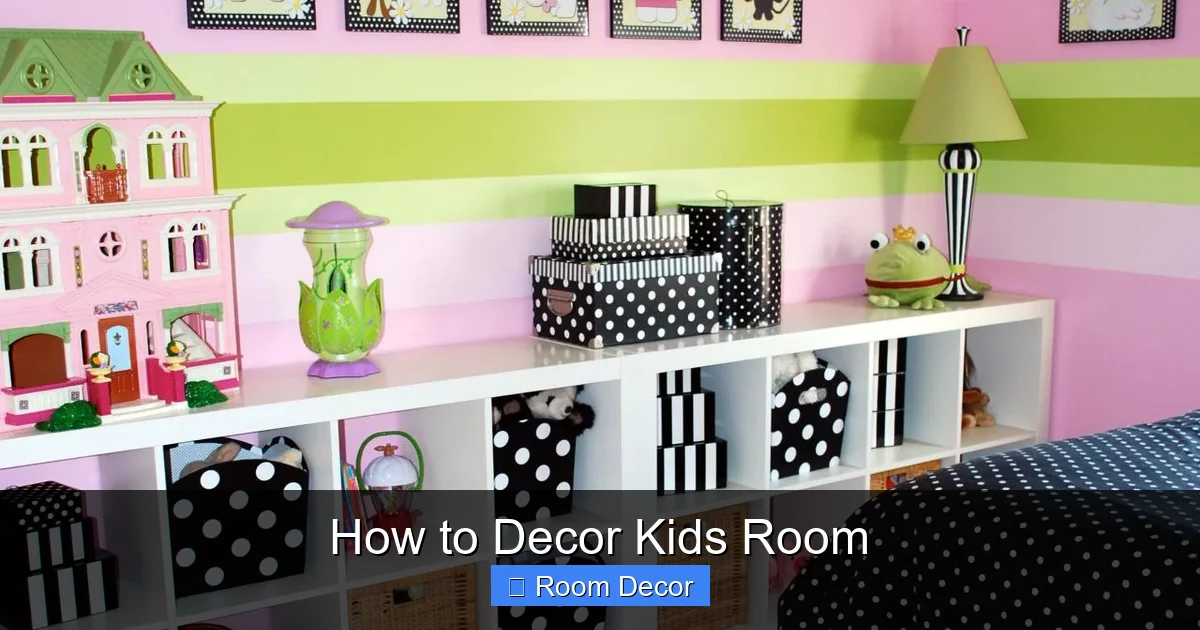
- Storage: This is key! Think bookshelves, toy bins, dressers, and wardrobes. Opt for pieces with rounded edges and secure drawers.
- Desk/Activity Table: For school-aged children, a dedicated space for homework and creative activities is essential.
- Seating: A comfortable chair for reading, a beanbag for lounging, or floor cushions can create cozy nooks.
Safety First!
When choosing furniture, safety should be your top priority.
Visual guide about How to Decor Kids Room
Image source: hgtvhome.sndimg.com
- Non-toxic materials: Ensure all furniture is made from child-safe, non-toxic materials.
- Rounded corners: Opt for furniture with rounded edges to prevent bumps and bruises.
- Anchoring: Secure all tall furniture, like dressers and bookshelves, to the wall to prevent tipping.
- Sturdy construction: Ensure the furniture is well-built and stable.
Smart Storage Solutions
Tidying up is a constant battle. Invest in smart storage solutions to make it easier.
- Modular bins: Stackable bins or fabric storage cubes are great for toys.
- Under-bed storage: Utilize the space beneath the bed with drawers or rolling bins.
- Wall-mounted shelves: Keep books and displays off the floor.
- Ottomans with storage: A dual-purpose piece that offers seating and hides clutter.
Step 5: Add Inspiring and Functional Decor
This is where the magic happens! Decor is what brings the room to life and makes it feel special and personalized.
Wall Decor
- Paint: As discussed, this sets the mood.
- Wallpaper: A fun wallpaper can add personality, especially as an accent wall.
- Wall Decals: Removable decals are a great option for themes that might change.
- Art: Frame your child’s own artwork, or choose prints that align with their interests.
- Growth Charts: A functional and sentimental piece of wall decor.
Lighting
Lighting plays a crucial role in ambiance and functionality.
- Overhead light: A good general light source.
- Task lighting: A desk lamp for homework or a reading lamp by the bed.
- Night light: Essential for younger children to ease bedtime fears.
- Fairy lights: Add a whimsical touch to any room.
Textiles
Rugs, curtains, and bedding add warmth, color, and texture.
- Rugs: Choose a soft, durable rug that can withstand play. Consider a washable option.
- Curtains: Opt for blackout curtains to ensure good sleep, or sheer curtains to let in natural light.
- Bedding: This is a prime area to incorporate theme elements or favorite colors.
- Throw pillows and blankets: Add coziness and pops of color.
Personal Touches
This is what truly makes the room “theirs.”
- Display their creations: Create a gallery wall for artwork.
- Showcase hobbies: Display trophies, collections, or instruments.
- Photos: Frame pictures of family and friends.
- Comfort items: Don’t forget their favorite stuffed animals!
Step 6: Consider Safety and Practicality
We’ve touched on safety with furniture, but it’s worth reiterating and expanding.
Childproofing Essentials
- Outlet covers: Protect curious little fingers.
- Cord management: Keep electrical cords tidy and out of reach.
- Window blind cords: Secure cords to prevent strangulation hazards.
- Furniture tipping: As mentioned, anchor all tall furniture.
- Sharp edges: Use corner guards on furniture.
Making the Room Easy to Clean
Kids are messy! Design choices can make cleanup easier.
- Washable materials: Choose washable rugs, bedding, and even some wall paints.
- Durable surfaces: Opt for flooring that can withstand spills and scuffs.
- Easy-to-access storage: Make it simple for your child to put things away.
Step 7: Embrace Flexibility and Growth
Children change rapidly, and their tastes evolve. Design a room that can adapt.
Designing for Different Ages
- Nursery to Toddler: Transition from a crib to a toddler bed, add child-sized furniture.
- Toddler to Young Child: Introduce a desk for drawing and activities, more organized toy storage.
- Young Child to Tween: Adapt the theme to something less “babyish,” more focus on study and personal expression.
- Tween to Teen: This is where they’ll likely want the most input, allowing for a significant style shift.
How to Future-Proof
- Neutral Walls: A neutral base allows for easy updates with new bedding, art, and accessories.
- Modular Furniture: Pieces that can be reconfigured or repurposed.
- Adaptable Themes: As mentioned, broader themes are easier to evolve.
- Storage that Scales: Storage solutions that work for toys can also work for books and school supplies later on.
Troubleshooting Common Decorating Challenges
Sometimes, even with the best planning, you might encounter a hiccup.
Challenge: The Room Feels Too Small
Solution: Use light colors on the walls and ceiling. Maximize vertical space with tall, narrow furniture and wall shelves. Use mirrors to create an illusion of depth. Keep clutter to a minimum.
Challenge: My Child Hates the Color Scheme
Solution: If it’s a temporary dislike, focus on easily changeable elements like bedding or rugs. If it’s a more permanent issue, revisit the color palette with your child. Sometimes, simply adding a few accent pieces in their preferred color can satisfy them.
Challenge: Not Enough Storage Space
Solution: Get creative! Think outside the box. Utilize the back of the door for hanging organizers. Consider a loft bed with built-in storage. Invest in multi-functional furniture like storage ottomans or beds with drawers.
Challenge: Balancing Fun and Practicality
Solution: This is a common challenge. Prioritize safety and functionality first. Then, layer in the fun elements through decor, bedding, and accessories. Remember, a space can be both exciting and perfectly functional for everyday living.
Conclusion
Decorating a child’s room is a journey filled with opportunities for creativity, bonding, and making lasting memories. By planning carefully, involving your child, prioritizing safety and functionality, and embracing flexibility, you can create a space that your child will adore. This room will be more than just a place to sleep; it will be a sanctuary for dreams, a launchpad for imagination, and a reflection of their unique personality. Enjoy the process, celebrate the small victories, and most importantly, have fun creating a space that your child will cherish as they grow.