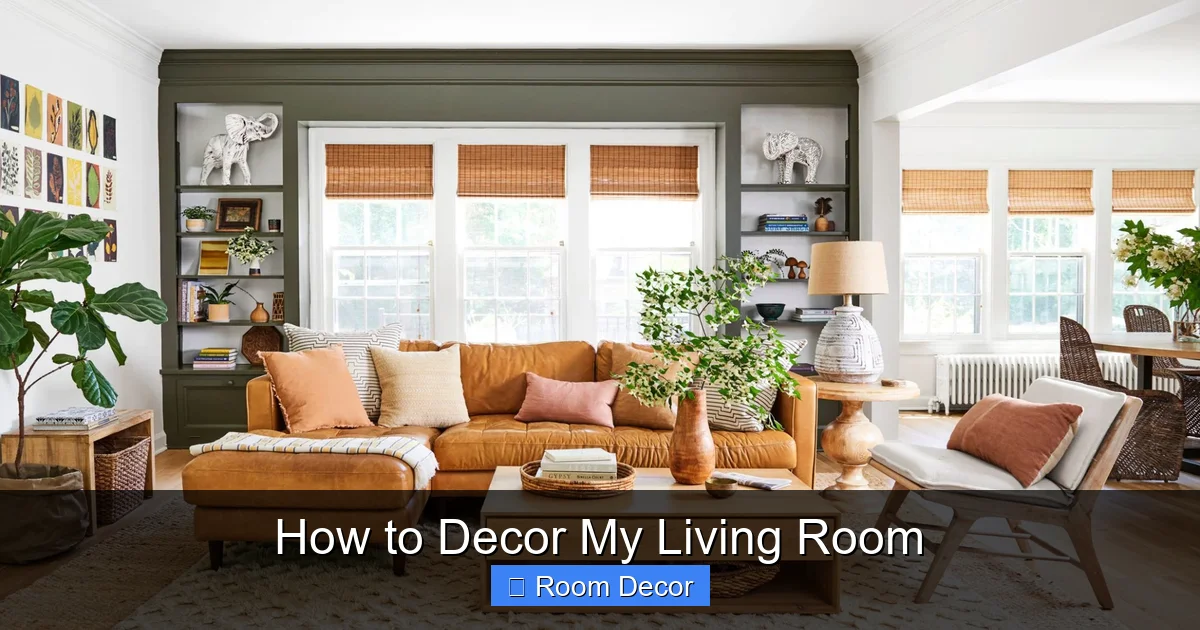
Ready to refresh your living room? This comprehensive guide will walk you through every step of how to decor your living room, from planning your style to selecting furniture and adding those crucial finishing touches. Discover how to create a space that reflects your personality and provides ultimate comfort, no matter your budget or existing decor.
## How to Decor Your Living Room: Your Ultimate Guide to a Stylish and Comfortable Space
Your living room is more than just a room; it’s the heart of your home. It’s where you relax after a long day, entertain guests, and create lasting memories. So, how do you decor your living room to make it a true reflection of your style and a sanctuary of comfort? This guide will take you through the entire process, step by step. We’ll cover everything from initial planning to the final decorative touches, ensuring you create a living room you’ll love.
### Step 1: Discover Your Living Room’s Purpose and Style
Before you even think about paint colors or furniture, take a moment to really consider how you use your living room and what kind of atmosphere you want to create. This foundational step is crucial to avoid making choices you’ll later regret.
#### H3: Define the Room’s Function
Ask yourself:
- Is this primarily a space for watching TV and relaxing?
- Do you frequently host gatherings and need ample seating?
- Is it a quiet reading nook?
- Does it need to accommodate children’s play or homework?
The answers will guide your furniture choices and layout. For example, a TV-centric room might focus on comfortable seating facing the screen, while a space for entertaining will prioritize conversation areas.
#### H3: Uncover Your Personal Style
What kind of “vibe” do you want for your living room? Think about styles that appeal to you. Are you drawn to:
- Modern: Clean lines, minimalist design, neutral colors with pops of bold accents.
- Traditional: Classic furniture, elegant fabrics, rich colors, and timeless patterns.
- Bohemian (Boho): Eclectic, free-spirited, layered textures, vibrant colors, and global influences.
- Farmhouse: Cozy, rustic, natural materials, distressed finishes, and a relaxed feel.
- Mid-Century Modern: Organic shapes, wood tones, retro patterns, and a blend of comfort and sophistication.
Don’t be afraid to mix and match elements from different styles to create something uniquely yours. Look for inspiration in magazines, on Pinterest, or in interior design blogs. Create a mood board to collect images and ideas that resonate with you. This visual collection will be invaluable as you move forward.
### Step 2: Plan Your Living Room Layout
A well-thought-out layout is the backbone of any successful living room design. It ensures good flow and makes the space feel balanced and inviting.
#### H3: Measure Your Space
This is non-negotiable! Grab a tape measure and accurately measure the length and width of your living room. Also, note the placement and dimensions of windows, doors, fireplaces, and any built-in features. Understanding your room’s dimensions will prevent you from buying furniture that’s too large or too small.
#### H3: Create a Floor Plan
You can do this the old-fashioned way with graph paper and pencil, or use free online tools and apps.
- Draw the room’s outline to scale.
- Mark the location of doors and windows.
- Identify the focal point. This could be a fireplace, a large window with a view, or a TV. Arrange your furniture to take advantage of this point.
#### H3: Arrange Your Furniture
This is where your floor plan comes to life.
- Start with the largest pieces: Typically, the sofa and any accent chairs.
- Create conversation areas: Arrange seating so that people can easily talk to each other without shouting. Aim for pieces to be within 6-8 feet of each other.
- Consider traffic flow: Ensure there are clear pathways for people to walk through the room without bumping into furniture. Leave at least 3 feet for main walkways.
- Don’t push all furniture against the walls: Pulling furniture away from the walls, even by a few inches, can make a room feel larger and more intimate.
- Place the TV thoughtfully: If your room has a TV focal point, ensure seating is positioned at a comfortable viewing distance and angle.
Tip: Use painter’s tape on the floor to mark out where furniture will go before you buy anything. This helps visualize the scale and placement.
### Step 3: Select Your Color Palette
Color has a powerful impact on the mood and feel of a room. Your chosen colors will tie everything together.
#### H3: The 60-30-10 Rule
A popular guideline for color distribution is the 60-30-10 rule:
- 60% Dominant Color: This is your main color, often used for walls and larger furniture pieces like sofas.
- 30% Secondary Color: This color supports the dominant color and can be used for accent chairs, curtains, or rugs.
- 10% Accent Color: This is your pop of color, used for smaller decorative items like pillows, artwork, and accessories.
#### H3: Choosing Your Colors
Consider the mood you want to create:
- Calm and Serene: Soft blues, greens, grays, and muted earth tones.
- Energizing and Bold: Rich reds, vibrant oranges, deep blues, and emerald greens.
- Cozy and Warm: Creams, beiges, warm browns, and terracotta.
Tip: Always get paint samples and test them on your walls in different lighting conditions before committing. Colors can look very different in natural light versus artificial light.
### Step 4: Choose Your Furniture
Furniture is a significant investment, so choose pieces that are both stylish and functional for your living room.
#### H3: The Sofa is Key
Your sofa is likely the largest and most important piece of furniture.
- Size: Ensure it fits your room’s scale and your layout plan.
- Comfort: Test it out! Sit on it, lie on it if possible.
- Style: Choose a style that complements your overall aesthetic.
- Fabric: Consider durability, ease of cleaning, and texture. For families with kids or pets, performance fabrics are a great choice.
#### H3: Accent Seating
Accent chairs can add personality, extra seating, and visual interest.
- Consider chairs with a different color, pattern, or texture than your sofa.
- Ensure they are comfortable enough for guests to sit in for a while.
- Armchairs, slipper chairs, or even a stylish bench can work.
#### H3: Coffee and Side Tables
These pieces are essential for functionality and can also add to the decor.
- Coffee table: Should be roughly two-thirds the length of your sofa and about 18 inches away from it.
- Side tables: Should be around the same height as the arm of your sofa.
- Material and Style: Mix materials like wood, metal, glass, or stone to add depth.
#### H3: Media Console and Storage
If you have a TV, a media console is practical. Consider other storage needs too, like bookshelves or cabinets for displaying decor and hiding clutter.
Troubleshooting: Small Living Room Furniture
If you have a small living room, opt for furniture with smaller footprints, like armless sofas or loveseats. Leggy furniture can also make a space feel more open. Avoid overstuffed pieces.
### Step 5: Layer Your Lighting
Good lighting can transform a room, creating ambiance and highlighting your decor. Don’t rely on a single overhead light.
#### H3: Ambient Lighting (General Illumination)
This is your main light source.
- Ceiling fixtures like chandeliers, flush mounts, or recessed lighting.
- Ensure the light is diffused and not too harsh.
#### H3: Task Lighting (For Specific Activities)
This is for activities like reading or working.
- Floor lamps next to a reading chair.
- Table lamps on side tables.
- Desk lamps if you have a workspace.
#### H3: Accent Lighting (To Highlight Features)
This draws attention to artwork, architectural features, or plants.
- Picture lights above artwork.
- Uplighting to highlight plants or textured walls.
- Dimmers on all lights allow you to control the mood.
Tip: Use warm-toned bulbs (around 2700K) for a cozy and inviting atmosphere.
### Step 6: Add Flooring and Rugs
The right rug can anchor your living room, define seating areas, add warmth, and introduce color or pattern.
#### H3: Area Rugs
* Size Matters: Your rug should be large enough to have at least the front legs of your sofa and chairs on it. Ideally, it should extend beyond the seating area.
* Placement: Center the rug within your main seating arrangement.
* Material and Pile: Consider durability, comfort, and ease of cleaning. Wool is durable, while jute or sisal offers a natural texture.
#### H3: Flooring Considerations
If you’re considering new flooring, hardwoods or high-quality laminate can be excellent choices for longevity and style. If you have existing flooring, a well-chosen rug can completely change the look and feel.
### Step 7: Accessorize with Personality
This is where you truly infuse your living room with your unique style and make it feel like home. It’s the fun part where you add the finishing touches.
#### H3: Artwork and Wall Decor
* Choose pieces you love: Whether it’s paintings, prints, photographs, or tapestries.
* Create a gallery wall: Mix and match frames and sizes for a dynamic display.
* Consider scale: Artwork should be proportionate to the wall and furniture it’s near. A general rule is that artwork should be hung at eye level (about 57-60 inches from the floor to the center of the piece).
#### H3: Throw Pillows and Blankets
These are easy and affordable ways to add color, texture, and comfort.
- Mix and match patterns, textures, and colors within your chosen palette.
- Layer blankets for added coziness.
#### H3: Decorative Objects
* Vases, sculptures, candles, trays, and more: Group items in odd numbers (e.g., three vases) for visual appeal.
* Personal touches: Display family photos or travel souvenirs.
* Plants: Bring life and color into the space.
#### H3: Curtains and Window Treatments
* Function: Consider light control, privacy, and insulation.
* Style: Curtains can add color, pattern, and softness. Hang them high and wide to make windows appear larger.
Troubleshooting: Overcrowding Decor
It’s easy to go overboard with accessories. If your space feels cluttered, take a step back. Remove a few items. Less is often more, allowing your key pieces to shine. Aim for curated displays rather than an abundance of small items.
### Step 8: Final Touches and Refinement
Once you’ve placed your furniture and accessories, live in the space for a bit.
#### H3: Live and Adjust
See how the room feels. Do you need to rearrange furniture for better flow? Are there areas that feel too empty or too crowded? Don’t be afraid to make adjustments. Interior design is often an iterative process.
#### H3: Personalize
Add those final personal touches that make the space truly yours. This could be a favorite book on the coffee table, a cherished photograph, or a piece of art that has special meaning.
### Conclusion
Decorating your living room is a journey, not a race. By following these steps, you can systematically transform your space into a stylish, comfortable, and functional area that you and your loved ones will cherish for years to come. Remember to have fun with the process, let your personality shine through, and don’t be afraid to experiment. Your living room is your canvas, so paint it with comfort and style!
Key Takeaways
- Define Your Style and Function: Before buying anything, consider how you use your living room and what aesthetic you desire. This clarity prevents costly mistakes and ensures a cohesive look.
- Layout is King: A well-planned furniture arrangement is the foundation of a functional and inviting living room. Consider traffic flow and focal points.
- Color Palette Power: Choose a color scheme that sets the mood. Neutrals offer versatility, while bolder colors can create a statement.
- Furniture Selection: Invest in key pieces that are both comfortable and proportionate to your space. Mix and match for visual interest.
- Lighting for Ambiance: Layer lighting to create depth and warmth. Combine overhead, task, and accent lighting.
- Accessorize Thoughtfully: Artwork, rugs, pillows, and decor pieces add personality and complete the look, but avoid overcrowding.