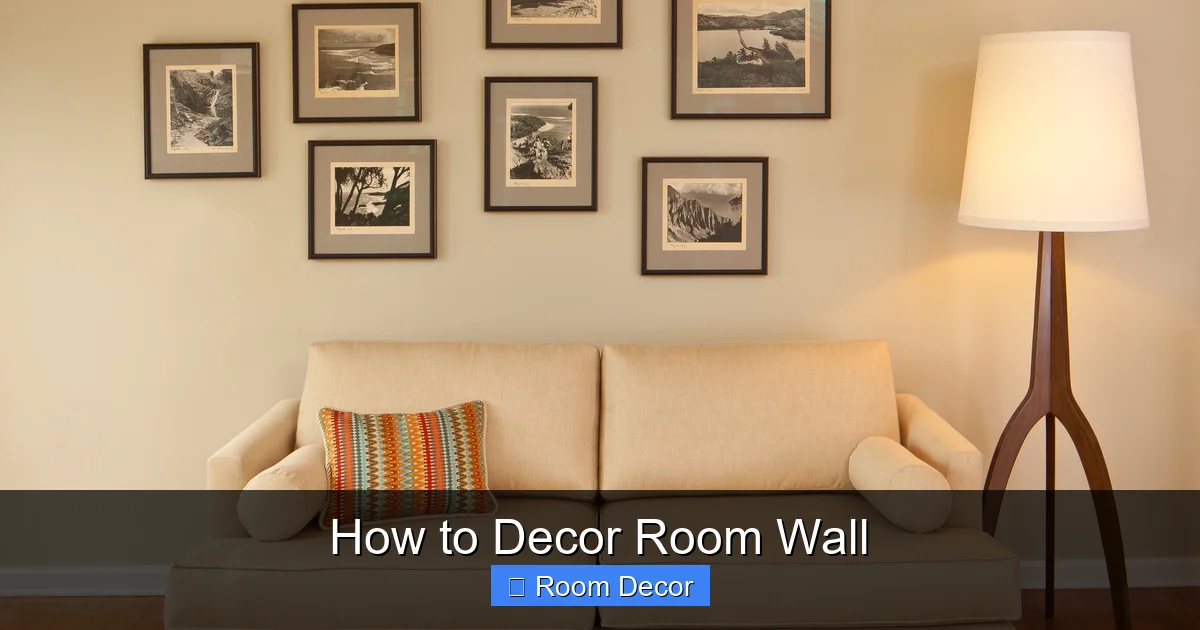
Ready to revitalize your living space? This guide will walk you through the exciting process of how to decor room wall, offering expert tips for choosing the right elements, planning your layout, and executing your vision. Discover how to create a stunning focal point, add personality, and make your room truly your own. Elevate your home decor with practical advice and creative inspiration.
Are you staring at blank walls and feeling a little… uninspired? Do you dream of a home that reflects your personality, tells your story, and feels like a true sanctuary? You’re in the right place! Decorating your room walls is one of the most impactful ways to transform any space. It’s not just about filling empty areas; it’s about creating a mood, showcasing your passions, and adding that essential touch of “you” to your home.
This comprehensive guide will demystify the process of how to decor room wall. We’ll cover everything from understanding your style to hanging that final piece of art. Whether you’re a seasoned decorator or a complete beginner, you’ll find actionable steps, practical tips, and creative ideas to make your walls come alive. Get ready to turn those blank canvases into captivating displays!
Key Takeaways
- Understand Your Style: Before decorating, define your personal aesthetic to ensure cohesive and impactful wall decor choices.
- Plan Your Layout: Measure your space and sketch out potential arrangements to avoid overcrowding and create a balanced look.
- Consider Functionality: Think about how the wall decor will serve your needs, whether it’s for storage, displaying memories, or adding ambiance.
- Mix Textures and Materials: Combining different elements like wood, metal, fabric, and plants adds depth and visual interest.
- Prioritize Lighting: Proper lighting can highlight your decor and set the mood, making your wall decorations truly shine.
- Don’t Be Afraid to Experiment: Wall decor is an opportunity for personal expression; try new things and adjust as needed.
Step 1: Discover Your Decorating Style
The very first step in knowing how to decor room wall is understanding your personal style. What colors do you love? What kind of atmosphere do you want to create? Answering these questions will be your compass.
Identify Your Aesthetic
Take a moment to think about the interiors you admire. Do you lean towards:
- Minimalist: Clean lines, neutral colors, and uncluttered spaces.
- Bohemian (Boho): Eclectic, colorful, with natural textures and a relaxed vibe.
- Modern: Sleek, geometric shapes, and a focus on functionality.
- Farmhouse: Cozy, rustic elements, natural wood, and a vintage feel.
- Industrial: Exposed materials like brick and metal, raw finishes, and utilitarian designs.
- Traditional: Classic furnishings, elegant details, and a timeless appeal.
Gather inspiration from magazines, Pinterest, Instagram, or even your favorite cafes. Save images that resonate with you. Look for common themes in color palettes, textures, and the overall feeling they evoke.
Consider the Room’s Purpose
Think about how you use the room. A bedroom might call for calming and serene wall decor, while a living room could handle more vibrant and conversation-starting pieces. A home office might benefit from inspiring quotes or organized shelving.
Step 2: Assess Your Walls and Space

Visual guide about How to Decor Room Wall
Image source: drivenbydecor.com
Before you buy anything, get to know your walls! The size, shape, and existing features of your walls will influence your decorating choices.
Measure Your Walls
This is crucial for selecting appropriately sized decor. Measure the length and height of the walls you plan to decorate. Note any architectural features like windows, doors, fireplaces, or built-in shelving.
Consider Wall Color and Texture
Your current wall color plays a big role. Lighter walls can make decor pop, while darker walls can create a more intimate feel. If your walls have an interesting texture, consider how your decor will interact with it.
Evaluate Furniture Placement
Your wall decor should complement, not compete with, your furniture. Think about where your sofa, bed, or desk will be placed. Wall art should generally be hung at eye level, which is typically around 57-60 inches from the floor to the center of the piece.
Step 3: Choose Your Wall Decor Elements
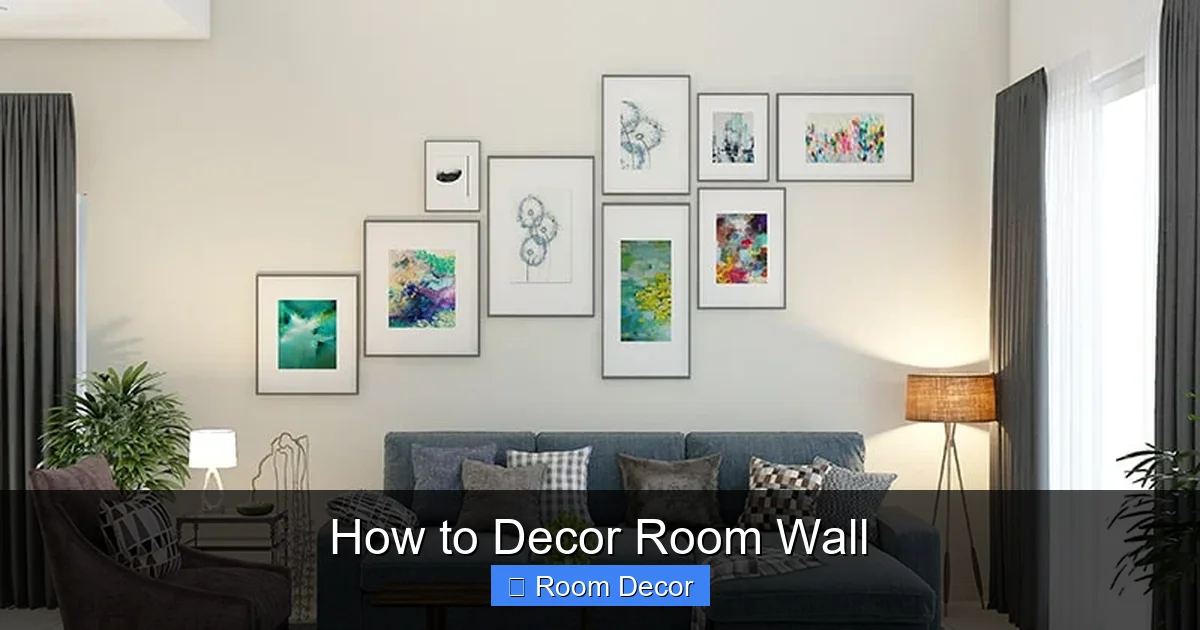
Visual guide about How to Decor Room Wall
Image source: media.designcafe.com
Now for the fun part – selecting what will adorn your walls! The possibilities are endless, so let’s break down some popular options.
Artwork and Prints
This is perhaps the most common form of wall decor.
- Paintings: Original or reproductions, paintings add color and emotion.
- Prints: Posters, art prints, and photographs offer a wide range of styles and affordability.
- Gallery Walls: A collection of smaller pieces arranged together to create a dynamic display. This is a fantastic way to personalize your space.
When choosing art, consider scale. A single large piece can be a dramatic focal point, while a collection of smaller pieces can add detail and interest.
Mirrors
Mirrors are not only decorative but also functional.
- Reflect Light: They can make a room feel larger and brighter by bouncing natural and artificial light.
- Add Depth: Placing a mirror opposite a window can create the illusion of another opening.
- Decorative Frames: Mirrors come in a variety of frame styles, from ornate gold to simple modern designs, adding to the aesthetic.
Shelving
Shelves offer both display and storage solutions.
- Floating Shelves: These offer a clean, modern look and are great for displaying small items.
- Picture Ledges: Perfect for easily swapping out photos and small art pieces.
- Bookcases: Larger units can anchor a wall and provide ample space for books, plants, and decorative objects.
When styling shelves, aim for a mix of items at different heights and textures. Don’t forget to leave some empty space; it’s just as important as the items you display.
Wall Hangings and Textiles
These can add warmth, texture, and color.
- Tapestries: Large, fabric art pieces that can cover a significant portion of a wall.
- Macrame Hangings: Offer a bohemian, handmade feel.
- Wall Rugs: A unique way to add pattern and texture.
Photos and Memorabilia
Personal touches make a house a home.
- Framed Photos: Displaying family pictures, travel memories, or favorite moments.
- Collages: Arrange photos in a grid or a more freeform layout.
- Shadow Boxes: Display treasured keepsakes like concert tickets, dried flowers, or trinkets.
Plants and Greenery
Bringing nature indoors can instantly liven up a space.
- Potted Plants: Place larger plants on the floor or on shelves.
- Hanging Plants: Use macrame hangers or wall-mounted planters.
- Vertical Gardens: For a more ambitious project, consider a living wall.
Other Decorative Elements
Don’t forget less conventional ideas!
- Wall Decals: Removable stickers that can add patterns, quotes, or imagery.
- Wallpaper: A bold way to add pattern and color to an accent wall.
- Clock: A functional and stylish statement piece.
- DIY Projects: Create your own abstract art, paint a mural, or craft unique wall sculptures.
Step 4: Plan Your Layout and Arrangement

Visual guide about How to Decor Room Wall
Image source: jennakateathome.com
Once you have your chosen elements, it’s time to plan how they will come together. This is where your measurements and sketches come in handy.
Create a Mock-Up
Before drilling holes, lay your items on the floor in the arrangement you envision. This allows you to see how they fit together and make adjustments without making permanent marks.
Use the “Rule of Thirds” (Loosely)
Imagine dividing your wall into thirds, both horizontally and vertically. Placing key elements at the intersections or along these lines can create a visually pleasing composition.
Consider Symmetry and Asymmetry
A symmetrical arrangement (e.g., two identical mirrors flanking a piece of art) creates a sense of order and balance. An asymmetrical arrangement can feel more dynamic and relaxed.
Gallery Wall Tips
If you’re creating a gallery wall, consider these tips:
- Mix Sizes and Shapes: Don’t use all the same size frames.
- Vary Orientation: Include both horizontal and vertical pieces.
- Keep a Consistent Color Palette: This ties the collection together.
- Use a Hanging Template: For frames with the same size, you can cut out paper templates the size of your frames and tape them to the wall to visualize the arrangement.
Step 5: Prepare for Hanging
You’re ready to put your plan into action! Proper preparation ensures a neat and secure installation.
Gather Your Tools
You’ll likely need:
- Measuring tape
- Pencil
- Level
- Hammer
- Screwdriver
- Drill (if needed for heavy items or anchors)
- Picture hanging hardware (nails, screws, picture hooks, command strips)
- Stud finder (essential for hanging heavier items securely)
Mark Your Hanging Points
Using your mock-up and level, carefully mark where each piece will hang on the wall. For artwork, measure from the top of the frame to the hanging wire or hook. Then, determine the desired height of the center of the artwork on the wall and measure down from your mark to find the hanging point.
Step 6: Hang Your Decor
This is the moment of truth! Take your time and follow these steps for a successful installation.
For Lightweight Items (e.g., unframed prints, small decals):
- Command Strips: These are excellent for damage-free hanging and are perfect for lighter items. Follow the package instructions carefully for application and removal.
- Small Nails or Pins: For very light paper prints or posters, small nails can work.
For Medium-Weight Items (e.g., framed photos, smaller mirrors):
- Picture Hooks: These are designed to distribute weight and are suitable for many framed items.
- Screws with Anchors: If you’re not hitting a stud, use wall anchors to provide a secure hold for the screw.
For Heavy Items (e.g., large mirrors, heavy art, shelves):
- Locate Studs: Use a stud finder to locate wall studs. Hanging directly into a stud is the most secure method. Mark the center of the stud.
- Drill Pilot Holes: Drill a pilot hole slightly smaller than your screw into the stud or anchor.
- Secure with Screws: Use appropriate screws to attach your hanging hardware or the item itself directly to the wall.
Using a Level
Always use your level to ensure your decor is straight before fully securing it. Place the level on top of the item or frame and adjust until the bubble is centered.
Step 7: Add Finishing Touches and Refine
Once everything is hung, take a step back and admire your work!
Step Back and Assess
Look at your walls from different angles and distances. Does the arrangement feel balanced? Are there any empty spaces that feel awkward?
Adjust as Needed
It’s perfectly fine to move things around if something doesn’t feel quite right. Don’t be afraid to make small adjustments.
Consider Lighting
Good lighting can make a huge difference.
- Accent Lighting: Use picture lights to illuminate artwork.
- Task Lighting: Ensure areas around shelves are well-lit if they serve a functional purpose.
- Ambient Lighting: Consider how your wall decor interacts with your room’s overall lighting scheme.
Troubleshooting Common Decorating Dilemmas
Even with the best intentions, you might run into a few hiccups.
“My wall looks too bare.”
- Add more pieces: Consider a gallery wall or a larger statement piece.
- Incorporate 3D elements: Shelves with objects, plants, or decorative baskets can add dimension.
- Think about scale: Are your pieces too small for the wall?
“My arrangement feels cluttered.”
- Edit ruthlessly: Sometimes, less is more. Remove a few items.
- Create breathing room: Ensure there’s adequate space between items.
- Simplify your color palette: Too many competing colors can feel chaotic.
“I don’t want to put holes in my walls.”
- Command Strips: The best solution for damage-free hanging.
- Adhesive Hooks: Similar to Command Strips, these come in various strengths.
- Lean and Prop: Larger pieces of art or mirrors can often be leaned against the wall and propped up with furniture.
- Freestanding Decor: Use decorative screens or tall plants to fill vertical space.
Conclusion
Decorating room walls is an exciting journey of self-expression and creativity. By understanding your style, planning your layout, choosing the right elements, and executing with care, you can transform any room into a space that feels uniquely yours. Remember, the most important rule is to create a look that you love and that brings you joy. So go ahead, experiment, have fun, and let your walls tell your story! Happy decorating!