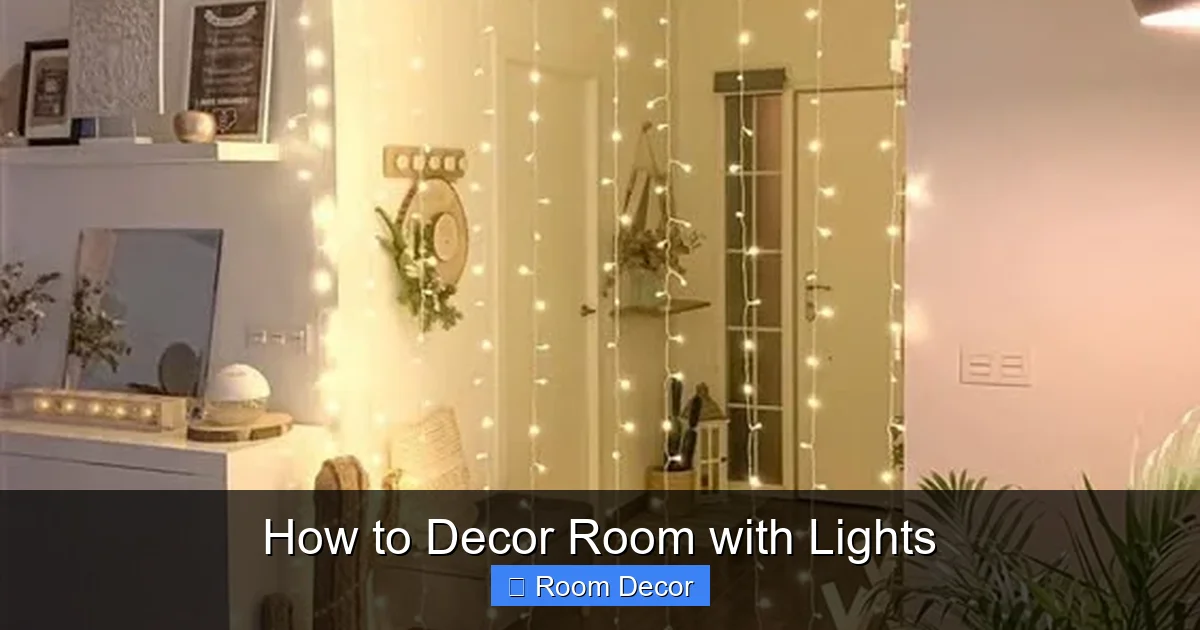
Elevate your room’s atmosphere and style with the power of light! This comprehensive guide will teach you how to use lighting effectively for ambiance, functionality, and a touch of magic. Learn about different light types, strategic placement, and creative decorating ideas to make any space truly shine. Master the art of lighting to create the perfect mood for any occasion.
Transforming a room with lighting is one of the most effective and affordable ways to change its entire feel. Lighting is more than just about seeing; it’s about creating an atmosphere, highlighting your favorite decor, and making a space feel inviting and comfortable. Whether you want to create a cozy reading nook, a vibrant entertaining space, or a serene bedroom retreat, the right lighting can make all the difference. This guide will walk you through everything you need to know about how to decorate a room with lights, from understanding the different types of light to strategically placing them for maximum impact. Get ready to illuminate your world!
Key Takeaways
- Understand the Layers of Light: Successful room lighting involves layering ambient, task, and accent lighting to create a balanced and functional space.
- Choose the Right Light Temperature: Warm, cool, or neutral light significantly impacts a room’s mood; select accordingly for desired ambiance.
- Strategic Placement is Key: Position lights thoughtfully to highlight features, eliminate shadows, and enhance the room’s overall flow and purpose.
- Embrace Decorative Fixtures: Lighting fixtures are not just functional; they are design elements that add style and personality to your decor.
- Dimmer Switches Offer Versatility: Install dimmers to easily adjust light intensity, allowing you to switch between different moods and activities.
- Consider Natural Light’s Role: Maximize natural light during the day and complement it with artificial lighting in the evenings for a seamless transition.
- Experiment with Smart Lighting: Smart bulbs and systems offer advanced control over color, brightness, and scheduling, providing ultimate customization.
Understanding the Foundation: The Three Layers of Light
Before you start picking out pretty lamps, it’s crucial to understand the fundamental principles of good lighting design. Most designers talk about three main layers of light, and mastering these will ensure your room is well-lit and functional for any activity.
Ambient Lighting: The Foundation
Ambient lighting, also known as general lighting, is the main source of illumination in a room. It’s what allows you to move around safely and comfortably. Think of it as the overarching light that fills the space.
* Ceiling Fixtures: Flush mounts, semi-flush mounts, and chandeliers are common examples. They distribute light throughout the room.
* Recessed Lighting: These lights are built into the ceiling, offering a clean, unobtrusive look.
* Wall Sconces: When placed strategically, wall sconces can provide soft ambient light, especially in hallways or living areas.
The goal of ambient lighting is to provide a comfortable, even level of illumination. It shouldn’t be too harsh or too dim; it should be the backdrop for all other lighting.
Task Lighting: For Specific Activities
Task lighting is focused light that’s directed at a specific area where you perform certain activities. This is crucial for functionality.
* Reading Lamps: Floor lamps or table lamps placed next to a chair or sofa are perfect for reading.
* Desk Lamps: Essential for home offices or study areas, providing focused light to prevent eye strain.
* Kitchen Under-Cabinet Lighting: Illuminates countertops for food preparation.
* Vanity Lights: Found in bathrooms, these provide bright, shadow-free light for grooming.
Without adequate task lighting, areas dedicated to specific activities can become frustrating and impractical.
Accent Lighting: Highlighting the Stars
Accent lighting is used to draw attention to specific features in your room, such as artwork, architectural details, or decorative objects. It adds depth, drama, and visual interest.
* Track Lighting: Adjustable heads can be directed at artwork or shelves.
* Picture Lights: Small, elegant lights mounted above a framed piece of art.
* Uplights or Downlights: Positioned to cast light upwards on a textured wall or downwards on plants or sculptures.
* LED Strip Lights: Can be hidden under cabinets, behind furniture, or along ledges to create a subtle glow.
Accent lighting shouldn’t overpower the ambient light; it’s meant to be a subtle highlight, a way to tell a visual story within your room.
Choosing Your Light Source: Bulbs and Their Impact

Visual guide about How to Decor Room with Lights
Image source: i.pinimg.com
The type of light bulb you choose has a significant impact on the color and quality of light in your room. Understanding bulb types will help you create the desired mood.
Incandescent vs. LED vs. Halogen
* Incandescent Bulbs: These are the traditional bulbs that produce a warm, inviting light. However, they are energy-inefficient and have a shorter lifespan. Many are being phased out.
* Halogen Bulbs: A more energy-efficient version of incandescent, offering brighter light and a longer lifespan. They produce a clean, white light.
* LED (Light Emitting Diode) Bulbs: The most energy-efficient and longest-lasting option. LEDs come in a wide range of colors and color temperatures, making them incredibly versatile. While the initial cost might be higher, they save money and energy in the long run.
Color Temperature: The Mood Setter

Visual guide about How to Decor Room with Lights
Image source: i.pinimg.com
Color temperature, measured in Kelvin (K), describes the hue of the light. This is one of the most critical factors in creating atmosphere.
* Warm White (2700K-3000K): This is similar to the light from an incandescent bulb. It has a yellowish hue, creating a cozy, relaxing, and intimate atmosphere. Ideal for living rooms, bedrooms, and dining rooms where you want to unwind.
* Cool White (3500K-4100K): This light has a more neutral, slightly bluish tint. It’s brighter and can make a space feel more energetic and alert. Good for kitchens, bathrooms, and home offices where you need clear visibility.
* Daylight (5000K-6500K): This light mimics natural daylight. It’s very bright and crisp, with a blueish tint. Best for task lighting or areas where you need maximum clarity, like a workshop or a garage.
**Tip:** For a cohesive look, try to stick to one color temperature within a single room, or at least in adjacent spaces. Mixing warm and cool can sometimes look disjointed.
Decorative Lighting Fixtures: Style Meets Function

Visual guide about How to Decor Room with Lights
Image source: homebnc.com
Lighting fixtures are not just about light; they are decorative elements that contribute significantly to your room’s overall style. Choosing the right fixtures can elevate your decor.
Chandeliers and Pendants: The Statement Makers
These are often used as focal points in a room.
* Chandeliers: Typically hung in dining rooms, entryways, or living rooms, they add a touch of grandeur and elegance.
* Pendant Lights: Versatile and available in many styles, from industrial to modern to rustic. They can be hung individually or in groups over kitchen islands, dining tables, or in corners for ambient light.
Table Lamps and Floor Lamps: Versatile Illumination
These are workhorses of home lighting.
* Table Lamps: Perfect for bedside tables, console tables, end tables, and desks. They provide task lighting and add a decorative touch with their bases and shades.
* Floor Lamps: Great for illuminating dark corners, providing reading light next to a chair, or adding a general glow to a living area. Arc floor lamps can extend light over a sofa or seating area.
Wall Sconces: Architectural Ambiance
Wall sconces add character and can provide soft, diffused light. They are excellent for hallways, staircases, or flanking fireplaces and mirrors.
String Lights and Fairy Lights: Whimsical Charm
These are excellent for adding a touch of magic and coziness.
* String Lights: Drape them around mirrors, over headboards, along shelves, or even weave them into plants.
* Fairy Lights: Often battery-operated, these small, delicate lights can be placed in jars, lanterns, or tucked into displays for a subtle, enchanting glow.
Strategic Placement: Where to Put Your Lights
The location of your lights is just as important as the type of light you choose. Thoughtful placement can transform a dark, uninviting room into a warm, welcoming space.
Creating Zones and Flow
Think about how you use your room and where different activities take place.
* **Living Room:** Place ambient lighting overhead (a central fixture or recessed lights). Add task lighting with floor or table lamps near seating areas for reading. Use accent lighting to highlight artwork or decorative shelves.
* **Bedroom:** Ambient light from a ceiling fixture or bedside lamps. Task lighting from reading lamps next to the bed. Consider dimmers for a relaxing mood. Accent lighting can highlight a dresser or a piece of art.
* **Kitchen:** Bright ambient lighting is essential. Under-cabinet lighting is a must for task illumination on countertops. Pendant lights over an island can add both light and style.
* **Dining Room:** A statement chandelier or pendant light above the dining table is key. Consider wall sconces for softer ambient light and to draw attention to wall decor.
* **Hallways and Entryways:** Ensure adequate ambient lighting for safety. Wall sconces can add elegance and guide the way. A console table can benefit from a table lamp for a welcoming touch.
Avoiding Common Pitfalls
* **The Single Overhead Light Syndrome:** Relying solely on one overhead light often creates harsh shadows and a flat, uninviting atmosphere. Layer your lighting!
* **Ignoring Dark Corners:** These can make a room feel smaller and less inviting. Use floor lamps or uplights to banish shadows.
* **Overlapping Light Sources:** Sometimes, placing lights too close together can create glare or unnecessary brightness. Ensure your light sources complement each other.
* **Light Glare on Screens:** Be mindful of where lights are positioned in relation to TVs or computer monitors to avoid distracting glare.
Incorporating Natural Light
Don’t forget about the power of natural light! It’s the most beautiful and flattering light source we have.
* **Maximize Window Light:** Keep windows clean and unobstructed. Use sheer curtains or blinds that can be adjusted to control the amount of light entering the room.
* **Reflective Surfaces:** Mirrors strategically placed opposite windows can bounce natural light deeper into the room. Light-colored walls and furniture also help reflect light.
* **Evening Transition:** As natural light fades, your artificial lighting should seamlessly take over. This is where dimmers are incredibly useful.
Smart Lighting: The Future of Illumination
Smart lighting technology offers incredible control and customization.
* Smart Bulbs: These can be controlled via an app or voice assistant. You can change their color, brightness, and even set schedules. This is perfect for creating different moods throughout the day or for security.
* Smart Plugs: These allow you to control non-smart lamps and fixtures from your phone or voice assistant.
* Smart Switches and Dimmers: Upgrade your existing switches for smart control.
Smart lighting can automate your home, enhance security, and provide endless creative possibilities for decorating with light.
Troubleshooting Common Lighting Issues
Even with the best intentions, you might run into some lighting challenges.
Issue: The room feels too dark.
* Solution: Add more ambient light sources. Consider a brighter overhead fixture or a floor lamp. Ensure you’re using appropriate bulb wattage. Check if you have enough task lighting. Clean windows to maximize natural light.
Issue: The lighting is too harsh or sterile.
* Solution: Lower the Kelvin temperature of your bulbs towards warm white (2700K-3000K). Use lampshades to diffuse light. Install dimmer switches to control brightness.
Issue: There are too many shadows.
* Solution: Introduce more ambient lighting. Use uplights to cast light upwards on walls. Place floor lamps in dark corners. Ensure task lighting is positioned correctly.
Issue: The room feels flat and uninteresting.
* **Solution:** Add accent lighting to highlight architectural features, artwork, or plants. Experiment with different types of decorative fixtures like pendants or sconces. Consider string lights for added ambiance.
Conclusion
Decorating with lights is a powerful tool for enhancing your home. By understanding the different layers of light, choosing the right color temperature, and strategically placing your fixtures, you can create a space that is not only beautiful but also functional and inviting. Don’t be afraid to experiment! Play with different combinations, try new fixtures, and use dimmers to control the mood. With a little planning and creativity, you can use light to transform any room into a masterpiece. So go ahead, turn on the magic and let your room shine!