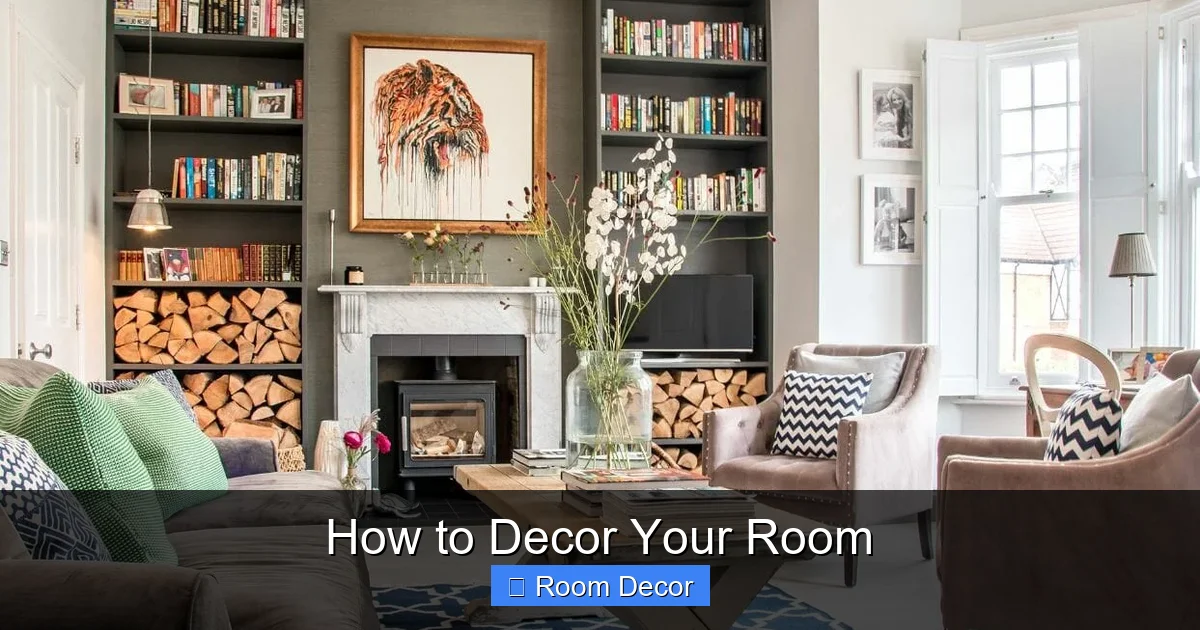
Learn how to decor your room with this ultimate guide. We’ll walk you through the entire process, from understanding your style and planning your layout to selecting the perfect pieces and adding those finishing touches. Get ready to create a space that truly feels like yours, blending comfort and aesthetics.
Key Takeaways
- Define Your Style First: Before buying anything, understand your personal aesthetic, whether it’s minimalist, bohemian, modern, or eclectic. This guides all your decor choices.
- Start with a Plan: Sketch out your room layout, consider functionality, and create a mood board to visualize your ideas before you invest time and money.
- Color Palette is Key: Choose a cohesive color scheme that sets the mood and ties your decor elements together harmoniously.
- Prioritize Functionality and Comfort: Your room should not only look good but also serve its purpose and feel comfortable and inviting.
- Layer Your Lighting: Combine ambient, task, and accent lighting to create depth, mood, and enhance the usability of your space.
- Don’t Forget Personal Touches: Incorporate items that tell your story, such as photos, art, or collectibles, to make your room unique.
- Embrace the Edit: Less can be more. Be willing to declutter and refine your decor to avoid overwhelming the space.
How to Decor Your Room
Are you ready to give your room a fresh new look? Decorating a room can feel like a big project, but it doesn’t have to be overwhelming. With a little planning and some creative ideas, you can transform your space into a place that reflects your personality, enhances your comfort, and boosts your mood. This comprehensive guide will walk you through every step of how to decor your room, from the initial brainstorming to the final, perfect touches.
We’ll cover everything you need to know to make informed decisions, avoid common pitfalls, and create a room you’ll love spending time in. Get ready to unlock your inner decorator and make your room truly shine!
Step 1: Discover Your Decor Style

Visual guide about How to Decor Your Room
Image source: thespruce.com
Before you even think about picking out a paint color or a new cushion, the most important first step in how to decor your room is to understand your personal style. What vibe do you want your room to have? What makes you feel comfortable and inspired? This is your foundation.
Explore Different Styles
There are many popular decor styles. Take some time to browse magazines, Pinterest, Instagram, or design blogs. Look for images that catch your eye and ask yourself what you like about them.
* Minimalist: Clean lines, neutral colors, uncluttered spaces, and functional pieces. Think simplicity and order.
* Bohemian (Boho): Rich textures, layered patterns, natural elements, and a relaxed, free-spirited feel. Often includes plants and eclectic finds.
* Modern: Sleek designs, geometric shapes, a focus on functionality, and often a limited color palette with bold accents.
* Scandinavian: Light and airy spaces, natural materials like wood, neutral colors (especially white and grey), and a cozy, hygge atmosphere.
* Industrial: Exposed brick, metal accents, raw wood, and a utilitarian, loft-like feel.
* Eclectic: A mix of styles, eras, and textures, curated to create a personal and unique look. It’s about blending what you love.
Create a Mood Board
Once you have an idea of the styles you’re drawn to, create a mood board. This can be a physical board with cutouts from magazines or a digital board using tools like Pinterest or Canva. Collect images of furniture, color palettes, textures, art, and accessories that appeal to you. This will help you see if different elements work well together and solidify your vision.
Step 2: Plan Your Room Layout

Visual guide about How to Decor Your Room
Image source: cdn.thecoolist.com
Now that you know your style, it’s time to think about how your room will function. A well-planned layout is crucial for both aesthetics and practicality.
Measure Your Space
Before buying any furniture, measure your room accurately. Note the dimensions of the walls, windows, and doors. Also, measure any existing furniture you plan to keep. This will prevent you from buying pieces that are too big or too small for your space.
Consider Traffic Flow
Think about how you move around the room. You need clear pathways between doors, furniture, and functional areas (like a desk or bed). Avoid blocking doorways or creating awkward bottlenecks.
Define Zones
Even in a small room, you can create different zones for various activities. For example, you might have a sleeping zone, a reading nook, or a workspace. Arranging furniture strategically can help define these areas without needing walls.
Sketch It Out
Draw a rough floor plan of your room. You can do this on paper or use online room planning tools. Experiment with different furniture arrangements until you find one that maximizes space, functionality, and visual appeal.
Step 3: Choose Your Color Palette

Visual guide about How to Decor Your Room
Image source: mydomaine.com
Color has a powerful impact on the mood and feel of a room. A cohesive color palette will tie all your decor elements together.
Understand Color Theory Basics
* Dominant Color: This is the main color that will be most prominent in the room.
* Secondary Color: This color will complement the dominant color and should be used about 60% of the time.
* Accent Color: This is a bolder color used sparingly to add pops of interest and personality.
Select Your Colors
Consider the mood you want to create.
* Calm and Relaxing: Blues, greens, and soft neutrals.
* Energizing and Inspiring: Yellows, oranges, and vibrant blues.
* Sophisticated and Cozy: Deeper tones like charcoal, navy, deep red, or rich browns.
Test Colors
Once you have a potential palette, get paint swatches and small samples. Paint a small section of your wall with each color and observe how it looks at different times of the day. Natural light and artificial lighting can significantly change how a color appears.
Step 4: Select Your Furniture
Furniture is the backbone of your room’s decor. Choose pieces that fit your style, your layout, and your needs.
Prioritize Essential Pieces
Start with the most important pieces. For a bedroom, this is usually a bed and storage. For a living room, it might be a sofa and seating.
Think About Scale and Proportion
Ensure your furniture is the right size for your room. Oversized furniture can make a small room feel cramped, while too-small furniture can get lost in a large space.
Mix and Match (Carefully)
You don’t need to buy all your furniture from the same set. Mixing and matching pieces can create a more unique and personal look. However, ensure they complement each other in terms of style, color, or material.
Consider Multi-functional Furniture
In smaller spaces, furniture that serves more than one purpose is a lifesaver. Think ottomans with storage, sofa beds, or nesting tables.
Step 5: Layer Your Lighting
Good lighting can dramatically transform a room, making it feel more inviting and functional. Don’t rely on just one overhead light.
Ambient Lighting
This is the general, overall illumination in a room. Think ceiling lights, chandeliers, or floor lamps that cast a wide glow.
Task Lighting
This is focused light for specific activities. Examples include a desk lamp for reading or working, or a bedside lamp for nighttime reading.
Accent Lighting
This type of lighting highlights specific features, such as artwork, architectural details, or plants. Wall sconces or small spotlights are good for this.
Dimmer Switches
Installing dimmer switches gives you control over the intensity of your lighting, allowing you to adjust the mood for different occasions.
Step 6: Choose Your Decor Accessories
Accessories are the finishing touches that add personality and warmth to your room. This is where you really bring your style to life.
Wall Art
* Gallery Walls: Combine different sizes and frames of artwork, photos, or prints for a dynamic display.
* Large Statement Piece: A single, impactful piece can anchor the room.
* Mirrors: These can make a room feel larger and brighter by reflecting light.
Textiles
* Rugs: A well-chosen rug can define a space, add warmth, and introduce color and pattern.
* Curtains: These add privacy, control light, and can introduce texture and color to your walls.
* Cushions and Throws: Easy to swap out, these are perfect for adding pops of color, pattern, and cozy texture to sofas and beds.
Plants
Greenery adds life, color, and a sense of calm to any space. Choose plants that suit your room’s lighting conditions and your plant-care abilities.
Personal Items
Display items that are meaningful to you – cherished photographs, souvenirs from travels, your favorite books, or handcrafted items. These tell your story and make your room truly yours.
Step 7: Arrange and Style
The way you arrange your furniture and accessories is key to a beautiful and functional room.
The Rule of Three
When grouping decorative items, arrange them in odd numbers, often threes. This creates a more visually pleasing and dynamic composition than even numbers.
Create Balance
Ensure that visual weight is distributed evenly throughout the room. If you have a large piece of furniture on one side, balance it with another substantial item or a group of smaller items on the opposite side.
Leave Some Negative Space
Don’t feel the need to fill every single surface. Empty space, also known as negative space, allows your decor to breathe and prevents the room from feeling cluttered.
Add Texture
Mix different textures – smooth, rough, soft, hard – to add depth and interest. Think a velvet cushion on a linen sofa, or a wooden side table with a ceramic lamp.
Troubleshooting Common Decorating Dilemmas
Even with the best plans, you might encounter a few hurdles. Here are solutions to common decorating challenges:
My room feels too small and cramped.
* **Solution:** Use light colors on walls and ceilings. Incorporate mirrors to create an illusion of space. Opt for furniture with legs to make the floor visible. Choose multi-functional furniture to reduce clutter.
My room feels cold and uninviting.
* **Solution:** Add warmer tones through textiles like rugs, cushions, and throws. Introduce wood elements. Layer lighting with warm bulbs. Bring in plants and personal photos to add warmth and personality.
I can’t seem to get the color palette right.
* Solution: Go back to your mood board. Ensure your chosen colors are harmonious and that you have a clear dominant, secondary, and accent color. Test paint colors in different lights again. Sometimes, a neutral base with bolder accents works best.
My room looks cluttered.
* Solution: Declutter ruthlessly. Every item should have a purpose or bring you joy. Invest in smart storage solutions. Group similar items together and ensure there’s visual breathing room.
Conclusion
Decorating your room is a journey of self-expression. By following these steps – from discovering your style and planning your layout to carefully selecting furniture, lighting, and accessories – you can create a space that is not only beautiful but also a true reflection of who you are. Remember, the most important aspect of how to decor your room is to make it a place you love to be. Don’t be afraid to experiment, trust your instincts, and enjoy the process of making your personal sanctuary truly your own. Happy decorating!