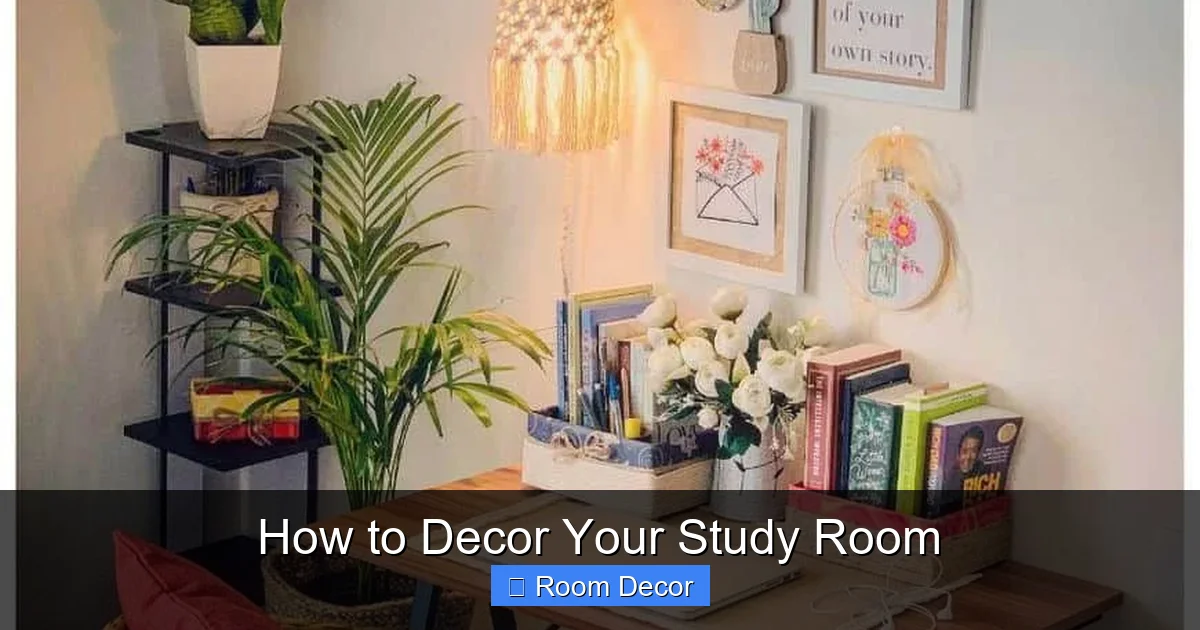
Learn how to decor your study room to create a space that inspires focus and productivity. This comprehensive guide walks you through every step, from choosing the right furniture and lighting to incorporating personal touches. Elevate your learning and working environment with practical, actionable advice for a more enjoyable and effective study experience.
Ready to transform your study room into a haven of focus and creativity? A well-decorated study room isn’t just about aesthetics; it’s about creating an environment that supports your learning, work, and personal growth. In this comprehensive guide, we’ll walk you through every step of how to decor your study room, from the foundational elements to the finishing touches. Whether you’re a student needing a quiet place to hit the books, a remote worker seeking a productive home office, or a hobbyist looking for inspiration, you’ll find practical tips and actionable advice to create a space that truly works for you. Let’s get started on making your study room the best it can be!
Key Takeaways
- Define Your Study Needs: Understanding how you use your study room is the first step to effective decor. Are you a student, remote worker, or hobbyist? This will dictate furniture and storage requirements.
- Optimize Layout and Flow: Arrange furniture to maximize natural light, minimize distractions, and create a comfortable workflow. Consider the placement of your desk, chair, and storage units.
- Prioritize Ergonomics and Comfort: Invest in an ergonomic chair and a desk at the right height to prevent strain. Ensure adequate lighting to protect your eyes and maintain energy levels.
- Strategic Storage Solutions: Clutter is the enemy of focus. Implement smart storage options like shelves, drawers, and organizers to keep your study room tidy and essentials within reach.
- Personalize Your Space: Inject your personality through decor. Art, plants, and inspiring quotes can make your study room a more inviting and motivating place to be.
- The Power of Lighting: Combine ambient, task, and accent lighting to create a versatile and eye-friendly study environment. Natural light should always be maximized.
- Minimize Distractions: Soundproofing, smart color choices, and decluttering are key to creating a zone of concentration where you can truly dive deep into your work.
Step 1: Understand Your Study Room’s Purpose
Before you even think about paint colors or furniture styles, the most crucial step in how to decor your study room is to define its primary purpose. Ask yourself:
What activities will take place here?
This might seem obvious, but the nuances matter.
- For Students: Will it be primarily for reading, writing papers, online classes, or a mix? You might need ample desk space for textbooks and laptops, plus comfortable seating for long study sessions.
- For Remote Workers: Is it for video calls, intense focus work, or creative projects? Professionalism might be a consideration for video calls, while deep work requires minimal distractions.
- For Hobbyists: Do you need space for crafting, art supplies, musical instruments, or gaming? This will influence the type and amount of storage and specialized furniture you need.
Who will use the space?
If the study room is for multiple people or children, consider their specific needs and safety. For a shared space, designating zones can be helpful.
What is your budget?
Decorating doesn’t have to break the bank. Setting a realistic budget from the outset will help you make informed decisions and prioritize where to invest your funds.
Step 2: Plan Your Layout and Workflow
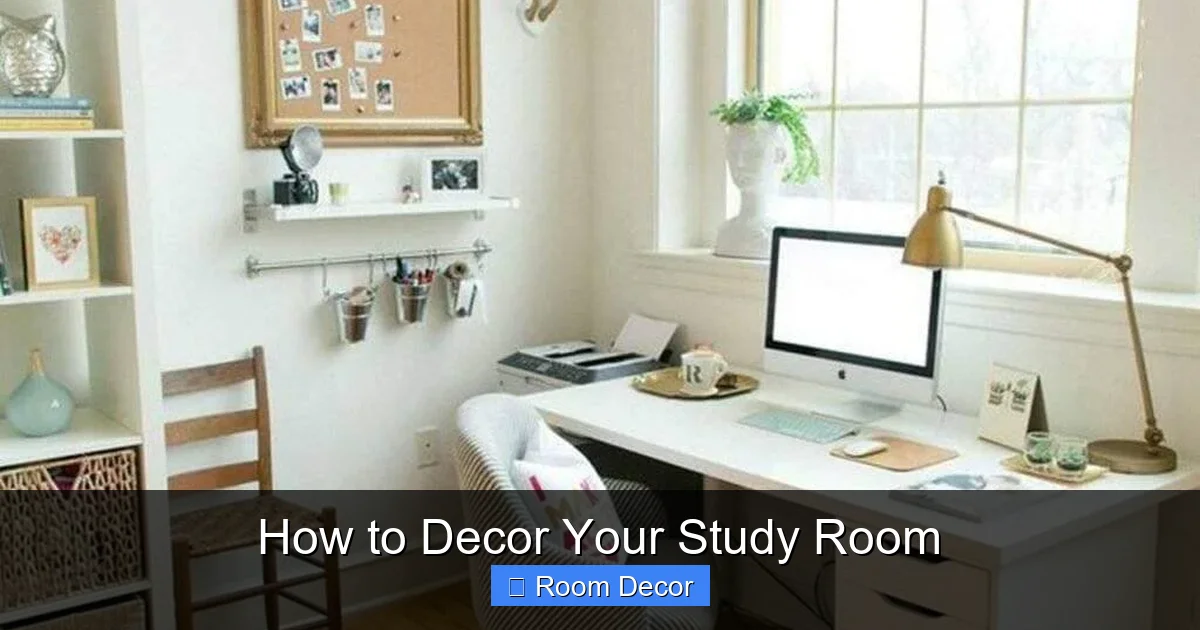
Visual guide about How to Decor Your Study Room
Image source: media.designcafe.com
A well-planned layout is fundamental to an effective study room. It ensures that your space is functional and promotes a smooth workflow.
Maximize Natural Light
Natural light is a mood booster and can significantly improve focus.
- Position your desk near a window if possible. This allows you to enjoy daylight and reduces eye strain.
- Avoid placing your monitor directly in front of or behind a window, as glare can be an issue. The ideal position is perpendicular to the window.
Create Zones
If your study room serves multiple purposes, creating distinct zones can enhance organization and function.
- Work/Study Zone: This is your primary desk area. Ensure it has all the essentials within easy reach.
- Relaxation/Reading Zone: A comfortable armchair or a small sofa with a good reading lamp can provide a space for breaks or leisure reading.
- Storage Zone: Group your bookshelves, filing cabinets, and storage units together to keep the rest of the room decluttered.
Consider the Flow of Traffic
Ensure there’s enough space to move around comfortably without bumping into furniture. Avoid placing large items in high-traffic areas.
Step 3: Choose the Right Furniture
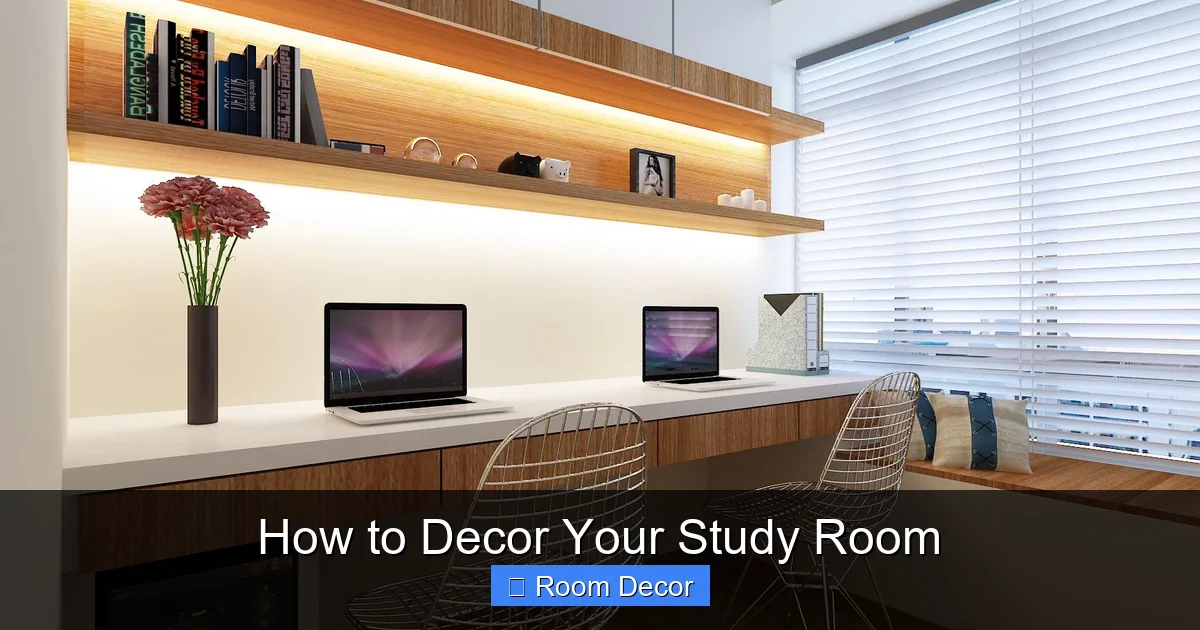
Visual guide about How to Decor Your Study Room
Image source: mydecorative.com
Furniture is the backbone of your study room. Prioritize comfort, functionality, and ergonomics.
The Desk: Your Command Center
The desk is arguably the most important piece of furniture.
- Size Matters: Ensure it’s large enough to accommodate your computer, books, and any other essentials, but not so large that it overwhelms the room.
- Height: The standard desk height is around 28-30 inches. Your elbows should be at a 90-degree angle when typing. Adjustable desks are a great investment for flexibility.
- Style: Opt for a style that complements your overall decor. Simple, minimalist desks are great for focus, while more elaborate ones can add character.
The Chair: Your Seat of Power
An ergonomic chair is crucial for long study sessions.
- Adjustability: Look for chairs with adjustable height, lumbar support, and armrests.
- Comfort: Test chairs if possible to ensure they are comfortable for extended periods.
- Material: Breathable materials like mesh are ideal for comfort, especially in warmer climates.
Storage Solutions: Taming the Clutter
Effective storage is key to maintaining a focused environment.
- Bookshelves: Open shelving can display books and decor, while closed cabinets hide clutter.
- Drawers and Cabinets: Perfect for storing stationery, documents, and office supplies.
- Wall-Mounted Shelves: Utilize vertical space to keep your desk clear.
- Desk Organizers: Small trays, pen holders, and file sorters keep your immediate workspace tidy.
Step 4: Master the Art of Lighting
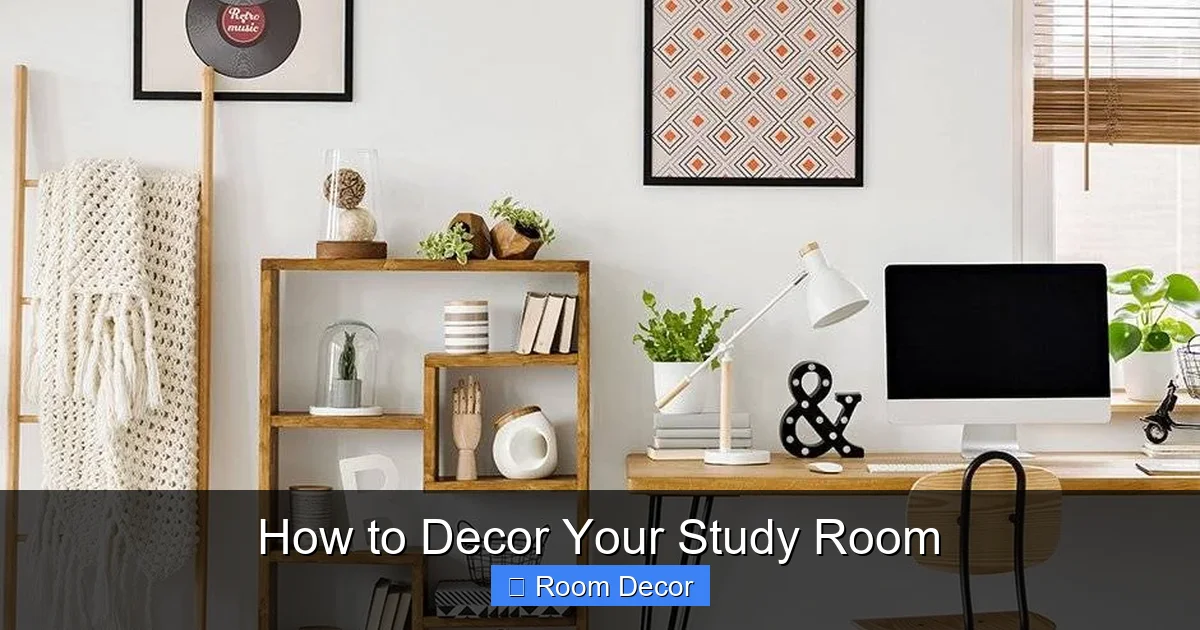
Visual guide about How to Decor Your Study Room
Image source: media.designcafe.com
Good lighting is essential for productivity and eye health. A layered lighting approach is best.
Natural Light: The Golden Source
As mentioned, maximize natural light whenever possible. Keep windows clean and use sheer curtains that allow light to filter through without sacrificing privacy.
Ambient Lighting: Setting the Mood
This is the general illumination of the room.
- Ceiling Lights: Recessed lighting or a stylish pendant light can provide overall brightness.
- Floor Lamps: Place these in corners to add warmth and diffuse light.
Task Lighting: For Focused Work
This is crucial for your immediate workspace.
- Desk Lamp: An adjustable desk lamp is a must. Position it to illuminate your work area without casting shadows. Consider LED lamps for energy efficiency and adjustable brightness/color temperature.
Accent Lighting: Adding Depth and Personality
This type of lighting highlights specific features.
- Picture Lights: Illuminate artwork or photographs.
- Uplighting: Use small lamps to highlight plants or architectural features.
Tip: Opt for warm-toned bulbs (around 2700K-3000K) for ambient lighting to create a cozy atmosphere, and cooler-toned bulbs (around 4000K-5000K) for task lighting to promote alertness.
Step 5: Color Psychology and Wall Decor
The colors you choose for your study room can profoundly impact your mood and focus.
Wall Colors: The Foundation
- Blues and Greens: These calming colors are known to promote concentration and reduce stress, making them excellent choices for study rooms. Light shades are generally preferred to keep the space feeling open and airy.
- Neutrals: Whites, grays, and beiges create a clean, sophisticated backdrop that can be easily personalized with accessories. They are versatile and promote a sense of calm.
- Yellows: Small touches of yellow can add warmth and optimism, but too much can be overstimulating.
- Reds and Oranges: These vibrant colors are best used as accent colors, as they can be too stimulating for a space dedicated to focus.
Wall Decor: Adding Personality
Don’t leave your walls bare!
- Artwork: Choose pieces that inspire you or reflect your interests. Abstract art, landscapes, or motivational quotes can all work well.
- Pinboards/Whiteboards: Practical for jotting down ideas, reminders, and to-do lists. You can decorate them with photos and postcards.
- Plants: Greenery not only adds a pop of color and life but also improves air quality and reduces stress.
- Mirrors: Strategically placed mirrors can make a small room feel larger and brighter by reflecting light.
Step 6: Incorporate Personal Touches and Comforts
A study room shouldn’t feel sterile. Adding personal touches makes it a space you’ll enjoy spending time in.
Plants: Nature’s Stress Relievers
- Low-maintenance plants like snake plants, ZZ plants, or pothos are great for beginners.
- Succulents add a modern touch.
- Even a small desk plant can make a big difference to your mood.
Comfort Items
- Rugs: A soft rug can add warmth and texture, especially if you have hard floors.
- Throw Pillows and Blankets: Make your relaxation zone extra cozy.
- Candles or Diffusers: Choose scents that promote focus (like peppermint or citrus) or relaxation (like lavender). Be mindful of strong scents that might be distracting.
Inspirational Elements
- Vision Board: A collage of images and words representing your goals.
- Photos: Pictures of loved ones or happy memories can provide motivation.
- Books: Beyond your study materials, a few personal favorite books can add character.
Step 7: Minimize Distractions
A key aspect of how to decor your study room effectively is creating a zone that minimizes distractions and maximizes concentration.
Soundproofing (Considerations)
- Soft Furnishings: Rugs, curtains, and upholstered furniture absorb sound.
- Acoustic Panels: For more serious soundproofing needs, consider decorative acoustic panels.
- White Noise Machine or Fan: Can help mask distracting external noises.
Declutter Regularly
A tidy space equals a tidy mind.
- “A Place for Everything”: Ensure every item has a designated spot.
- Regular Purge: Schedule time weekly or monthly to go through papers, supplies, and anything else that has accumulated.
Visual Harmony
- Cohesive Color Palette: Stick to a limited color scheme to avoid visual chaos.
- Organized Wires: Cable management solutions can make a huge difference in reducing visual clutter.
Troubleshooting Common Study Room Decor Issues
Sometimes, despite your best efforts, a study room might not feel quite right. Here are some common issues and solutions:
Problem: The room feels cramped or small.
Solution:
- Light Colors: Use light, neutral colors on the walls and for larger furniture pieces.
- Vertical Space: Utilize wall-mounted shelves and tall, narrow storage units to draw the eye upward.
- Mirrors: Place mirrors strategically to reflect light and create an illusion of space.
- Minimal Furniture: Avoid overcrowding the room with unnecessary pieces.
- Good Lighting: Ensure the room is well-lit to prevent it from feeling dim and enclosed.
Problem: Lack of motivation or feeling uninspired.
Solution:
- Add Personal Touches: Incorporate artwork, photos, or objects that are meaningful to you and evoke positive feelings.
- Inspirational Decor: Display motivational quotes, vision boards, or items related to your goals.
- Bring in Nature: Add plants to liven up the space and improve air quality.
- Rearrange the Layout: Sometimes a simple change in furniture arrangement can refresh your perspective.
- Comfort is Key: Ensure your chair is comfortable and you have good lighting. Discomfort can drain motivation.
Problem: Too many distractions.
Solution:
- Dedicated Workspace: Ensure your desk is solely for work and study, not for activities that can lead to distraction (like gaming or casual browsing).
- Noise Management: Use headphones, a white noise machine, or sound-absorbing materials.
- Visual Decluttering: Keep your desk and surrounding areas as tidy as possible.
- Set Boundaries: Communicate to others in your household when you need uninterrupted time.
Conclusion
Decorating your study room is a rewarding process that can significantly impact your productivity, comfort, and overall well-being. By following these steps, you can create a personalized, functional, and inspiring space that supports your academic or professional goals. Remember that the best study room is one that reflects your individual needs and personality. Don’t be afraid to experiment and make it your own. A well-decorated study room is an investment in yourself and your future. Happy decorating!