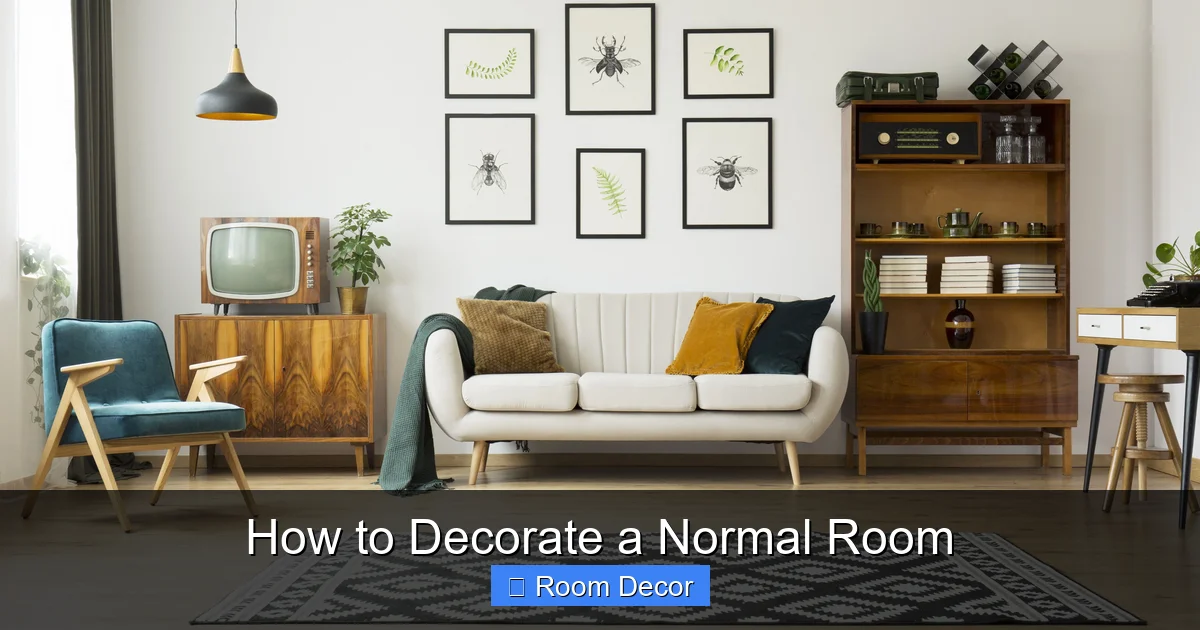
Ready to ditch the dull? This comprehensive guide teaches you how to decorate a normal room, transforming it into a personalized and inviting sanctuary. We’ll cover everything from defining your style to choosing the right furniture and adding those finishing touches. Get ready to create a space you’ll love to live in, with practical advice and easy-to-follow steps to make decorating achievable and fun.
How to Decorate a Normal Room
Is your room feeling a little… ordinary? You know, the kind of space that’s functional but lacks that spark? You’re not alone! Many of us live in rooms that are perfectly fine but don’t truly reflect who we are or make us feel inspired. The good news is, decorating a normal room doesn’t require a huge budget or a degree in interior design. With a little planning and some practical tips, you can transform any space into a stylish, comfortable, and personalized haven.
This guide is designed to walk you through the entire process, from the initial idea to the final flourish. We’ll break down each step into manageable tasks, making decorating feel less daunting and more like an exciting creative project. Whether you’re decorating a living room, bedroom, home office, or any other space, these principles will help you create a room you’ll absolutely love.
Key Takeaways
- Define Your Style Early: Understanding your aesthetic preferences (e.g., minimalist, bohemian, modern) is the crucial first step before making any design decisions.
- Start with a Clean Slate: Decluttering and cleaning thoroughly creates a fresh foundation and helps you see the space’s potential.
- Plan Your Layout Strategically: Consider furniture placement for functionality, flow, and to maximize the room’s usability.
- Choose a Cohesive Color Palette: Selecting a limited number of colors creates harmony and prevents the room from feeling chaotic.
- Invest in Key Furniture Pieces: Prioritize comfortable and appropriately sized furniture that serves the room’s purpose.
- Layer Lighting for Ambiance: Combine ambient, task, and accent lighting to create different moods and enhance functionality.
- Add Personal Touches and Accessories: These elements inject personality and make the space truly your own.
Step 1: Discover Your Personal Style
Before you buy a single pillow or paint a wall, take some time to figure out what you like. This is the most important step because it ensures your room will feel authentically “you.” Trying to force a trend that doesn’t resonate will likely lead to a space you don’t enjoy.
Explore Inspiration Sources
- Pinterest and Instagram: These platforms are treasure troves of design ideas. Create boards for “Living Room Inspo,” “Bedroom Style,” or “Decor Finds.” Save images that catch your eye.
- Magazines: Interior design magazines offer curated collections of beautiful spaces.
- Real Life: Pay attention to spaces you love – a friend’s home, a coffee shop, a hotel lobby. What elements do you gravitate towards?
Identify Common Threads
Once you’ve gathered inspiration, look for patterns. Do you keep saving images with clean lines and neutral colors? Or are you drawn to vibrant patterns and a more eclectic mix of items? Common design styles include:
- Minimalist: Focuses on simplicity, functionality, and a lack of clutter. Think clean lines, neutral palettes, and essential furniture.
- Bohemian (Boho): Characterized by a relaxed, eclectic vibe with a mix of patterns, textures, and global influences. Often features plants and handmade items.
- Modern: Sleek, clean lines, neutral colors with occasional bold accents, and materials like metal and glass.
- Traditional: Timeless and elegant, often featuring classic furniture styles, rich fabrics, and symmetrical arrangements.
- Farmhouse: Rustic charm with a cozy feel, incorporating natural wood, vintage finds, and comfortable textiles.
- Industrial: Raw and unfinished elements like exposed brick, metal, and concrete, often with a utilitarian feel.
Don’t feel pressured to fit neatly into one category. You might love a blend of styles! The goal is to understand what makes you feel comfortable and happy in a space.
Step 2: Declutter and Clean Your Space
A clean canvas is essential for any decorating project. Clutter can make a room feel smaller, more chaotic, and less inviting. This step is about clearing out what you don’t need and giving the room a thorough refresh.
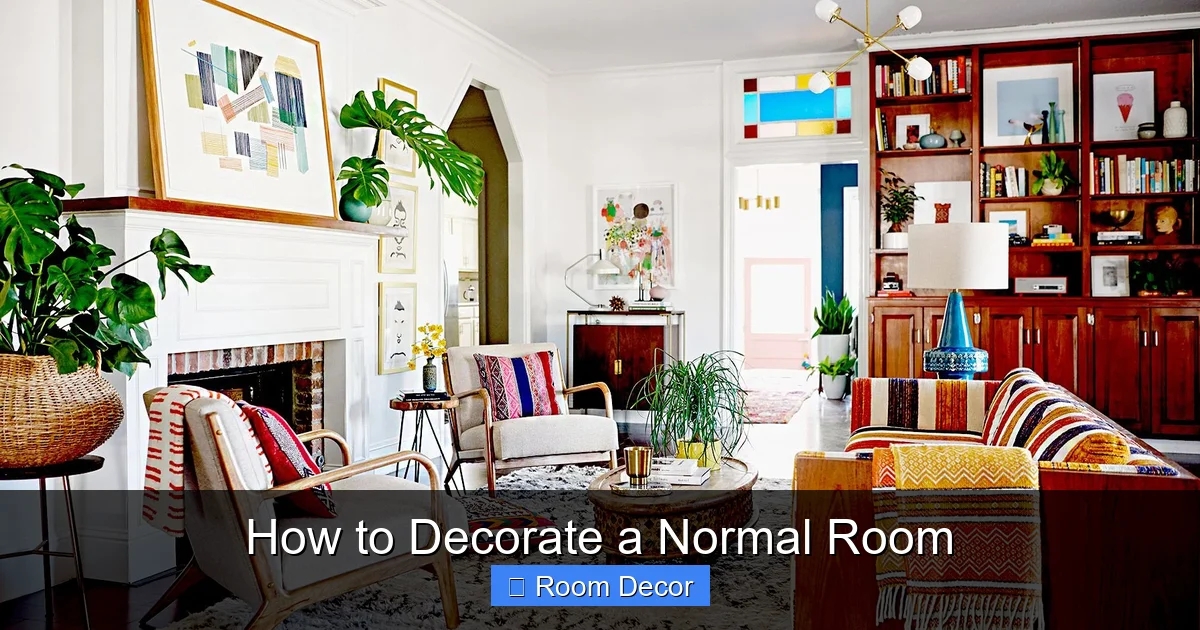
Visual guide about How to Decorate a Normal Room
Image source: bhg.com
The Decluttering Process
- One Area at a Time: Don’t try to do it all at once. Tackle one shelf, one drawer, or one corner at a time.
- The Four-Box Method: Get four boxes or bags labeled: Keep, Donate/Sell, Trash, Relocate. Go through each item and decide its fate.
- Be Ruthless (but realistic): If you haven’t used it in a year, or it doesn’t serve a purpose, consider letting it go. Keep sentimental items, but display them thoughtfully.
Deep Cleaning
Once decluttered, give the room a thorough clean:
- Dust everything: Including light fixtures, ceiling fans, and high shelves.
- Wash windows and mirrors: This makes a huge difference in how bright and spacious the room feels.
- Vacuum or mop floors: Get into corners and under furniture.
- Wipe down walls and baseboards: Small marks can accumulate over time.
A clean room already feels like an upgrade, and it makes the subsequent decorating steps much more enjoyable.
Step 3: Plan Your Room Layout and Flow
How you arrange your furniture significantly impacts how a room functions and feels. A good layout promotes easy movement and makes the space feel balanced and intentional.
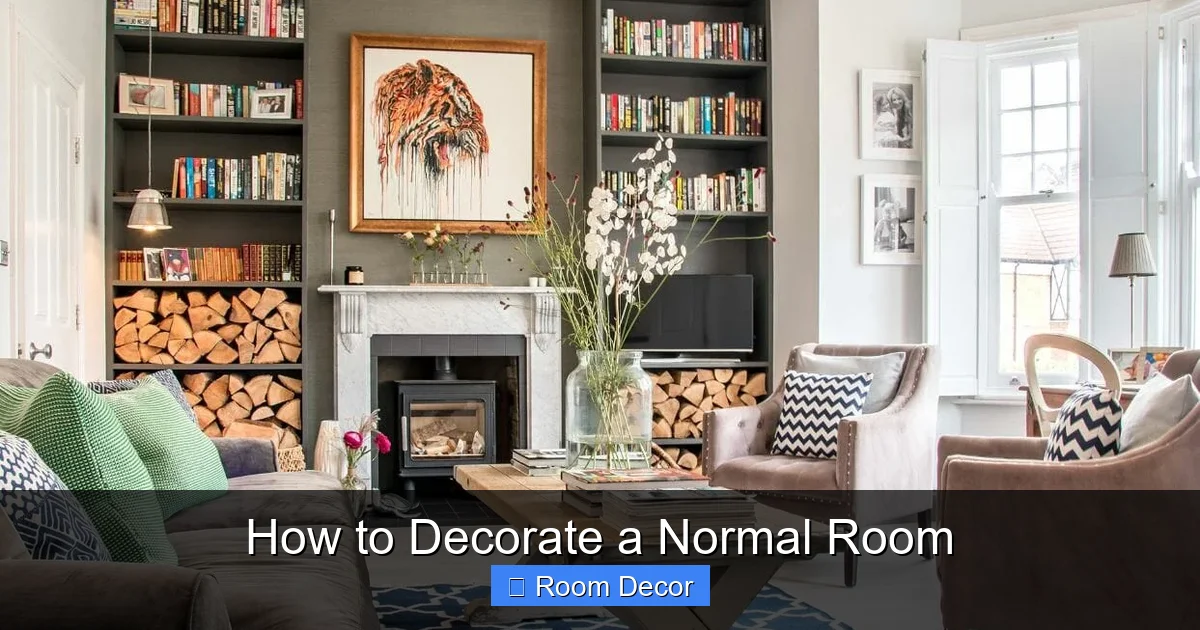
Visual guide about How to Decorate a Normal Room
Image source: decorilla.com
Measure Everything
- Measure your room: Note the dimensions of the walls, windows, and doors.
- Measure your furniture: Keep a list of the dimensions of your existing or planned furniture pieces.
Consider Functionality
Think about how you will use the room:
- Living Room: Will it be for watching TV, entertaining guests, reading, or a combination? Arrange seating to facilitate conversation or TV viewing.
- Bedroom: The bed is the focal point. Ensure easy access to the closet and dresser.
- Home Office: Position your desk to take advantage of natural light and minimize distractions.
Create Zones
Even in a small room, you can create distinct zones for different activities. For example, in a studio apartment, you might use a rug to define the living area and a bookshelf to separate the sleeping space.
Sketch It Out
Use graph paper and cutouts of your furniture dimensions, or use a free online room planner tool. Experiment with different arrangements before moving heavy furniture.
Tip: Always leave adequate walking space. Aim for at least 3 feet of clearance in high-traffic areas.
Step 4: Choose a Color Palette
Color has a powerful effect on mood and perception. A well-chosen color palette can unify your space and create the desired atmosphere.
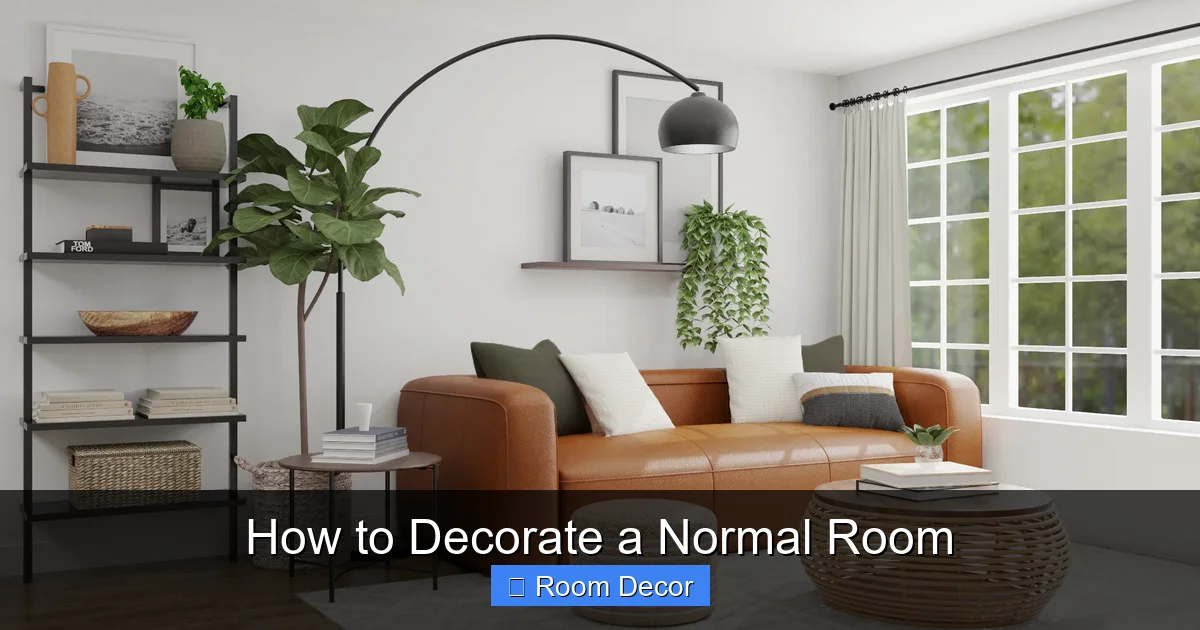
Visual guide about How to Decorate a Normal Room
Image source: storage.googleapis.com
Understanding Color Theory Basics
- Neutrals: Whites, creams, grays, and beiges are versatile and provide a calming backdrop.
- Cool Colors: Blues, greens, and purples can create a sense of calm and serenity.
- Warm Colors: Reds, oranges, and yellows are energetic and can make a space feel cozy and inviting.
The 60-30-10 Rule
This is a popular guideline for creating balanced color schemes:
- 60% Dominant Color: Typically used for walls and large furniture pieces.
- 30% Secondary Color: Used for accent furniture, curtains, or rugs.
- 10% Accent Color: Used for small accessories like throw pillows, artwork, or decorative objects.
Consider the Room’s Purpose and Light
- North-facing rooms tend to be cooler and receive less natural light. Warmer colors can help balance this.
- South-facing rooms receive more direct sunlight and can handle cooler or bolder colors.
- Bedrooms often benefit from calming, muted tones.
- Living rooms or home offices can handle more vibrant or energizing colors.
Tip: Get paint samples and paint small swatches on different walls to see how the colors look in varying light throughout the day.
Step 5: Select Furniture and Textiles
Furniture is the backbone of your room, and textiles add softness, texture, and personality.
Furniture Considerations
- Scale: Ensure furniture is proportionate to the size of the room. Overstuffed furniture can overwhelm a small space, while too little can make a large room feel empty.
- Functionality: Does it serve a purpose? Can it multitask (e.g., an ottoman with storage)?
- Comfort: Especially for seating, comfort is key.
- Style: Does it align with your chosen aesthetic?
Textile Choices
Textiles bring warmth, texture, and color. Think about:
- Rugs: They define spaces, add warmth, and can introduce pattern and color.
- Curtains/Blinds: These control light, add privacy, and contribute to the room’s style.
- Throw Pillows and Blankets: Easy ways to add pops of color, pattern, and comfort.
- Upholstery: The fabric on your sofa or chairs.
Tip: Mix textures! Combine smooth surfaces with soft fabrics, rough weaves with plush velvets, to create visual interest.
Step 6: Layer Your Lighting
Good lighting can dramatically change the mood and functionality of a room. Don’t rely on a single overhead light. Aim for layered lighting:
Types of Lighting
- Ambient Lighting: The general, overall illumination of the room. This comes from ceiling fixtures, recessed lighting, or large floor lamps.
- Task Lighting: Focused light for specific activities, such as reading lamps next to a chair, a desk lamp in an office, or pendant lights over a kitchen island.
- Accent Lighting: Used to highlight specific features like artwork, architectural details, or plants. Think picture lights, spotlights, or shelf lighting.
Tips for Effective Lighting
- Use Dimmers: Install dimmers on your main light sources to adjust the mood for different occasions.
- Warm vs. Cool Bulbs: Warm bulbs (around 2700K) create a cozy, inviting atmosphere, while cool bulbs (above 4000K) are more energizing and suitable for task lighting.
- Consider Natural Light: Maximize natural light by using sheer curtains or keeping windows unobstructed.
Tip: Place lamps at varying heights to create visual depth and interest.
Step 7: Add Artwork and Decorative Accessories
This is where you truly inject your personality and bring the room to life. These are the finishing touches that make a house feel like a home.
Artwork
- Choose what you love: It doesn’t have to be expensive or by a famous artist.
- Consider scale: A large piece can be a focal point, while a gallery wall of smaller pieces can add visual interest.
- Mix mediums: Combine prints, paintings, photographs, and even wall hangings.
- Hanging tips: Hang artwork at eye level (typically 57-60 inches from the floor to the center of the piece).
Decorative Accessories
- Plants: Bring life, color, and improve air quality.
- Vases and Bowls: Functional and decorative; can hold flowers or stand alone.
- Candles: Add ambiance and a pleasant scent.
- Books: Stack them or arrange them on shelves; they add character and color.
- Mirrors: Create the illusion of more space and reflect light.
- Personal Items: Photos, travel souvenirs, handmade items.
Tip: Group accessories in odd numbers (e.g., three or five) for a more aesthetically pleasing arrangement.
Troubleshooting Common Decorating Challenges
Even with the best intentions, you might encounter a few snags. Here’s how to handle them:
My Room Feels Too Small
- Light Colors: Use light and neutral colors on walls and for large furniture.
- Mirrors: Strategically placed mirrors can make a room appear larger.
- Vertical Lines: Use floor-to-ceiling curtains or tall, slender furniture to draw the eye upwards.
- Declutter: Again, less is more in a small space.
- Multi-functional Furniture: Opt for pieces that serve more than one purpose.
My Room Feels Cold or Uninviting
- Warm Colors: Introduce warmer tones through paint, textiles, or accessories.
- Soft Textures: Layer plush rugs, soft throw blankets, and comfortable pillows.
- Warm Lighting: Use warm-toned light bulbs and lamps at different heights.
- Personal Touches: Add photos or items that have meaning to you.
- Plants: Greenery always adds life.
I Don’t Know How to Mix Patterns
- Start Small: Begin with a large, neutral rug and add smaller patterned pillows or throws.
- Vary Scale: Mix a large-scale pattern with a smaller-scale one.
- Stick to a Color Palette: Ensure the patterns share at least one or two colors for cohesion.
- Consider Texture: Sometimes, mixing a subtle pattern with a bold one can work if they have contrasting textures.
Conclusion
Decorating a normal room is an exciting opportunity to express yourself and create a space that genuinely enhances your life. By following these steps – from defining your style and decluttering to planning your layout, choosing colors, selecting furniture, layering lighting, and adding those personal touches – you can achieve a beautifully decorated room without feeling overwhelmed. Remember, decorating is an ongoing process, and your style can evolve. Enjoy the journey of making your room a reflection of you!