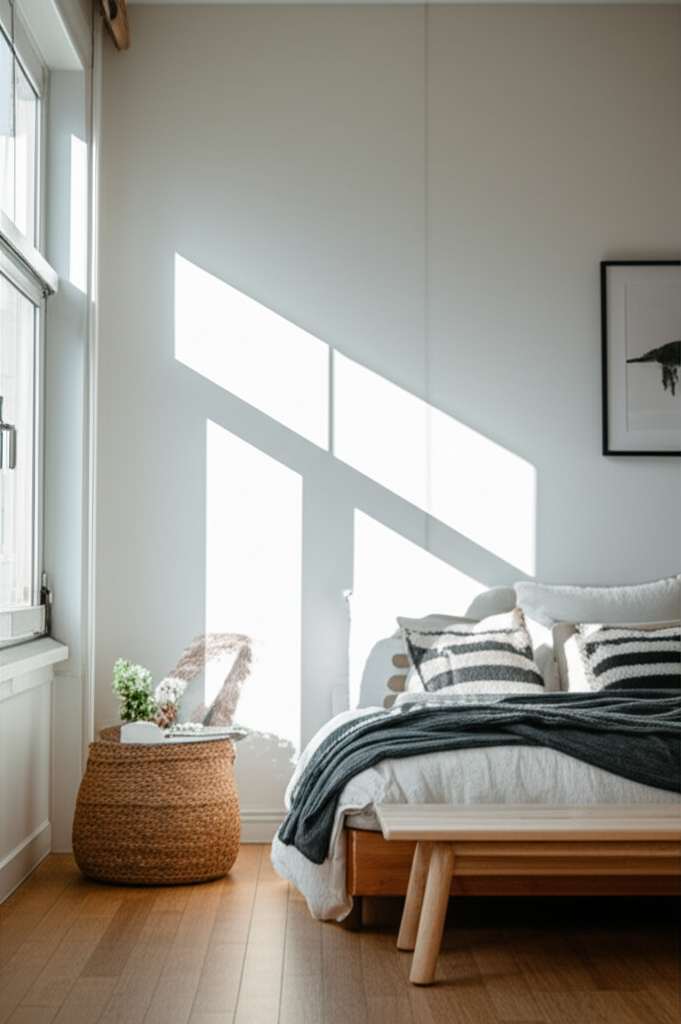
Quick Summary: Decorate a room with simple things by focusing on decluttering, adding a few key textiles, incorporating plants, using thoughtful lighting, and displaying meaningful items. Effortless style comes from curated choices, not overwhelming amounts of decor.
Feeling like your room needs a little sparkle but don’t know where to start? You’re not alone! Many of us look at magazines or Pinterest and feel a bit overwhelmed by all the options. It’s easy to think that creating a stylish space means spending a lot of money or buying tons of new things.
But what if I told you that achieving a beautiful, cozy room can be surprisingly simple? You don’t need a huge budget or a degree in design. We’re going to break down how to decorate your room using everyday items and smart, easy tricks.
Get ready to discover how to make your space feel like you with effortless style. Let’s dive in!
Why Simple Decor Works Wonders
Think about your favorite cozy cafe or a friend’s perfectly inviting living room. Often, these spaces aren’t filled with fancy gadgets or expensive art. Instead, they have a feeling of comfort and personality that comes from simple, thoughtful touches. This is the magic of decorating with simple things.
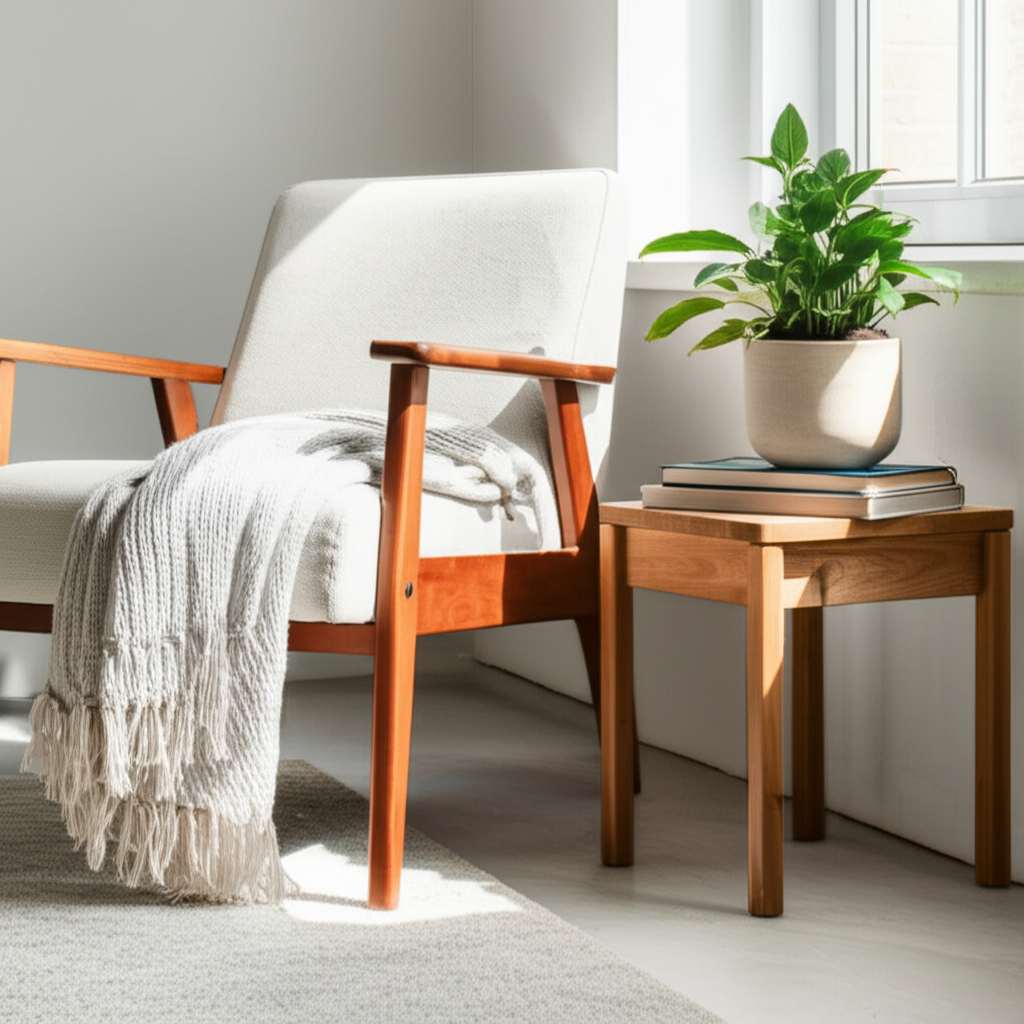
When you focus on simplicity, you create a calm and uncluttered environment. This makes your room feel bigger and more peaceful. It’s about choosing a few things that you love and that serve a purpose, rather than filling every surface.
This approach is also incredibly budget-friendly. You can achieve a stylish look without breaking the bank, making it perfect for students, renters, or anyone looking for smart decorating solutions. We’ll explore how to maximize impact with minimal effort and cost.
Step 1: Declutter and Clear the Canvas
Before you add anything new, the most important step is to remove what you don’t need. A cluttered room can make even the most beautiful decor look messy. Think of this as preparing a blank canvas for your creative touches.
Start by going through your belongings. Ask yourself if you use, love, or need each item. If the answer is no, it might be time to donate, sell, or toss it. Don’t feel pressured to keep things out of obligation. A good rule of thumb is the “one-year rule”: if you haven’t used it in a year, consider letting it go.
Once you’ve decluttered, take a moment to appreciate the cleared space. This foundation is crucial. It allows your chosen decor items to truly shine and makes the entire room feel more open and serene. This step alone can make a huge difference in how your room feels.
Organize What Remains
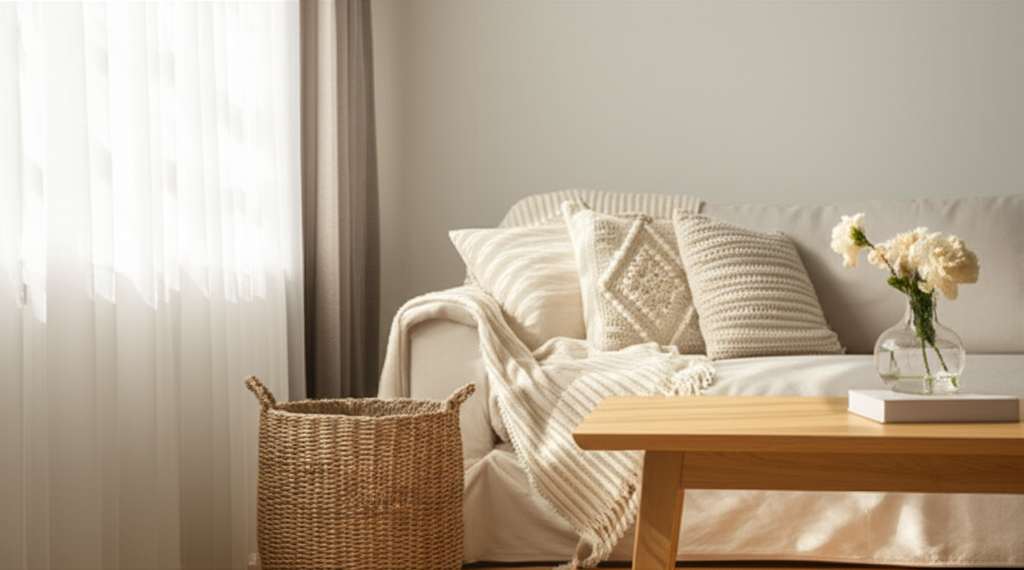
After decluttering, organize the items you’re keeping. Use simple storage solutions to keep things tidy. Baskets, bins, and decorative boxes are your best friends here. They hide away clutter while adding to the room’s aesthetic.
For shelves, group similar items together. This creates a more cohesive and pleasing look than having items scattered randomly. Think about how things are arranged. Even practical items can look good when neatly stored. For example, a stack of books can be a decorative element in itself.
This organization phase ensures that your room looks clean and intentional, setting the stage for adding those special decorative touches that will make it feel like home. For more ideas on keeping your space tidy, check out our guide to stylish storage accessories that work in any room.
Step 2: The Power of Textiles
Textiles are unsung heroes in home decor. They add warmth, color, texture, and comfort with very little effort. Think of them as the cozy hug your room needs.
You don’t need a lot of expensive items. A few well-chosen pieces can transform the atmosphere of any room. We’re talking about things you likely already have or can find affordably.
Rugs to Anchor the Space
A rug can completely change the feel of a room. It defines a space, adds warmth underfoot, and can introduce color or pattern. Even a small rug can make a big impact.
For beginners, start with a neutral rug in a natural fiber like jute or a soft, solid color. These are versatile and easy to style. If you want a bit more personality, consider a rug with a simple geometric pattern or a muted color. Place it under your seating area or bed to ground the furniture.
According to Architectural Digest, the right rug can make a room feel instantly more cohesive and pulled together. Don’t be afraid to experiment with size and placement!
Cushions and Throws for Cozy Layers
Adding cushions to your sofa or bed is one of the easiest ways to inject personality and comfort. Mix and match different textures, sizes, and colors, but try to stick to a general color scheme for a harmonious look.
A soft throw blanket draped over a chair or the end of your bed adds instant coziness and a touch of luxury. It’s also a practical item that invites you to relax. Think chunky knits, soft faux fur, or a simple cotton weave.
These soft elements make a room feel more lived-in and inviting. They are also easily interchangeable, allowing you to update your room’s look seasonally or whenever you feel like a change without much cost.
Step 3: Bring Nature Indoors with Plants
Plants are like living decor. They add life, color, and a breath of fresh air to any room. Plus, studies have shown that indoor plants can improve air quality and reduce stress, making your space healthier and happier.
You don’t need a green thumb to enjoy the benefits of plants. There are many low-maintenance options perfect for beginners.
Easy-Care Plant Picks
Consider plants like Snake Plants (Sansevieria), ZZ Plants (Zamioculcas zamiifolia), or Pothos. These are incredibly forgiving and can tolerate a range of light conditions and infrequent watering.
Even a single potted plant can make a significant difference. Place it on a windowsill, a side table, or even on the floor in a larger corner. The greenery instantly livens up the space. For inspiration on styling plants in functional spaces, explore our collection of kitchen plant decor ideas.
Creative Potting
Don’t forget the pots! You can often find inexpensive terracotta pots that you can paint yourself to match your room’s color scheme. Old ceramic mugs, tins, or even woven baskets can also serve as charming plant holders.
Remember to check if your chosen pot has drainage holes, or add a layer of pebbles at the bottom to prevent waterlogging. For more tips on plant care, resources like The Royal Horticultural Society offer excellent, reliable advice.
Step 4: The Magic of Lighting
Lighting is one of the most overlooked elements in decorating, but it has a huge impact on a room’s mood and atmosphere. Harsh overhead lighting can make a space feel sterile, while warm, layered lighting creates a cozy and inviting ambiance.
Think about how you want to feel in the room. Do you want it to be bright and energizing, or soft and relaxing? Your lighting choices will help you achieve that.
Layer Your Light Sources
Instead of relying on just one overhead light, aim for multiple light sources. This includes:
- Ambient lighting: This is your general, overall illumination, often from an overhead fixture. If yours is too harsh, consider using a dimmer switch.
- Task lighting: This is focused light for specific activities, like reading or working. Think of desk lamps or floor lamps next to a chair.
- Accent lighting: This highlights specific features, like artwork or plants. Small spotlights or string lights can work well.
Warm Bulbs Make a Difference
Choose light bulbs with a warm color temperature. Look for Kelvin ratings around 2700K to 3000K. This creates a soft, yellowish glow, similar to natural daylight or candlelight, which is much more inviting than cool, blue-toned light.
Even simple string lights, often called fairy lights, can add a magical touch to a room. Drape them over a headboard, around a mirror, or along a shelf for instant charm.
Step 5: Personal Touches & Display
This is where your room truly becomes yours. Incorporating personal items and displaying them thoughtfully adds character and tells your story. It’s about showcasing what you love, not just filling space.
Don’t feel the need to buy expensive art. Your own photos, favorite books, or even meaningful souvenirs can be beautiful decorations.
Displaying Photos and Art
Frame your favorite photographs. You can create a gallery wall by mixing frames of different sizes and styles, or keep it simple with a few framed pictures on a shelf or dresser. Black and white photos often have a timeless, sophisticated feel.
If you have artwork you love, display it proudly. It doesn’t have to be famous; it just has to resonate with you. Consider simple frames that complement the art and the room’s decor.
Books as Decor
Bookshelves aren’t just for storage; they’re a fantastic decorative feature. Arrange your books by color for a vibrant display, or by size for a neat, organized look. Mix in small decorative objects, like a vase or a framed photo, between the books to break up the rows.
A stack of art books or a few well-chosen novels on a coffee table can also add a sophisticated touch.
Meaningful Objects
Collectibles, souvenirs from trips, or even sentimental items can be beautiful additions. Display them on shelves, mantels, or in display cabinets. Grouping similar items together can create a more impactful display.
For example, a collection of vintage cameras, a set of colorful ceramic bowls, or a treasured piece of pottery can become focal points in your room. To extend this minimalist mindset into other areas, discover minimal decor ideas for kitchens that emphasize quality over quantity.
Step 6: Color and Texture Play
Color and texture are powerful tools for transforming a room’s atmosphere. You don’t need to paint walls or buy new furniture to make a difference.
Think about how different colors and textures make you feel. Warm colors like reds, oranges, and yellows tend to feel energetic and cozy, while cool colors like blues and greens are calming and serene. Texture adds depth and interest.
Strategic Color Pops
If your room has neutral walls, introduce color through accessories. This could be cushions, throws, rugs, artwork, or even small decorative objects like vases. Choose one or two accent colors and use them consistently throughout the room.
For example, if you love the color teal, you could have teal cushions on your sofa, a teal vase on a shelf, and a piece of art with teal accents. This creates a cohesive look without being overwhelming.
Mixing Textures
Combine different textures to add visual interest and a sense of luxury. Think about pairing smooth surfaces with rough ones, or soft materials with hard ones.
Examples include: a smooth ceramic vase with a rough-textured basket, a soft velvet cushion on a wooden chair, or a sleek metal lamp next to a chunky knit throw. This layering of textures makes a room feel more dynamic and inviting.
Table: Simple Decor Item Impact
Here’s a quick look at how common, simple items can create a big impact:
| Decor Item | Impact | Beginner Tip |
|---|---|---|
| Throw Pillow | Adds color, comfort, and personality. Easy to swap out. | Choose 2-3 coordinating colors or patterns. |
| Area Rug | Defines a space, adds warmth, texture, and color. | Start with a neutral or subtle pattern. |
| Houseplant | Brings life, color, and a natural element. Improves air quality. | Opt for low-maintenance varieties like Snake Plants. |
| Mirror | Makes a room feel larger and brighter by reflecting light. | Place opposite a window for maximum light reflection. |
| Table Lamp | Creates softer, warmer lighting than overhead fixtures. | Look for a warm-toned bulb. |
Step 7: Smart Shopping & DIY
Decorating with simple things often means being smart about where you shop and embracing a little DIY. You can find amazing treasures without spending a fortune.
Think outside the big box stores. Thrift stores, flea markets, and online marketplaces are goldmines for unique and affordable decor items. You never know what gems you might find!
Thrifting Treasures
Visit your local thrift store or charity shop. You can find unique vases, picture frames, decorative bowls, lamps, and even small furniture pieces for a fraction of the retail price. Sometimes, items just need a good cleaning or a fresh coat of paint to look brand new.
Online marketplaces like Facebook Marketplace or Craigslist can also be great for finding second-hand decor. Many people sell items they no longer need at very reasonable prices.
DIY Decor Ideas
A little creativity can go a long way with DIY projects. Here are a few ideas:
- Paint terracotta pots: Give plain pots a modern makeover with spray paint in colors that match your room.
- Update picture frames: Spray paint old frames a uniform color for a cohesive look.
- Create simple art: Frame interesting fabric scraps, pages from old books, or your own drawings.
- DIY coasters: Use tiles, wood slices, or even thick cardstock to make custom coasters.
These small projects add a personal touch and can be very satisfying. For more DIY inspiration, check out resources like Better Homes & Gardens DIY.
Step 8: Arrangement is Key
Once you’ve gathered your simple decor items, how you arrange them matters. The goal is to create balance and visual interest without making the room feel cluttered.
Think about “visual weight” – how much an object draws your eye. You don’t want all your heavy or eye-catching items clustered in one spot. Spread them out to create a balanced look.
Grouping and Spacing
When styling shelves or surfaces, group items in odd numbers (like three or five). This is often more visually appealing than even numbers. Vary the height and size of the items within the group.
Leave some “negative space” – empty areas – around your decor. This allows each item to breathe and prevents the space from feeling cramped. Don’t feel the need to fill every inch.
Creating Focal Points
Identify one or two areas in the room where you want to draw attention. This could be a corner with a favorite plant and a cozy reading chair, or a mantelpiece styled with a few cherished objects. Use your decor to highlight these areas.
For example, a larger piece of art, a striking lamp, or a collection of items can act as a focal point. Arrange other elements around it to support, rather than compete with, this main feature.
FAQ: Decorating with Simple Things
Q1: What are the most important things to add to a room for instant style?
A: For instant style, focus on textiles like a cozy throw blanket and decorative cushions, a touch of greenery with a plant, and warm lighting from a table lamp. These elements add comfort, color, and personality easily.
Q2: How can I make my small apartment look stylish without buying a lot of decor?
A: In a small space, decluttering is key. Then, use multi-functional items, mirrors to create an illusion of space, and a few well-chosen decorative items like a colorful rug or a striking plant. Focus on quality over quantity.
Q3: What if I have a very limited budget? Where can I find affordable decor?
A: Great affordable options include thrift stores, flea markets, and online marketplaces for second-hand finds. DIY projects, like painting old frames or pots, and using natural elements like branches or stones can also be very budget-friendly.
Q4: How do I choose colors for my room if I’m not good with color schemes?
A: Start with neutrals for your main items (like furniture or rugs). Then, pick one or two accent colors you love and use them sparingly in your accessories like cushions, throws, or artwork. Look for inspiration in nature or colors you see in photos you like.
Q5: Is it okay to use personal photos as decor?
A: Absolutely! Personal photos are one of the best ways to make a room feel like home. Frame them in simple, cohesive frames for a polished look, or mix and match for a more eclectic style.
Q6: How often should I change my decor?
A: You don’t need to change your decor often! The beauty of simple decorating is that it’s often timeless. You can refresh the look seasonally by swapping out cushions or throws, or adding a new plant or piece of art when you find something you love.
Conclusion: Your Effortlessly Styled Space Awaits
See? Decorating a room with simple things doesn’t have to be complicated or expensive. By focusing on decluttering, adding layers with textiles, bringing in nature with plants, playing with light, and displaying what you love, you can create a space that feels stylish, comfortable, and uniquely yours.
Remember, the most important element is to make choices that reflect your personality and bring you joy. Don’t be afraid to experiment and have fun with it. Your home should be a sanctuary, and with these simple strategies, you can transform any room into a beautiful, inviting haven.
Start with one small step, like decluttering a shelf or adding a new cushion. You’ll be amazed at how quickly these simple touches can make a big difference. Happy decorating!