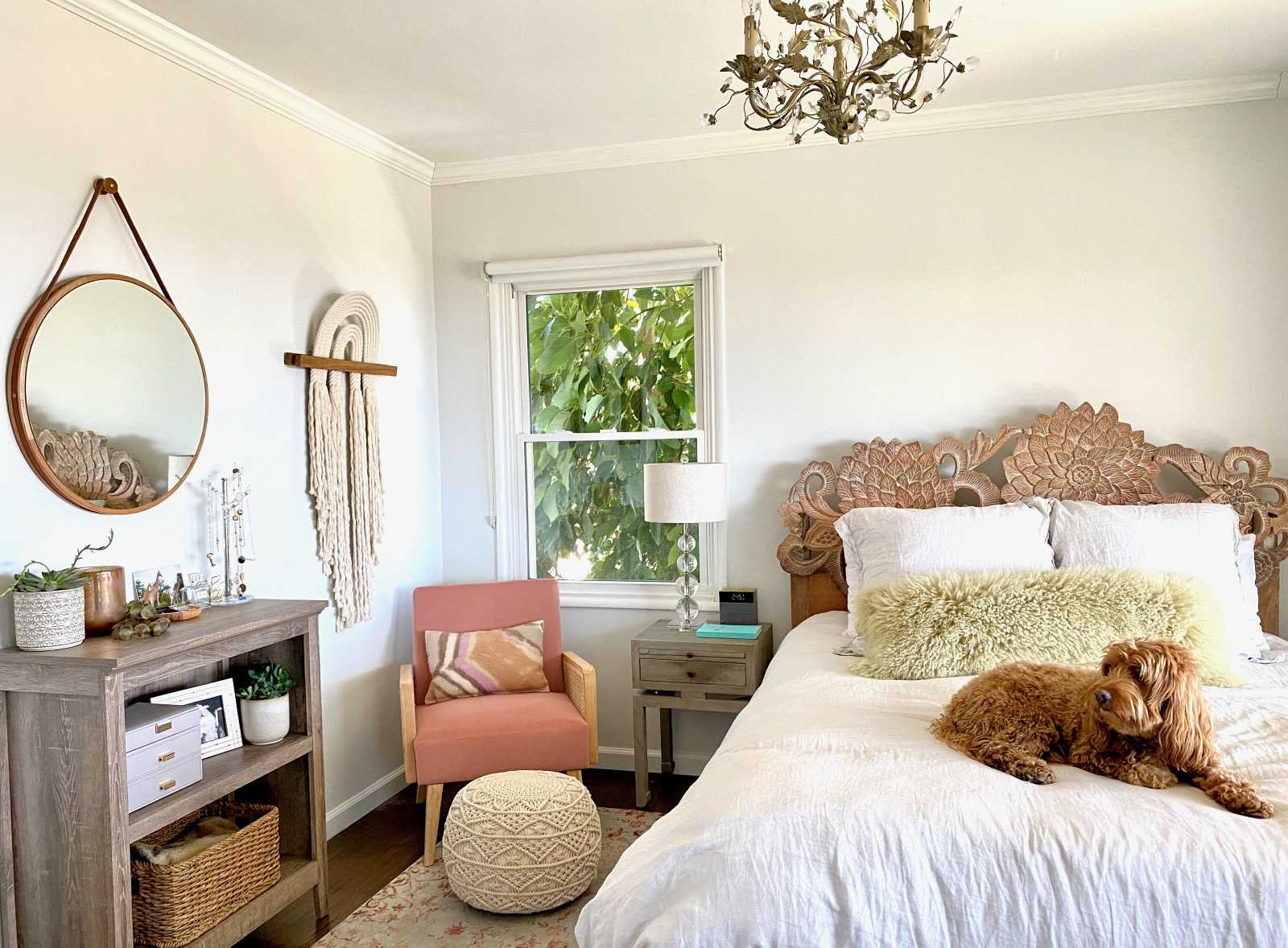
Decorating a room can feel overwhelming, but it doesn’t have to be! Start by choosing a color scheme that reflects your personality, whether it’s calming neutrals or vibrant shades. Next, focus on furniture that is both functional and stylish; consider your space and what items you truly need. Don’t forget the power of accessories! Throw pillows, artwork, and plants can add warmth and character. Lastly, lighting plays a crucial role—incorporate different sources to create a cozy atmosphere. By following these simple steps, you can transform any space into a reflection of you, making it a haven to enjoy and relax in. Now, let’s dive deeper into each of these elements to help you create your dream room!

How to Decorate a Room
Decorating a room can be a fun and exciting project. It’s a chance to express your personality and create a space that feels just right for you. The following sections will guide you through the process step-by-step, making it easy to achieve a decorated room that you will love.
Choosing a Theme
A clear theme helps create a cohesive look in your room. Think about the mood you want to set. Do you want a calm and peaceful space, or something bright and energetic? Here are some popular themes to consider:
- Minimalist
- Bohemian
- Modern
- Rustic
- Vintage
Once you select a theme, gather inspiration from magazines, Pinterest, or home decor blogs. This will help you visualize how your room will come together.
Selecting a Color Palette
Color plays a crucial role in decorating. Choose colors that reflect your chosen theme. Soft neutrals could work for a minimalist style, while bold colors could fit a modern look.
- Choose a main color for walls.
- Select one or two accent colors for decor items.
- Consider adding a pop of a contrasting color for interest.
Test a few paint samples to see how they look in different lighting. This can help you find the perfect shades for your room.
Furniture Arrangement
Arranging furniture is essential for functionality. Start by measuring your room and considering the size of your furniture.
Here are some tips for furniture arrangement:
- Start with large pieces like sofas or beds.
- Leave enough space for walking around.
- Group furniture to create cozy conversation areas.
Make sure to balance the placement of furniture so that it doesn’t look cluttered. Experiment with different layouts until you find one that feels just right.
Incorporating Storage Solutions
Storage is an important part of room design. Keeping things organized can enhance both functionality and aesthetics.
Consider these ideas:
- Use multi-functional furniture like ottomans with storage.
- Incorporate shelves to display books and decor.
- Utilize under-bed storage for out-of-season items.
A well-organized space feels more comfortable and inviting.
Accessorizing Your Space
Accessorizing adds the finishing touches to your room. Look for items that reflect your personality and style. Here are some ideas:
- Cushions and throws for comfort.
- Artwork or photographs to personalize the walls.
- Rugs to define spaces and add warmth.
Mix and match different textures and patterns to give your room depth. Avoid overcrowding by keeping accessories to a manageable amount.
Choosing Lighting
Lighting can drastically change the feel of a room. You want a mix of natural and artificial light. Here’s how to achieve that:
- Use sheer curtains to allow natural light in.
- Incorporate a variety of light sources like floor and table lamps.
- Opt for dimmer switches to adjust the mood.
Good lighting creates an inviting atmosphere and highlights the best features of your room.
Adding Greenery
Plants naturally enhance any room decor. They bring life and freshness to your space. Here are a few options:
- Low-maintenance plants like snake plants or pothos.
- Flowers in vases to add color.
- Herbs in the kitchen for practicality and fragrance.
Plants not only beautify a room but also improve air quality.
Personal Touches
Incorporating personal touches makes your space feel truly yours. Think about what makes you happy or speaks to your interests. Here are some suggestions:
- Display collections or memorabilia.
- Incorporate family photos in unique frames.
- Use books or travel souvenirs as decor items.
Adding these personal elements creates a deeper connection with your space.
Finalizing Your Design
Once you’ve made all your choices, take a step back and look at the overall design. Make any tweaks to ensure everything feels balanced and harmonious. Here’s a quick checklist:
- Does the color scheme work throughout?
- Is the furniture arrangement functional?
- Are there enough accessories without looking cluttered?
Final touches can include rearranging, swapping out accessories, or adding more greenery.
Maintaining Your Decor
Now that your room is beautifully decorated, maintaining it is key. Regular cleaning and organization keep your space looking fresh. Here are some tips:
- Dust surfaces weekly to prevent buildup.
- Rotate decor to keep things exciting.
- Reassess your space every season and update as needed.
A well-kept room feels inviting and stays enjoyable over time.
Decorating a room is more than just filling it with furniture. It’s about creating a space that reflects who you are. Every choice you make contributes to the overall feel of the room. Enjoy the process and take the time to find what truly makes you happy. With planning and creativity, you can design a room that is both functional and beautiful.
Theres so much more space now!🤗 #room #rearranging #roominspo #roomtour #pinterest #aesthetic
Frequently Asked Questions
What are some key elements to consider when choosing a color scheme for my room?
When selecting a color scheme for your room, consider the mood you want to create. Soft, light colors can make a space feel airy and relaxing, while darker hues can add depth and coziness. Look at the natural light in the room and how it interacts with different colors throughout the day. Additionally, think about how your chosen colors complement each other; using a color wheel can help you find harmonious combinations. Lastly, consider the existing furniture and decor to ensure your color choices integrate well with your overall design.
How can I make a small room feel larger through decoration?
To create the illusion of a larger space in a small room, start by using light colors on the walls and ceiling. Choosing furniture with legs allows for more visible floor space, which can make the room appear more open. Incorporate mirrors strategically to reflect light and create depth. Additionally, avoid clutter by selecting a few key decor pieces instead of overwhelming the space with numerous items. Lastly, use vertical space by adding tall shelves or wall-mounted storage to draw the eye upward.
What lighting options work best for different room types?
Each room type benefits from different lighting arrangements. For living spaces, consider using a combination of ambient, task, and accent lighting to create a versatile atmosphere. In bedrooms, opt for softer, warm lights and bedside lamps for a cozy feel. Kitchens benefit from bright, focused lighting, especially over work areas. In bathrooms, ensure bright, even lighting for practical purposes, while incorporating dimmable options for relaxation. Always consider the room’s purpose and desired ambiance when selecting lighting.
How do I incorporate personal style into my room decor?
Incorporating your personal style begins with identifying the elements that resonate with you, such as color palettes, patterns, and texture preferences. Use accent pieces like throw pillows, artwork, and decorative objects that reflect your personality. Incorporate items from your travels or significant experiences to add sentimental value. Choose furniture that not only fits the aesthetic but also your lifestyle needs. Finally, don’t hesitate to mix and match different styles, as this can create a more unique and personalized environment.
What are some budget-friendly tips for decorating a room?
You can achieve a stylish room without breaking the bank by focusing on a few budget-friendly strategies. Start by repainting existing furniture or swapping out hardware for an updated look. Visit thrift stores or garage sales for unique finds that can be refurbished. Use DIY projects to create custom decor items, like wall art or decorative storage solutions. Consider rearranging your current furniture layout for a fresh perspective. Lastly, prioritize a few statement pieces that can anchor the room while keeping other decor simple and minimal.
Final Thoughts
When considering how to decorate a room, start with a clear color palette that reflects your style. Choose furniture that complements the theme while ensuring it fits the space comfortably.
Adding personal touches like artwork or family photos brings warmth and character to the room. Lastly, don’t forget to incorporate lighting; it can greatly enhance the ambiance and functionality of the space.
In summary, how to decorate a room involves thoughtful selection of colors, furniture, and personal decor, all harmonized with proper lighting for an inviting atmosphere.