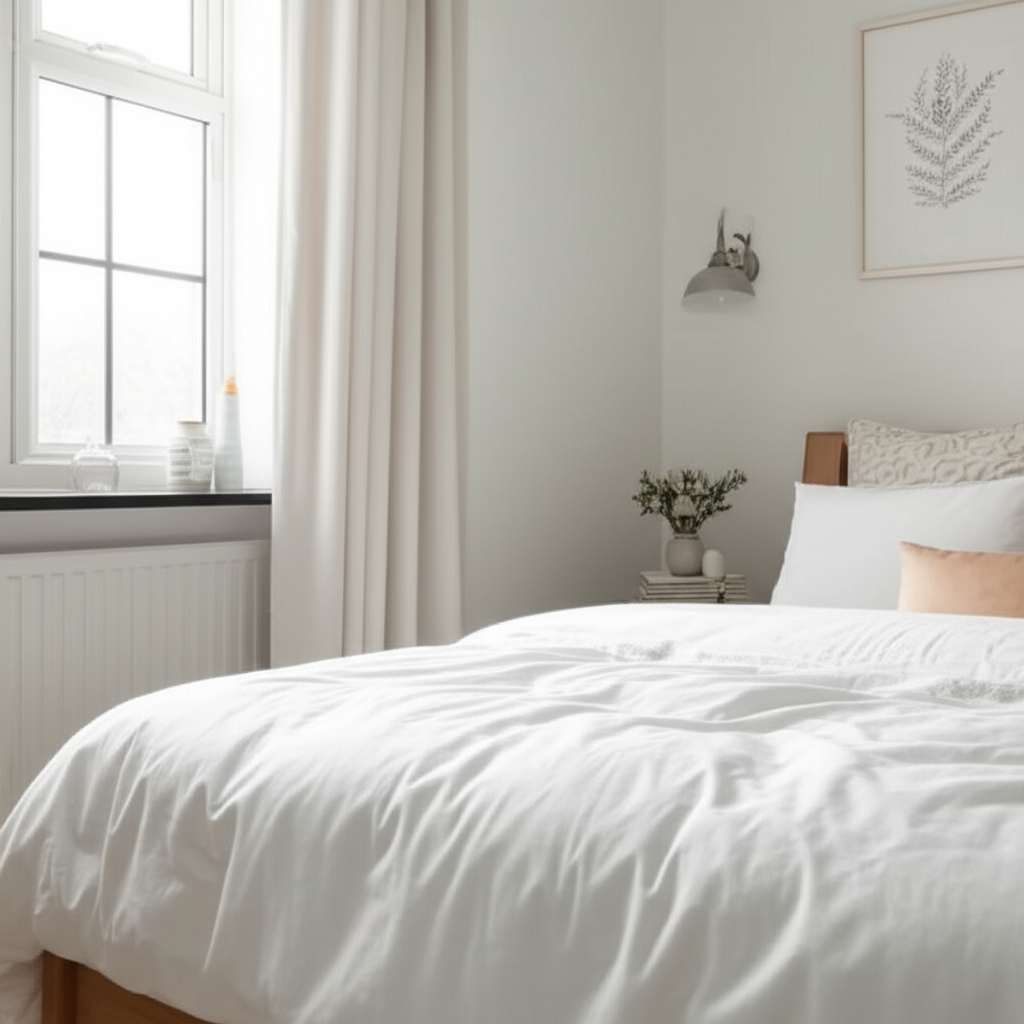
Quick Summary:
Decorating a small bedroom is all about smart choices. Maximize space with multi-functional furniture, light colors, strategic mirrors, and vertical storage. Keep it clutter-free and personalized for a cozy, stylish retreat that feels much bigger than it is.
Feeling a bit cramped in your bedroom? It’s a common challenge, especially when you’re working with a smaller space. But don’t worry, making a small bedroom feel stylish and spacious is totally achievable!
You don’t need a huge room to create a beautiful, functional sanctuary. With a few clever tricks and some creative thinking, you can transform even the tiniest of bedrooms into your favorite place to relax and recharge.
We’ll walk through easy-to-follow tips that will make your small bedroom feel bigger, brighter, and more inviting. Get ready to discover how simple changes can make a huge difference!
Mastering the Art of Small Bedroom Decor: Your Essential Guide
Welcome to the world of making small spaces shine! Decorating a small bedroom can feel like solving a puzzle, but it’s also an incredible opportunity to get creative. We’re here to show you how to make every inch count, turning a cozy corner into a stylish haven.
This guide is designed for anyone who feels a bit overwhelmed by design choices or wants to make their bedroom feel more like “them” without breaking the bank. Forget complicated jargon; we’re focusing on practical, budget-friendly, and totally achievable ideas.
Let’s dive into the essential tips that will help you decorate your small bedroom like a pro, making it a space you’ll love waking up in and coming home to.
1. Color Your World: The Power of Light Hues
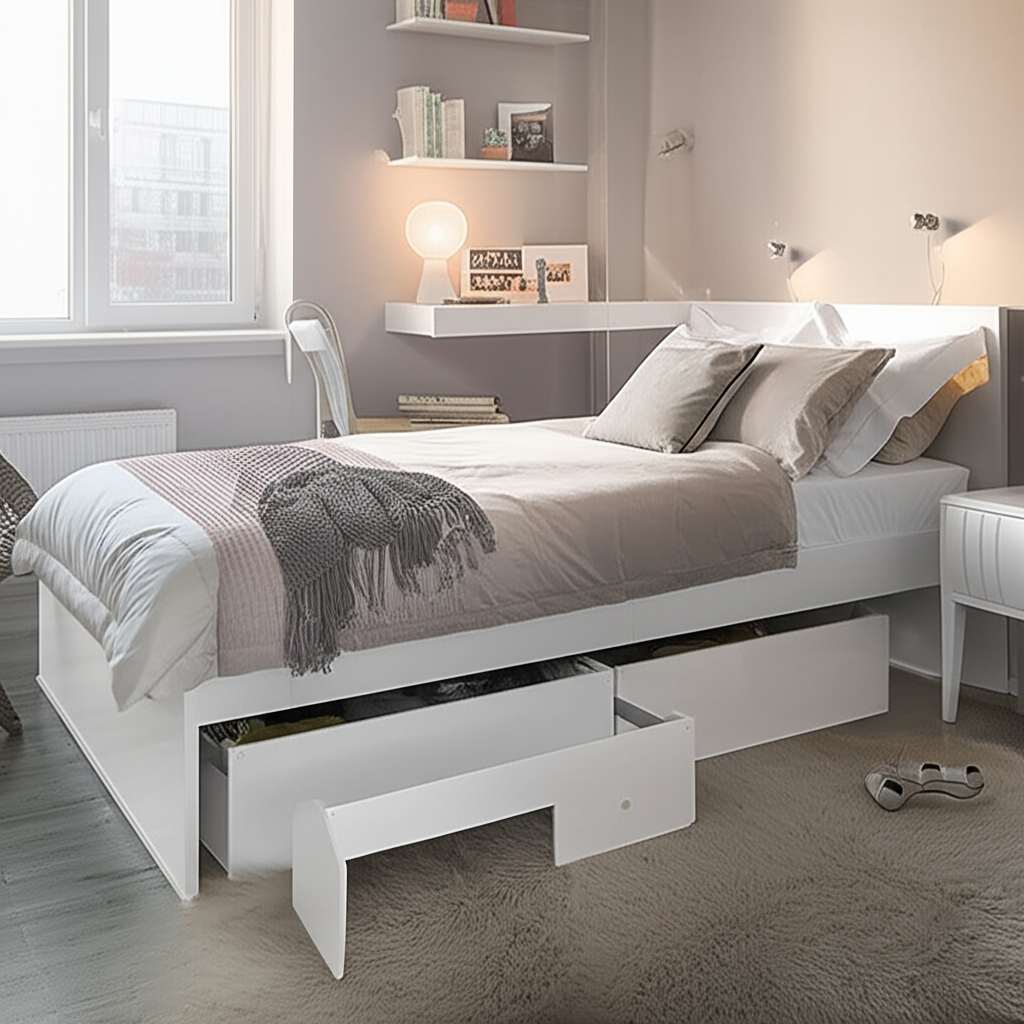
When it comes to small spaces, color is your best friend – especially light colors! Think soft whites, calming creams, gentle grays, and muted pastels. These shades reflect light, making walls appear to recede and the room feel more open and airy.
A light and neutral color palette is a fantastic foundation. It creates a sense of calm and can make a room feel significantly larger than it is. Don’t be afraid of white; it’s a versatile base that allows your other decor elements to pop.
Consider painting your ceiling a lighter shade than your walls, or even the same light color. This can help draw the eye upward, creating an illusion of height and making the room feel more expansive. This simple trick is a game-changer for small rooms.
Choosing Your Palette
When selecting colors, think about the mood you want to create. A serene blue or a soft green can be incredibly calming, perfect for a bedroom. For a more modern feel, shades of light gray or beige work wonderfully.
Avoid dark, heavy colors on all walls, as they can make a small room feel smaller and more enclosed. If you love a darker shade, use it as an accent on one wall, or incorporate it through smaller decor items like pillows or throws.
Monochromatic Magic
Consider a monochromatic color scheme. This involves using different shades and tints of a single color. It creates a sophisticated and cohesive look, which can be very effective in making a small space feel unified and larger.
2. Let There Be Light: Maximizing Natural and Artificial Illumination
Light is crucial for making any room feel bigger, but it’s absolutely vital in a small bedroom. Maximize natural light whenever possible. Keep window treatments simple and light; sheer curtains or blinds that can be easily opened fully are ideal.
Avoid heavy, dark drapes that block light and can make the room feel stuffy. If privacy is a concern, opt for light-filtering blinds or shutters that allow light to enter while still providing coverage.
Beyond natural light, good artificial lighting is key. Layer your lighting with a mix of ambient, task, and accent lights. A ceiling fixture provides general illumination, while bedside lamps offer task lighting for reading. Wall sconces can save valuable surface space.
Strategic Lighting Placement
Place lamps strategically to brighten corners and eliminate dark spots. Uplighting can also be a clever trick; by directing light upwards towards the ceiling, you can create a sense of height and spaciousness.
Consider dimmers for your lights. This allows you to control the mood and brightness, making the room adaptable for different activities, from bright and functional for getting ready to soft and cozy for winding down.
The Mirror Effect
Mirrors are a small bedroom’s best friend! They reflect light and create the illusion of depth, making the space feel much larger. A large mirror placed opposite a window will amplify the natural light and the view, doubling the perceived space.
Consider mirrored closet doors or a floor-to-ceiling mirror to maximize this effect. Even a collection of smaller decorative mirrors can add sparkle and open up the room. This is one of the most impactful, yet simplest, ways to enhance a small bedroom.
3. Furniture Smarts: Choosing Pieces That Work Hard
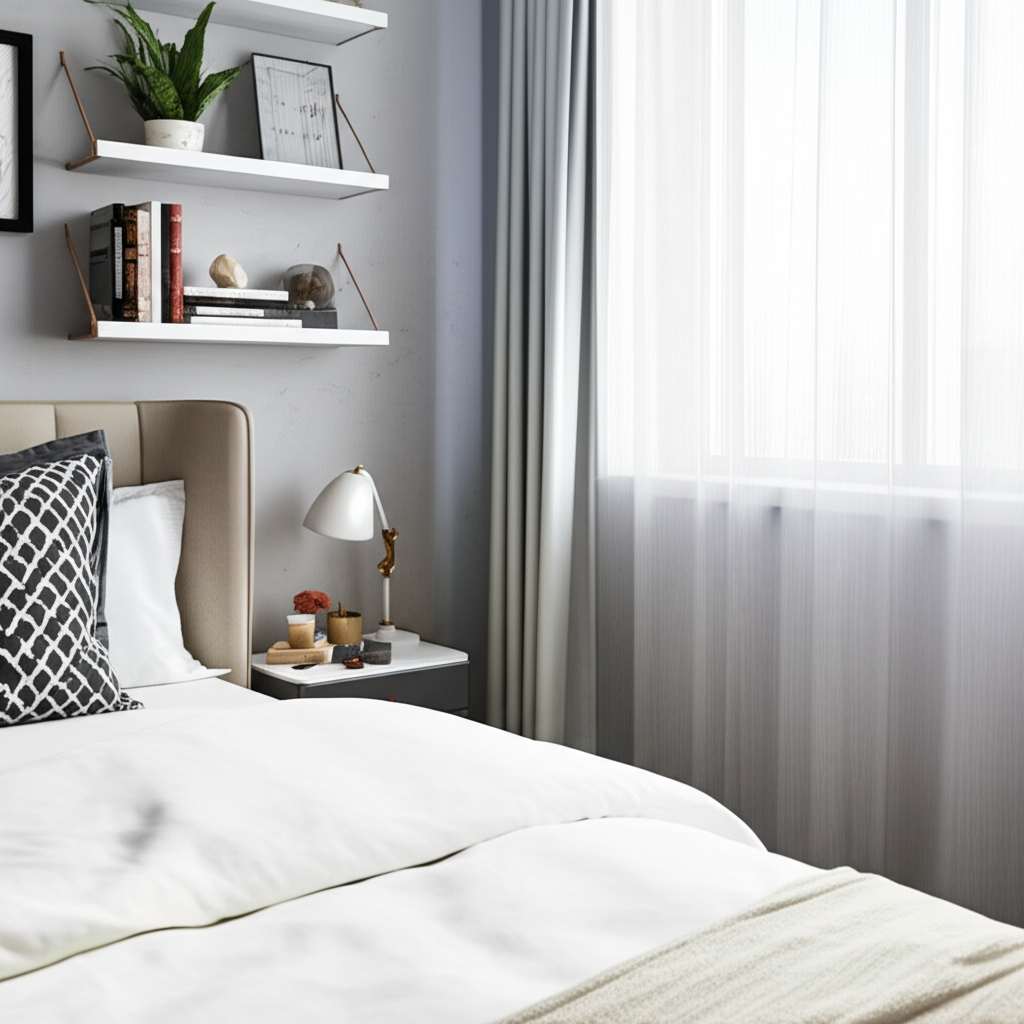
In a small bedroom, every piece of furniture needs to earn its keep. Opt for pieces that are scaled appropriately for the room and, ideally, offer more than one function. This is where smart design really pays off.
Think about multi-functional furniture like a storage ottoman that can double as a footrest or extra seating, or a bed frame with built-in drawers. These items help keep clutter at bay and serve multiple purposes.
When choosing a bed, consider its size. A massive, overstuffed bed can dominate a small room. A bed with a slim profile, a simple headboard, or even a platform bed can make the room feel less crowded.
Verticality is Key: Go Up!
Utilize vertical space for storage. Instead of wide, bulky dressers, opt for tall, narrow wardrobes or shelving units. This draws the eye upward and makes the most of the wall space without eating up precious floor area.
Floating shelves are another excellent option. They provide storage and display space without the visual weight of a traditional bookshelf or cabinet. You can use them for books, decor, or even as a bedside table alternative.
Floating Furniture and Leggy Designs
Furniture that is elevated off the floor, like beds with legs or wall-mounted nightstands, can make a room feel more open. Seeing the floor space beneath the furniture creates an illusion of more room.
Avoid bulky, solid furniture that visually blocks the space. Opt for pieces with visible legs or a more open design. This allows light and air to flow more freely, contributing to a feeling of spaciousness.
4. Declutter & Organize: The Foundation of a Serene Space
This is perhaps the most important tip of all: a cluttered small bedroom will always feel small and chaotic. Dedicate time to decluttering ruthlessly. Get rid of anything you don’t use, need, or love. Less is truly more in a compact space.
Once you’ve decluttered, organization is key. Every item should have its place. This is where smart storage solutions come into play. Think about under-bed storage boxes, drawer dividers, and wall-mounted organizers.
Keep surfaces clear. Nightstands and dressers should be kept as tidy as possible. Use decorative boxes or trays to corral small items like keys, jewelry, or remotes. This makes a huge difference in the overall feel of the room.
Smart Storage Solutions
Invest in storage that fits your needs. Consider:
- Under-bed storage bins: Perfect for seasonal clothing, extra linens, or shoes. Look for ones with wheels for easy access.
- Wall-mounted shelves: Ideal for books, decor, or even as a minimalist nightstand.
- Drawer organizers: Keep clothes, socks, and accessories neatly sorted within your drawers.
- Over-the-door organizers: Great for shoes, accessories, or toiletries, utilizing often-wasted space.
- Storage baskets and boxes: Use these on shelves or in corners to hide smaller items and keep things tidy.
The Power of “A Place for Everything”
Once you have your storage systems in place, make a conscious effort to put things back where they belong immediately after use. This habit will prevent clutter from accumulating again and keep your small bedroom feeling serene and organized.
5. Visual Tricks: Making Your Room Feel Bigger
Beyond color and light, there are several visual tricks you can employ to make your small bedroom feel more expansive. These are clever design hacks that play with perception.
Use vertical stripes: Whether in wallpaper, paint, or textiles, vertical stripes can draw the eye upward, making ceilings appear higher and walls seem longer. This is a classic technique for adding perceived height.
Keep furniture low-profile: As mentioned before, furniture that sits closer to the ground can make the ceiling feel higher. Avoid tall, bulky pieces that visually cut off the space.
Create a focal point: Having one clear focal point, like a piece of art or a statement lamp, can draw attention and make the room feel more intentional, rather than just small. This gives the eye a place to rest and anchor itself.
Mirrored Surfaces
Mirrors are powerful tools. A large mirror can instantly double the perceived size of a room. Consider a full-length mirror leaning against a wall or a collection of smaller mirrors to bounce light around.
Mirrored furniture can also be effective, adding a touch of glamour while enhancing the feeling of space. Just be mindful not to overdo it, as too much mirror can feel overwhelming.
Wall-Mounted Everything
Mounting items on the wall frees up floor space and creates a sense of openness. Think wall-mounted nightstands, shelves, or even a wall-mounted TV. This makes the room feel less cluttered and more streamlined.
For a more minimalist look, consider a wall-mounted desk if you need a workspace. This keeps the floor clear and maintains a sense of spaciousness.
6. Textiles & Textures: Adding Warmth and Personality
Even in a small space, textiles are essential for adding warmth, comfort, and personality. Don’t shy away from using them, but choose wisely.
Opt for lighter-weight fabrics for curtains and bedding. Think cotton, linen, or light blends. These materials don’t feel as heavy and contribute to an airy atmosphere.
Layering textures can add depth and interest without overwhelming the space. A plush rug underfoot, soft throw pillows, and a cozy blanket can make a small room feel incredibly inviting.
Strategic Patterns
When incorporating patterns, keep them proportionate to the size of the room. Large, bold patterns can sometimes overwhelm a small space, making it feel busier. Opt for smaller, more delicate patterns or use them as accents.
Consider patterns that create a sense of depth or movement. For example, a subtly striped wallpaper can add visual interest without being too distracting. A floral pattern with a light background can also work well.
Rugs to Define Space
A well-chosen rug can anchor your furniture and define different zones within your small bedroom, even if it’s just the sleeping area. A rug can also add color, pattern, and texture, making the room feel cozier and more complete.
Choose a rug that is proportionate to your space. It shouldn’t be so large that it overwhelms the room, but large enough to encompass your bed and at least the bedside tables. A lighter-colored rug can also help to brighten the floor space.
7. Personal Touches: Making it Yours
A small bedroom doesn’t have to feel generic. It’s your personal sanctuary, so it should reflect your style and personality. The key is to add personal touches in a way that enhances, rather than detracts from, the feeling of space.
Choose a few meaningful pieces of art or photographs. Instead of cluttering the walls with too many small items, consider one or two larger pieces that make a statement. This creates a focal point and keeps things streamlined.
Curate your decor. Display items that you truly love and that bring you joy. In a small space, it’s better to have fewer, well-chosen decorative items than a collection of trinkets that can contribute to visual clutter.
Think Vertically for Display
Use wall space for displaying personal items. Floating shelves are perfect for showcasing books, plants, or cherished objects. This keeps surfaces clear and adds personality without taking up valuable floor space.
Consider a gallery wall with a cohesive theme or color palette. This can be a great way to display multiple items without making the wall feel too busy. Ensure the frames are consistent for a more polished look.
Plants for Life and Color
Plants add life, color, and a touch of nature to any room. In a small bedroom, choose plants that are compact and don’t require a lot of direct sunlight if your room is dim. Hanging plants are also a fantastic space-saving option.
A small potted plant on your nightstand or a trailing vine on a shelf can make a big difference. They bring a sense of freshness and vitality to the space, making it feel more welcoming.
Table: Small Bedroom Furniture Pros and Cons
Choosing the right furniture is critical for a small bedroom. Here’s a quick look at some common options and their suitability for compact spaces:
| Furniture Type | Pros for Small Bedrooms | Cons for Small Bedrooms |
|---|---|---|
| Platform Bed with Storage | Maximizes under-bed storage, sleek profile, no need for a box spring. | Can be lower to the ground, potentially making the room feel smaller if not styled well. |
| Tall, Narrow Wardrobe/Bookshelf | Utilizes vertical space, offers ample storage, draws the eye upward. | Can feel imposing if too deep or dark; ensure it’s proportioned to the room. |
| Floating Nightstand/Shelves | Saves floor space, creates a minimalist look, easy to clean around. | Limited surface area, requires wall mounting. |
| Storage Ottoman/Bench | Multi-functional (seating, footrest, storage), can be tucked away. | Can add visual bulk if not chosen carefully; ensure it fits the scale. |
| Full-Length Mirror (Leaner or Wall-Mounted) | Makes room feel larger and brighter, functional for dressing. | Requires wall space or floor space to lean; can be visually dominant. |
Putting It All Together: A Step-by-Step Approach
Ready to put these tips into action? Here’s a simple way to approach decorating your small bedroom:
- Declutter & Purge: Start by removing anything you don’t need. Be honest with yourself! A clean slate is essential.
- Plan Your Layout: Decide where your bed will go. This is usually the largest piece and dictates the rest of the layout. Measure everything!
- Choose Your Color Palette: Select light, airy colors for the walls and ceiling. Consider your accent colors.
- Select Smart Furniture: Opt for scaled-down or multi-functional pieces. Prioritize vertical storage.
- Maximize Light: Ensure you have plenty of natural and artificial light. Consider adding mirrors strategically.
- Organize with Storage: Implement your chosen storage solutions to keep everything tidy.
- Add Textiles & Personality: Layer in rugs, pillows, and throws. Display a few meaningful decor items.
Remember, decorating is a process. You can always tweak and adjust as you go to make sure your space feels just right. For more inspiration on optimizing small spaces, check out our guide to cozy small kitchen ideas for clever layout and storage solutions that translate beautifully to compact bedrooms.
Frequently Asked Questions (FAQ)
Q1: What are the best colors for a small bedroom?
Light and neutral colors like soft whites, creams, pale grays, and muted pastels are best. They reflect light, making the room feel more spacious and airy. You can add pops of color with accessories.
Q2: How can I make my small bedroom feel bigger without expensive renovations?
Focus on smart decorating tricks: use light colors, maximize natural and artificial light, strategically place mirrors to reflect light and space, opt for multi-functional furniture, and keep the room clutter-free. Vertical storage also helps!
Q3: Should I use a large mirror or multiple small mirrors in a small bedroom?
A single, large mirror is often more effective at creating the illusion of depth and making a small room feel significantly larger. It acts as a focal point and reflects more light. However, a well-placed collection of smaller mirrors can also add sparkle and dimension.
Q4: What kind of furniture is best for a small bedroom?
Choose furniture that is scaled appropriately for the room and ideally multi-functional. Think beds with built-in storage, slim wardrobes, floating shelves, and storage ottomans. Furniture with visible legs can also make the space feel more open.
Q5: How can I add personality to my small bedroom without making it feel cluttered?
Curate your decor. Choose a few meaningful pieces of art, photographs, or decorative objects that you love. Use vertical space for display, such as on floating shelves. Keep surfaces clear and focus on quality over quantity.
Q6: Is it okay to use dark colors in a small bedroom?
While light colors are generally recommended, you can use dark colors strategically. Consider using a dark shade on just one accent wall to add depth and drama, or incorporate darker tones through smaller accessories like pillows, throws, or artwork. Ensure the room has ample lighting if you choose darker walls.
Conclusion
Decorating a small bedroom is all about smart strategy and creative thinking. By focusing on light colors, maximizing light, choosing multi-functional furniture, and staying organized, you can transform even the coziest space into a stylish and functional retreat.
Remember that every element, from the paint on your walls to the textiles you choose, plays a role in how spacious your room feels. Don’t be afraid to experiment and personalize your space – it’s your sanctuary, after all!
With these essential tips, you’re well on your way to creating a small bedroom that feels inviting, looks beautiful, and functions perfectly for your needs. For additional inspiration on maximizing compact spaces, explore our curated list of minimal kitchen decor ideas that emphasize clean lines and efficient use of space. Happy decorating!