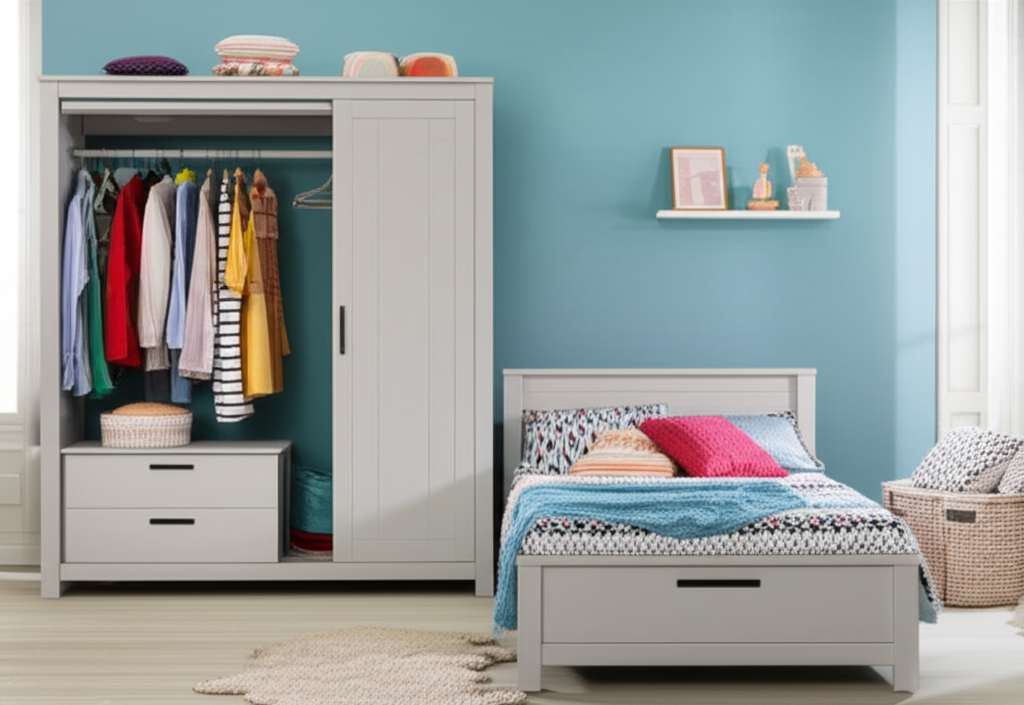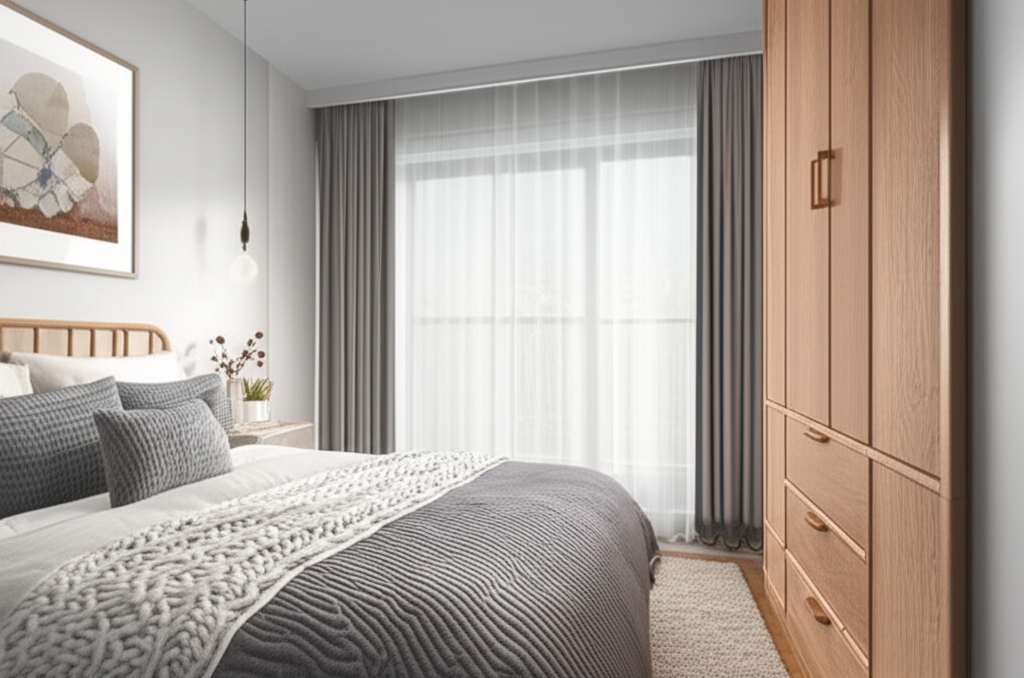
Yes! You can absolutely transform a small bedroom with a wardrobe into a stylish and functional sanctuary. Focus on smart furniture choices, clever storage solutions, and light-enhancing decor to make your space feel larger and more inviting. This guide offers easy-to-follow tips for beginners to achieve a beautiful, organized room.
Feeling a bit cramped in your bedroom? You’re not alone! Many of us dream of spacious interiors, but the reality is often a cozy, compact room. Adding a wardrobe can sometimes feel like the final straw, making it seem even smaller.
But don’t worry! With a few simple tricks and smart decorating choices, you can make your small bedroom feel like a spacious retreat, even with that essential wardrobe.
This guide is packed with easy-to-implement ideas to help you maximize your space, boost style, and create a bedroom you’ll love. Let’s dive in and discover how to make your small bedroom work for you!
Decorating a Small Bedroom With a Wardrobe: Your Ultimate Guide
A wardrobe is a must-have for keeping clothes tidy, but in a small bedroom, it can quickly become the focal point, making the room feel crowded. The key is to integrate it smartly and use other decorating elements to balance its presence and create a sense of spaciousness.
We’ll walk through everything from choosing the right wardrobe to using color, light, and clever storage to make your small bedroom feel bigger and more beautiful. Get ready to transform your space!
1. Wardrobe Wisdom: Choosing and Placing for Maximum Impact
The wardrobe itself is the biggest player in your small bedroom. Its size, style, and placement can dramatically affect how the room feels. Let’s make smart choices from the start.
Size Matters: Finding the Perfect Fit
Before you even think about decor, consider the wardrobe’s dimensions. A bulky, oversized wardrobe will overwhelm a small room. Opt for one that fits the scale of your space.
- Height: Go for a wardrobe that extends to the ceiling. This draws the eye upward, creating an illusion of height and maximizing storage.
- Depth: Choose a wardrobe that’s deep enough for your needs but not so deep that it eats up too much floor space. Sliding doors are often a better choice than hinged doors, as they don’t require extra clearance to open.
- Width: Measure your available wall space carefully. Sometimes, a narrower, taller wardrobe is more practical than a wide, short one.
Style and Color: Blending In, Not Standing Out
The wardrobe’s appearance is crucial. You want it to complement your room, not dominate it.
- Light Colors: White, cream, pale grey, or light wood finishes reflect light and make the wardrobe seem less imposing.
- Mirrored Doors: Mirrored wardrobe doors are a fantastic trick for small spaces. They bounce light around the room and create the illusion of a larger area by reflecting the space opposite.
- Sleek Designs: Opt for minimalist designs with clean lines and minimal hardware. Avoid overly ornate or dark-colored wardrobes.
Strategic Placement: The Art of Illusion
Where you put your wardrobe can make a world of difference. Think about traffic flow and how the wardrobe impacts the room’s visual balance.
- Against a Long Wall: Placing a wardrobe along the longest wall can help it recede visually.
- In a Nook or Alcove: If you have a natural alcove, this can be the perfect spot to tuck away your wardrobe, making it feel built-in and less intrusive.
- Behind the Door: Sometimes, placing the wardrobe where it’s partially hidden when the room door is open can make it less of a dominant feature.
2. Color and Light: Your Secret Weapons for Spaciousness
Color and light are your best friends when decorating a small bedroom. They can dramatically change how big and airy your room feels.
The Power of Light Colors
Light and neutral colors are a small bedroom’s best friend. They reflect light, making walls seem to recede and the room feel more open.
- Walls: Paint your walls in soft whites, pale blues, gentle greens, or light greys. These colors create a serene backdrop.
- Wardrobe: As mentioned, a wardrobe in a light finish will blend in beautifully.
- Bedding and Textiles: Use lighter shades for your bedding, curtains, and rugs.
Harnessing Natural Light
Maximize the natural light you have. It’s the most effective way to make a small space feel larger and more inviting.
- Window Treatments: Opt for sheer or light-colored curtains that allow maximum light to filter through. Avoid heavy, dark drapes. Blinds or Roman shades in light fabrics are also great options.
- Mirror Placement: Position mirrors opposite windows to reflect natural light and the view outside, essentially doubling the perceived light in the room.
Strategic Artificial Lighting
Good lighting doesn’t just help you see; it shapes the mood and perceived size of your room.
- Layered Lighting: Combine ambient (overhead), task (reading lamps), and accent lighting. This creates depth and interest.
- Wall Sconces: Wall-mounted lights save floor and surface space, which is precious in a small room.
- Uplighting: Lights that shine upwards can make ceilings appear higher. Consider floor lamps that cast light towards the ceiling.
3. Smart Furniture Choices for Small Spaces
When your bedroom is small, every piece of furniture counts. Choose items that are functional, proportionate, and ideally, multi-purpose.
The Bed: A Space-Saving Centerpiece
Your bed is usually the largest piece of furniture. Making a smart choice here frees up valuable space.
- Platform Beds: These often have a lower profile and can look less bulky.
- Beds with Storage: Opt for a bed with built-in drawers or a lift-up mechanism. This is invaluable for storing extra bedding, seasonal clothes, or other items, reducing the need for additional storage furniture.
- Wall-Mounted Headboards: Consider a slim, wall-mounted headboard instead of a large, freestanding one.
Multi-Functional Furniture is Key
In a small room, furniture that serves more than one purpose is a game-changer.
- Ottomans with Storage: Use them as a footrest, extra seating, or a bedside table, with hidden storage inside.
- Floating Shelves: These provide storage and display space without taking up floor real estate. They can act as bedside tables or places to display decor.
- Desk as a Vanity: A slim desk can double as a vanity area, providing a workspace and a spot to get ready.
Scale and Proportion
Ensure all your furniture pieces are in proportion to the size of the room. Avoid large, oversized items that make the room feel cramped. A slim nightstand is better than a chunky one. A delicate accent chair is better than a bulky armchair.
4. Maximizing Wardrobe Interior and Exterior Space
Your wardrobe is more than just a place for clothes; it’s a storage powerhouse. Let’s make sure every inch is used wisely, both inside and out.
Inside the Wardrobe: Organization is Everything
A well-organized wardrobe interior prevents clutter from spilling out and makes finding things easier.
- Shelf Dividers and Bins: Use these to keep folded items neat and separate.
- Drawer Organizers: For socks, underwear, and accessories.
- Hanging Solutions: Invest in slim, matching hangers to save space and create a uniform look. Consider tiered hangers for skirts or pants.
- Vertical Storage: Use stackable shelves or hanging closet organizers to utilize the full height of your wardrobe.
- Door Space: The inside of the wardrobe doors is prime real estate! Install hooks for belts, scarves, or jewelry. You can also find over-the-door organizers for shoes or accessories.
Outside the Wardrobe: Creative Storage Solutions
Don’t let the space around your wardrobe go to waste. Think vertically and creatively.
- Above the Wardrobe: If your wardrobe doesn’t reach the ceiling, use the space above it for storing less frequently used items in attractive storage boxes or baskets.
- Adjacent Walls: Install floating shelves on the walls next to or above the wardrobe for books, decor, or small storage items.
- Wall Hooks: Place stylish hooks on the wall near the wardrobe for jackets, bags, or robes.
5. Decorating Touches: Creating an Illusion of Space
Once the practicalities are sorted, it’s time for the fun part – adding style and personality while enhancing the sense of space.
Mirrors, Mirrors Everywhere!
Mirrors are a small bedroom’s best friend. They reflect light and create the illusion of depth.
- Wardrobe Doors: As mentioned, mirrored wardrobe doors are a fantastic investment.
- Full-Length Mirror: Place a tall, freestanding mirror or a wall-mounted one strategically. Placing it opposite a window or light source will maximize its effect.
- Gallery Wall with Mirrors: Mix framed mirrors into a gallery wall for a unique look.
Vertical Lines and Eye-Level Decor
Draw the eye upward to make the ceiling feel higher and the room feel grander.
- Tall, Slim Decor: Opt for tall, slender lamps, plants, or decorative objects.
- Stripes: Vertical stripes on wallpaper or curtains can visually elongate the walls.
- Artwork Placement: Hang artwork slightly higher than you might normally.
Declutter Ruthlessly
Clutter is the enemy of small spaces. A tidy room automatically feels larger.
- “A Place for Everything”: Ensure every item has a designated spot, especially within your wardrobe.
- Regular Purges: Make it a habit to declutter your clothes and belongings regularly.
- Minimalist Decor: Choose decorative items wisely. A few well-chosen pieces are better than many small trinkets.
Choosing the Right Rug
A rug can define a space and add warmth. In a small room, consider:
- Lighter Colors: Similar to walls, lighter rugs make the floor area seem larger.
- Stripes: A striped rug can visually lengthen or widen the room, depending on the stripe direction.
- Proportion: Ensure the rug is proportionate to the room and furniture. A rug that’s too small can make the room feel disjointed.
6. Creating a Cozy and Personal Vibe
Even in a small space, you want your bedroom to feel like your personal sanctuary. Adding warmth and personality is key.
Textiles and Soft Furnishings
Layering soft textures adds comfort and visual interest.
- Throws and Cushions: Add plush throws and decorative cushions to your bed for an inviting look.
- Curtains: Even light-filtering curtains add softness. Consider linen or cotton for a natural, airy feel.
- Rugs: A soft rug underfoot instantly makes a room cozier.
Personal Touches
This is what makes the space yours.
- Photos: Display favorite photos in slim frames.
- Artwork: Choose art that speaks to you. A single large piece can be more impactful than many small ones in a small room.
- Plants: Greenery adds life and color. Opt for smaller plants or hanging varieties if space is tight.
Creating Zones
Even in a small room, you can subtly define different areas.
- Bed Area: Use your bed and bedside tables to anchor this space.
- Wardrobe Area: This is the functional zone. Keep it tidy!
- Reading Nook (if possible): A small armchair or floor cushion with a lamp can create a cozy corner.
Wardrobe Material and Finish Comparison
Choosing the right material and finish for your wardrobe can significantly impact the room’s overall aesthetic and perceived size. Here’s a quick comparison to help you decide:
| Material/Finish | Pros | Cons | Best For |
|---|---|---|---|
| Laminate/Melamine (White/Light Colors) | Affordable, durable, easy to clean, wide range of light colors, blends well. | Can sometimes look less premium than real wood or high-gloss finishes. | Budget-friendly, modern, minimalist look. Excellent for reflecting light. |
| MDF with Painted Finish (Pastel/Neutral) | Versatile, can be painted any color, smooth finish, can achieve a custom look. | Requires good quality paint for a smooth finish, can be susceptible to moisture damage if not sealed properly. | Creating a custom color scheme, achieving a matte or satin look. |
| Mirrored Doors | Excellent for reflecting light and making the room appear larger, hides wardrobe contents, functional as a full-length mirror. | Can be more expensive, shows fingerprints easily, requires careful cleaning. | Maximizing perceived space and light, modern and glamorous feel. |
| Light Wood Veneer (e.g., Birch, Oak) | Adds warmth and natural texture, can look sophisticated, durable. | Can be more expensive than laminate, darker wood tones can make a small room feel smaller. | Adding a touch of natural warmth, Scandinavian or modern rustic styles. |
| High-Gloss Finish | Reflects light very effectively, modern and sleek appearance. | Shows fingerprints and smudges easily, can be more prone to scratches, might be too reflective for some. | Creating a very modern, bright, and reflective space. |
When selecting your wardrobe, consider its finish in relation to your overall color scheme and the amount of natural light your room receives. For small bedrooms, lighter and reflective surfaces are generally preferred.
Frequently Asked Questions (FAQ)
Q1: How can I make my small bedroom with a wardrobe feel bigger?
A: Use light paint colors on walls and the wardrobe itself. Incorporate mirrors to reflect light and space. Choose furniture that is scaled appropriately for the room and consider pieces with storage to minimize clutter. Keep decor minimal and organized.
Q2: Should my wardrobe be the same color as my walls?
A: It’s often beneficial to have your wardrobe in a similar or lighter shade than your walls. This helps it blend in and makes the wall appear more continuous, creating an illusion of more space. A white wardrobe against white walls is a classic trick.
Q3: What kind of doors are best for a wardrobe in a small bedroom?
A: Sliding doors are ideal because they don’t require extra space to open, unlike hinged doors. Mirrored sliding doors are even better as they serve a dual purpose of storage and space enhancement.
Q4: How can I use the space above my wardrobe?
A: If your wardrobe doesn’t reach the ceiling, the space above is perfect for storing items you don’t need daily, like seasonal clothing, extra bedding, or luggage. Use attractive storage boxes or baskets to keep it looking tidy and stylish.
Q5: Is it okay to have a dark-colored wardrobe in a small bedroom?
A: While dark colors can absorb light and make a room feel smaller, you can still use them if you balance them carefully. Pair a dark wardrobe with very light walls, plenty of mirrors, and bright artificial lighting. Alternatively, consider a dark wardrobe only if it’s a smaller, accent piece and the rest of the room is very light and airy.
Q6: How do I organize the inside of my wardrobe to maximize space?
A: Utilize vertical space with stackable shelves and hanging organizers. Use drawer dividers for smaller items. Invest in slim, uniform hangers. Make use of the inside of the wardrobe doors for hanging accessories like belts or scarves. Regular decluttering is key!
Q7: What’s the best way to make a small bedroom feel cozy with a wardrobe?
A: Add soft textures through bedding, throws, cushions, and rugs. Incorporate personal touches like photos and art. Use layered lighting – a mix of overhead, task, and accent lights – to create a warm ambiance. Ensure the wardrobe itself is well-integrated and not visually overwhelming.
Bringing It All Together: Your Small Bedroom Sanctuary
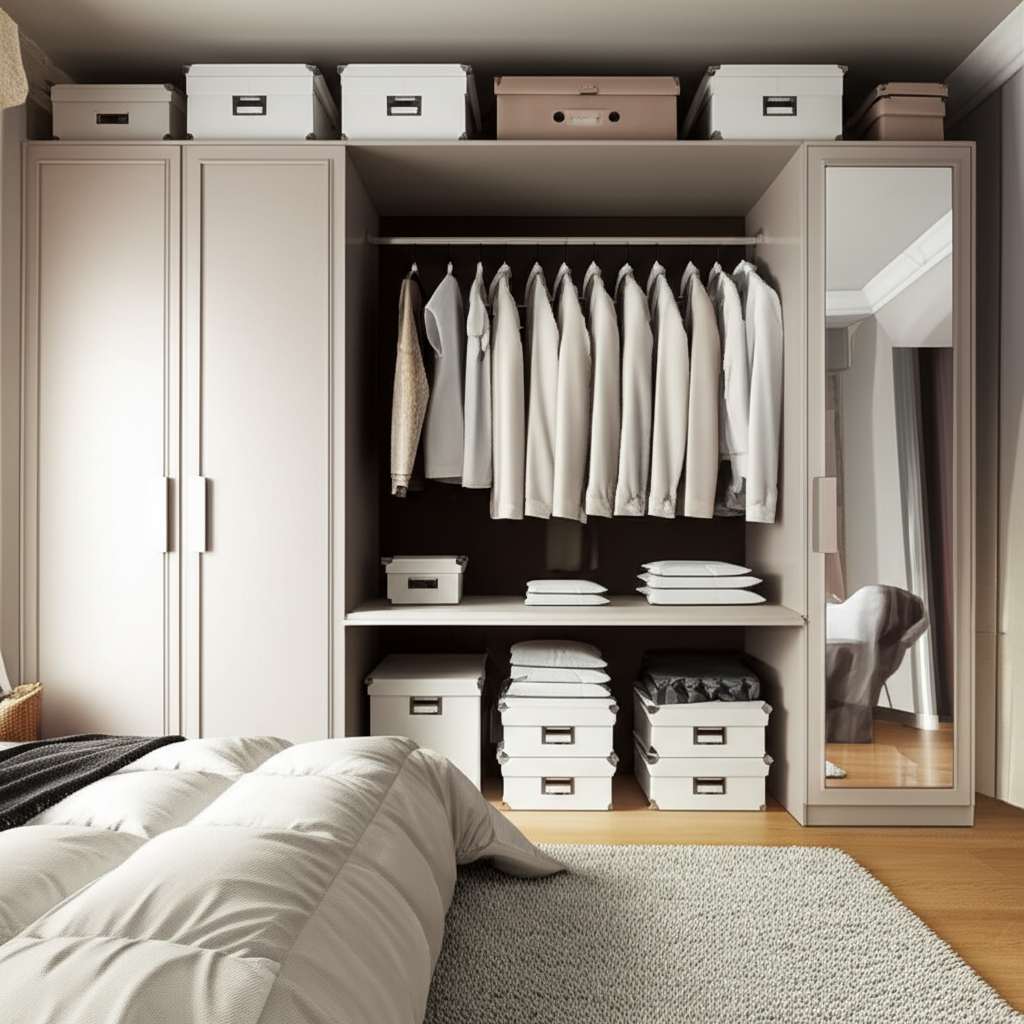
Decorating a small bedroom with a wardrobe doesn’t have to be a challenge. By focusing on smart furniture choices, strategic placement, and the clever use of color and light, you can create a space that feels much larger, more organized, and beautifully stylish.
Remember, the goal is to make your wardrobe an integrated part of your room’s design, not an imposing obstacle. Whether it’s opting for mirrored doors, a light color, or utilizing vertical space above it, every decision counts.
From choosing the right wardrobe size and style to decluttering effectively and adding those personal decorative touches, these tips are designed to empower you. You can transform your compact bedroom into a functional, serene, and inviting sanctuary that perfectly reflects your personality and style.
For more space-saving inspiration, check out our guide on 10 Cozy Small Kitchen Ideas: Amazing Makeovers for clever design tricks that work in any compact room.
So, take these ideas, get creative, and enjoy the process of making your small bedroom a place you absolutely love spending time in!