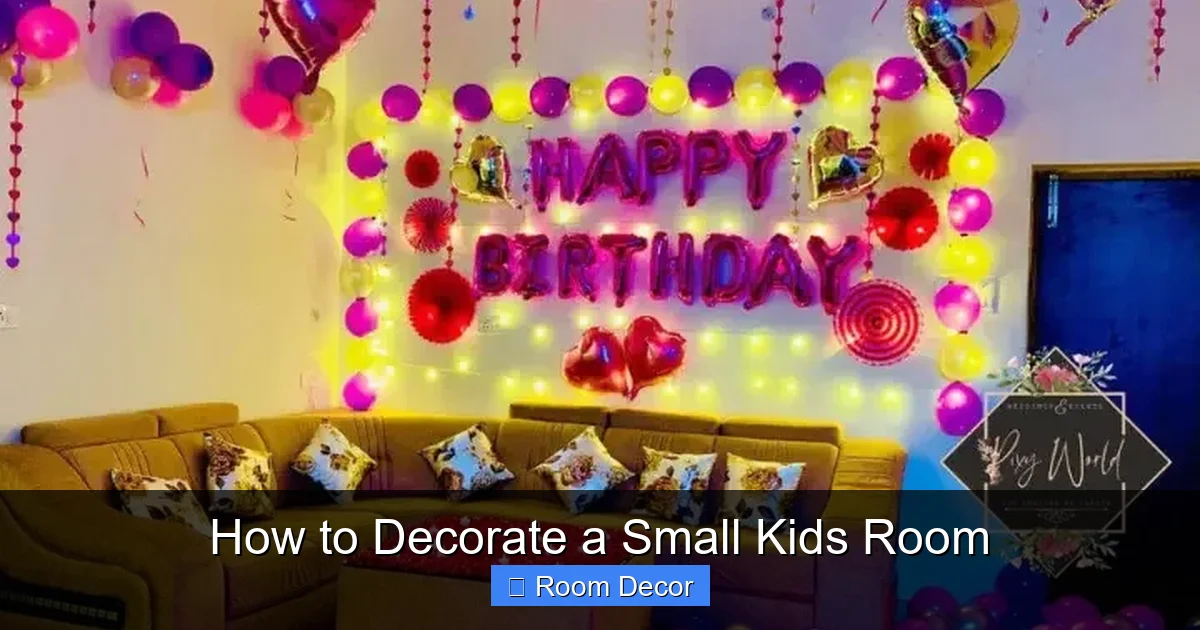
Transforming a small kids room into a functional and magical space requires smart planning and creative solutions. This guide teaches you how to maximize every inch with multi-functional furniture, clever storage, and strategic design choices. Learn to decorate a small kids room that feels spacious, organized, and perfectly tailored for your child’s dreams.
How to Decorate a Small Kids Room
Decorating a small kids room might seem like a tricky puzzle. You want to create a space that’s fun, functional, and organized, yet it often feels like there’s just not enough room for everything. Many parents worry about clutter, lack of play space, or a room that feels cramped instead of cozy. But don’t worry! With smart strategies and a little creativity, you can transform even the tiniest room into a dream retreat for your child.
This comprehensive guide will walk you through every step of how to decorate a small kids room. We’ll explore clever furniture choices, ingenious storage solutions, and design tricks to make the room feel bigger and brighter. By the end, you’ll have all the tools to design a charming, efficient, and inspiring space that your child will love, no matter its size. Let’s make every square inch count!
Key Takeaways
- Embrace Multi-Functional Furniture: Choose pieces that serve more than one purpose, like a bed with built-in drawers or an ottoman that doubles as storage, to save precious floor space.
- Utilize Vertical Space Smartly: Go up! Install wall-mounted shelves, tall bookcases, or bunk beds to free up floor area and add essential storage or sleeping zones.
- Prioritize Smart Storage Solutions: Integrate hidden storage under beds, inside benches, or within decorative bins to keep clutter at bay and maintain a tidy, spacious feel.
- Lighten Up with Color and Light: Use light paint colors and ensure ample natural and artificial lighting to make the room feel larger and brighter. Strategic mirrors can also enhance this effect.
- Involve Your Child in the Process: Allow your child to contribute ideas for colors, themes, or decor elements, fostering a sense of ownership and making the room truly theirs.
- Keep Decor Minimalist but Meaningful: Select meaningful decor items that reflect your child’s personality without overcrowding the space. Focus on quality over quantity.
- Safety is Paramount: Always secure furniture to walls, choose child-safe materials, and ensure all elements are appropriate for your child’s age and development.
Step 1: Plan with Purpose – Understanding Your Space and Child
Before you even think about paint swatches or furniture, take a moment to plan. A thoughtful plan is the foundation for successfully decorating a small kids room.
Assess the Room
First, really look at the room. Measure its dimensions accurately. Note where windows, doors, and electrical outlets are. Think about the natural light it receives. Understanding these fixed elements helps you plan the best layout and where furniture can go.
- Take Measurements: Grab a tape measure and get accurate dimensions for walls, windows, and doors. This prevents frustrating mistakes later.
- Identify Obstacles: Pinpoint radiators, built-in closets, or awkward corners. These areas might limit furniture placement but can also inspire custom solutions.
Involve Your Child (Age-Appropriate)
This is their room, after all! Involving your child in the decorating process gives them a sense of ownership and excitement. For younger children, offer limited choices (e.g., “Do you like the blue or green pillow?”). Older children can have more input on themes, colors, and specific items.
- Ask for Preferences: What are their favorite colors, animals, or characters? What activities do they love doing in their room?
- Balance Their Desires with Practicality: You might not be able to paint the walls neon orange, but perhaps a neon orange accent pillow or piece of art can satisfy their wish.
Define Key Zones
Even in a small room, you need different areas for different activities. Think about where your child will sleep, play, study, and store their belongings. Clearly defining these zones helps you make smart furniture and storage choices.
- Sleeping Zone: This is usually the bed, the central piece.
- Play Zone: An open area for toys, games, and creative play.
- Storage Zone: Where clothes, books, and toys will live.
- Study Zone (for older kids): A desk or quiet corner for homework.
Step 2: Maximize Every Inch with Smart Furniture Choices
When you decorate a small kids room, furniture isn’t just about comfort; it’s about efficiency. Every piece should pull its weight, ideally serving more than one function.

Visual guide about How to Decorate a Small Kids Room
Image source: vandifair.com
Choose Multi-Functional Furniture
This is perhaps the most crucial tip for small spaces. Look for furniture that works harder, providing both comfort and clever storage.
- Beds with Storage: A captain’s bed with built-in drawers underneath is a game-changer. Daybeds can also double as seating during the day.
- Loft Beds or Bunk Beds: These are excellent for small rooms, especially if you have two children or want to free up floor space for a desk or play area underneath.
- Ottomans and Benches: Choose hollow ottomans or benches with lift-up tops. They provide seating and hide toys or books effortlessly.
- Trundle Beds: Perfect for sleepovers, a trundle bed rolls out from beneath a main bed, offering an extra sleeping spot without taking up permanent space.
Go Vertical
When floor space is limited, the only way to go is up! Utilizing vertical space drawing the eye upward makes a small room feel larger and more organized.
- Tall, Narrow Bookcases: Instead of wide, short ones, opt for tall, slender bookshelves. They provide ample storage without eating up too much wall width.
- Wall-Mounted Shelves: Floating shelves are fantastic for displaying books, small toys, or decorative items without cluttering surfaces. Install them above a desk, bed, or play area.
- Wall Desks: Consider a fold-down or wall-mounted desk that can be tucked away when not in use.
Consider Scale
The size of your furniture dramatically impacts how big or small a room feels. Resist the urge to buy oversized pieces.
- Kid-Sized Furniture: While tempting to buy adult-sized furniture they can “grow into,” kid-sized tables, chairs, and desks are often more proportionate to the room and free up space.
- Streamlined Designs: Opt for furniture with simple lines and minimal bulk. Heavy, ornate pieces can make a small room feel crowded.
- Legged Furniture: Pieces with visible legs, like a bed frame or dresser, create an airy feel by allowing light and sightlines to extend underneath them.
Step 3: Embrace Storage Solutions That Disappear
Clutter is the enemy of small spaces. The key to successfully decorating a small kids room is making storage an integral, often hidden, part of the design.

Visual guide about How to Decorate a Small Kids Room
Image source: i0.wp.com
Built-In and Under-Bed Storage
These solutions use otherwise wasted space efficiently.
- Custom Built-Ins: If your budget allows, built-in shelving, desks, or window seats can be tailored to fit awkward nooks and maximize every corner.
- Under-Bed Bins and Drawers: If your bed doesn’t have built-in drawers, invest in rolling bins or fabric boxes that slide neatly underneath. Label them for easy access.
- Storage Benches/Window Seats: A bench with a hinged lid or drawers below provides seating and a place to stash toys.
Wall-Mounted Shelving and Bins
Getting items off the floor is crucial for maintaining an open feel.
- Floating Shelves: Install shelves at various heights. Mix open shelves for display with baskets for hidden storage.
- Wall Pockets or Fabric Organizers: These are great for small items like art supplies, books, or action figures. Hang them on the back of a door or on an empty wall.
- Pegboards: A pegboard can be a versatile storage solution. Hang baskets, hooks, and shelves to organize art supplies, small toys, or even clothes. It’s fully customizable and can grow with your child’s needs.
Decorative Storage
Who says storage can’t be stylish? Choose storage pieces that blend with your room’s decor.
- Woven Baskets: Attractive baskets can hold toys, blankets, or laundry. They add texture and warmth to the room.
- Storage Cubes: Modular cube storage units are versatile. Fill them with fabric bins that match your color scheme.
- Trunks: A vintage or painted trunk can serve as a storage chest and a unique accent piece.
Step 4: Color and Light – Creating an Illusion of Space
The right colors and lighting can make a small room feel significantly larger and more inviting. This is a powerful tool when you decorate a small kids room.

Visual guide about How to Decorate a Small Kids Room
Image source: littlehouselovelyhome.com
Light Colors Are Your Friends
Light colors reflect light, making walls recede and creating an open, airy feeling.
- White, Off-White, Pastels: These are excellent choices for walls. They provide a calm backdrop and make the room feel larger.
- Monochromatic Schemes: Using different shades of the same light color throughout the room (walls, furniture, textiles) can create a cohesive and expansive feel.
- Avoid Dark Colors: Dark colors tend to absorb light and make a room feel smaller and more enclosed. If your child loves a dark color, use it sparingly as an accent.
Strategic Use of Accent Colors
You don’t have to sacrifice personality with light walls. Use accent colors strategically.
- One Accent Wall: A single accent wall in a bolder color or with wallpaper can add personality without overwhelming the space. Choose the wall with a window or the headboard wall.
- Pops of Color: Introduce brighter hues through bedding, pillows, rugs, artwork, or small decorative items. These splashes of color add excitement without consuming visual space.
Leverage Natural and Artificial Light
Bright rooms always feel bigger.
- Maximize Natural Light: Keep windows clear. Use light, sheer curtains or blinds that can be pulled up completely during the day. Heavy drapes can block light and make the room feel smaller.
- Thoughtful Artificial Lighting: Combine different types of light. An overhead light provides general illumination, a task light for a desk, and a night light for comfort. Wall-mounted sconces save valuable floor or table space compared to traditional lamps.
Mirrors for Depth
Mirrors are a classic trick to make a small space appear larger.
- Strategically Placed: Place a mirror on a wall opposite a window to reflect light and views, visually expanding the room.
- Full-Length or Gallery Wall: A full-length mirror can make a narrow wall feel wider. Or, incorporate several smaller mirrors into a gallery wall for an interesting design element that also boosts brightness.
Step 5: Smart Decor and Personal Touches
Decorating a small kids room means being selective with your decorative items. Every piece should add value without adding clutter.
Wall Decor That Doesn’t Clutter
Your walls are prime real estate for personality and fun.
- Gallery Walls: Create a focal point with a gallery wall of your child’s artwork, family photos, or themed prints. Varying sizes and frames add visual interest.
- Decals and Murals: Wall decals are fantastic for small rooms because they add character without taking up any physical space. They are also easy to remove or change as your child grows. A subtle, light-colored mural can also open up the space.
- Pin Boards or Magnetic Boards: These are functional and decorative. Your child can display their creations, notes, or photos, keeping them off other surfaces.
Keep Floors Clear
A clear floor makes a room feel more open and allows for easier movement and play. This is a golden rule when you decorate a small kids room.
- Rugs for Definition: Use a single, area rug to define a play zone or add warmth and color. Avoid multiple small rugs that can chop up the space.
- Minimal Floor Furniture: Limit floor-standing lamps or large toy chests. Opt for wall-mounted solutions whenever possible.
Personalize Without Overwhelming
The goal is to create a personal sanctuary, not a museum of everything your child owns.
- Curate Collectibles: Display a few favorite toys or books on open shelves. Rotate them periodically to keep the collection fresh and manageable.
- Bedding and Textiles: These are excellent for introducing personality, color, and texture. Choose fun patterns or themes for duvet covers, pillows, and throws.
Theme Thoughtfully
A theme can make a room magical, but in a small space, less is more.
- Subtle Themes: Instead of an “all-out” character theme, choose a color palette and a few key pieces that hint at the theme (e.g., starry bedding and moon decals for a space theme, or ocean-blue walls with seashell accents for an underwater theme).
- Focus on a Focal Point: Let one key element carry the theme, like a striking piece of wall art or a unique light fixture.
Step 6: Safety First – A Non-Negotiable Step
No matter how beautifully you decorate a small kids room, safety must always be your top priority, especially in a compact space where hazards might be closer to reach.
Secure Furniture
Tip-overs are a serious concern for children. Always anchor heavy furniture to the wall.
- Anchor Dressers and Bookcases: Use anti-tip kits to secure all tall and heavy furniture to wall studs.
- Check Stability: Ensure all furniture is stable and can’t be easily pulled over by a climbing child.
Child-Proofing Essentials
Review the room from a child’s perspective to spot potential dangers.
- Outlet Covers: Install safety covers on all unused electrical outlets.
- Cord Management: Secure blinds and curtain cords out of reach to prevent strangulation hazards. Use cord organizers for electronic devices.
- Rounded Edges: Opt for furniture with rounded corners or add corner protectors to sharp edges.
- Window Safety: Install window guards or stops to prevent falls.
Non-Toxic Materials
Children spend a lot of time in their rooms, so the air quality and materials matter.
- Low-VOC Paints: Choose paints and finishes that have low or zero volatile organic compounds to ensure healthier air quality.
- Natural Fabrics: Opt for natural and breathable fabrics for bedding, curtains, and rugs.
Troubleshooting Common Small Room Decorating Challenges
My child’s room feels too cramped even after decluttering. What else can I do?
Sometimes, even after decluttering, a small room can still feel tight. Re-evaluate your furniture layout. Try moving the bed to a different wall, perhaps under a window, to open up the main play area. Consider removing one non-essential piece of furniture if possible. Also, ensure your color scheme is consistently light and that windows are uncovered during the day to maximize brightness and a sense of openness.
How do I make a small room feel exciting without too much stuff?
Focus on creating a strong focal point or using visual tricks. An accent wall with a subtle pattern or a large, captivating piece of art can draw the eye without adding clutter. Use vibrant colors in textiles like bedding, curtains, or a rug. Incorporate smart lighting, such as string lights or a unique pendant lamp, to add a magical touch. Vertical displays, like a curated gallery of your child’s art, also add personality without taking up floor space.
I’m on a tight budget. What are the best investments when decorating a small kids room?
Prioritize multi-functional furniture and smart storage. A good quality bed with built-in storage or a loft bed is a worthwhile investment that saves space for years. Beyond that, focus on paint (a little paint goes a long way!), wall decals, and DIY storage solutions like painted crates or baskets. Thrift stores can be treasure troves for unique, small-scale furniture pieces that you can upcycle with paint. Don’t underestimate the power of colorful bedding or inexpensive framed prints to add personality.
Conclusion
Decorating a small kids room is an exciting challenge, not a limitation. By focusing on smart space-saving furniture, clever storage, strategic use of color and light, and meaningful personal touches, you can create a room that feels far more expansive and inviting than its actual size. Remember to involve your child in the process, making it a space that truly reflects their personality and meets their needs.
With these tips, you’re now equipped to transform any small room into a functional, playful, and organized haven for your little one. Embrace the creativity that small spaces demand, and watch your child’s small room become their favorite place to dream, play, and grow!