Creating a nursery is an exciting journey, but safety must always come first. This guide provides practical, step-by-step advice on how to decorate your baby’s room safely, covering everything from selecting secure furniture and non-toxic materials to ensuring proper air quality and effective childproofing. Learn to build a beautiful, nurturing, and hazard-free environment for your little one.
How to Decorate Baby Room Safely
Bringing a new baby home is one of life’s greatest joys. Part of the excitement is creating a beautiful, cozy, and inviting nursery. You want a space that feels personal, comforting, and stimulates your baby’s senses. However, above all else, your baby’s room needs to be a haven of safety. Every choice, from the crib to the paint on the walls, has safety implications.
This comprehensive guide is designed to help you navigate the process of how to decorate baby room safely. We’ll walk you through essential considerations, practical tips, and step-by-step instructions to ensure your nursery is not just charming, but also completely secure for your little one. Let’s create a beautiful, hazard-free space where your baby can grow, play, and dream.
Key Takeaways
- Prioritize Safety Certifications: Always choose furniture and decor items that meet current safety standards and certifications (e.g., JPMA for cribs) to ensure they are safe for your baby.
- Opt for Non-Toxic Materials: Select paints, finishes, and textiles that are low-VOC, organic, or natural to ensure good indoor air quality and prevent chemical exposure.
- Secure All Furniture: Anchor dressers, shelves, and other tall furniture to the wall using anti-tip kits to prevent dangerous tip-over accidents.
- Mind Cord and Window Safety: Keep all cords (blinds, electronics, baby monitors) out of reach and use cordless window treatments to eliminate strangulation risks.
- Focus on Air Quality: Ensure good ventilation, allow new furniture and paint to off-gas thoroughly, and consider using an air purifier to maintain a healthy breathing environment.
- Childproof from the Start: Install outlet covers, corner guards, and safety gates as part of your initial decorating plan, anticipating your baby’s growth and mobility.
- Less is More: Avoid over-decorating with excessive pillows, blankets, or small items in the crib or within easy reach to prevent suffocation and choking hazards.
Step 1: Plan Your Safe Nursery Design
Before you even pick up a paint brush or browse for furniture, a solid plan is crucial. Thinking ahead helps you make safe, informed choices from the very beginning.
Consider Your Floor Plan and Layout
Start by sketching out your nursery layout. Think about traffic flow and how you’ll use the space. Placement of furniture is key to decorating a baby room safely.
- Crib Placement: The crib should be away from windows to prevent drafts, entanglement with blind cords, and exposure to direct sunlight. Keep it away from heating vents, radiators, and wall decor that could fall.
- Accessibility: Ensure easy access to the crib, changing table, and dresser. You’ll often be holding your baby, so clear pathways are essential.
- Future Growth: Consider where a toddler bed might go later, or where a playmat could lay without being in the way. Planning for growth helps prevent future safety issues.
Choose Safe Materials and Finishes
The materials you choose for your nursery can significantly impact its safety and your baby’s health.
- Low-VOC Paints: Always opt for low-VOC (Volatile Organic Compound) or zero-VOC paints for walls and furniture. VOCs are chemicals that can off-gas into the air, potentially causing respiratory issues and other health concerns for sensitive infants. Paint several weeks before the baby arrives, allowing plenty of time for ventilation.
- Non-Toxic Finishes: If you’re refinishing furniture, use child-safe, non-toxic stains and sealants. Look for products certified by organizations like GreenGuard.
- Natural and Organic Fabrics: For bedding, curtains, and rugs, consider natural fibers like organic cotton, linen, or bamboo. These are often free from harsh chemicals, dyes, and flame retardants, making them safer against your baby’s delicate skin.
Step 2: Select Safe Nursery Furniture
The core of any nursery is its furniture. Choosing the right pieces and ensuring their safety is paramount when you decorate a baby room safely.
Visual guide about How to Decorate Baby Room Safely
Image source: i.pinimg.com
Crib Safety First
The crib is where your baby will spend a significant amount of time, so its safety is non-negotiable.
- Certification: Look for cribs certified by the Juvenile Products Manufacturers Association (JPMA) and that meet current CPSC (Consumer Product Safety Commission) standards. This ensures they have passed rigorous safety tests.
- No Drop-Sides: Avoid older drop-side cribs, as they have been banned due to safety hazards.
- Firm Mattress: Choose a firm mattress that fits snugly into the crib without any gaps larger than two fingers. A soft mattress increases the risk of SIDS (Sudden Infant Death Syndrome).
- No Crib Bumpers or Excess Bedding: Keep the crib clear of bumpers, loose blankets, quilts, pillows, and large stuffed animals. These can pose suffocation or strangulation risks. A fitted sheet is all you need.
- Mattress Height: Adjust the mattress height as your baby grows. Lower it when your baby can sit up, and again when they can stand, to prevent them from climbing out.
Changing Table and Dresser Essentials
These pieces are highly functional but require specific safety considerations.
- Safety Straps and Raised Sides: If using a dedicated changing table, ensure it has safety straps and raised sides to prevent falls. Never leave your baby unattended, even for a second.
- Anchoring: This is critical! Anchor all dressers, changing tables, and tall shelves to the wall using anti-tip kits. Furniture tip-overs are a leading cause of injury and death for young children. This is a vital step to decorate baby room safely.
- Drawers and Hardware: Check that drawers slide smoothly and don’t pinch fingers. Ensure all knobs and handles are securely fastened and can’t be easily pulled off and swallowed.
Glider or Rocker Considerations
A comfortable chair is a nursery essential for feeding and cuddling, but safety still matters.
- Stability: Choose a sturdy, stable glider or rocker that won’t easily tip.
- Pinch Points: Check for any gaps or mechanisms where little fingers or toes could get pinched.
- Placement: Place the chair away from walls or other furniture where it might bump or trap fingers or feet.
Storage Solutions
Keeping the nursery tidy is easier with good storage, which also contributes to a safe environment.
- Secure Bookcases and Shelves: As with dressers, anchor all bookcases and wall-mounted shelves securely to the wall.
- Toy Bins: Use toy bins with lightweight, removable lids, or open bins. Avoid heavy, hinged lids that could fall and trap hands or heads.
- Out of Reach: Store small items, choking hazards, and anything sharp or dangerous on high shelves or in locked cabinets, out of your baby’s reach.
Step 3: Implement Safe Decor Elements
Once the big furniture is in place, it’s time to add personality. But even decorative touches need to be chosen with safety in mind when you decorate a baby room safely.
Visual guide about How to Decorate Baby Room Safely
Image source: cdn.homedit.com
Wall Decor and Art
Wall decorations can add charm, but proper installation is key.
- Securely Mounted: All wall art, mirrors, and picture frames must be securely mounted with appropriate hardware. Use D-rings and picture wire for heavier items, or strong anchors for frames.
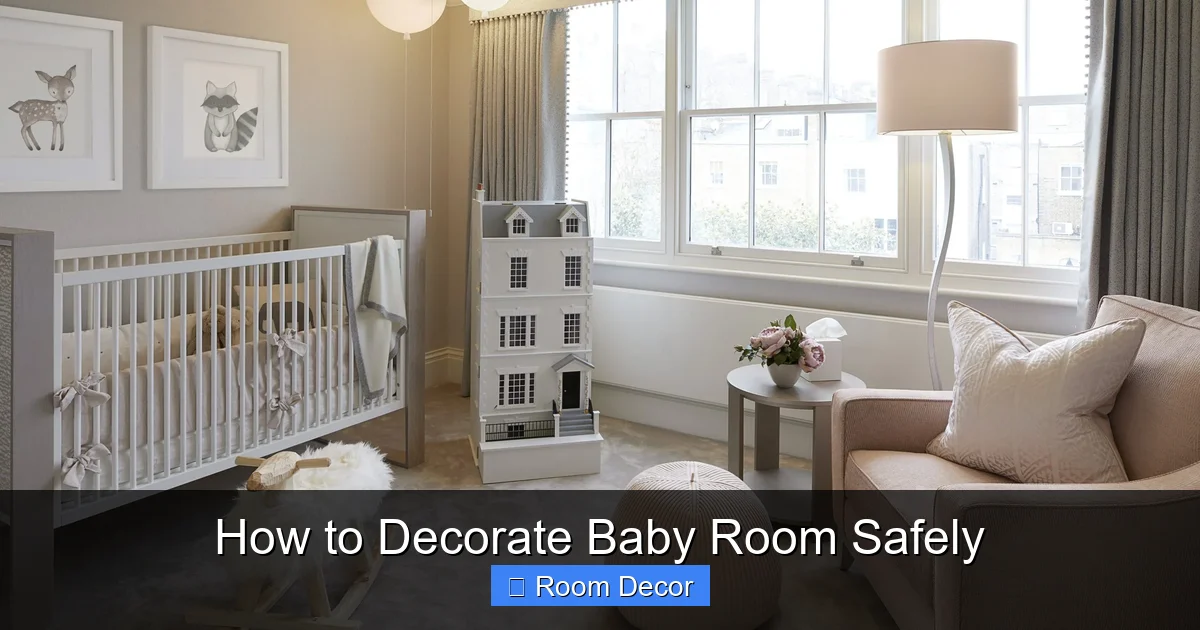
- No Heavy Items Over Crib: Avoid hanging heavy or fragile items directly above the crib, where they could fall and injure your baby. Lighter, soft wall decals or fabric banners are safer options here.
- Non-Toxic Materials: If you’re DIYing wall art, use non-toxic paints and sealants.
Window Treatments
Window treatments are a major safety concern for young children.
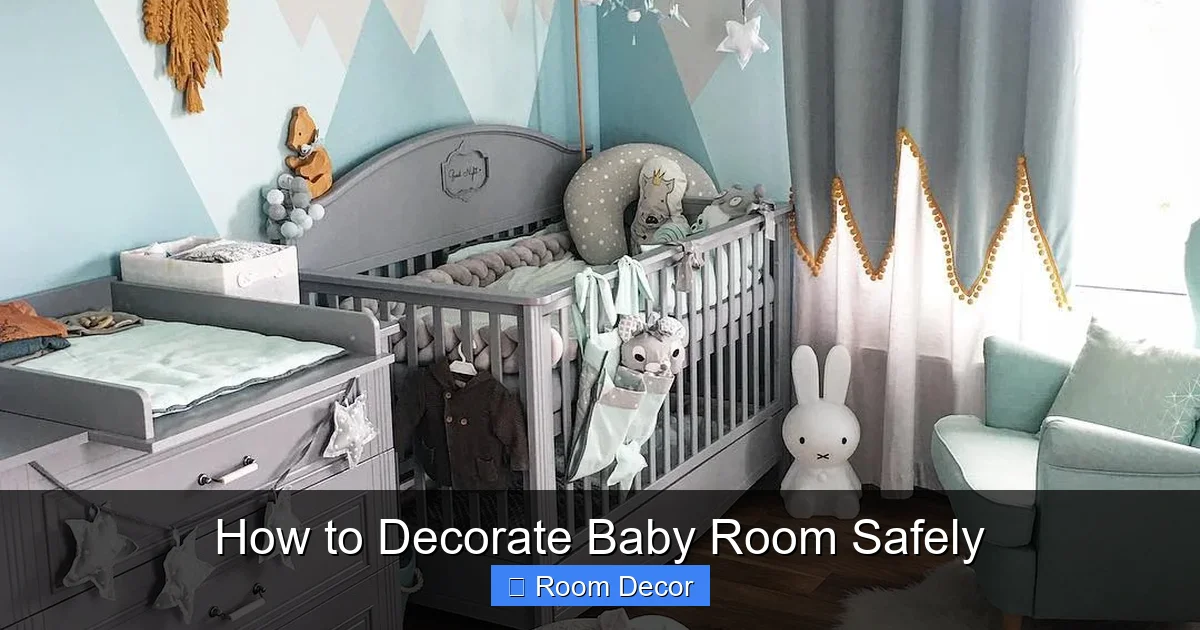
- Cordless Blinds or Shades: This is a must. Traditional blinds with long cords pose a severe strangulation risk. Opt for cordless blinds, shades, or curtains that are out of reach.
- Blackout Features: Blackout curtains or shades can help your baby sleep better by blocking out light, which is beneficial. Just ensure they are cordless.
- Anchored Hardware: Ensure curtain rods and hardware are securely installed into wall studs, especially if your baby might tug on them as they grow.
Lighting Choices
Proper lighting enhances mood and functionality while maintaining safety.
- Covered Light Sources: Ensure all light bulbs are covered by shades or fixtures to prevent curious hands from touching hot bulbs or accessing wiring.
- Cord Management: For lamps, route cords safely behind furniture and secure them to the wall or floor with cord clips. Avoid placing lamps directly next to the crib.
- Nightlights: A soft nightlight can be comforting, but ensure it’s a child-safe model that doesn’t overheat and isn’t a choking hazard.
Rugs and Flooring
The floor is where your baby will spend a lot of time playing and crawling.
- Non-Slip Backing: If you use an area rug, ensure it has a non-slip backing or use a rug pad to prevent slips and trips.
- Low Pile: A low-pile rug is easier to clean and less likely to trap dust and allergens.
- Safe Cleaning: When cleaning carpets or rugs, use child-safe, non-toxic cleaning products and ensure the room is well-ventilated during and after cleaning.
Small Decor Items and Toys
The “less is more” rule often applies here for safety.
- Out of Reach: Any small items that could be choking hazards (e.g., small figurines, delicate keepsakes) should be placed on high shelves, well out of reach.
- Age-Appropriate Toys: Ensure all toys in the nursery are age-appropriate and free from small parts, sharp edges, or loose ribbons that could pose a danger.
- Secure Storage: After playtime, ensure toys are stored securely to prevent trip hazards.
Step 4: Ensure Electrical Safety
Electrical outlets and cords are inherent hazards that must be addressed when you decorate a baby room safely.
Visual guide about How to Decorate Baby Room Safely
Image source: cdn.shopify.com
Outlet Covers and Cord Management
These are basic, but crucial, childproofing steps.
- Tamper-Resistant Outlets: Ideally, your nursery will have tamper-resistant outlets. If not, use sliding outlet covers or box-style covers that are difficult for children to remove. Avoid simple plug-in caps, as they can become choking hazards.
- Cord Management: Secure all electrical cords for lamps, baby monitors, sound machines, and other devices. Use cord clips, cable ties, or cord concealment kits to keep them hidden and out of reach. Never leave dangling cords accessible.
Appliance Placement
Consider the placement of any electronics in the room.
- Away from Crib: Keep baby monitors, humidifiers, and sound machines several feet away from the crib. Ensure their cords are fully inaccessible.
- Stable Surfaces: Place appliances on stable, secure surfaces where they can’t be easily pulled down.
Step 5: Prioritize Air Quality and Ventilation
Good indoor air quality is essential for a baby’s developing respiratory system. This is an often overlooked aspect of how to decorate a baby room safely.
Paint and Furniture Off-Gassing
New products can release chemicals into the air.
- Ventilation is Key: After painting or assembling new furniture, ventilate the room thoroughly. Open windows, use fans, and allow several weeks before your baby occupies the room. This gives VOCs and other odors time to dissipate.
- Unpack Early: If possible, unbox furniture and mattresses in a well-ventilated garage or spare room for a few days before moving them into the nursery to speed up the off-gassing process.
Air Purifiers and Humidifiers
These can help maintain a healthy environment.
- HEPA Air Purifier: Consider a quiet air purifier with a HEPA filter to remove allergens, dust, and other airborne particles. Place it strategically so your baby cannot reach it.
- Humidifier: A cool-mist humidifier can be beneficial in dry climates or during colder months, helping to prevent dry skin and ease congestion. Ensure it’s cleaned regularly to prevent mold growth and placed securely out of reach.
General Ventilation
Simple habits can make a big difference.
- Open Windows Regularly: Weather permitting, open the nursery window for a short period each day to allow fresh air in and stale air out.
- Avoid Aerosols: Limit the use of aerosol sprays, strong cleaning products, and air fresheners in the nursery.
Step 6: Ongoing Safety Checks and Maintenance
Decorating a baby room safely isn’t a one-time task; it’s an ongoing commitment as your child grows and develops.
Regular Inspections
Make a habit of regularly checking the nursery for potential hazards.
- Loose Parts: Check furniture for loose screws, bolts, or splintering wood. Tighten or repair as needed.
- Recalls: Stay informed about product recalls from the CPSC or JPMA. Register your furniture to receive direct notifications.
- Wear and Tear: Look for signs of wear and tear on cribs, changing pads, and toys. Replace damaged items promptly.
Childproofing as They Grow
Your baby’s mobility and curiosity will increase rapidly.
- Crawling and Pulling Up: As soon as your baby starts crawling or pulling up, revisit the nursery with a fresh eye. Get down on their level to spot potential dangers.
- Corner Guards: Add corner guards to sharp furniture edges.
- Door Knob Covers/Latches: Install these if you want to restrict access to certain areas or prevent your baby from wandering out.
- Toilet Lock: If a bathroom is connected, ensure the toilet is locked.
Troubleshooting: Common Mistakes to Avoid When You Decorate Baby Room Safely
Even with the best intentions, it’s easy to overlook certain safety aspects. Here are some common pitfalls to avoid:
- Overlooking Recall Lists: Don’t assume all new products are perfectly safe. Always check for current recalls on cribs, bassinets, and toys. Products that were safe a few years ago might have been recalled due to new findings or updated standards.
- Forgetting About Off-Gassing: Rushing to set up the nursery just before the baby arrives often means insufficient time for paint fumes and new furniture chemicals to dissipate. Always plan to finish major decorating several weeks in advance.
- Neglecting Cord and Window Safety: It’s easy to get caught up in aesthetics, but dangling cords from blinds, lamps, or baby monitors are serious strangulation hazards. Make cordless window treatments and thorough cord management a priority.
- Underestimating Future Mobility: Parents often childproof for a newborn, but babies grow incredibly fast. Think ahead to when your baby will be crawling, pulling up, and climbing. Anchor furniture, cover outlets, and secure anything that could be pulled down or ingested long before they reach that stage.
- Ignoring Air Quality: Beyond off-gassing, consistent indoor air quality is vital. Dust, pet dander, mold, and strong fragrances can all affect your baby’s delicate respiratory system. Ensure good ventilation, regular cleaning, and consider an air purifier.
Conclusion
Creating a nursery is a journey filled with love and anticipation. By understanding how to decorate baby room safely, you’re not just designing a pretty space; you’re building a secure, healthy, and nurturing environment for your most precious family member. From selecting certified furniture to managing air quality and childproofing proactively, every decision contributes to your baby’s well-being.
Take your time, prioritize safety, and enjoy the process. The result will be a beautiful, comforting room that fosters development and provides peace of mind for you, knowing your baby is safe and sound. Congratulations on this exciting chapter!