
Discover how to decorate your bedroom for better sleep with our comprehensive guide. Learn to transform your space into a peaceful oasis by focusing on key elements like calming colors, optimal lighting, and comfortable bedding. Follow practical steps to declutter, control temperature, and minimize noise, ensuring you create the ideal environment for deep, restorative slumber and wake up feeling refreshed.
Ever wonder why some nights you toss and turn, while others you drift off effortlessly? Your bedroom environment plays a huge role! It’s not just about having a bed; it’s about creating a true sanctuary designed for rest. If you’re struggling with sleep, it might be time to take a closer look at your surroundings. The good news is, you have the power to transform your space into a haven that practically invites sleep.
This comprehensive guide will walk you through exactly how to decorate bedroom for better sleep. We’ll cover everything from decluttering and choosing the right colors to optimizing lighting, selecting comfortable bedding, and adding those essential finishing touches. By the end, you’ll have a clear roadmap to create the perfect sleep-friendly bedroom, helping you wake up feeling refreshed and ready to tackle your day.
Key Takeaways
- Declutter and Organize: A tidy, organized bedroom creates a calm mental space, essential for winding down and achieving better sleep.
- Embrace Soothing Colors: Opt for cool, muted tones like blues, greens, and grays for walls and decor, as these colors are scientifically proven to promote relaxation.
- Optimize Lighting: Block out external light completely with blackout curtains and use soft, warm indoor lighting, avoiding blue light exposure before bedtime to signal sleep.
- Invest in Comfort: Prioritize a high-quality mattress, supportive pillows, and breathable, comfortable bedding materials to enhance physical comfort throughout the night.
- Control Environmentals: Maintain an ideal cool room temperature (60-67°F or 15-19°C) and ensure good air quality to support uninterrupted sleep.
- Minimize Noise: Reduce unwanted sounds using earplugs, white noise machines, or sound-absorbing decor, creating a peaceful and quiet sleep sanctuary.
- Personalize Thoughtfully: Add calming, personal touches like essential oil diffusers, natural plants, or cherished photos (avoiding overly stimulating decor) to enhance your room’s serenity.
Step 1: Declutter and Organize for Calm
Before you even think about paint colors or new linens, the first crucial step is to declutter. A messy, disorganized room often reflects a cluttered mind, making it harder to relax and fall asleep. Think of your bedroom as a blank canvas for sleep; clear out anything that doesn’t serve rest or relaxation.
Start with a Fresh Canvas
Begin by removing all non-essential items from your bedroom. This includes piles of clothes, stacks of books you haven’t touched in months, old magazines, and anything else that creates visual noise. If an item doesn’t contribute to comfort, peace, or sleep, it likely doesn’t belong in your sleep sanctuary. Don’t be afraid to be ruthless! The goal here is to create an open, airy feeling.
Smart Storage Solutions
Once you’ve decided what stays, invest in smart storage solutions to keep things organized and out of sight. Under-bed storage containers are excellent for extra linens or seasonal clothing. Attractive baskets can hold blankets or small items. A dresser or wardrobe should keep clothes neatly folded or hung. The key is to have a designated place for everything so that your surfaces remain clear.
Keep Surfaces Clear
Your nightstands should be home to only the absolute essentials: a lamp, an alarm clock (preferably not your phone), and maybe a glass of water or a calming book. Resist the urge to pile up mail, chargers, or other items that can create a sense of unfinished business. A clear surface promotes a clear mind, which is vital when you decorate bedroom for better sleep.
Step 2: Choose Soothing Colors
Colors have a profound psychological impact on our mood and energy levels. For a bedroom, you want colors that promote tranquility, not stimulation. Bright, bold, or highly saturated colors might be fun in a living room, but they can hinder your ability to relax and drift off to sleep.
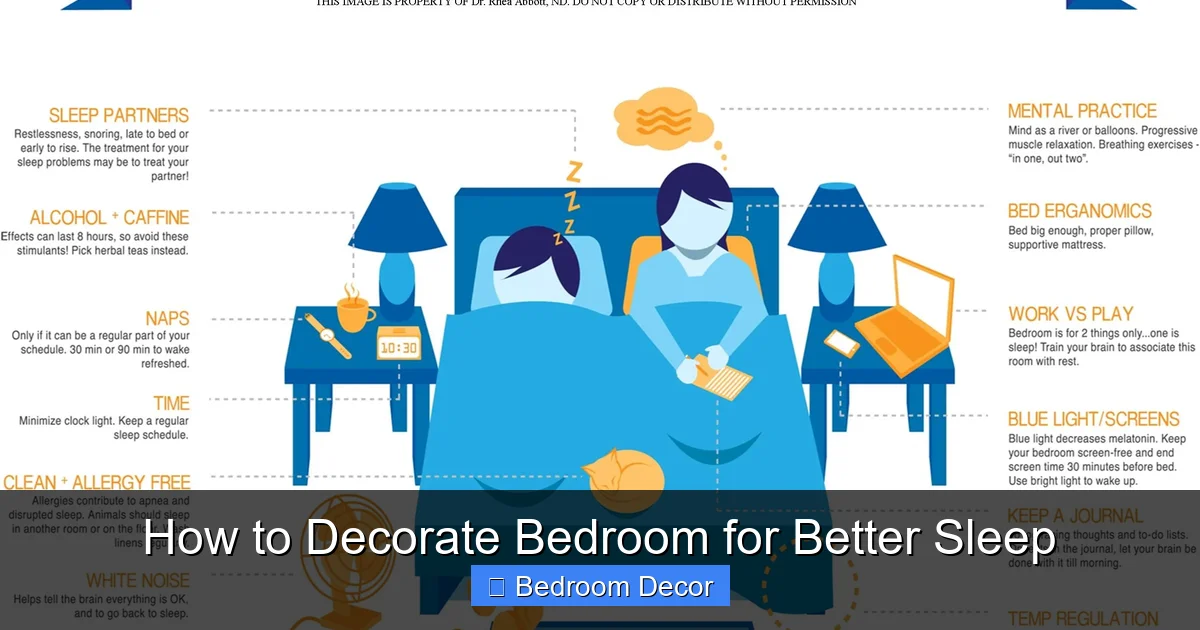
Visual guide about How to Decorate Bedroom for Better Sleep
Image source: aim4healthnw.com
The Psychology of Color
Research suggests that certain colors evoke specific emotions. Warm colors like reds and oranges can be energizing, while cool colors like blues and greens tend to be calming. When you decorate bedroom for better sleep, think about how each color makes you feel. You want a palette that whispers “rest” and “peace.”
Best Colors for Sleep
Opt for cool, muted tones. Blues are often considered the best color for a bedroom because they are associated with calmness and serenity, often lowering heart rates. Soft greens, reminiscent of nature, also create a restful environment. Light grays or subtle lavenders can also be excellent choices, promoting a sense of peace and relaxation. Aim for soft, desaturated versions of these colors rather than vibrant ones.
Accent Colors and Textiles
If painting your walls isn’t an option, you can still infuse calming colors through your textiles. Think about bedding, curtains, rugs, and decorative pillows. Choose muted versions of blues, greens, or grays for these elements. Avoid overly busy patterns or extremely bright accent colors that can be stimulating. A monochrome palette with varying textures can also create a very sophisticated and calming effect.
Step 3: Optimize Lighting for Relaxation
Light is one of the most powerful regulators of our circadian rhythm, our natural sleep-wake cycle. The right lighting in your bedroom can signal to your body that it’s time to wind down, while the wrong lighting can keep you alert and awake. This step is critical when you decorate bedroom for better sleep.

Visual guide about How to Decorate Bedroom for Better Sleep
Image source: bettersleep.org
Block Out External Light
Your bedroom should be as dark as possible when you’re trying to sleep. Even small amounts of light from streetlights, car headlights, or electronic devices can disrupt melatonin production, the hormone that helps you sleep. Invest in blackout curtains or blinds that completely block out light. Make sure they extend past the window frame to prevent light leaks. If necessary, consider an eye mask for total darkness.
Embrace Soft, Warm Lighting
During the hours leading up to bedtime, switch from bright overhead lights to softer, warmer lighting. Dimmers are a fantastic investment for overhead lights, allowing you to gradually reduce brightness. Side lamps with low-wattage bulbs (around 40-60 watts) that emit a warm, yellow or orange glow are ideal. This type of light mimics a sunset, helping your body prepare for sleep. Avoid harsh fluorescent or very bright LED lights in the evening.
Avoid Blue Light Before Bed
Blue light, emitted by smartphones, tablets, computers, and many LED screens, is particularly disruptive to sleep because it suppresses melatonin more effectively than other light wavelengths. Try to avoid screens for at least an hour, or ideally two, before bed. If you must use a screen, activate night mode settings, which shift the screen to warmer tones, or wear blue-light-blocking glasses. Creating a “no-tech zone” in your bedroom can significantly improve your sleep quality.
Step 4: Select the Right Bed and Bedding
Your bed is the centerpiece of your sleep sanctuary, and its comfort is paramount. Investing in a good quality mattress and bedding isn’t a luxury; it’s an investment in your health and well-being. This is where physical comfort directly impacts your ability to decorate bedroom for better sleep.

Visual guide about How to Decorate Bedroom for Better Sleep
Image source: bettersleep.org
Invest in a Quality Mattress and Pillows
A supportive, comfortable mattress is the foundation of good sleep. If your mattress is old (typically over 7-10 years), sagging, or causing you pain, it’s time for a replacement. There’s no one-size-fits-all, so choose a mattress that provides the right balance of support and comfort for your body type and sleep position. Similarly, select pillows that support your head and neck alignment. Side sleepers need thicker pillows, back sleepers medium, and stomach sleepers thin ones.
Choose Comfortable Bedding Materials
The feel of your sheets, duvets, and blankets can significantly impact your comfort. Opt for natural, breathable materials like cotton, linen, or bamboo. These materials help regulate body temperature by wicking away moisture and allowing air circulation, preventing you from overheating during the night. Look for high-quality fabrics that feel soft against your skin. Avoid synthetic materials that can trap heat.
Layer for Comfort
Layering your bedding allows you to adjust to temperature fluctuations throughout the night. Start with a fitted sheet, then a flat sheet, followed by a lightweight blanket or duvet. On top, you might add a throw blanket for extra warmth or texture. This approach ensures you can easily add or remove layers to stay at your optimal sleeping temperature, further enhancing your efforts to decorate bedroom for better sleep.
Step 5: Control Temperature and Air Quality
The environmental conditions of your bedroom, particularly temperature and air quality, have a direct and powerful influence on how well you sleep. Too hot, too cold, or stuffy air can all lead to restless nights.
Maintain an Ideal Room Temperature
Most sleep experts agree that the ideal bedroom temperature for sleep is between 60-67°F (15-19°C). A cooler room signals to your body that it’s time to rest and facilitates the natural drop in core body temperature that occurs before sleep. Experiment to find what works best for you within this range. Use your thermostat, open windows (if safe and quiet), or utilize a fan to achieve this coolness. Avoid setting the temperature too high, as overheating is a common cause of sleep disruption.
Improve Air Quality
Good air quality is essential for healthy sleep. Dust, allergens, and stale air can irritate airways and disrupt breathing. Regularly dust and vacuum your bedroom, especially if you have allergies. Consider an air purifier with a HEPA filter to remove airborne particles, allergens, and odors. Opening your window for a few minutes each day, even in winter, can also help circulate fresh air and prevent your room from feeling stuffy. Plants can also help filter air naturally (see Step 7).
Consider a Fan or Humidifier
Beyond cooling, a fan can provide a gentle breeze and even some soothing white noise. If you live in a dry climate or suffer from sinus issues, a humidifier can add moisture to the air, which can help prevent dry throats and nasal passages, making breathing easier and promoting more comfortable sleep. Ensure you clean humidifiers regularly to prevent mold growth.
Step 6: Minimize Noise and Create Serenity
Unwanted noise is a major culprit for disturbed sleep. Whether it’s traffic outside, noisy neighbors, or even the hum of appliances, a quiet environment is crucial for achieving deep, uninterrupted rest. When you decorate bedroom for better sleep, address noise as a primary concern.
Block Out Unwanted Sounds
Start by identifying sources of noise. If external noise is an issue, consider soundproof curtains (which also help with light!) or weather stripping around windows and doors to seal gaps. Earplugs can be incredibly effective for blocking out persistent sounds. If you share a wall with a noisy neighbor, arranging furniture against that wall can sometimes help absorb sound. Thick rugs and heavy drapes also help absorb sound within the room, making it feel quieter.
Introduce Calming Sounds (Optional)
While blocking noise is key, some people find that introducing consistent, calming sounds can actually promote sleep. A white noise machine or a fan can mask disruptive peak noises (like a car horn or a sudden bang) by providing a steady, gentle hum. Some people also enjoy nature sounds, such as gentle rain or ocean waves. Experiment to see if a consistent ambient sound helps you tune out distractions and fall asleep more easily.
Create a “No-Tech Zone”
As mentioned with blue light, electronic devices often bring with them notifications, vibrations, and the temptation to check emails or social media. Make your bedroom a sanctuary free from these distractions. Charge your phone outside the bedroom or at least across the room, out of reach. Resist the urge to have a TV in the bedroom. If you must have one, ensure it’s off well before bedtime. Your bedroom should be a place for rest and intimacy, not digital stimulation.
Step 7: Add Comforting Touches and Personalization
Once the foundational elements are in place, it’s time to add those final touches that make your bedroom feel truly inviting and personalized for relaxation. These details help solidify your efforts to decorate bedroom for better sleep.
Incorporate Scents for Sleep
Aromatherapy can be a powerful tool for relaxation. Certain essential oils are known for their calming properties. Lavender is perhaps the most famous, promoting relaxation and reducing anxiety. Chamomile, cedarwood, and bergamot are also excellent choices. Use an essential oil diffuser (with a timer, so it turns off after you fall asleep), a linen spray, or a sachet tucked under your pillow. Just make sure the scent isn’t too overpowering, as that can be counterproductive.
Bring in Natural Elements
Connecting with nature can have a calming effect. Incorporate natural elements into your decor. A few well-chosen plants not only add visual appeal but can also improve air quality by filtering toxins (e.g., snake plant, peace lily). Just ensure they are non-toxic if you have pets. Wooden furniture, natural fiber rugs, and even artwork depicting serene landscapes can help bring a sense of the outdoors in, fostering tranquility.
Personalize Thoughtfully
While decluttering is important, your bedroom should still feel like *your* space. Add a few cherished, calming items. This might be a favorite piece of art (opt for serene, abstract, or landscape themes), a soft throw blanket, or a small collection of meaningful photos. However, be mindful not to overcrowd surfaces or choose items that are too stimulating or create a sense of obligation. The goal is personal comfort and peace, not visual clutter.
Troubleshooting Common Sleep Decor Issues
Even with the best intentions, you might face some challenges. Here are a few common issues and how to address them.
Still Can’t Sleep?
If you’ve implemented many of these changes and still struggle, don’t despair. Re-evaluate each step. Is your room *truly* dark? Is the temperature *consistently* cool? Are you *really* avoiding screens before bed? Sometimes, a small oversight can make a big difference. Consider keeping a sleep journal to track what changes seem to help most. If persistent sleep issues continue, consult a healthcare professional, as underlying medical conditions could be at play.
Budget Constraints?
Transforming your bedroom doesn’t have to break the bank. Start with free steps like decluttering and rearranging existing furniture. Then prioritize: blackout curtains are often a cost-effective solution for light. Thrift stores or DIY projects can provide inexpensive decor. Focus on one major improvement at a time, like new pillows or a soothing paint color, rather than trying to do everything at once. Small, consistent changes can lead to significant improvements in how you decorate bedroom for better sleep.
Conclusion
Creating a bedroom designed for better sleep is a powerful act of self-care. By following these steps – from decluttering and choosing calming colors to optimizing light, investing in comfort, controlling environmentals, minimizing noise, and adding thoughtful touches – you can transform your space into a true sanctuary. Remember, small changes can lead to significant improvements in your sleep quality and, by extension, your overall health and well-being.
Take your time, implement these tips gradually, and observe how your body and mind respond. Soon, you’ll be enjoying the deep, restorative sleep you deserve, waking up each morning feeling refreshed, energized, and ready to embrace the day. Your journey to decorate bedroom for better sleep starts now!