Ready to create a peaceful, restorative haven? This guide shows you how to decorate bedroom naturally, focusing on sustainable choices and elements inspired by the outdoors. Discover how to incorporate natural materials, calming colors, and vibrant plants to transform your sleep space into an eco-friendly sanctuary that promotes well-being and tranquility.
How to Decorate Bedroom Naturally
Have you ever walked into a room and immediately felt a sense of calm and peace? Often, these spaces are designed with nature in mind. Our bedrooms are our sanctuaries, places where we unwind, recharge, and dream. So, it makes perfect sense to decorate bedroom naturally, creating an environment that supports rest, relaxation, and overall well-being. Ditching synthetic materials and harsh chemicals for organic textures, earthy tones, and living elements can transform your sleeping space into a true haven.
This comprehensive guide will walk you through every step of how to decorate bedroom naturally. We’ll explore everything from choosing the right materials and colors to incorporating plants and sustainable lighting. By the end, you’ll have a clear roadmap to creating a beautiful, eco-friendly, and profoundly calming bedroom that you’ll love retreating to every single day. Let’s dive in and discover how easy and rewarding it can be to decorate bedroom naturally.
Key Takeaways
- Embrace Natural Materials: Prioritize furniture, bedding, and decor made from sustainable sources like solid wood, organic cotton, linen, jute, and bamboo to reduce your environmental footprint and enhance indoor air quality.
- Cultivate a Calming Color Palette: Select earthy tones, soft neutrals, and colors inspired by nature (greens, blues, warm browns) to create a serene and visually soothing atmosphere that aids relaxation.
- Integrate Biophilic Design: Bring the outdoors in with living houseplants to purify the air and add a touch of vibrant life, and maximize natural light to boost mood and energy.
- Focus on Simplicity and Decluttering: A natural bedroom aesthetic thrives on minimalism. Regularly declutter to create a sense of spaciousness and calm, allowing the natural elements to truly shine.
- Prioritize Air Quality and Natural Scents: Ensure good ventilation and use natural air purifiers (plants, essential oils) while avoiding synthetic fragrances to maintain a fresh, healthy breathing environment.
- Choose Eco-Friendly Lighting: Opt for energy-efficient LED bulbs with warm color temperatures and fixtures made from natural materials to create a cozy ambiance that complements your natural decor.
- Personalize with Authentic Accents: Add personality with art inspired by nature, handcrafted items, and found objects that resonate with you, maintaining the natural and sustainable theme.
Step 1: Start with a Clean Slate – Declutter and Purify
Before you even think about new decor, the first and most crucial step to decorate bedroom naturally is to clear out the old. A cluttered space can lead to a cluttered mind, hindering relaxation.
Clear Out the Unnecessary
Take a good look around your bedroom. What items do you truly need? What brings you joy? What has a designated home? Be honest with yourself. Get rid of anything that doesn’t serve a purpose or bring you happiness. This includes old clothes, books you won’t read again, knick-knacks that just collect dust, and anything broken or unused. Donate, recycle, or properly dispose of these items. A minimalist approach allows the natural elements you introduce to truly stand out and contributes to a feeling of spaciousness and calm, which is essential when you decorate bedroom naturally.
Deep Clean and Purify the Air
Once decluttered, give your bedroom a thorough deep clean. Dust surfaces, vacuum carpets (or sweep and mop hard floors), and wash your windows. Use natural, non-toxic cleaning products to avoid introducing harsh chemicals. Good indoor air quality is paramount when you decorate bedroom naturally. Open your windows regularly to allow fresh air to circulate, especially during and after cleaning. Consider investing in a high-quality air purifier for extra clean air, or simply add some air-purifying houseplants (we’ll get to those soon!). Avoid synthetic air fresheners; instead, opt for essential oil diffusers with calming scents like lavender or cedarwood.
Step 2: Choose a Natural Color Palette
Visual guide about How to Decorate Bedroom Naturally
Image source: i.pinimg.com
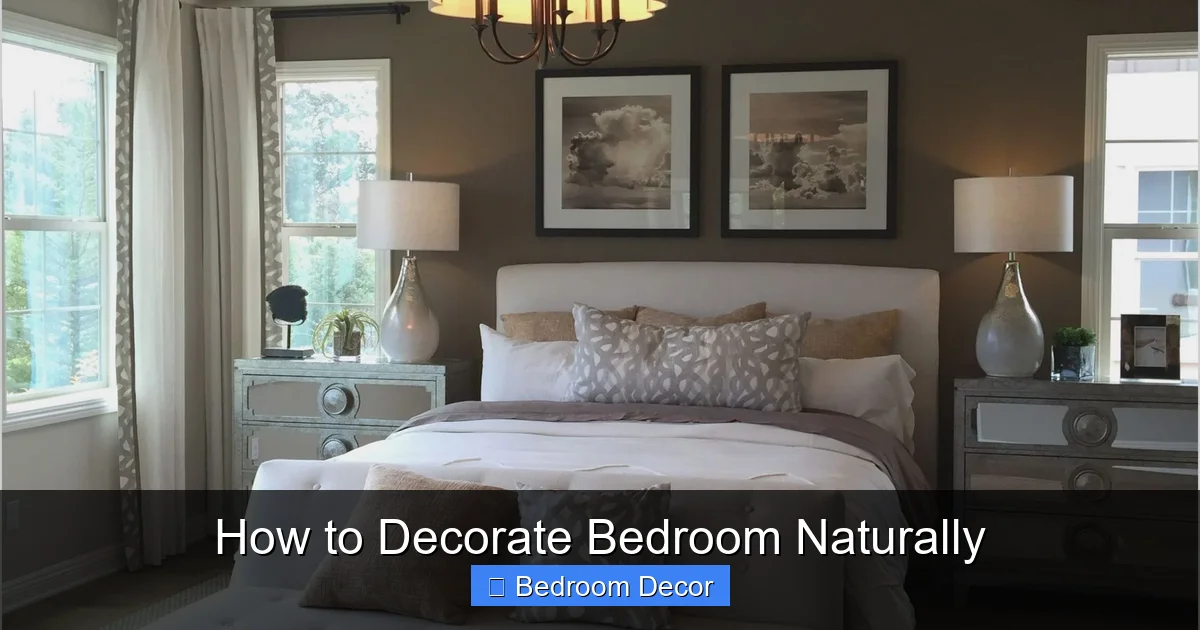
The colors in your bedroom have a powerful impact on your mood. When you decorate bedroom naturally, draw inspiration directly from the natural world to create a soothing and harmonious environment.
Embrace Earth Tones and Neutrals
Think about serene landscapes: the soft greens of a forest, the calming blues of the sky and ocean, the warm browns of wood and soil, and the comforting whites and creams of clouds. These are your ideal starting points.
- Soft Whites and Creams: These create a bright, airy, and expansive feel, perfect for a fresh start. They also act as an excellent backdrop for other natural elements.
- Warm Grays: Opt for grays with a hint of brown or green, rather than stark, cold grays, to maintain a welcoming atmosphere.
- Muted Greens: Sage, olive, and moss green evoke feelings of growth and renewal, connecting you to nature.
- Calming Blues: Sky blue or a dusty blue can promote relaxation and peace, reminiscent of open skies or tranquil waters.
- Earthy Browns and Terracottas: These add warmth, grounding, and a connection to the earth. Use them for accent walls, furniture, or textiles.
Inspiration from Nature
Don’t be afraid to look outside your window for inspiration. What colors do you see? A rocky beach, a misty forest, a sunny meadow – each offers a unique palette. Gather images that resonate with you and use them as a guide to help you decorate bedroom naturally. The goal is to create a cohesive and calming scheme that feels organic and effortless.
Step 3: Embrace Natural Materials for Furniture

Visual guide about How to Decorate Bedroom Naturally
Image source: thespruce.com
The foundation of a natural bedroom lies in its furniture. Say goodbye to particleboard and synthetic finishes. When you decorate bedroom naturally, prioritize solid, sustainably sourced materials.
Opt for Solid Wood Furniture
Solid wood is durable, beautiful, and brings a sense of warmth and authenticity to your space.
- Sustainable Choices: Look for furniture made from reclaimed wood or certified sustainable timber (e.g., FSC certified). Pine, oak, maple, and cherry are excellent choices.
- Minimal Finishes: Choose pieces with natural oil or wax finishes rather than heavy lacquers that can off-gas volatile organic compounds (VOCs). Exposed, raw wood can be incredibly beautiful and textural when you decorate bedroom naturally.
- Types of Furniture: Consider a solid wood bed frame, nightstands, and a dresser. Their inherent beauty often means they need little embellishment.
Explore Rattan, Wicker, and Bamboo
These lightweight, textural materials add an organic, bohemian, and airy feel. They are often rapidly renewable and bring a lovely natural touch.
- Beds and Headboards: Rattan or bamboo headboards can be stunning focal points.
- Accent Pieces: Wicker baskets for storage, a bamboo chair, or a small rattan side table can complete the look.
Avoid Synthetics and Heavily Processed Materials
When aiming to decorate bedroom naturally, steer clear of furniture made from MDF, particleboard, or items with synthetic veneers and plastic components. These often contain glues and chemicals that can impact indoor air quality.
Step 4: Integrate Biophilic Design – Bring Nature Indoors

Visual guide about How to Decorate Bedroom Naturally
Image source: aspacetocallhome.com
Biophilic design is the concept of connecting building occupants more closely to nature. Incorporating living elements is one of the most effective ways to decorate bedroom naturally.
Welcome Houseplants
Plants are not just decorative; they purify the air, boost mood, and add vibrant life to any room.
- Air-Purifying Heroes: Snake plants, ZZ plants, Pothos, Peace Lilies, and Spider plants are excellent choices for the bedroom as they can filter toxins from the air.
- Calming Presence: Lavender and chamomile plants offer natural calming scents. Be mindful of pollen if you have allergies.
- Placement: Place plants on nightstands, dressers, or on shelves. Consider hanging plants to save floor space. Ensure they receive adequate light for their species.
- Natural Planters: Use ceramic, terracotta, or woven baskets for planters to continue the natural theme.
Maximize Natural Light
Natural light is a powerful mood enhancer and energy booster.
- Window Treatments: Opt for sheer curtains made from linen or organic cotton to allow maximum light penetration while still offering some privacy. For total darkness during sleep, layer with blackout curtains made from natural fibers or with natural linings.
- Mirror Placement: Strategically place mirrors opposite windows to reflect natural light and make the room feel larger and brighter.
- Keep Windows Unobstructed: Avoid placing tall furniture or heavy drapes that block windows. The more natural light, the better when you want to decorate bedroom naturally.
Consider Natural Views (If Possible)
If you’re lucky enough to have a window with a pleasant view of trees or a garden, make the most of it. Arrange your bed to face it, or create a cozy reading nook by the window. Even a small potted plant on the windowsill can connect you to the outdoors.
Step 5: Add Organic Textiles and Textures
The textiles you choose for your bedroom dramatically impact its comfort and aesthetic. To decorate bedroom naturally, focus on softness, breathability, and sustainability.
Sustainable Bedding is Key
Your bed is the focal point of your bedroom, and its textiles should be both luxurious and natural.
- Organic Cotton: Soft, breathable, and free from harmful pesticides and chemicals. Look for GOTS (Global Organic Textile Standard) certified cotton.
- Linen: Made from flax, linen is incredibly durable, breathable, and gets softer with every wash. Its slightly wrinkled texture adds a relaxed, natural elegance.
- Hemp: Similar to linen, hemp is a sustainable fiber that is strong, breathable, and has a lovely natural drape.
- Bamboo: Known for its silky softness and moisture-wicking properties, bamboo is another eco-friendly option.
- Wool: For blankets and throws, responsibly sourced wool offers warmth, breathability, and natural temperature regulation.
Natural Rugs and Floor Coverings
Rugs add warmth, define spaces, and introduce another layer of texture.
- Jute and Sisal: These natural fibers are incredibly durable, textural, and bring an earthy feel. They are perfect for layering or as standalone rugs.
- Wool Rugs: Choose undyed or naturally dyed wool rugs for a soft, comfortable, and sustainable option.
- Bamboo or Cork Flooring: If you’re undertaking a larger renovation, consider these sustainable and beautiful alternatives to synthetic carpets.
Cozy Throws and Pillows
Layering with throws and decorative pillows adds comfort and visual interest.
- Materials: Stick to organic cotton, linen, wool, or even faux fur made from plant-based fibers (if you like the look).
- Textures: Mix different textures – a chunky knit throw with smooth linen pillows – to create depth and a tactile experience.
Step 6: Select Eco-Friendly Lighting
Lighting sets the mood, and when you decorate bedroom naturally, you want a warm, inviting glow that promotes relaxation, not harsh brightness.
Soft, Warm Glow
- LED Bulbs: Choose energy-efficient LED bulbs with a warm color temperature (around 2700K-3000K) to emit a cozy, inviting light rather than a stark, cool white.
- Dimmers: Install dimmer switches on overhead lights and lamps to control the intensity of light, allowing you to create different moods throughout the day and evening.
- Multiple Light Sources: Instead of one bright overhead light, use a combination of bedside lamps, a floor lamp, and perhaps some soft string lights to create layers of light.
Fixtures from Natural Materials
Your light fixtures can also contribute to the natural aesthetic.
- Wood and Bamboo: Lamps with bases or shades made from wood, bamboo, or rattan fit perfectly with a natural theme.
- Ceramic and Terracotta: These materials add an earthy, handcrafted feel to lamps.
- Paper Shades: Japanese-inspired paper lanterns or shades offer a soft, diffused light and a minimalist, natural look.
Step 7: Personalize with Natural Accents
Now comes the fun part: adding the finishing touches that make the space uniquely yours, while staying true to the goal to decorate bedroom naturally.
Art Inspired by Nature
- Botanical Prints: Framed pressed leaves, botanical illustrations, or photos of flowers and plants.
- Landscape Photography: Serene images of forests, mountains, beaches, or starry skies.
- Abstract Nature: Art that evokes natural forms or colors without being overtly representational.
- Wooden or Macrame Wall Hangings: Add texture and warmth to your walls.
Found Objects and Handcrafted Items
- Stones, Shells, Branches: Collect beautiful objects from nature (responsibly!) and display them in simple bowls or on shelves.
- Hand-Thrown Pottery: Vases, bowls, or mugs made by local artisans.
- Driftwood: A piece of driftwood can become a unique sculptural element.
- DIY Projects: Create your own natural decor, like a simple branch mobile or a woven wall hanging.
Minimize Clutter with Storage
Even with natural accents, it’s easy for small items to accumulate. Use natural storage solutions like woven baskets, wooden boxes, or ceramic jars to keep things tidy and reinforce the aesthetic.
Step 8: Maintain and Adapt Your Natural Sanctuary
Creating a natural bedroom is not a one-time event; it’s an ongoing process of care and adaptation.
Regular Cleaning with Natural Products
Continue to use eco-friendly cleaning solutions to maintain the purity of your space. Regularly dust, vacuum, and air out your room. Fresh air is vital for a natural home.
Seasonal Adjustments
Embrace the changing seasons. In winter, you might add heavier wool throws and cozy lighting. In summer, switch to lighter linen bedding and open windows more often. This keeps your space feeling fresh and connected to the rhythms of nature.
Continuous Improvement
As you learn more about sustainable living, you might discover new materials or practices. Don’t be afraid to gradually swap out items for even more eco-friendly alternatives. Your natural bedroom is a living space, constantly evolving to better support your well-being.
Troubleshooting Your Natural Bedroom Decor
Even with the best intentions, you might run into a few challenges when you decorate bedroom naturally. Here are some common issues and their natural solutions:
My Bedroom is Small/Dark – How Can I Make it Feel Natural?
- Light Colors: Stick to the lightest natural color palette (whites, creams, very pale greens) to make the room feel larger and brighter.
- Mirrors: As mentioned, strategically placed mirrors can reflect light and create the illusion of more space.
- Vertical Space: Use wall-mounted shelves for plants and decor instead of taking up precious floor space. Hang lightweight curtains high and wide to make windows appear larger.
- Artificial Plants (Sparingly): If natural light is truly non-existent for live plants, a very high-quality artificial plant made from sustainable materials can work, but prioritize real ones if possible.
- Smart Lighting: Focus on layering soft, warm LED lights to create a cozy, inviting ambiance, even without much natural light.
I’m on a Budget – How Can I Decorate Naturally Without Breaking the Bank?
- Thrift and Second-Hand: Look for solid wood furniture at thrift stores, flea markets, or online marketplaces. A little sanding and natural oil can bring old pieces back to life.
- DIY Projects: Get crafty! Create your own wall art from natural elements, upcycle old jars into natural planters, or make simple linen cushion covers.
- Focus on Key Items: Prioritize one or two natural elements that will make the biggest impact, like organic bedding or a beautiful houseplant, and build from there.
- Borrow from Nature: Decorate with free elements like interesting rocks, shells, or branches collected responsibly from walks.
- Seasonal Swaps: Instead of buying new, move plants or decor from other rooms into the bedroom to refresh the look.
How Do I Incorporate Natural Elements Without My Room Looking Too “Boho” or Rustic?
- Modern Shapes: Choose furniture with clean lines and contemporary silhouettes, even if it’s made from natural wood.
- Monochromatic Palette: Stick to a single color family (e.g., all whites and creams with varying textures) for a sophisticated, minimalist look.
- Less is More: Embrace a minimalist approach. A few well-chosen natural pieces will have more impact than many cluttered items.
- Subtle Textures: Instead of overtly rustic elements, opt for refined natural textures like finely woven linen, smooth polished wood, or subtly textured ceramics.
- Balance: Mix natural elements with a few modern, non-natural pieces that you already own and love, ensuring they don’t contain harsh chemicals. The key is balance to decorate bedroom naturally with a modern twist.
Conclusion
Learning how to decorate bedroom naturally is an investment in your health, happiness, and the planet. By consciously choosing sustainable materials, inviting the beauty of the outdoors inside, and creating a space free from unnecessary clutter and toxins, you build more than just a beautiful room. You create a true sanctuary, a place where you can genuinely relax, recharge, and feel connected to the world around you.
Remember, the journey to decorate bedroom naturally is personal and can evolve over time. Start with small changes, focus on what resonates with you, and enjoy the process of transforming your bedroom into a peaceful, healthier, and utterly natural retreat. Your body and mind will thank you for it.