
Ready to transform your personal space? This comprehensive guide will show you how to decorate bedroom step by step, taking the guesswork out of creating a beautiful and functional sanctuary. From discovering your unique style and planning your layout to choosing colors, furniture, and the perfect finishing touches, you’ll learn everything you need to know. Get ready to design a bedroom that truly reflects you and offers ultimate comfort.
Key Takeaways
- Start with a Vision & Budget: Before buying anything, define your desired style and overall mood. Create a mood board and set a realistic budget to guide your decisions and prevent overspending.
- Declutter First: A clean slate is essential. Remove unnecessary items and deep clean your bedroom to create a fresh canvas for your decorating journey. This step simplifies planning and makes room for new elements.
- Plan Your Layout Thoughtfully: Functionality is key. Measure your space and furniture, then sketch out different layouts. Prioritize the bed’s placement and ensure there’s clear flow and accessibility.
- Layer Colors & Textures: Your color palette sets the mood. Choose 2-3 main colors and layer them through paint, bedding, rugs, and curtains. Incorporate various textures for warmth and visual interest.
- Prioritize Lighting: Good lighting is crucial for comfort and ambiance. Combine ambient (overhead), task (reading lights), and accent (decorative) lighting to create a versatile and inviting atmosphere.
- Personalize with Purpose: Your bedroom should reflect *you*. Incorporate artwork, photos, plants, and meaningful decor that tells your story and makes the space feel uniquely yours, avoiding clutter.
- Take Your Time & Enjoy: Decorating is a process, not a race. Enjoy each step, test ideas, and don’t be afraid to make adjustments. The goal is to create a comfortable, functional, and aesthetically pleasing sanctuary.
How to Decorate Bedroom Step by Step
Your bedroom isn’t just a place to sleep; it’s your personal sanctuary, a space where you can relax, recharge, and truly be yourself. If you’ve been dreaming of a bedroom makeover but feel overwhelmed by where to start, you’re in the right place! This comprehensive guide will walk you through exactly how to decorate bedroom step by step, transforming it from ordinary to extraordinary. We’ll cover everything from defining your style and planning your layout to choosing colors, furniture, and those all-important finishing touches. By the end, you’ll have a beautifully decorated bedroom that reflects your personality and offers ultimate comfort.
Ready to create the bedroom of your dreams? Let’s dive in!
Step 1: Define Your Vision & Set a Budget
Before you even think about paint swatches or new furniture, the first crucial step to decorate bedroom spaces effectively is to clearly define what you want and how much you’re willing to spend. This foundational planning will save you time, money, and potential frustration down the line.
Discover Your Style
What kind of mood do you want your bedroom to evoke? Do you crave a calm, minimalist retreat, a cozy and rustic haven, or a vibrant, modern statement? Think about styles that resonate with you: modern, traditional, bohemian, farmhouse, Scandinavian, industrial, eclectic, or a mix of a few. Browse home decor magazines, Pinterest, Instagram, or even online furniture stores for inspiration. Save images of bedrooms that catch your eye. Pay attention to common themes in colors, furniture styles, textures, and overall vibe.
Create a Mood Board
A mood board is an invaluable tool when you decorate bedroom areas. It’s a visual collage of all your inspirations. You can create a physical board with clippings from magazines, fabric swatches, and paint chips, or a digital one using platforms like Pinterest. Include furniture styles, color palettes, textures, lighting ideas, and accessories. This helps you visualize how all the elements will work together and ensures a cohesive look.
Establish Your Budget
Decorating a bedroom can range from a budget-friendly refresh to a complete overhaul. Be realistic about how much you can comfortably spend. Break down your budget by categories: paint, furniture (bed, nightstands, dresser), bedding, lighting, window treatments, rugs, and decor. Knowing your budget upfront will help you make smarter choices and prioritize where to splurge and where to save. For example, you might invest in a quality mattress and headboard, but opt for more affordable bedside lamps or DIY decor.
Step 2: Declutter, Depersonalize, & Deep Clean
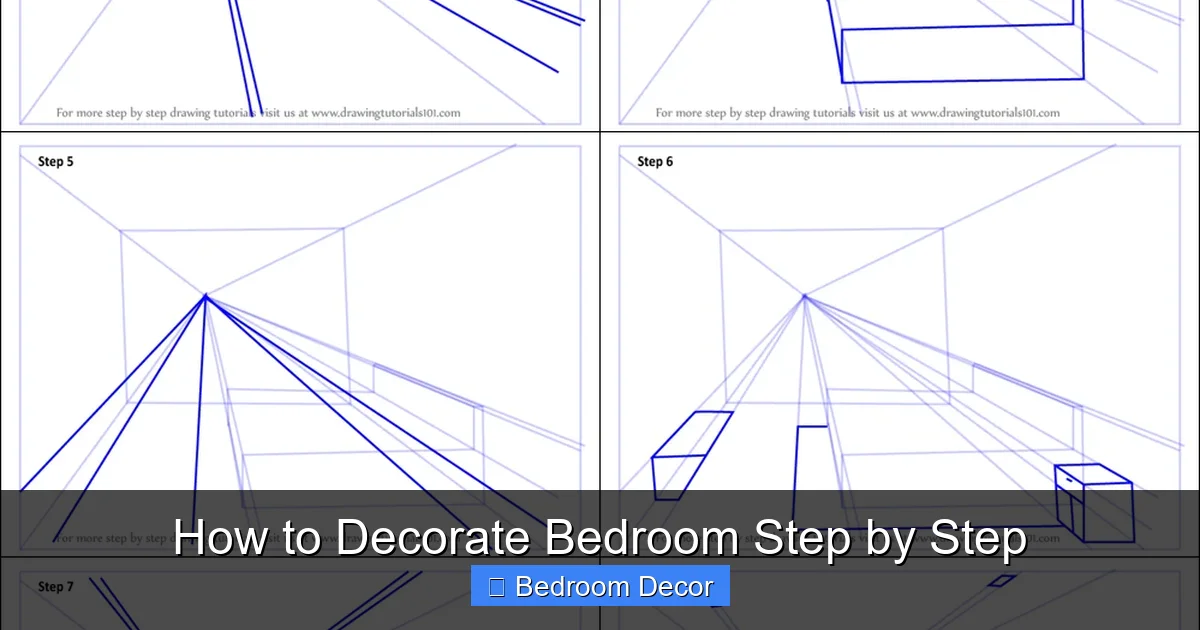
Think of your bedroom as a blank canvas. To truly decorate bedroom spaces, you need to start fresh. This means clearing out the old before bringing in the new.
Visual guide about How to Decorate Bedroom Step by Step
Image source: drawingtutorials101.com
The Big Purge
Go through everything in your bedroom – clothes, books, old decor, forgotten items. Be honest with yourself: do you use it? Do you love it? If not, it’s time to declutter. Sort items into categories: keep, donate, sell, or throw away. A less cluttered space instantly feels more serene and makes it easier to visualize your new decor. Remember, a well-decorated room isn’t just about what you add, but also what you thoughtfully remove.
Deep Clean Your Canvas
Once decluttered, give your bedroom a thorough deep clean. Dust all surfaces, vacuum or mop the floors, clean windows, and wipe down walls. A sparkling clean room is the perfect foundation for any decorating project. It also helps to eliminate any lingering odors and allergens, creating a truly fresh start.
Step 3: Map Out Your Layout & Furniture Placement
Functionality and flow are paramount when you decorate bedroom areas. A beautiful room that’s hard to move around in isn’t truly successful.
Visual guide about How to Decorate Bedroom Step by Step
Image source: i.pinimg.com
Consider Functionality and Flow
How do you use your bedroom? Is it just for sleeping, or do you also read, work, or relax there? Your layout should support these activities. The main goal is to create clear pathways and ensure all furniture pieces serve a purpose without overwhelming the space. Think about traffic patterns – how you walk from the door to your bed, to your closet, etc.
Measure Everything
Before buying any new furniture, measure your bedroom dimensions carefully. Note the placement of windows, doors, outlets, and radiators. Also, measure any existing furniture you plan to keep. This prevents frustrating surprises like a dresser that won’t fit or a bed that blocks a window. You can use masking tape on the floor to visualize furniture sizes.
Experiment with Layouts
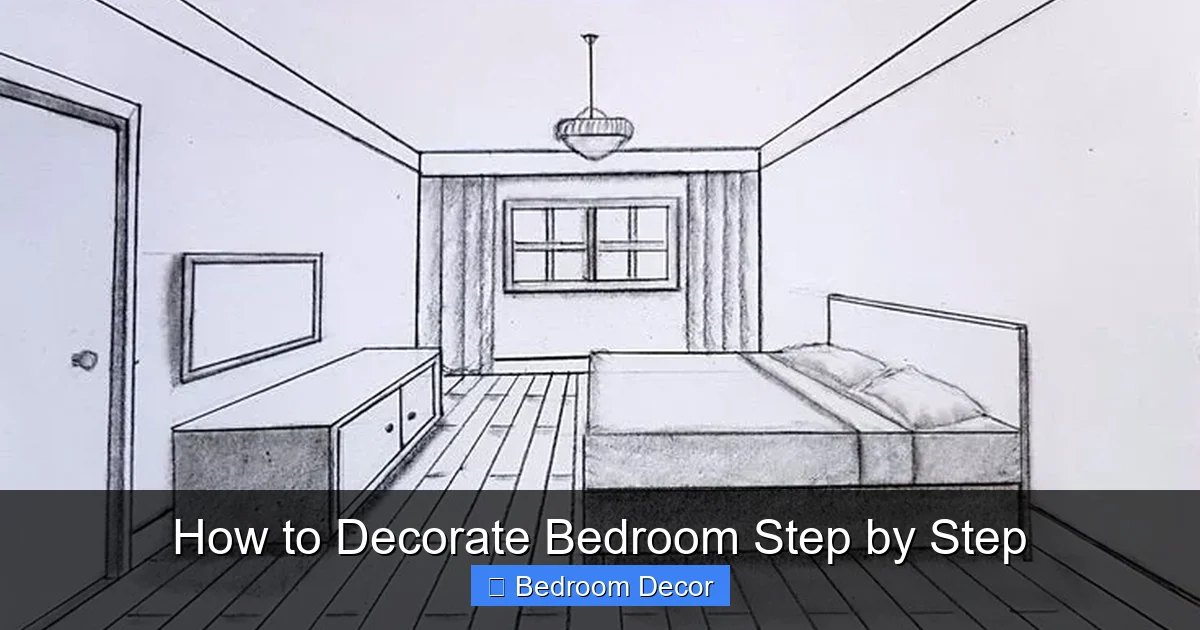
The bed is usually the focal point of the bedroom, so its placement is crucial. Ideally, place the headboard against the largest wall, not under a window (if possible, to avoid blocking natural light or heat) or directly facing the door (for a sense of privacy). Try sketching different layouts on graph paper or using online room planner tools. Consider what feels balanced and allows for easy movement.
Step 4: Choose Your Color Palette
Color is one of the most powerful tools you have when you decorate bedroom spaces. It sets the mood, influences emotions, and can make a room feel larger or cozier.
Understand Color Psychology
Warm colors (reds, oranges, yellows) can create a vibrant, energetic feel, but might be too stimulating for a bedroom. Cool colors (blues, greens, purples) are often calming and serene, making them popular choices for bedrooms. Neutrals (grays, beiges, whites) provide a versatile backdrop that allows other elements to stand out. Consider a main color, a secondary color for accents, and a neutral for balance.
Test Your Colors
Never choose a paint color based solely on a small swatch. Paint large swatches directly on your walls (or on large pieces of poster board that you can move around). Observe how the colors look at different times of day, under natural and artificial light. Light can drastically change how a color appears. Live with the swatches for a few days before making a final decision.
Don’t Forget the Ceiling
While often overlooked, the ceiling is the fifth wall! Painting it a lighter shade than your walls can make the room feel taller and more open. A subtle tint of your wall color or a soft, calming shade can add an unexpected layer of interest and sophistication to your bedroom decor.
Step 5: Select & Arrange Core Furniture
Now that your foundation is set, it’s time to bring in the essential pieces. When you decorate bedroom areas, think about comfort, scale, and storage.
The Bed: Your Anchor Piece
Your bed is the undeniable star of the bedroom. Choose a bed frame and headboard that align with your chosen style and budget. Consider the scale of the bed in relation to your room size – a king-sized bed can overwhelm a small room. Ensure your mattress is comfortable and supportive, as this is where you’ll be spending a third of your life! For extra storage, consider a bed with built-in drawers or a lift-up frame.
Nightstands, Dressers, & Storage
Nightstands: Choose nightstands that are roughly the same height as your mattress (or slightly higher) for easy access to items. They should be proportionate to your bed and provide enough surface area for a lamp, book, and perhaps a glass of water. If space is tight, floating shelves or a small stool can serve as nightstands.
Dresser/Armoire: Select a dresser that offers ample storage for your clothes. Again, consider the scale of the room. A tall, narrow dresser might work better in a smaller space than a long, wide one. An armoire can provide both hanging and folded storage if you lack closet space.
Wardrobe/Closet System: If your bedroom lacks a built-in closet or needs more organization, a freestanding wardrobe or a custom closet system can be a game-changer. These pieces can be stylish and highly functional, helping you keep your space tidy and clutter-free.
Add Seating or Desks
If space allows, adding a small accent chair, bench at the foot of the bed, or a chic desk can enhance the functionality of your bedroom. A comfortable chair provides a spot for reading or putting on shoes, while a desk can create a dedicated workspace. Choose pieces that complement your overall style and don’t overcrowd the room.
Step 6: Layer Lighting for Ambiance & Function
Lighting is crucial for setting the mood and ensuring your bedroom is practical. When you decorate bedroom spaces, aim for a layered lighting scheme.
Ambient Lighting
This is your general room illumination. A ceiling fixture (like a flush mount, semi-flush mount, or chandelier) provides overall brightness. Consider a dimmer switch to adjust the intensity and create different moods. Recessed lighting can also provide subtle, even illumination.
Task Lighting
This lighting is focused on specific activities. Bedside lamps are essential for reading in bed. A desk lamp is needed if you have a workspace. Ensure these lights are bright enough for their purpose without being harsh.
Accent Lighting
This type of lighting highlights features or adds decorative flair. Think about wall sconces, picture lights to showcase artwork, or even LED strips behind your headboard for a soft glow. Accent lighting adds depth and warmth, making your bedroom feel more inviting and sophisticated.
Step 7: Introduce Textiles & Soft Furnishings
Textiles add warmth, texture, color, and comfort – essential elements when you decorate bedroom sanctuaries. They can dramatically change the feel of a room.
Bedding: Comfort and Style
Invest in high-quality bedding. Start with comfortable sheets, then choose a duvet cover or comforter that aligns with your color palette and style. Layering is key: add a quilt or throw blanket for extra warmth and visual interest. Don’t forget pillows – decorative throw pillows can instantly elevate the look of your bed. Mix and match textures and patterns within your chosen palette.
Window Treatments: Privacy and Aesthetics
Window treatments are functional and decorative. They provide privacy, block light, and add a layer of softness. Options include curtains, blinds, shades, or a combination. Curtains hung high and wide can make a window appear larger and ceilings taller. Choose fabrics and colors that complement your overall scheme. Sheer curtains can offer privacy while still letting in natural light, while blackout curtains are perfect for deeper sleep.
Rugs: Warmth and Texture
An area rug can define the sleeping zone, add warmth underfoot, and introduce color and pattern. Choose a rug size that extends beyond your bed on all sides (ideally at least 18-24 inches) so that your feet land on something soft when you get out of bed. For smaller rooms, place a rug partially under the bed. Consider materials like wool for luxury and durability, or cotton for an easy-care option.
Pillows & Throws: Layers of Comfort
Beyond your sleeping pillows, decorative throw pillows and blankets add cozy layers and opportunities for texture and color. Mix different shapes, sizes, and fabrics to create an inviting look. A plush throw draped over a chair or the foot of your bed adds an instant touch of luxury and warmth.
Step 8: Personalize with Art & Decor
This is where your bedroom truly starts to reflect your personality. These elements are vital to truly decorate bedroom spaces with character.
Curated Artwork & Mirrors
Choose artwork that you love and that complements your bedroom’s color scheme and style. This could be a large statement piece above your bed, a gallery wall, or a few smaller framed prints. Mirrors are fantastic for making a room feel larger and brighter, reflecting light and adding visual interest. Place a full-length mirror for practical use or a decorative mirror as an accent piece.
Add Greenery with Plants
Plants bring life, freshness, and a touch of nature into your bedroom. Choose low-maintenance indoor plants that thrive in your bedroom’s light conditions. Peace lilies, snake plants, ZZ plants, and pothos are great options. Attractive planters also contribute to your decor.
Showcase Personal Treasures
Display items that are meaningful to you – family photos, travel souvenirs, cherished books, or heirlooms. Arrange them thoughtfully on nightstands, dressers, or shelves. The key is to curate, not clutter. A few well-placed, meaningful items are more impactful than a collection of random trinkets.
Step 9: Optimize Storage & Organization
Even the most beautifully decorated bedroom can feel chaotic if it’s not organized. Smart storage solutions are key to maintaining a serene environment when you decorate bedroom areas.
Maximize Closet Space
Utilize closet organizers, shelving units, drawers, and hanging systems to make the most of your closet. Fold and hang clothes efficiently. Storage bins for smaller items like accessories or socks can keep things tidy. Consider investing in uniform hangers for a neater look.
Smart Storage Solutions
Beyond the closet, look for hidden storage opportunities. Under-bed storage containers, decorative baskets for blankets or magazines, ottomans with lift-up lids, or shelves built into recessed areas can all help keep clutter at bay. The goal is to have a place for everything, so your surfaces can remain relatively clear and peaceful.
Step 10: The Finishing Touches & Troubleshooting
You’re almost there! This final step in how to decorate bedroom spaces involves stepping back, making adjustments, and ensuring everything feels just right.
Step Back and Assess
Once everything is in place, take a moment to step back and look at your bedroom with fresh eyes. Walk around the room. Does it feel balanced? Is there a good flow? Does it reflect the mood you envisioned? Sometimes, a small tweak – moving a lamp, adjusting a piece of art, or swapping out a pillow – can make a big difference.
Common Decorating Dilemmas
- Small Space Solutions: Use light colors, vertical storage, mirrors, and multi-functional furniture (like an ottoman with storage or a wall-mounted desk) to make a small bedroom feel larger and more efficient. Avoid bulky furniture.
- Mismatched Items: If you have existing furniture that doesn’t quite match your new style, consider painting it, adding new hardware, or using slipcovers to create cohesion. Strategic placement and consistent accessories can also tie disparate pieces together.
- Lack of Natural Light: Use mirrors to bounce light around. Choose sheer window treatments and light-colored paint. Incorporate plenty of artificial lighting, especially ambient and accent lights, to brighten darker corners.
- Bare Walls: Don’t leave your walls completely empty! Even one well-chosen piece of art can elevate the space. Consider a large print, a tapestry, or a collection of smaller framed items.
Conclusion: Enjoy Your Beautiful Sanctuary
Congratulations! You’ve navigated the journey of how to decorate bedroom areas step by step and transformed your space into a personal sanctuary. From the initial vision to the final decorative touches, each decision has contributed to creating a room that is not only beautiful but also deeply personal and supremely comfortable. Take pride in your accomplishment, relax in your newly designed space, and enjoy the comfort and tranquility you’ve created. Your bedroom is now a true reflection of you, a place where you can unwind, dream, and recharge.