
Transform your personal sanctuary into a lush, serene haven by decorating your bedroom with plants. This guide offers practical advice on selecting the perfect greenery to suit your light conditions and aesthetic, from air-purifying powerhouses to sleep-inducing beauties. Discover creative display techniques and essential care tips to ensure your botanical bedroom thrives, enhancing both beauty and well-being.
How to Decorate Bedroom with Plants
Imagine waking up to the gentle rustle of leaves, breathing in fresher air, and feeling a deeper connection to nature right from your bed. Decorating your bedroom with plants isn’t just a trend; it’s a way to transform your personal sanctuary into a more peaceful, healthy, and beautiful space. Plants do so much more than just look pretty. They can purify the air, boost your mood, reduce stress, and even help you sleep better.
This comprehensive guide will walk you through everything you need to know about how to decorate your bedroom with plants. We’ll cover how to choose the right greenery for your space, creative ways to display them, essential care tips to keep them thriving, and even how to troubleshoot common plant problems. Get ready to bring the beauty and benefits of the outdoors in!
Key Takeaways
- Assess Your Space: Before buying plants, carefully evaluate your bedroom’s natural light, available space, and overall style to choose plants that will truly thrive.
- Choose the Right Plants: Select plants not just for their looks, but also for their ability to purify air, induce relaxation, or simply survive in your specific bedroom conditions, always prioritizing pet and child safety.
- Creative Display Matters: Maximize visual impact and space efficiency by using a variety of display methods, including hanging planters, elevated shelves, floor pots, and wall mounts.
- Master Essential Care: Understand the basics of watering, lighting, humidity, and feeding specific to your chosen plants to ensure they remain healthy and vibrant.
- Troubleshoot Common Issues: Be prepared to identify and address common plant problems like yellowing leaves or pests early on to prevent further damage.
- Enhance Well-being: Remember that decorating your bedroom with plants not only boosts aesthetics but also contributes to better air quality, reduced stress, and a more peaceful sleeping environment.
Planning Your Green Oasis
Before you rush out to buy every beautiful plant you see, it’s smart to do a little planning. Thinking ahead will help you create a sustainable and stunning green oasis in your bedroom. This is the first step to successfully decorate your bedroom with plants.
Assess Your Bedroom’s Conditions
Every bedroom is unique, especially when it comes to light and space.
- Light: How much natural light does your bedroom get? Observe it throughout the day. Is it bright all day, or does it only get a few hours of indirect light? South-facing windows offer the most light, while north-facing windows provide the least. Most plants need some light to survive, but some prefer bright, indirect light, while others can tolerate lower light levels.
- Humidity: Bedrooms, especially air-conditioned ones, can be dry. Some plants love humidity, while others are fine with average conditions.
- Space: Look around your bedroom. Where can plants go without getting in the way? Do you have empty shelves, a bare corner, or enough floor space for a large pot? Consider vertical space too, like walls or hanging spots.
- Temperature: Most houseplants thrive in typical room temperatures (65-75°F or 18-24°C). Avoid placing plants too close to drafty windows or heating/cooling vents.
Define Your Aesthetic
Plants can fit into any decor style, from minimalist to bohemian. How do you want your bedroom to feel?
- Minimalist: Opt for sleek, architectural plants like snake plants or ZZ plants in simple, modern pots.
- Bohemian: Embrace trailing plants like Pothos or Philodendrons, combined with macrame hangers and textured pots.
- Classic/Elegant: Choose lush, vibrant plants like a Fiddle Leaf Fig or a peace lily in ceramic or metallic planters.
- Cozy/Rustic: Think about herbs in terracotta pots or small succulents arranged on a wooden tray.
Matching your plants and their containers to your existing decor will ensure a cohesive and inviting look. This attention to detail really helps when you decorate your bedroom with plants.
Prioritize Pet and Child Safety
If you have pets or small children, this is a crucial step. Many common houseplants can be toxic if ingested.
- Research Toxicity: Before purchasing, always check if a plant is toxic to your specific pets (cats, dogs, etc.) or children. Websites like the ASPCA provide comprehensive lists.
- Choose Safe Alternatives: Luckily, there are many beautiful non-toxic options, such as African violets, Christmas cacti, Boston ferns, and Prayer plants.
- Placement is Key: For mildly toxic plants, consider placing them out of reach on high shelves, in hanging planters, or inside closed terrariums.
Choosing the Right Plants for Your Bedroom
Visual guide about How to Decorate Bedroom with Plants
Image source: liveenhanced.com
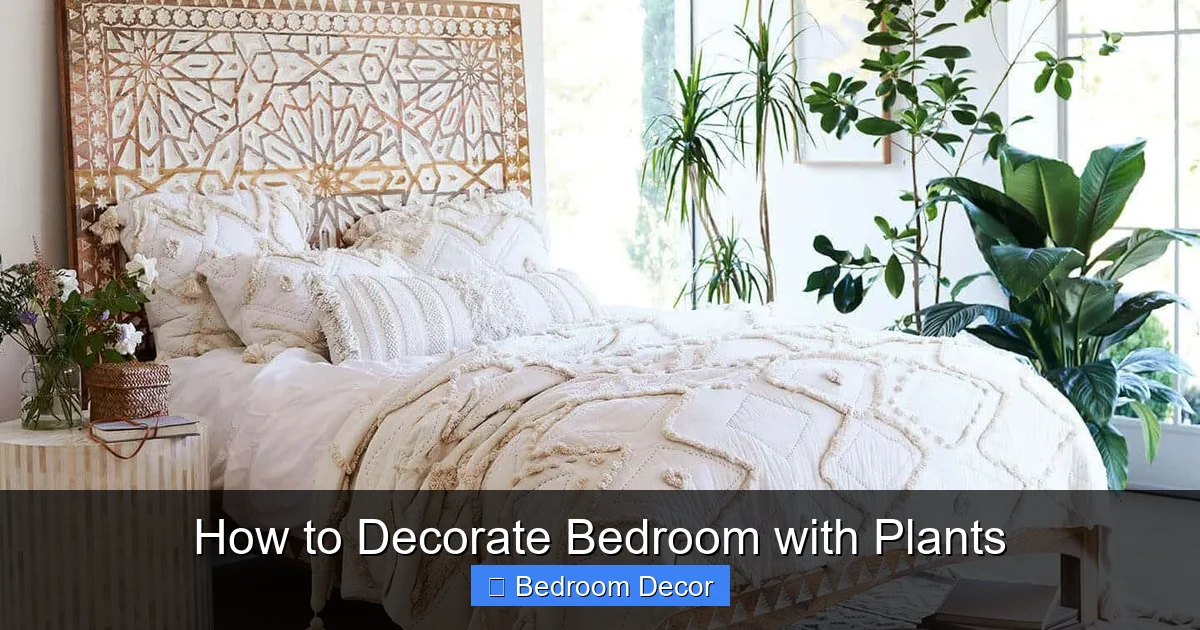
Now for the fun part: selecting your green companions! When you decorate your bedroom with plants, picking the right species is vital for both their survival and your enjoyment.
Low-Light Lovers
Don’t have a sunny bedroom? No problem! Many plants thrive in dimmer conditions.
- Snake Plant (Sansevieria trifasciata): Incredibly hardy, tolerant of low light, and a fantastic air purifier. Its upright, architectural leaves make it a stylish choice.
- ZZ Plant (Zamioculcas zamiifolia): Another tough cookie that handles neglect and low light like a champ. It has glossy, dark green leaves.
- Pothos (Epipremnum aureum): A versatile trailing plant that can adapt to various light levels. It’s easy to care for and looks great on shelves or in hanging baskets.
- Peace Lily (Spathiphyllum): Known for its elegant white blooms and air-purifying qualities. It prefers indirect light and will tell you when it’s thirsty by drooping its leaves.
Air-Purifying Powerhouses
NASA’s Clean Air Study famously identified several houseplants that excel at removing common indoor toxins like formaldehyde, benzene, and trichloroethylene.
- Spider Plant (Chlorophytum comosum): Easy to grow and produces “spiderettes” that can be propagated. Excellent at removing formaldehyde.
- Areca Palm (Dypsis lutescens): A larger plant that adds a tropical feel and is great at humidifying the air while filtering toxins.
- Boston Fern (Nephrolepis exaltata): Needs a bit more humidity but is excellent at removing formaldehyde and bringing a lush, full look.
- English Ivy (Hedera helix): A trailing plant that can also be trained to climb. Known for filtering airborne mold and formaldehyde.
Sleep-Inducing Scents
Some plants release soothing fragrances that can promote relaxation and better sleep.
- Lavender (Lavandula angustifolia): Famous for its calming scent. Place a small potted lavender on your bedside table to enjoy its fragrance. It needs plenty of sunlight, so it’s best for a bright bedroom.
- Jasmine (Jasminum polyanthum): Known for its sweet, intoxicating scent, which has been linked to reduced anxiety and improved sleep quality. Needs bright, indirect light.
- Gardenia (Gardenia jasminoides): Its beautiful white flowers emit a powerful, sweet scent that can be very calming. Gardenias are a bit more demanding in terms of care, requiring consistent moisture and bright, indirect light.
Beginner-Friendly Options
New to plant care? Start with these forgiving varieties. You’ll quickly learn how to decorate your bedroom with plants successfully.
- Aloe Vera: Not only easy to care for but also has medicinal properties. It loves bright, indirect light and infrequent watering.
- Cast Iron Plant (Aspidistra elatior): Living up to its name, this plant is incredibly resilient and can tolerate low light, neglect, and varying temperatures.
- Succulents and Cacti: Small, sculptural, and require very little water. Perfect for bright windowsills or small bedside tables. Just be careful with their spikes!
Creative Ways to Display Your Plants
Visual guide about How to Decorate Bedroom with Plants
Image source: i.pinimg.com
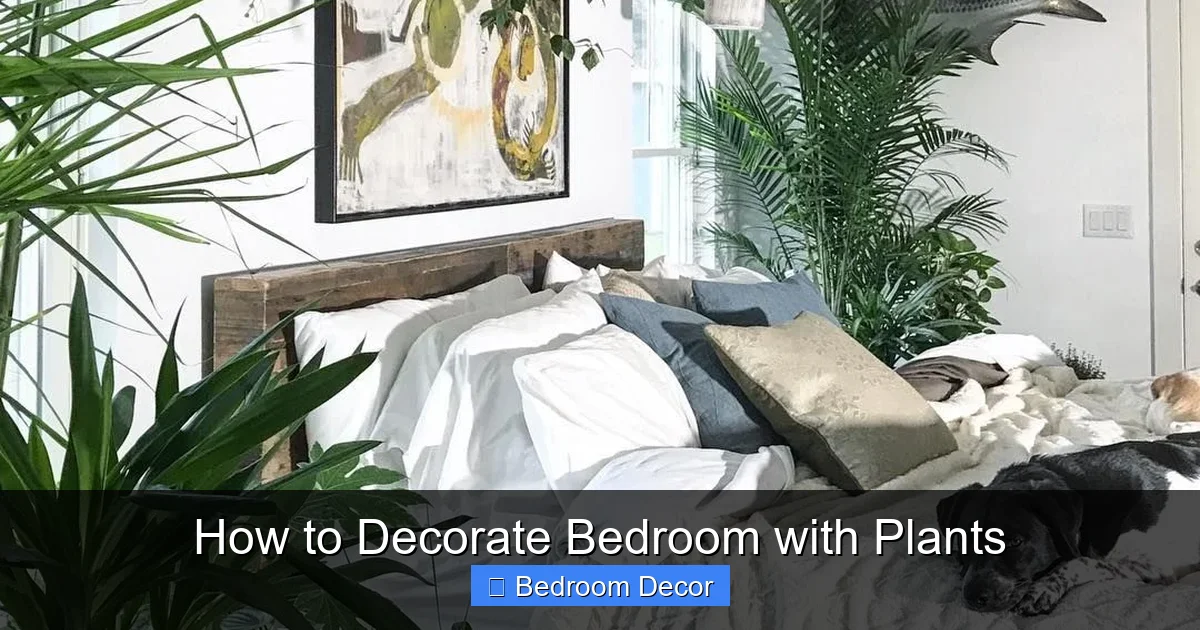
Once you’ve chosen your plants, the next step is to decide how to showcase them. Thoughtful placement can transform your bedroom’s ambiance and make your plant decor truly shine.
Elevated Elegance
Using vertical space is a fantastic way to decorate your bedroom with plants without cluttering surfaces.
- Shelves: Install floating shelves above your bed, desk, or dresser. Trailing plants like Pothos, Philodendrons, or String of Pearls look beautiful cascading down. Arrange smaller potted plants with varying heights and textures for visual interest.
- Hanging Planters: Macrame hangers, ceramic pots with chains, or even repurposed baskets can create stunning aerial displays. Hang them from the ceiling in a corner, near a window, or even beside your bed. This is excellent for plants that appreciate good air circulation.
- Bookcases or Multi-tier Stands: If you have a bookcase, dedicate a few shelves to plants. Use plant stands with multiple tiers to create a mini indoor garden in a compact footprint.
Floor-Standing Statements
Larger plants can become focal points in your bedroom.
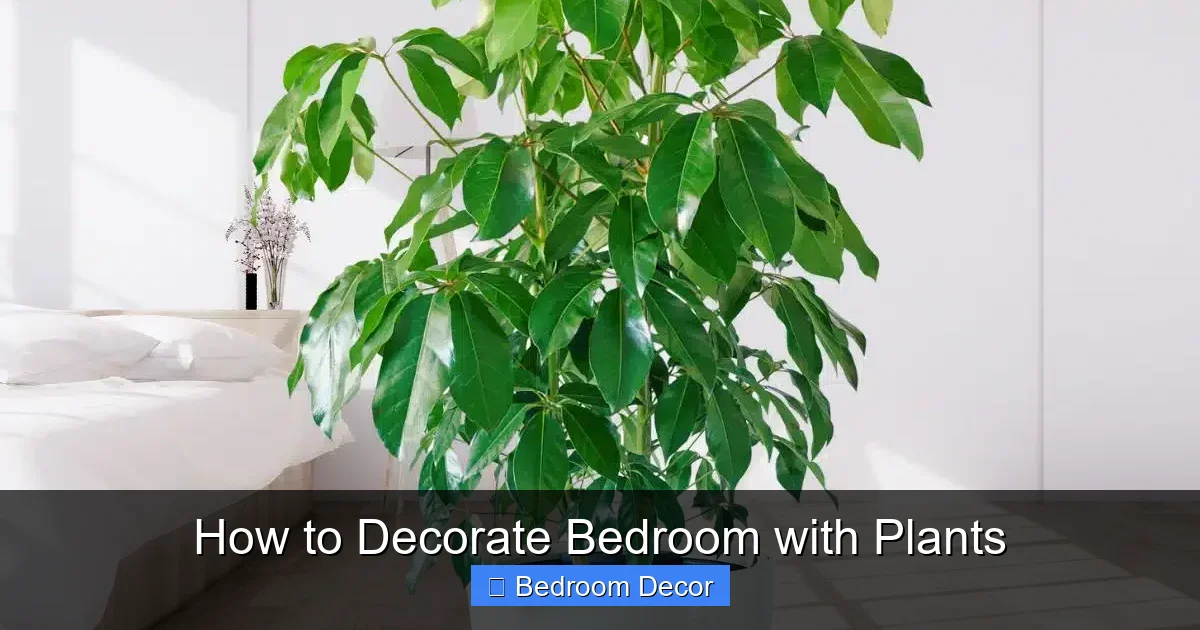
- Corner Accent: Place a tall, leafy plant like a Fiddle Leaf Fig, Bird of Paradise, or Areca Palm in an empty corner. This adds height and lushness.
- Beside Furniture: A medium-sized plant next to a dresser or an armchair can soften the edges of furniture and add a touch of nature.
- In a Basket: For a bohemian or natural look, place a potted plant inside a decorative woven basket. This also helps hide plain nursery pots.
Bedside Bliss
A small plant on your nightstand can be a lovely way to greet the day.
- Small Potted Plants: A small snake plant, an aloe vera, or a peace lily are perfect for a bedside table.
- Air Plants (Tillandsia): These unique plants don’t need soil and can be displayed in decorative holders, terrariums, or even just placed on a small dish.
- Scented Options: If your bedroom gets enough light, consider a small pot of lavender or a miniature jasmine plant for a relaxing aroma.
Wall-Mounted Wonders
Transform your walls into living art.
- Wall Planters: Specialized wall planters or vertical garden systems can hold multiple small plants. Succulents, ferns, or air plants work wonderfully here.
- Kokedama: These Japanese moss balls, housing a plant, can be hung individually or in clusters, creating a unique, natural display.
- Propagation Stations: Use wall-mounted test tubes or small vases to propagate plant cuttings. It’s a beautiful and functional way to decorate.
Terrariums and Miniature Gardens
For a contained, low-maintenance display, consider a terrarium.
- Closed Terrariums: Ideal for humidity-loving plants like ferns, mosses, and small fittonias. They create their own mini-ecosystem.
- Open Terrariums: Perfect for succulents and cacti, providing good air circulation while still offering a charming display.
- Dish Gardens: Arrange a variety of small plants with similar care needs in a shallow bowl or tray for a miniature landscape.
Essential Plant Care for a Thriving Bedroom
Visual guide about How to Decorate Bedroom with Plants
Image source: mycityplants.com
Bringing plants into your bedroom is just the first step. Keeping them healthy and happy is crucial for long-term enjoyment. Proper care ensures your efforts to decorate your bedroom with plants truly pay off.
Watering Wisely
Overwatering is the number one killer of houseplants.
- Check Soil Moisture: Don’t water on a strict schedule. Instead, stick your finger about an inch or two into the soil. If it feels dry, it’s time to water.
- Water Thoroughly: When you do water, soak the soil until water drains out of the bottom of the pot. Discard any excess water from the saucer to prevent root rot.
- Consider Plant Needs: Succulents and cacti need infrequent watering, allowing the soil to dry out completely. Tropical plants often prefer consistently moist (but not soggy) soil.
Providing Proper Light
Light is food for plants. Even low-light tolerant plants need some light to survive.
- Observe Your Plant: Yellowing leaves, leggy growth (stretching towards light), or lack of new growth can indicate insufficient light. Burnt or brown spots can mean too much direct sun.
- Rotate Plants: Turn your plants every week or two so all sides get exposure to light. This encourages even growth.
- Artificial Light: If your bedroom is truly dark, consider supplementing with a grow light. Even a small LED grow light can make a big difference for certain plants.
Humidity Heroes
Many houseplants are tropical and appreciate higher humidity levels than typically found in homes.
- Misting: Lightly misting your plants daily or every other day can temporarily increase humidity, especially for plants like ferns and calatheas.
- Pebble Trays: Place a tray filled with pebbles and water beneath your plant’s pot. As the water evaporates, it creates a more humid microclimate around the plant.
- Humidifier: For a larger collection of humidity-loving plants, a small room humidifier can be a game-changer.
Feeding Your Friends
Plants need nutrients to grow, especially during their active growing season (spring and summer).
- Fertilize Sparingly: Most houseplants only need to be fertilized once a month or every other month during their growing period. Reduce or stop feeding during fall and winter when growth slows.
- Use a Balanced Fertilizer: Choose a balanced liquid houseplant fertilizer and dilute it to half strength to avoid over-fertilizing, which can burn roots.
- Read the Label: Always follow the specific instructions on your chosen fertilizer.
Pest Patrol
Pests can be a headache, but early detection and treatment are key.
- Inspect Regularly: Routinely check the tops and bottoms of leaves, as well as stems, for any signs of pests (tiny bugs, sticky residue, webs).
- Common Pests: Look out for spider mites, mealybugs, aphids, and fungus gnats.
- Treatment: For minor infestations, a strong spray of water can dislodge pests. For more persistent issues, use insecticidal soap or neem oil. Isolate affected plants immediately to prevent spread.
Troubleshooting Common Plant Problems
Even with the best care, sometimes plants face challenges. Don’t despair! Learning how to diagnose and fix issues will help you keep your beautiful bedroom plants healthy.
Yellowing Leaves
- Possible Causes: Overwatering, underwatering, nutrient deficiency, insufficient light, or natural aging of older leaves.
- Solution: Check soil moisture first. If it’s soggy, reduce watering. If bone dry, water thoroughly. Ensure adequate light. If older, lower leaves are yellowing, it might just be natural.
Drooping Plants
- Possible Causes: Usually underwatering, but can also be overwatering (root rot), or extreme temperature changes.
- Solution: Feel the soil. If dry, water deeply. If wet and mushy, you might be overwatering; check for root rot. Ensure stable temperatures.
Pest Infestations
- Possible Causes: New plants bringing pests in, or environmental stress making plants vulnerable.
- Solution: Isolate the affected plant. Use insecticidal soap, neem oil, or horticultural oil to treat. Repeat treatment as necessary. For fungus gnats, let the topsoil dry out completely between waterings.
Slow Growth or Lack of Growth
- Possible Causes: Insufficient light, lack of nutrients, dormant period (winter), or pot-bound roots.
- Solution: Ensure adequate light. Fertilize during the growing season. If the plant is very root-bound, consider repotting into a slightly larger pot. Remember, many plants naturally slow down growth in colder months.
Conclusion
Decorating your bedroom with plants is an incredibly rewarding endeavor. It’s a simple yet powerful way to infuse life, color, and tranquility into your most personal space. From the initial planning stages of assessing your light and style, to choosing the perfect air-purifying or sleep-inducing greenery, and finally to mastering essential care, each step brings you closer to a bedroom oasis.
Remember that plants are living beings, and a little patience, observation, and love go a long way. Don’t be afraid to experiment with different types and display methods to find what works best for your home and lifestyle. Embrace the journey of transforming your bedroom into a vibrant, breathable haven, and enjoy the many benefits that decorating your bedroom with plants brings to your well-being. Your serene, plant-filled sanctuary awaits!