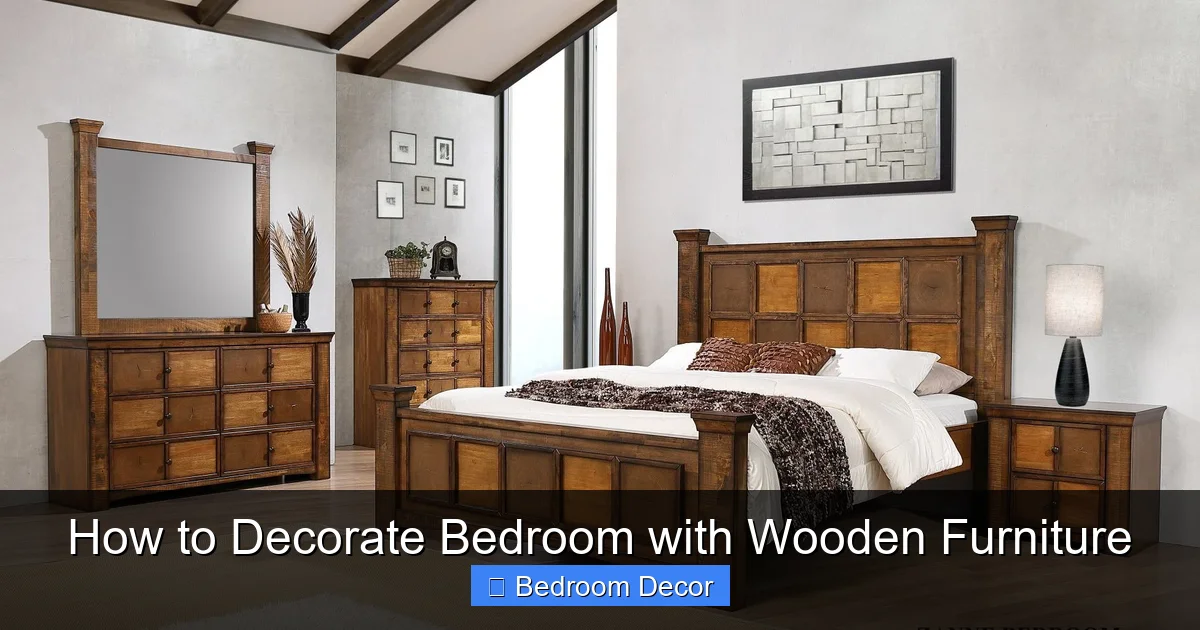
Decorating a bedroom with wooden furniture creates a warm, timeless retreat that can feel both elegant and inviting. This guide helps you harmonize various wood tones with complementary textiles, carefully chosen lighting, and thoughtful decor to achieve a cohesive and beautiful look. Learn to blend different wood pieces, select an ideal color palette, and add personal touches for a truly inviting space that reflects your style.
How to Decorate Bedroom with Wooden Furniture
Welcome to your ultimate guide on how to decorate bedroom with wooden furniture! Wooden furniture brings unmatched warmth, durability, and timeless elegance to any space, especially the bedroom. It’s a classic choice that offers incredible versatility, fitting seamlessly into a myriad of decor styles, from rustic farmhouse to sleek modern, and everything in between.
If you’ve ever wondered how to make your wooden pieces shine, or how to create a harmonious and inviting sanctuary without making the room feel heavy or dated, you’re in the right place. This guide will walk you through practical steps, offering tips and examples to help you transform your bedroom into a beautiful, cohesive, and deeply personal retreat. We’ll cover everything from understanding your wood’s character to layering textures, choosing the right lighting, and adding those perfect finishing touches. Let’s make your bedroom with wooden furniture truly spectacular!
Key Takeaways
- Harmonize Wood Tones Thoughtfully: Don’t shy away from mixing different wood types or finishes, but ensure they share a common undertone (warm or cool) or are unified by a consistent decor style or color palette to create cohesion.
- Establish a Complementary Color Palette: Select a color scheme that enhances your wooden furniture. Neutrals provide a serene backdrop, while soft pastels or rich jewel tones can add depth and personality, always considering the wood’s inherent warmth or coolness.
- Layer Soft Textures for Balance: Offset the solidity of wooden furniture with luxurious textiles such as bedding, area rugs, curtains, throw pillows, and blankets. These layers add comfort, visual interest, and a crucial element of softness to the room.
- Implement Layered Lighting for Ambiance: Utilize a mix of ambient, task, and accent lighting to highlight your wooden furniture’s beauty and create a multi-functional, inviting atmosphere. Warm light temperatures often enhance wood tones beautifully.
- Personalize with Thoughtful Accessories: Incorporate wall art, mirrors, live plants, and decorative objects that reflect your individual style. These elements should complement, rather than compete with, your wooden pieces, adding character and warmth.
- Prioritize Scale and Room Flow: Ensure all your wooden furniture pieces are proportionate to your bedroom’s size. Arrange them strategically to allow for comfortable movement and maintain an open, uncluttered feel.
Step 1: Understand Your Wooden Furniture’s Character
Before you start picking paint colors or accessories, take a good look at your wooden furniture. Understanding its inherent qualities is the first step to successfully decorate bedroom with wooden furniture. Each piece tells a story through its wood type, grain, and finish, and these details will heavily influence your decorating choices.
Identify the Wood Type and Finish
Different woods have distinct personalities. Are your pieces made of light maple, rich cherry, warm oak, dark walnut, or perhaps a painted distressed wood? Each has a unique color undertone – some lean yellow, others red, and some are more neutral brown.
* Light woods (like birch or pine) often bring a bright, airy, and sometimes Scandinavian feel.
* Medium woods (like oak or maple) are versatile and warm, suitable for many styles.
* Dark woods (like walnut or mahogany) exude sophistication and can create a luxurious, dramatic effect.
The finish is just as important. Is it glossy, matte, distressed, or painted? A high-gloss finish reflects light and feels more modern, while a distressed finish lends itself to shabby chic or rustic styles. A matte finish is often contemporary and understated. Knowing these characteristics will help you choose complementary elements for your bedroom.
Assess Your Existing Wooden Pieces
Do you have a matching set, or a collection of beloved individual pieces? If you have a matching set, your job might be simpler in terms of cohesion, but you’ll need to work harder to avoid a “showroom” feel. If you have various pieces, don’t fret! Mixing different wood tones and styles can add immense character. The key is to find common ground. Perhaps they share a similar warmth, a consistent level of formality, or a recurring design motif. When you decorate bedroom with wooden furniture, embrace the individuality of each piece while aiming for an overall sense of balance.
Step 2: Define Your Bedroom’s Overall Aesthetic

Visual guide about How to Decorate Bedroom with Wooden Furniture
Image source: woodenfurniturehub.com
Once you understand your wooden furniture, it’s time to decide on the mood and style you want to create. This will guide all your subsequent decisions, from paint colors to accessory choices, ensuring your bedroom with wooden furniture feels intentional and harmonious.
Choose a Complementary Decor Style
Wooden furniture is incredibly adaptable, but pairing it with a consistent decor style will elevate your space.
* Rustic/Farmhouse: Distressed or rough-hewn wood pairs beautifully with warm neutrals, natural textures (burlap, linen), and vintage-inspired decor.
* Modern/Mid-Century: Clean-lined wooden furniture (often teak or walnut) works well with bold geometric patterns, pops of color, and minimalist accessories.
* Traditional/Classic: Dark, ornate wood furniture suits rich fabrics, elegant patterns, and classic art.
* Bohemian: Lighter or natural wood, often with carved details, combines with vibrant textiles, global patterns, and an eclectic mix of plants and art.
* Scandinavian: Light-colored wood (birch, pine) with simple lines, paired with crisp whites, grays, and natural fibers creates a serene and functional space.
Think about the feeling you want to evoke. Do you want a cozy retreat, a bright and airy space, or a sophisticated sanctuary?
Select a Harmonious Color Palette
Your color palette is crucial when you decorate bedroom with wooden furniture. It ties everything together.
* Neutrals: Whites, creams, grays, and beiges are always safe bets. They allow the wood’s natural beauty to stand out and create a calming, versatile backdrop.
* Warm Colors: If your wood has warm undertones (red, orange, yellow), colors like olive green, terracotta, or deep blues can enhance its richness.
* Cool Colors: For wood with cooler undertones (ashy grays, some light oaks), blues, greens, and purples can create a sophisticated contrast.
* Accent Colors: Don’t be afraid to introduce a pop of a brighter color through accessories like throw pillows, artwork, or a single statement piece to add vibrancy.
Tip: Consider the amount of natural light your bedroom receives. Lighter colors can brighten a dark room, while deeper tones can create intimacy in a well-lit space.
Step 3: Strategically Place Your Wooden Furniture
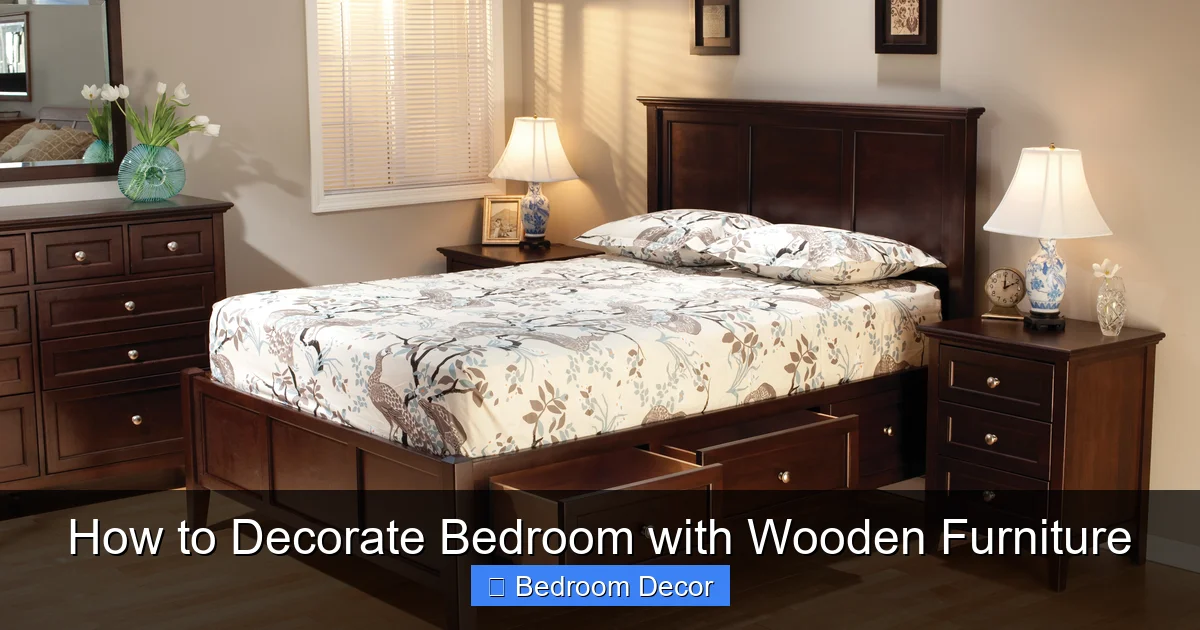
Visual guide about How to Decorate Bedroom with Wooden Furniture
Image source: thewoodenchair.com
The layout of your wooden furniture profoundly impacts the room’s functionality, flow, and visual appeal. Strategic placement is key to successfully decorate bedroom with wooden furniture.
Anchor Piece: The Bed
Your bed is undoubtedly the largest and most important piece of wooden furniture in the bedroom. It should be the focal point.
* Wall Placement: Ideally, place the headboard against the longest solid wall, away from windows or doors. This creates a sense of stability and maximizes usable wall space.
* Visibility: Ensure the bed is visible and inviting as you enter the room.
* Scale: Make sure the bed’s size is proportionate to the room. A king-sized bed can overwhelm a small bedroom, making it feel cramped.
Complementary Pieces: Nightstands, Dressers, Wardrobes
These pieces should balance the bed and serve practical purposes.
* Nightstands: Place a nightstand on each side of the bed (if space allows). Choose wooden nightstands that complement the bed – they don’t have to perfectly match but should harmonize in style and scale. They are essential for lamps, books, and personal items.
* Dressers and Chests: Position dressers against an empty wall. Consider their height and width relative to the wall space. A long, low dresser can make a room feel wider, while a tall chest of drawers saves floor space in smaller rooms.
* Wardrobes/Armoires: If you have a large wooden wardrobe, treat it as a significant architectural element. Place it on a substantial wall, ensuring it doesn’t block pathways or windows.
Accent Pieces: Benches, Chairs, Shelving
These smaller wooden furniture pieces add character and utility.
* Bedroom Bench: A wooden bench at the foot of the bed provides a spot to sit or lay out clothes.
* Accent Chair: If space permits, a small wooden armchair or rocking chair in a corner creates a cozy reading nook.
* Shelving: Wooden floating shelves or a small bookcase can display decor, books, or plants without taking up much floor space.
Practical Tip: Before moving heavy wooden furniture, measure your pieces and your room. Use painter’s tape on the floor to visualize layouts and ensure adequate walking space around each piece.
Step 4: Balance Wood with Textiles and Textures

Visual guide about How to Decorate Bedroom with Wooden Furniture
Image source: images.woodenstreet.de
One of the most effective ways to decorate bedroom with wooden furniture is by introducing soft textiles and varied textures. This prevents the room from feeling too hard or austere, adding warmth, comfort, and visual depth.
Luxurious Bedding
Your bedding is a huge opportunity to introduce color, pattern, and softness.
* Material: Opt for high-quality fabrics like cotton, linen, silk, or flannel.
* Color & Pattern: Choose bedding colors that complement your chosen palette and wooden furniture. Crisp white linens offer a clean contrast to dark wood, while soft blues or greens can highlight the warmth of oak. Don’t be afraid to mix solids with subtle patterns (stripes, botanicals) for interest.
* Layers: Use multiple layers – a duvet, blankets, and quilts – to add depth and make the bed extra inviting.
Area Rugs
An area rug can ground your wooden furniture, define the space, and add another layer of texture and warmth, especially on hardwood floors.
* Size: Ensure the rug is large enough to extend under the bed and ideally the nightstands, creating a unified zone.
* Material: Wool, jute, cotton, or faux fur can all work, depending on your style.
* Color/Pattern: A rug with a subtle pattern can break up a monochromatic scheme, while a solid-colored rug in a rich texture adds quiet luxury.
Curtains and Drapes
Window treatments frame your view and control light, but they also contribute significantly to the room’s textile story.
* Fabric: Choose fabrics that drape well and complement your bedding and rug. Sheer curtains allow light to filter through, while heavier drapes add a sense of luxury and privacy.
* Color: Select colors that harmonize with your wall paint and wooden furniture. They can either match the walls for a seamless look or introduce a complementary accent color.
* Length: Floor-length curtains always look more polished than shorter ones.
Throws and Pillows
These are the easiest and most affordable ways to add pops of color, pattern, and texture.
* Throw Blankets: Drape a cozy knit throw over a chair, bench, or the foot of your bed.
* Decorative Pillows: Mix and match pillows of different sizes, shapes, and textures on your bed or accent chair. They’re perfect for introducing accent colors or playful patterns.
Step 5: Illuminate with Purpose and Ambiance
Lighting is critical when you decorate bedroom with wooden furniture. It can enhance the wood’s natural beauty, create mood, and provide functional illumination. A layered approach is always best.
Ambient Lighting
This is your general, overhead lighting, providing overall illumination for the room.
* Ceiling Fixture: A stylish ceiling light fixture, chandelier, or flush mount can serve as a central source of light. Consider fixtures with warm-toned bulbs (around 2700K-3000K) as they beautifully complement wooden furniture.
* Dimmer Switches: Install dimmers on overhead lights to adjust brightness and create different moods, from bright and functional to soft and romantic.
Task Lighting
Task lighting provides direct light for specific activities, like reading in bed.
* Bedside Lamps: Choose table lamps for your nightstands or wall-mounted sconces. Their style should complement your wooden furniture. For example, industrial-style lamps can contrast nicely with rustic wood, while sleek designs suit modern wood.
* Floor Lamps: A floor lamp in a reading nook can add both light and a decorative element.
Accent Lighting
Accent lighting highlights specific features or creates a decorative effect.
* Picture Lights: Use small lights to illuminate wall art above a wooden dresser or headboard.
* LED Strips: Subtle LED strips placed behind a headboard or under floating shelves can create a soft glow and emphasize architectural features or the wood itself.
* Candles: Incorporate decorative candles (real or flameless) for a warm, inviting glow that enhances the cozy feeling of wooden furniture.
Step 6: Accessorize Thoughtfully
Accessories are the finishing touches that reflect your personality and truly make the room yours. When you decorate bedroom with wooden furniture, accessories should complement the wood, not compete with it.
Wall Art and Mirrors
* Art: Choose pieces that align with your chosen color palette and style. Framed prints, paintings, or textile art can add character. Consider grouping smaller pieces for a gallery wall above a wooden dresser or a single large statement piece above the bed.
* Mirrors: A well-placed mirror can make a room feel larger and brighter by reflecting light. A mirror with a beautiful wooden frame can enhance your existing furniture, or a mirror with a metallic frame can introduce a different texture.
Greenery and Plants
Plants bring life, freshness, and a natural element that beautifully complements wooden furniture.
* Potted Plants: Place small potted plants on nightstands or dressers. Larger floor plants can fill an empty corner.
* Hanging Plants: Consider macrame hangers or wall-mounted planters for a bohemian touch.
* Faux Plants: If you don’t have a green thumb, high-quality faux plants can offer the same aesthetic benefits without the upkeep.
Decorative Objects and Personal Touches
These are the items that tell your story.
* Vases and Trays: Use decorative vases (ceramic, glass, or metallic) on wooden surfaces, perhaps with fresh flowers. Trays can corral smaller items on a dresser or nightstand, keeping surfaces tidy.
* Books and Mementos: Display a curated selection of books, travel souvenirs, or framed photographs to add a personal and lived-in feel.
* Candles and Diffusers: Enhance the ambiance with scented candles or essential oil diffusers.
Tip: Less is often more. Avoid cluttering your wooden surfaces. Choose a few meaningful or aesthetically pleasing items rather than many small knick-knacks.
Step 7: Ensure Practicality and Flow
Beyond aesthetics, a bedroom must be functional and comfortable. This step is about making sure your efforts to decorate bedroom with wooden furniture result in a space that’s not just beautiful, but also practical for everyday living.
Smart Storage Solutions
Wooden furniture often provides excellent storage, but sometimes you need more.
* Under-Bed Storage: Baskets or drawers that slide under the bed are perfect for extra linens or seasonal clothing.
* Built-in Storage: If you have a wooden bed frame with built-in drawers, utilize them efficiently.
* Decorative Baskets: Woven baskets can be placed near a wooden dresser or wardrobe for blankets, magazines, or laundry. They add texture and hide clutter.
* Floating Shelves: As mentioned, wooden floating shelves can provide display space without encroaching on floor area.
Maintain Clear Pathways
It’s easy to get carried away with beautiful wooden furniture and accessories, but ensure you can move around your bedroom comfortably.
* Walking Space: Leave ample space around the bed (at least 2-3 feet on sides if possible) and in front of dressers and wardrobes for easy access.
* Door & Drawer Clearance: Make sure doors and dresser drawers can open fully without hitting other furniture.
* Visual Flow: Arrange furniture so your eye flows smoothly through the room, rather than encountering visual roadblocks.
Conclusion
Decorating a bedroom with wooden furniture is a journey of blending natural beauty with personal style. By understanding the character of your wood, defining a cohesive aesthetic, strategically placing your pieces, and thoughtfully layering textiles, lighting, and accessories, you can create a sanctuary that is both inviting and uniquely yours.
Remember, the goal is to create a space that feels personal, comfortable, and reflective of your taste. Don’t be afraid to experiment, trust your instincts, and enjoy the process of transforming your bedroom into a warm, stylish haven with the timeless charm of wooden furniture. Happy decorating!