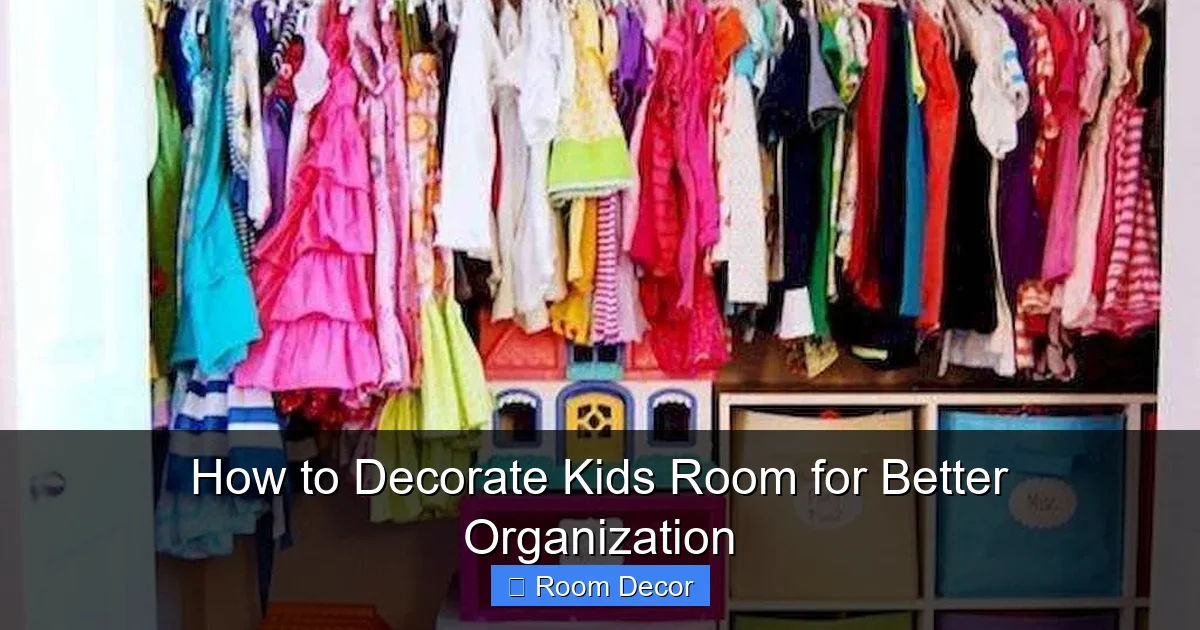
Revamp your child’s space with our comprehensive guide on how to decorate kids room for better organization. Learn effective strategies to declutter, implement smart storage solutions, and create designated zones that foster independence and creativity. Achieve a peaceful, functional, and tidy environment where kids can thrive, play, and learn without the constant struggle against mess.
How to Decorate Kids Room for Better Organization
Welcome to the ultimate guide on how to decorate kids room for better organization! If you’re tired of tripping over toys, battling overflowing wardrobes, or endlessly searching for lost items, you’re in the right place. A child’s room, while a hub of creativity and play, can quickly become a chaotic mess without a smart organizational strategy. But fear not! Achieving an organized, functional, and still wonderfully whimsical kids’ room is entirely possible.
In this guide, we’ll walk you through practical, step-by-step instructions to transform your child’s space. You’ll learn how to declutter effectively, choose the right storage solutions, create designated zones, and even involve your child in the process. Our goal is to help you create a room where everything has a home, making cleanup easier, playtime more enjoyable, and fostering a sense of independence and responsibility in your little one. Let’s turn that clutter into calm!
Key Takeaways
- Start with Decluttering: Before buying new items, always declutter and sort existing toys, clothes, and books into “keep,” “donate,” or “trash” categories, involving your child in the process.
- Zone Your Space: Divide the room into distinct areas for sleeping, playing, studying, and dressing to bring structure and make organization intuitive for your child.
- Maximize Vertical Storage: Utilize walls with shelves, cubbies, and tall furniture to free up floor space and provide ample storage without overcrowding the room.
- Invest in Smart Storage Solutions: Employ a variety of bins, baskets, under-bed storage, and drawer dividers to contain items neatly and prevent clutter from accumulating.
- Make it Kid-Friendly & Accessible: Ensure storage is at your child’s height with clear labels (especially picture labels for younger kids) to empower them to put things away independently.
- Establish Consistent Routines: Implement daily “tidy-up” times and regular decluttering sessions to maintain order and teach your child lifelong organizational habits.
- Lead by Example: Model good organizational habits in your own spaces to reinforce the importance of tidiness and consistency in maintaining a well-organized home.
Step 1: Declutter First, Always!
Before you even think about buying new storage bins or moving furniture, the absolute first step in how to decorate kids room for better organization is to declutter. This is often the most challenging but also the most rewarding part. Less stuff means less to organize, less to clean, and more space for imagination to flourish.
The “Keep, Donate, Trash” System
This classic method is tried and true. Grab three large containers or designate three areas on the floor.
- Keep: Items that are loved, frequently used, in good condition, and age-appropriate. Be ruthless here. Does your child truly play with that toy, or has it been gathering dust for months?
- Donate/Sell: Items that are still in good condition but no longer needed or outgrown. Think about friends, family, local charities, or consignment shops.
- Trash/Recycle: Broken toys, dried-up markers, ripped books, or anything that’s beyond repair or too worn out to be passed on.
Work through one category at a time – start with toys, then clothes, then books. Don’t try to do the entire room at once, as it can be overwhelming.
Involve Your Child (Age-Appropriate)
This step is crucial for teaching responsibility and making the organization process less of a chore. For younger children (3-6 years), make it a game. Ask, “Which toys do you love the most?” or “Which ones are we ready to share with another child?” For older children, explain the benefits of an organized room, like finding things faster and having more space to play. Give them a limit (e.g., “Choose your 10 favorite cars,” or “Pick 5 books you want to keep on your shelf”). Be firm but understanding. If they struggle to let go, suggest putting items into a “holding box” for a month. If they don’t ask for them, they can go.
Set Limits for New Items
Once you’ve decluttered, establish a “one in, one out” rule. When a new toy or piece of clothing comes in, an old one must go. This prevents clutter from building up again and teaches mindful consumption. This is a key part of maintaining an organized space long-term.
Step 2: Zone It Out: Create Designated Areas
Visual guide about How to Decorate Kids Room for Better Organization
Image source: somuchbetterwithage.com
One of the most effective strategies to decorate kids room for better organization is to divide the space into functional zones. This brings structure to the room and helps both you and your child know exactly where specific activities happen and where their corresponding items belong. Think of it like creating mini-rooms within the larger room.
The Sleep Zone
This area should be peaceful and calming. It typically includes the bed, a nightstand, and perhaps a small reading lamp. Keep clutter to an absolute minimum here. A nightstand with a drawer can hold a book and a glass of water, nothing more. The goal is to make it a sanctuary for rest.
The Study/Creative Zone
If your child is school-aged or enjoys drawing and crafting, a dedicated space is essential. This might include a desk, chair, and nearby storage for school supplies, art materials, and books. Use desk organizers, pencil holders, and small drawers to keep pens, crayons, paper, and craft supplies tidy and accessible. A pegboard above the desk can be fantastic for hanging frequently used items.
The Play Zone
This is often the largest and most challenging zone to organize. Designate a specific area for toys and games. Use rugs to define the space if needed. Within this zone, you’ll employ various storage solutions to categorize and contain different types of toys. Think about separating building blocks from dolls, or cars from puzzles.
The Dressing Zone
This zone centers around your child’s wardrobe, dresser, or clothing rack. Ensure clothing storage is practical and easy for your child to use. Clear out-of-season clothes to make space, and use drawer dividers or small bins for socks, underwear, and accessories.
Step 3: Master Vertical Storage
Visual guide about How to Decorate Kids Room for Better Organization
Image source: i1.wp.com
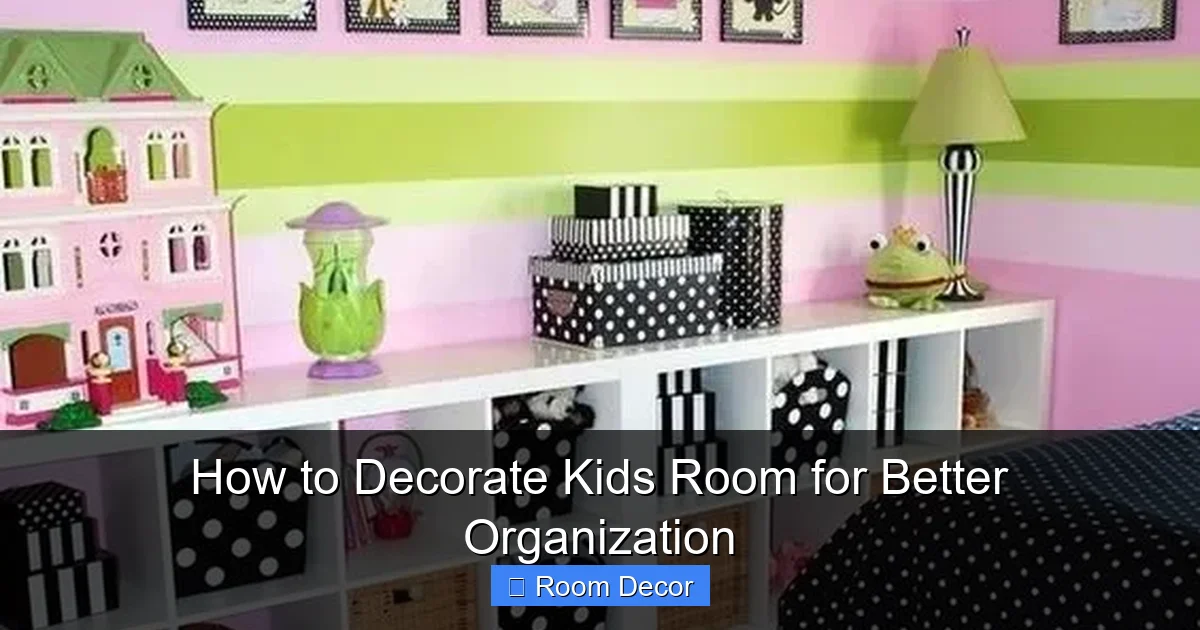
When floor space is limited (which it often is in kids’ rooms!), looking up is the answer. Vertical storage solutions are incredibly effective ways to decorate kids room for better organization, taking advantage of wall space that might otherwise go unused.
Wall-Mounted Shelves and Cubbies
Floating shelves are perfect for displaying books, small toys, or decorative items without taking up floor space. Cubby organizers, either freestanding or wall-mounted, provide individual compartments that are ideal for separating different toy categories. Label each cubby (with pictures for younger kids) so items consistently go back to their assigned home.
Tall Dressers and Wardrobes
Instead of wide, short furniture, opt for taller dressers or wardrobes that offer more storage vertically. A wardrobe can house clothes, but also incorporate shelves for toys or books. Make sure it’s securely anchored to the wall for safety.
Over-the-Door Organizers
Don’t forget the back of the door! Over-the-door shoe organizers with clear pockets are brilliant for small toys, action figures, art supplies, hair accessories, or even stuffed animals. Fabric pocket organizers can also hold pajamas or small items that need quick access. This is a wonderfully underrated way to add extra storage.
Step 4: Embrace Smart Storage Solutions
Visual guide about How to Decorate Kids Room for Better Organization
Image source: housetodecor.com
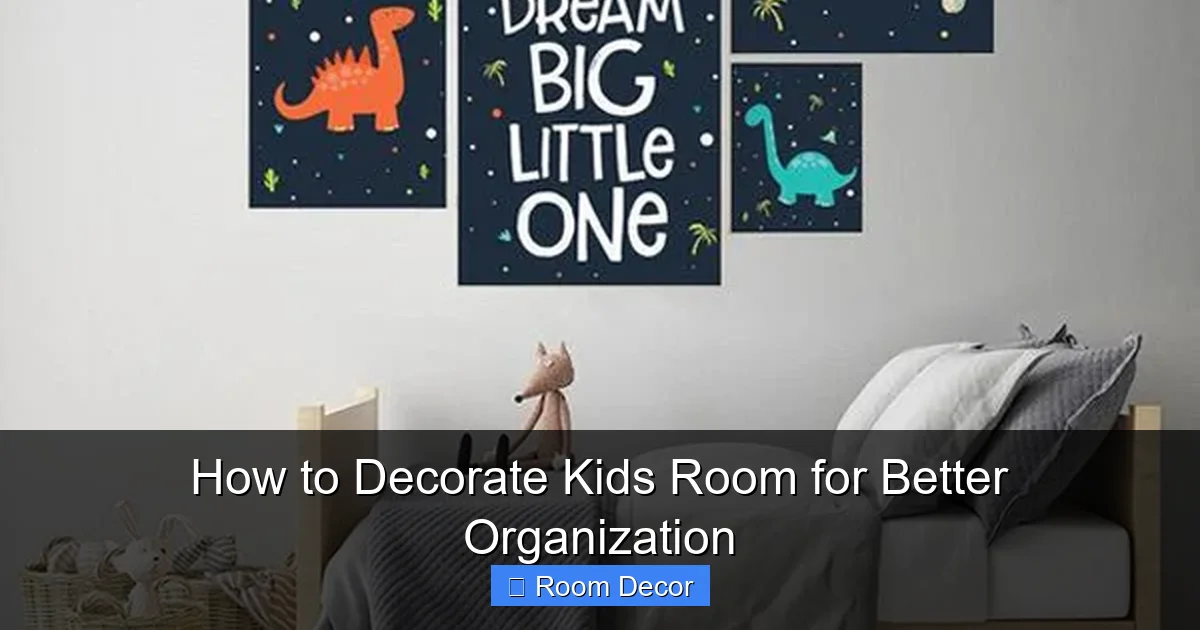
Now that you’ve decluttered and zoned the room, it’s time to choose the right tools to keep everything in its place. Smart storage is key to making cleanup effortless and maintaining an organized space.
Bins, Baskets, and Totes (Labeled!)
These are the workhorses of kids’ room organization.
- Clear Plastic Bins: Great for seeing contents at a glance, perfect for LEGOs, craft supplies, or small toy sets.
- Fabric Baskets: Soft, decorative, and perfect for stuffed animals, blankets, or blocks. They are also gentle on little fingers.
- Woven Baskets: Sturdy and stylish, good for larger items or simply as decor that doubles as storage.
The golden rule here is to **label everything**. For non-readers, use pictures of what goes inside. This empowers your child to put things away independently and teaches them categorization.
Under-Bed Storage
The space under the bed is prime real estate!
- Rolling Storage Bins: Perfect for storing out-of-season clothes, extra bedding, or lesser-used toys. Look for ones with lids to keep dust out.
- Drawer Beds: Some beds come with built-in drawers, which are fantastic for clothes or extra toys.
Make sure whatever you choose can slide out easily, even for a child.
Toy Chests with Lids or Dividers
A classic toy chest can be great for quick tidy-ups, but ensure it has a soft-close lid for safety. For better organization, look for chests with internal dividers or use smaller bins inside a larger chest to prevent it from becoming a black hole where toys get lost.
Pegboards and Magnetic Strips
For the study or creative zone, a pegboard offers incredible flexibility. You can hang cups for pencils, hooks for scissors, or small shelves for craft supplies. Magnetic strips are wonderful for keeping metal cars, small art tools, or even hair clips tidy and visible.
Drawer Dividers and Organizers
Within dressers and desks, use drawer dividers to keep items separate and neat. Sock and underwear dividers are a game-changer. For desk drawers, small trays can compartmentalize pens, paper clips, and other stationery. This prevents drawers from becoming catch-all junk drawers.
Step 5: Make it Accessible and Kid-Friendly
The best organization system in the world won’t work if your child can’t use it. To truly decorate kids room for better organization, you need to design it with their height, strength, and cognitive abilities in mind.
Low Shelves and Bins
Place frequently used toys, books, and art supplies on shelves or in bins that are within your child’s reach. If they can easily access their playthings, they’re more likely to participate in putting them away. This fosters independence and makes cleanup less of a battle.
Open Storage for Daily Items
For items used daily, open bins or shelves are better than closed cabinets or drawers. This reduces friction and makes it easier for a child to grab what they need and put it back. For example, open bins for LEGOs or cars.
Picture Labels for Young Children
We’ve mentioned it before, but it bears repeating: picture labels are incredibly powerful. Take a photo of the items that belong in a bin or on a shelf and stick it on the outside. This visual cue helps young children who can’t read yet know exactly where things go, empowering them to organize their own space.
Child-Sized Furniture
Consider child-sized tables, chairs, and even small wardrobes or dressers. Furniture that fits their scale makes them feel more comfortable and capable in their own room, encouraging them to use the space and its organizational tools effectively.
Step 6: Create a Routine for Maintenance
Organization isn’t a one-time project; it’s an ongoing process. Establishing simple routines is crucial for maintaining an organized kids room and teaching your child valuable lifelong habits.
The “5-Minute Tidy Up”
Implement a short, daily tidy-up session, perhaps before dinner or bedtime. Set a timer for 5 or 10 minutes and have everyone help put things back in their designated spots. Make it fun with music or a game. Consistency is more important than perfection here.
Weekly Reset
Once a week, perhaps on a Sunday afternoon, do a slightly more thorough reset. This might involve cleaning surfaces, tidying up areas that get neglected daily, or going through the art supplies. Involve your child in this as well.
Seasonal Decluttering
Twice a year (e.g., spring and fall), schedule a larger decluttering session, similar to Step 1. This is a good time to go through clothes for seasonal changes, rotate toys, and assess what your child has outgrown or no longer uses.
Lead by Example
Children learn by observing. If your own spaces are organized, and you consistently put things away, your child is more likely to adopt those habits. Talk about why organization is important and praise their efforts.
Troubleshooting: Common Organization Challenges
Even with the best intentions, organizing a kids’ room can present unique challenges. Here are a few common issues and how to tackle them:
“My child won’t put things away!”
This is perhaps the most frequent complaint.
- Simplify the System: Is the organization system too complicated? Are the bins too high? Are the labels clear?
- Make it a Game: “Let’s see who can put away the most toys before the timer goes off!”
- Offer Choices: “Do you want to put away the blocks first or the cars?” giving them a sense of control.
- Consistent Expectations: Don’t give in. “We can’t move on to [fun activity] until the toys are put away.”
- Praise Effort: Focus on the effort and the positive outcome, not just perfection.
“Small room, too many things!”
This is where vertical storage truly shines.
- Multi-functional Furniture: Ottomans with storage, beds with drawers, benches with cubbies.
- Door and Wall Space: Maximize every inch with over-the-door organizers, wall shelves, and pegboards.
- Under-Bed Storage: Utilize this hidden gem for bulkier or less-frequently used items.
- Regular Purges: A small room demands more rigorous decluttering. Be extra strict with the “keep” pile.
“How to deal with sentimental items?”
Kids often have emotional attachments to items, even broken ones.
- Dedicated Memory Box: Give your child one special box (perhaps a decorative one) for sentimental items. Once the box is full, they have to choose what to keep if they want to add something new.
- Photos: Take a picture of the item before letting it go. This preserves the memory without keeping the physical object.
- Limited Display: Allow a few special items to be displayed on a shelf, rotating them periodically.
Conclusion
Learning how to decorate kids room for better organization isn’t just about tidiness; it’s about creating a harmonious environment where your child can thrive. An organized room reduces stress for both parents and children, encourages independent play, and teaches valuable life skills. By following these steps – starting with a thorough declutter, zoning the space, utilizing smart storage solutions, making it kid-friendly, and establishing consistent routines – you can transform a chaotic space into a calm and inspiring haven. Remember, perfection isn’t the goal; progress and consistency are key. Embrace the journey, involve your child, and enjoy the benefits of a beautifully organized kids’ room!