Decorating a kids room for siblings can be a fun and rewarding project when approached with thoughtful planning. This guide helps you create a harmonious and functional shared space that reflects each child’s personality while maximizing utility. Discover practical tips for everything from smart furniture choices and storage solutions to defining individual zones and ensuring safety, making the room a joyful haven for everyone.
How to Decorate Kids Room for Siblings
Welcome to the exciting world of decorating a kids room for siblings! If you’re looking to create a shared space that’s not just functional but also a haven for harmony, creativity, and individual expression, you’ve come to the right place. Decorating a kids room for siblings presents unique challenges and wonderful opportunities. It’s about blending different personalities, maximizing space, and fostering a sense of togetherness while respecting individual needs.
This comprehensive guide will walk you through every step of the process. You’ll learn how to plan effectively, choose the right furniture, define zones, add personal touches, and ensure the room is both safe and stylish. Whether your children are toddlers, school-aged, or teens, these practical tips will help you transform their shared bedroom into a space they’ll love to call their own. Let’s dive in and start decorating a kids room for siblings that truly shines!
Key Takeaways
- Start with Collaboration: Involve your children in the planning process to understand their preferences and needs, fostering a sense of ownership and excitement for their shared room.
- Maximize Space Strategically: Utilize smart furniture like bunk beds, loft beds, and vertical storage solutions to make the most of every square inch in a shared kids room.
- Create Individual Zones: Define distinct areas for sleeping, playing, and studying to give each sibling personal space and minimize conflicts, even in a single room.
- Personalize Thoughtfully: Integrate individual touches through bedding, wall art, and accessories to celebrate each child’s unique personality within the cohesive room design.
- Prioritize Safety and Durability: Choose sturdy, child-safe furniture and easy-to-clean, durable materials that can withstand the wear and tear of active children.
- Optimize Lighting for Function: Combine natural light, general ambient light, and specific task lighting for reading or studying to ensure the room is well-lit for all activities.
- Implement Effective Organization: Use labeled bins, shelves, and storage systems to keep the shared kids room tidy and teach children responsibility for their belongings.
Step 1: Plan and Consult with Your Children
The first and most crucial step in decorating a kids room for siblings is thorough planning. This isn’t just about picking colors; it’s about understanding needs, managing expectations, and involving the stars of the show – your children!
Discuss Needs and Preferences
Start by talking to your children. Ask them what they envision for their room. What are their favorite colors? What activities do they enjoy doing in their room? Do they want a quiet reading nook or a space for imaginative play? Their input is invaluable. It helps you tailor the space to their desires, making them feel heard and invested in the outcome. This collaborative approach makes decorating a kids room for siblings much more successful.
Consider Age and Gender Differences
Are your children close in age or do they have a significant age gap? Are they both boys, both girls, or one of each? These factors will influence your design choices.
- Age Differences: Younger children might need more floor space for play, while older ones will prioritize study areas and privacy. Consider furniture that can adapt as they grow.
- Gender Differences: When decorating a kids room for siblings of different genders, focus on neutral themes or allow for individual expression within a cohesive framework. This might mean using a base color palette that works for everyone, then letting each child choose accent colors or accessories for their own space.
Set a Budget
Before you get carried away with design ideas, establish a realistic budget. This will guide your decisions on furniture, decor, and DIY projects. Prioritize essential items like beds and storage, then allocate funds for decorative elements. Remember, decorating a kids room for siblings doesn’t have to break the bank; clever solutions and DIY can go a long way.
Step 2: Maximize Space with Smart Furniture

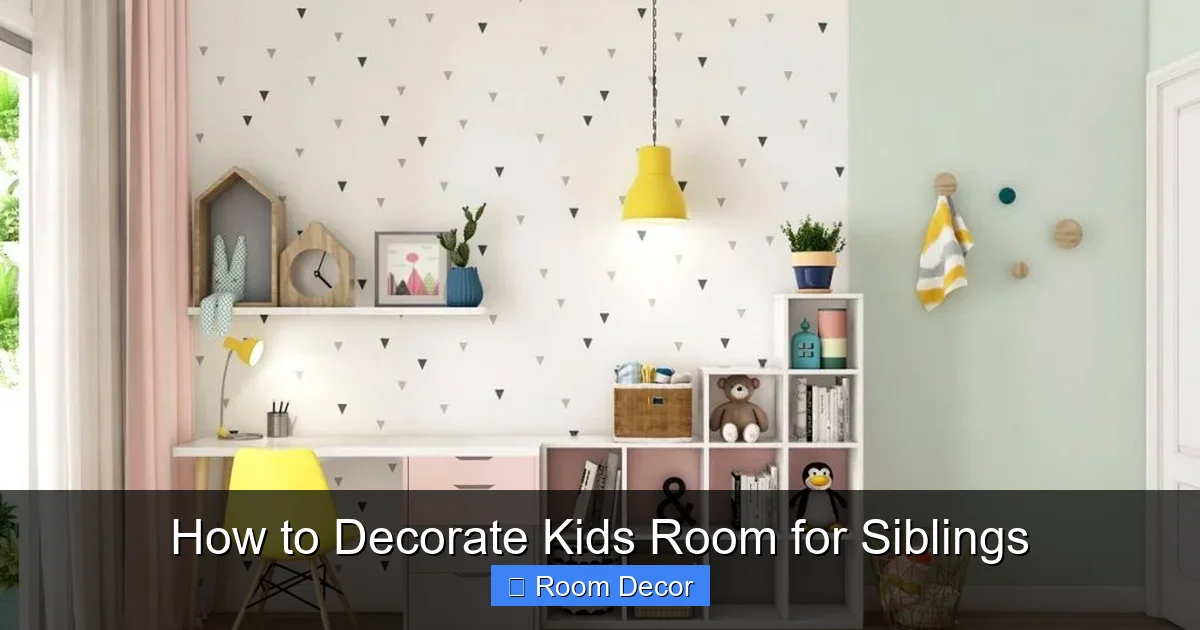
Visual guide about How to Decorate Kids Room for Siblings
Image source: todaysparent.com
Space is often at a premium in shared rooms. Choosing the right furniture is key to creating an organized and comfortable environment. When you decorate a kids room for siblings, smart furniture choices can make all the difference.
Bunk Beds or Loft Beds
These are classics for a reason! Bunk beds free up significant floor space, perfect for smaller rooms. Loft beds take it a step further, lifting one bed high enough to create a usable area underneath – ideal for a desk, a reading nook, or extra storage. When choosing, prioritize safety features like sturdy guardrails and secure ladders.
Smart Storage Solutions
Clutter is the enemy of a peaceful shared space. Effective storage is paramount when you decorate a kids room for siblings.
- Under-bed Storage: Drawers built into bed frames or rolling bins that slide underneath are perfect for toys, clothes, or extra bedding.
- Modular Shelving Units: These can be configured to fit your space and can grow with your children’s needs. Use them for books, display items, or storage bins.
- Built-in Wardrobes/Closets: If possible, customize the closet space with adjustable shelves, hanging rods, and drawers to accommodate both children’s clothing and personal items.
Vertical Space Utilization
Don’t forget the walls!
- Wall-mounted Shelves: Great for books, small toys, or decorative items without taking up floor space.
- Pegboards: A versatile solution for hanging art supplies, small toys, or even hats and bags. They can be customized with various hooks and containers.
- Wall Pockets/Bags: Handy for storing small items like remote controls, bedtime stories, or art supplies next to beds or desks.
Step 3: Define Zones for Harmony and Individuality

Visual guide about How to Decorate Kids Room for Siblings
Image source: media3.popsugar-assets.com
Even in a single room, creating distinct zones for different activities helps minimize conflict and gives each child a sense of personal space. This is a crucial aspect when you decorate a kids room for siblings.
Sleep Zones
Each child should have a clearly defined sleeping area. This provides a sense of privacy and comfort.
- Separate Beds: Bunk beds naturally create separate sleep zones. For side-by-side beds, use a nightstand or a small divider between them.
- Privacy Curtains: For bunk beds or loft beds, attach clip-on curtains to create a cozy, private retreat for each child.
Play/Activity Zones
Designate an area for shared play.
- Rug or Mat: A colorful rug can visually define a play zone and provide a soft surface for games.
- Toy Storage: Keep toys neatly organized within this zone using bins, baskets, or a toy chest.
Study/Quiet Zones
If your children are school-aged, a dedicated study area is essential.
- Individual Desks: If space allows, two smaller desks are ideal. Otherwise, a long shared desk can work, perhaps with separate drawer units underneath.
- Good Lighting: Ensure each study spot has adequate task lighting.
Shared vs. Individual Zones
Balance shared spaces with areas that are distinctly “mine.”
- Shared Wall Art: A gallery wall with family photos or a large map can be a wonderful shared feature.
- Individual Storage: Assign each child specific shelves, drawers, or cubbies for their personal belongings. Clearly labeling these can prevent arguments.
Step 4: Personalization and Individuality
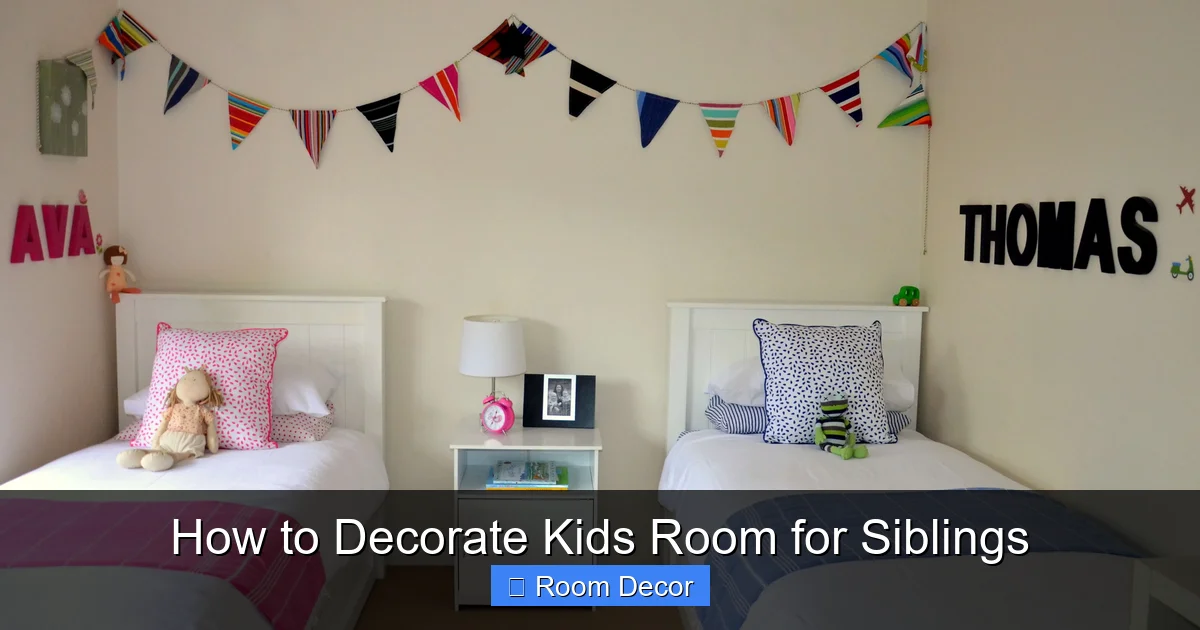
Visual guide about How to Decorate Kids Room for Siblings
Image source: stuffmumslike.com
While it’s a shared room, each child needs to feel that a part of it belongs solely to them. Personalization is key to successfully decorating a kids room for siblings.
Color Scheme Choices
The color scheme sets the overall mood.
- Neutral Base with Accent Colors: Paint the walls a neutral color (e.g., light gray, beige, white) and let each child choose an accent color for their bedding, a throw pillow, or a personal wall decal. This creates cohesion with individual flair.
- Half-and-Half Walls: If their tastes are very different, consider painting one half of a wall in one child’s preferred color and the other half in the other’s, or use a vertical line to divide the room visually.
- Themed Elements: Choose a theme they both love (e.g., outer space, jungle, superheroes) and incorporate elements that appeal to both, while still allowing for personal touches.
Wall Decor and Art
Walls offer a fantastic canvas for personalization.
- Individual Gallery Walls: Dedicate a section of the wall above each bed or desk for a mini gallery of their own artwork, photos, or favorite prints.
- Removable Wall Decals: These are great for adding personality without permanent commitment, and can be easily changed as tastes evolve.
- Monogram Letters: Hang large initial letters above each bed to clearly mark their space.
Individualized Bedding and Accessories
This is one of the easiest ways to inject individual style into a shared room.
- Different Bedding Sets: Let each child choose their own duvet cover, sheets, and pillows. They can pick different patterns or colors that reflect their personality.
- Personal Nightstands/Lamps: If space allows, give each child their own nightstand and bedside lamp.
- Unique Rugs or Mats: Place small, individual rugs next to each bed for added comfort and color.
Personal Storage Bins/Labels
Clear labeling helps children identify their belongings and encourages them to put things away in the right spot. Use fun labels with pictures for younger children. This small step can significantly reduce arguments over whose toy is whose, making decorating a kids room for siblings much smoother.
Step 5: Safety and Durability First
A children’s room needs to be a safe haven. When you decorate a kids room for siblings, prioritize safety and choose durable materials that can withstand energetic play.
Furniture Safety
- Anchor Furniture: Secure all tall furniture (dressers, bookshelves) to the wall to prevent tipping.
- No Sharp Edges: Opt for furniture with rounded corners or use corner protectors.
- Bunk Bed Safety: Ensure bunk beds meet safety standards, have sturdy guardrails on both sides of the top bunk, and a safe ladder. Check weight limits.
- Cord Management: Secure blind and curtain cords out of reach to prevent strangulation hazards.
Child-Friendly Materials
Choose non-toxic paints and finishes. Look for furniture made from sustainable, safe materials. Avoid small, loose items for very young children.
Easy-to-Clean Surfaces
Kids’ rooms get messy! Select washable paints, durable flooring (like laminate, vinyl, or low-pile carpet), and fabrics that can be easily wiped down or machine-washed. This saves you a lot of effort in the long run.
Step 6: Lighting and Ambiance
Good lighting is crucial for both function and mood. A well-lit shared room will feel more inviting and spacious.
Natural Light
Maximize natural light as much as possible. Use sheer curtains or blinds that allow light in while offering privacy. Avoid blocking windows with large furniture.
Task Lighting
Provide specific lighting for activities.
- Bedside Lamps: Essential for reading in bed without disturbing the other sibling.
- Desk Lamps: Crucial for study areas.
Ambient Lighting
A central ceiling light provides general illumination. Consider a dimmer switch to adjust the brightness for different times of day or activities. Fun, decorative lighting like string lights or star projectors can add a magical touch.
Step 7: Organization and Maintenance
Once you’ve finished decorating a kids room for siblings, the challenge becomes keeping it tidy. Good organization systems and routines are key.
Establishing Routines
Involve your children in daily tidying routines. Make it a game or part of their bedtime ritual to put away toys and clothes.
Labeled Storage
As mentioned before, clear labels on bins, drawers, and shelves make it easy for children to know where everything belongs – and where to find it. Use pictures for pre-readers.
Decluttering Regularly
Schedule regular decluttering sessions. Go through toys and clothes that are no longer used or have been outgrown. This prevents the room from becoming overwhelmed with stuff. Make it a family activity.
Troubleshooting Common Challenges
Even with the best plans, decorating a kids room for siblings can present a few hurdles.
Dealing with Squabbles Over Space
Despite defined zones, conflicts can arise.
- Clear Boundaries: Reiterate the “rules” of the room and respect for each other’s personal space.
- Shared Zones First: Encourage them to use shared play areas first before taking toys into individual zones.
- Compromise and Negotiation: Teach them to resolve minor disputes through compromise. Sometimes, a timer for shared items can work wonders.
Adapting the Room as Kids Grow
Children’s needs change rapidly.
- Flexible Furniture: Invest in furniture that can adapt, like modular shelving or desks that adjust height.
- Easy-to-Update Decor: Use removable decals, easily changeable bedding, and framed art that can be swapped out. This allows the room to evolve without a complete overhaul.
Budget Limitations
Don’t let a tight budget stop you from decorating a kids room for siblings beautifully.
- DIY Projects: Paint furniture, make your own wall art, or craft storage solutions.
- Thrift Stores and Second-Hand: Look for sturdy furniture pieces that can be upcycled with a fresh coat of paint.
- Sales and Discounts: Plan your purchases around sales events.
Conclusion
Decorating a kids room for siblings is a wonderful journey that creates a functional, fun, and personalized space for your children. By carefully planning, maximizing space, defining zones, and adding individual touches, you can design a room that fosters harmony, independence, and creativity. Remember to involve your children in the process, prioritize safety, and choose durable, easy-to-maintain elements. With these tips, you’re well-equipped to create a shared bedroom where your kids will love to learn, play, and grow together, making cherished memories in their special space. Enjoy the process of bringing their dream room to life!