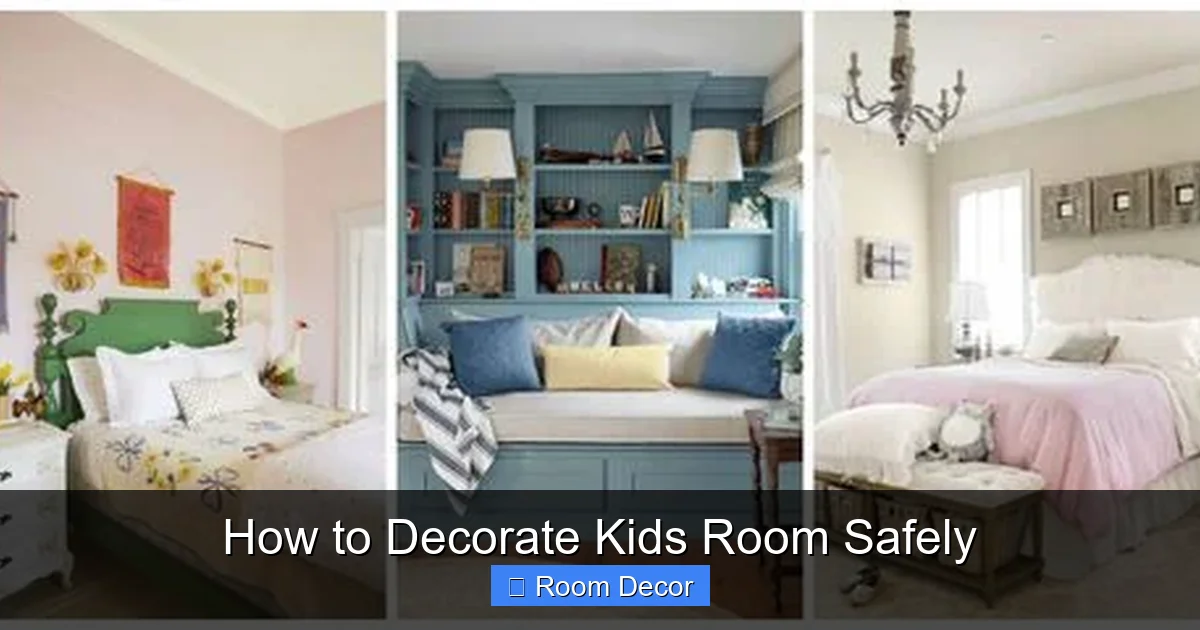
Creating a safe and inviting space for your child is paramount. This guide provides a step-by-step approach to help you decorate kids room safely, covering everything from furniture selection and material choices to electrical and window safety. Learn how to identify and mitigate potential hazards, ensuring your little one’s room is a haven for play and rest, free from hidden dangers. Prioritize safety without sacrificing style, creating a beautiful and secure environment for your child to grow.
How to Decorate Kids Room Safely
Creating a magical and stimulating space for your child is one of the joys of parenthood. You want their room to be a sanctuary, a place where they can play, learn, grow, and dream. However, amidst all the exciting decor choices, one thing must always come first: safety. A child’s room is often where they spend a significant amount of time, exploring and discovering. This means it must be a secure environment, free from hidden dangers and potential hazards.
This comprehensive guide will walk you through everything you need to know to decorate kids room safely, from choosing the right furniture and materials to securing potential risks. We’ll cover practical tips, step-by-step instructions, and common concerns to help you create a beautiful, functional, and, most importantly, safe haven for your little one. By following these guidelines, you can have peace of mind knowing your child’s room is designed with their well-being at its core.
Key Takeaways
- Prioritize Age-Appropriate Safety: Always consider your child’s current developmental stage and future growth when selecting furniture and decor. What’s safe for a toddler might not be for an infant, and vice versa.
- Secure All Furniture: Anchor dressers, bookshelves, and other tall furniture to the wall using anti-tip kits. This is a critical step to prevent serious tip-over injuries in a child’s room.
- Choose Non-Toxic Materials: Opt for paints, finishes, and fabrics that are VOC-free, hypoallergenic, and free from harmful chemicals. This ensures good air quality and minimizes exposure to toxins.
- Eliminate Choking Hazards and Small Parts: Carefully select toys and decor that are age-appropriate and don’t contain small, detachable parts that could pose a choking risk, especially for babies and toddlers.
- Manage Cords and Window Blinds: Secure all electrical cords out of reach and choose cordless window coverings or secure cords with safety devices to prevent strangulation hazards.
- Regular Safety Checks Are Essential: Periodically inspect the room for loose parts, wear and tear, or new hazards as your child grows and their abilities change. Safety is an ongoing process.
- Maintain Good Air Quality: Ensure proper ventilation and regular cleaning to prevent dust, allergens, and mold buildup. Consider an air purifier if necessary for a healthier environment.
Step 1: Plan with Safety in Mind from the Start
Before you even pick out a paint color or a crib, thinking about safety from the very beginning will save you time, money, and potential headaches down the road. This initial planning phase is crucial when you want to decorate kids room safely.
Consider Age and Developmental Stage
A newborn’s room has different safety needs than a toddler’s or a school-aged child’s. Always keep your child’s current and future abilities in mind. For infants, focus on crib safety and non-toxic materials. For toddlers, focus on anchoring furniture and eliminating choking hazards. For older children, consider how they might climb or interact with items.
Future-Proofing and Adaptability
Children grow incredibly fast! Try to choose furniture and decor that can adapt as your child develops. For example, a convertible crib that turns into a toddler bed and then a full-size bed can be a smart, safe, and economical choice. This approach helps you maintain a safe environment as your child’s needs evolve, ensuring you continue to decorate kids room safely over time.
Budgeting for Safety
Sometimes, the safest option might cost a little more. Think of safety features as an investment. High-quality, sturdy furniture, anti-tip kits, and cordless blinds might seem like extra expenses, but they provide invaluable protection. Prioritize these items in your budget to ensure you can decorate kids room safely without compromise.
Step 2: Choose Safe Furniture Wisely
Furniture is often the biggest investment in a child’s room, and it’s also where many safety concerns can arise. Selecting the right pieces is foundational to creating a safe space.
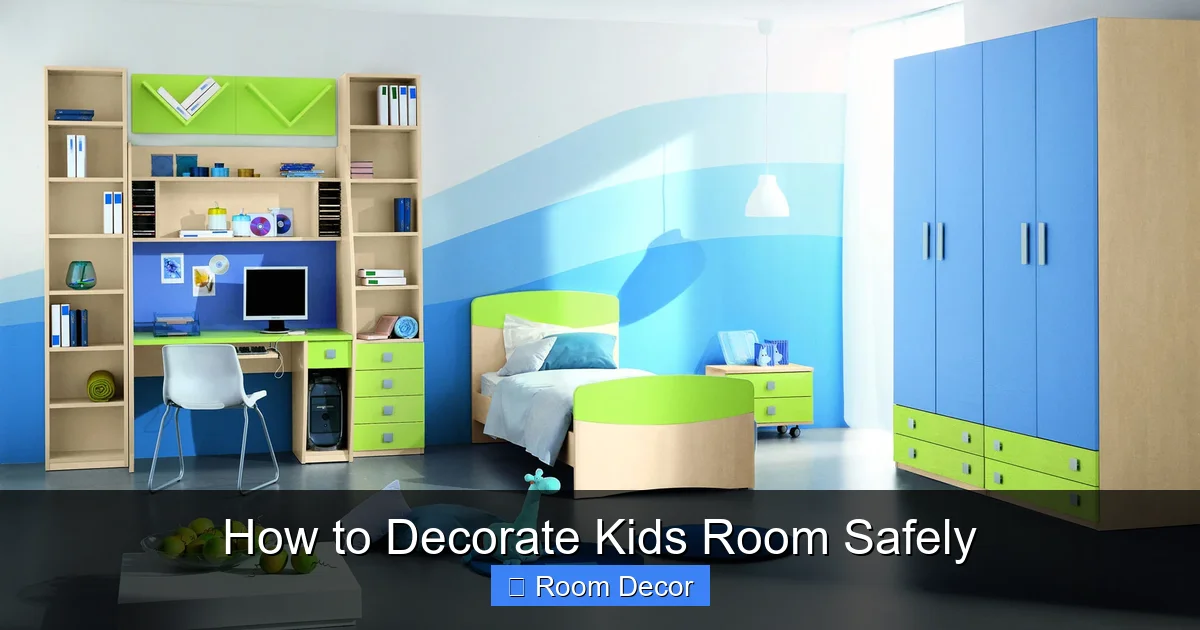
Visual guide about How to Decorate Kids Room Safely
Image source: mydecorative.com
Cribs and Beds
When selecting a crib, always check for current safety standards. Ensure the mattress fits snugly, with no more than two fingers’ width between the mattress and the crib frame. Avoid drop-side cribs, as they have been banned due to safety concerns. For toddler beds, ensure side rails are adequate to prevent falls. When moving to a larger bed, consider bed rails for younger children.
- Crib slats: Should be no more than 2 3/8 inches apart to prevent a child’s head from getting stuck.
- Mattress height: Adjust the mattress to its lowest setting once your baby can sit up or push up on hands and knees.
- Toddler beds: Ensure easy access and exit for your child, with sturdy construction.
Dressers and Bookcases
These items pose a significant tip-over hazard. It’s absolutely critical to secure them to the wall. This is a non-negotiable step when you want to decorate kids room safely.
- Anti-tipping kits: Use these readily available straps and brackets to anchor all tall, heavy furniture to the wall studs.
- Drawers: Avoid dressers with easily removable drawers that could be pulled out and climbed on. Consider safety catches if necessary.
- Weight distribution: Place heavier items in lower drawers or shelves to reduce the risk of tipping.
Chairs and Tables
Choose chairs and tables that are sturdy and stable, without sharp corners or edges. Rounded edges are ideal for preventing bumps and scrapes. Ensure chairs don’t easily tip over if a child leans back or climbs on them.
Toy Storage
Toy boxes can be fun, but they also carry risks. Opt for toy boxes with safety hinges that prevent the lid from slamming shut, or choose open bins and shelves instead. Ensure there are ventilation holes in any lidded container to prevent suffocation if a child accidentally climbs inside. Lightweight fabric bins are often a great, safer alternative.
Step 3: Prioritize Non-Toxic Materials and Finishes
The air quality and surface materials in your child’s room are just as important as the physical setup. Children are more susceptible to harmful chemicals, so make healthy choices.
Paints and Finishes
Always choose low-VOC (Volatile Organic Compound) or zero-VOC paints. These paints release fewer harmful chemicals into the air, creating a healthier environment. Look for certifications like GREENGUARD Gold. Allow plenty of ventilation and curing time after painting before your child spends time in the room.
- Lead-free: Ensure all paints and finishes are lead-free, especially if dealing with an older home.
- Natural wood finishes: If using wood furniture, ensure any sealants or varnishes are non-toxic and child-safe.
Flooring
Carpet can trap dust and allergens, but hard floors can be slippery. Consider options that balance both. If using carpet, opt for low-pile, hypoallergenic options. For hard floors (wood, laminate, vinyl), ensure they are slip-resistant or add non-slip rugs. Natural materials like cork or linoleum can be excellent, eco-friendly, and non-toxic choices to decorate kids room safely.
Fabrics
From bedding to curtains, fabrics can contain dyes and chemicals. Look for organic cotton, Oeko-Tex certified fabrics, or natural fibers. These are less likely to irritate sensitive skin or contribute to indoor air pollution. Ensure fabrics are flame-resistant or naturally flame-retardant.
- Hypoallergenic options: Especially important for children with allergies or asthma.
- Washable: Choose fabrics that are easy to clean to maintain hygiene.
Step 4: Secure Electrical and Window Hazards
Electrical outlets and window coverings are common hazards in any home, but they are particularly dangerous in a child’s room. Taking precautions here is a must when you decorate kids room safely.
Outlet Covers
All unused electrical outlets must be covered with tamper-resistant or safety covers. Push-in plastic caps are a basic start, but sliding or box covers offer better protection as children get older and more curious. Keep electrical appliances like nightlights or sound machines away from reach.
Cord Management
Loose electrical cords from lamps, electronics, or baby monitors are strangulation hazards. Bundle them securely, use cord covers, or tuck them away behind furniture, out of sight and reach. Ensure any floor lamps are stable and unlikely to tip over.
Window Blinds and Cords
Window blind cords are one of the leading causes of strangulation in young children. The safest option is to choose cordless blinds, shades, or shutters. If you have existing corded blinds, install safety devices like cord cleats or tie-downs to keep cords well out of reach. Cut looped cords or replace them with individual wands.
Window Guards and Locks
If your child’s room is on an upper floor, install window guards or stops that prevent windows from opening more than a few inches. These allow for ventilation but prevent falls. Ensure all windows have secure locks that are functional.
Step 5: Select Safe Decor and Accessories
The fun part—decorating! But even small decorative items can pose risks if not chosen and placed carefully. This step is about integrating aesthetic appeal with necessary safety measures.
Wall Art and Decorations
Hang pictures, shelves, and mirrors securely to wall studs whenever possible. Use appropriate hardware (anchors, heavy-duty hooks). For items directly above the crib or bed, choose lightweight pieces, like canvas prints, rather than heavy framed art or mirrors, in case they fall. Avoid placing shelves directly above the sleeping area.
Mirrors
If you have mirrors, ensure they are shatterproof or have a safety film. Mount them very securely to the wall, or opt for freestanding mirrors with sturdy bases that can also be anchored. Avoid placing mirrors where curious hands can easily reach and pull them down.
Rugs
Rugs can add warmth and color but also be tripping hazards. Choose rugs with non-slip backing or use a rug pad underneath to prevent slipping. Ensure the rug lies flat and doesn’t have curled edges.
Small Objects and Choking Hazards
This is critical for babies and toddlers. Anything smaller than a toilet paper roll can be a choking hazard. Keep small toys, loose buttons, beads, coins, batteries, and other tiny objects completely out of reach. Check toys regularly for broken parts that could become choking hazards. This vigilance is a cornerstone of how to decorate kids room safely for younger children.
Lighting
Choose lamps and light fixtures that are stable and don’t get excessively hot. Ensure light bulbs are not easily accessible for little hands. Floor lamps should be heavy-based and placed in corners where they are less likely to be knocked over. Nightlights should be simple, plug-in models that don’t pose a fire risk and are out of reach.
Step 6: Ensure Good Air Quality and Ventilation
Beyond furniture and decor, the invisible elements of a room – air quality – are crucial for your child’s health and safety.
Regular Cleaning
Dust, pet dander, and allergens can build up. Regular vacuuming (with a HEPA filter vacuum), dusting, and wiping down surfaces will significantly improve air quality. Clean spills immediately to prevent mold growth.
Air Purifiers
If your child has allergies, asthma, or you live in an area with poor air quality, a HEPA air purifier can be a beneficial addition. Place it in a safe location where it can’t be knocked over or accessed by curious hands.
Ventilation
Open windows periodically (with proper window guards, as mentioned) to allow fresh air circulation. Ensure the room doesn’t get too humid, which can lead to mold and mildew. Use exhaust fans in bathrooms if adjacent to the child’s room to control moisture.
Step 7: Conduct Regular Safety Checks
Decorating a kids room safely isn’t a one-time task. It’s an ongoing commitment as your child grows and the room ages.
Routine Inspections
Make it a habit to regularly inspect the room. Look for:
- Loose screws or bolts on furniture.
- Wobbly or damaged furniture.
- Worn-out electrical cords.
- Loose or peeling paint.
- Broken toys or small parts that have detached.
- Cords that have become accessible.
- Window locks that are no longer secure.
Adapting to Child’s Growth
As your child gains new skills (like crawling, standing, climbing), re-evaluate the room’s safety. What was safe for a crawler might not be for a climber. Adjust furniture, remove hazards, and update safety measures accordingly. For instance, once your toddler can climb out of their crib, it’s time to transition to a toddler bed.
Troubleshooting Common Concerns When You Decorate Kids Room Safely
What if I have existing furniture?
You don’t always need to buy new. If you have older furniture, ensure it meets current safety standards. For dressers and bookshelves, immediately purchase and install anti-tip kits. Check for sharp edges and add corner protectors if needed. Sand down any splinters and repaint with non-toxic, low-VOC paint if the finish is old or chipped.
How to deal with specific hazards in older homes (e.g., lead paint)?
If you suspect lead paint, do not attempt to sand or remove it yourself, as this can release dangerous lead dust. Consult a certified lead abatement professional. For other structural issues, consult professionals to ensure the room is safe before decorating. Prioritize encapsulation or removal of lead hazards.
How to maintain a “fun” look while being safe?
Safety doesn’t mean sacrificing style! Many child-safe products come in vibrant colors and creative designs. Opt for soft, plush toys made from natural materials, colorful wall decals (applied at a safe height), and secure, playful lighting. Use creativity to find safe alternatives for popular decor trends. For example, instead of a heavy mirror, use a shatterproof acrylic one.
A child’s room should be a place of wonder and joy, and with careful planning and consistent attention to safety, it absolutely can be both. By following these steps to decorate kids room safely, you are creating an environment where your child can thrive, explore, and feel completely secure. Your thoughtful efforts will contribute immensely to their well-being and your peace of mind.
Conclusion
Decorating a child’s room is an exciting endeavor, filled with dreams of bright colors and playful designs. However, the most beautiful room is ultimately the safest one. By diligently following these guidelines to decorate kids room safely, you’re not just arranging furniture and picking out decor; you’re actively creating a secure foundation for your child’s growth and development. From anchoring furniture and choosing non-toxic materials to securing electrical outlets and managing cords, every step you take contributes to a worry-free environment. Remember that safety is an ongoing process, requiring regular checks and adaptations as your child grows. Invest the time and effort now, and enjoy the lasting peace of mind that comes from knowing your child’s haven is as safe as it is special.