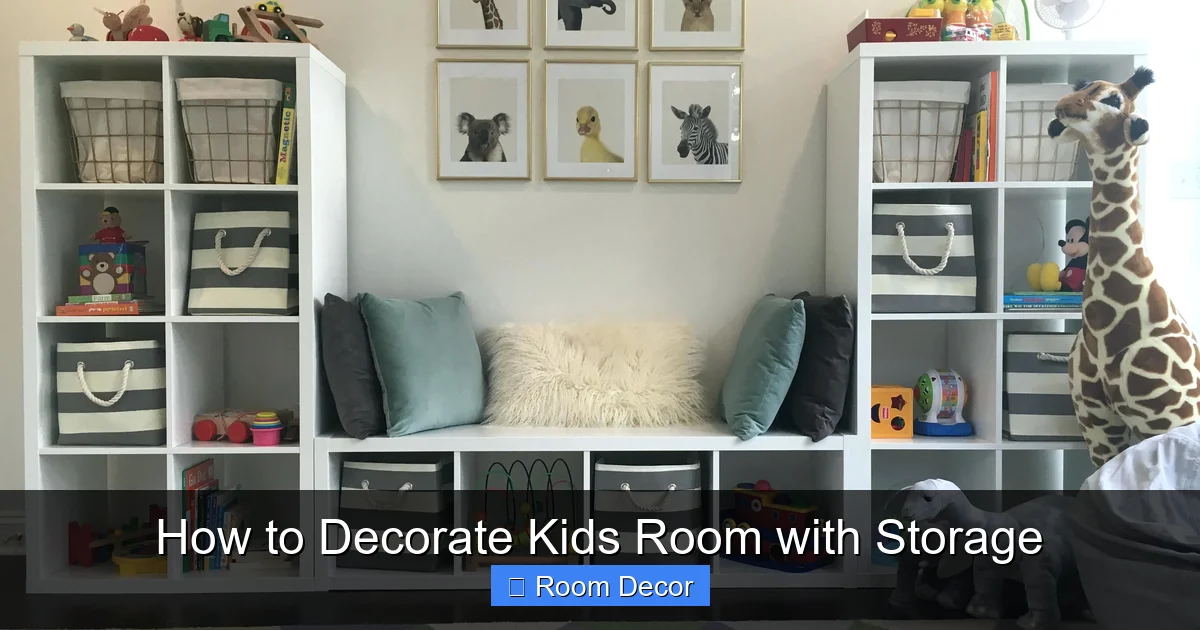
Discover how to transform your child’s space with smart storage solutions. This guide offers practical steps to decorate kids room with storage, ensuring functionality meets fun. Say goodbye to clutter and hello to an organized, playful environment designed for growth, making tidying a breeze.
How to Decorate Kids Room with Storage
Welcome to the wonderful world of kids’ room decor! If you’re a parent, you know that a child’s room can quickly go from tidy to toy-topia in minutes. Toys, books, clothes, art supplies – they all seem to multiply overnight! That’s why learning how to decorate kids room with storage isn’t just about aesthetics; it’s about creating a functional, peaceful, and inspiring space for your little one (and a less stressful one for you!).
This guide will walk you through everything you need to know to transform your child’s room into an organized haven. We’ll explore clever storage solutions, smart furniture choices, and creative ways to keep clutter at bay, all while maintaining a fun and inviting atmosphere. By the end, you’ll have a clear roadmap to successfully decorating a kid’s room with storage that grows with your child and makes tidying up a breeze. Let’s get started on creating a beautiful and functional space!
Key Takeaways
- Assess Needs First: Before buying, take inventory of your child’s belongings and consider their age and the room’s dimensions to tailor storage effectively.
- Multifunctional Furniture is Key: Invest in beds, benches, and desks that double as storage to maximize space and utility without adding bulk.
- Maximize Vertical Space: Utilize walls with shelves, cubbies, and over-the-door organizers to free up floor space and keep items accessible.
- Implement Smart Container Solutions: Use bins, baskets, and containers to categorize and contain items. Label them (especially with pictures for younger kids) for easy tidying and access.
- Prioritize Child-Friendly Design: Ensure storage is at your child’s accessible height, integrated with the room’s theme, and always safe by anchoring furniture and choosing appropriate materials.
- Maintain and Adapt Over Time: Regularly declutter, involve your child in the organizing process, and be flexible with your storage system as their needs and interests evolve.
Step 1: Assess Your Child’s Needs and Room Space
Before you dive into buying furniture or colorful bins, the first crucial step to effectively decorate kids room with storage is to understand what you’re storing and where. This foundation will guide all your subsequent decisions.
Take Inventory of Belongings
Start by truly seeing what your child has. Gather all toys, books, clothes, art supplies, and any other items currently scattered around. Sort them into categories. This helps you visualize the volume and types of items that need a home.
- How many small toys (LEGOs, action figures) do we have?
- What about larger items (stuffed animals, ride-on toys)?
- How many books need shelving?
- What kind of clothing storage is needed (hanging, folded)?
Consider Your Child’s Age and Development
Storage needs change dramatically as children grow. What works for a toddler won’t necessarily work for a pre-teen. When you decorate kids room with storage, keep their current stage and future growth in mind.
- Toddlers & Preschoolers: Need easily accessible, open storage. Bins on low shelves are perfect for their reach. Safety is paramount – no heavy items on high shelves.
- School-Aged Children: Can manage more complex storage. Desks with drawers, higher shelves for books, and specific places for school supplies become important. They can also help with labeling and tidying.
- Tweens & Teens: Require more personal space, sophisticated storage for hobbies, electronics, and clothing. Hidden storage and stylish solutions are often preferred.
Measure Your Space
Room dimensions are crucial. Grab a tape measure and note down the length, width, and height of the room. Don’t forget to measure walls with windows, doors, and any built-in features that might affect furniture placement. This will prevent you from buying pieces that don’t fit and helps you visualize how different storage solutions will integrate. Knowing your room’s potential will greatly assist your efforts to decorate kids room with storage efficiently.
Step 2: Plan Your Storage Zones
A well-organized kids’ room often has designated zones for different activities. This makes it easier for your child to find what they need and, crucially, to put it away. Think about the main functions of the room as you plan how to decorate kids room with storage.
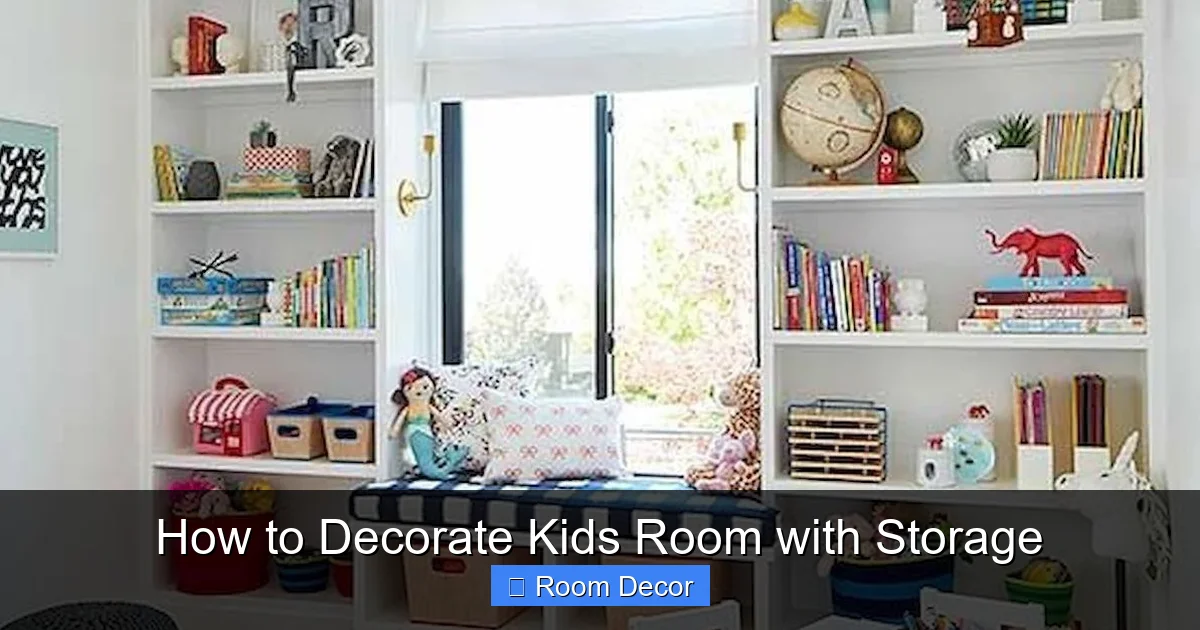
Visual guide about How to Decorate Kids Room with Storage
Image source: i.pinimg.com
The Play Zone
This area will likely need the most robust storage. Think about storing toys by type. Open bins and baskets are excellent for quick clean-ups of blocks, cars, or dress-up clothes. Low shelves or cubbies are ideal for board games and larger toys. Make sure storage is at your child’s height so they can easily access and return items themselves. This encourages independence and tidiness.
The Sleep & Relax Zone
Around the bed, storage can be minimal but purposeful. A nightstand with a drawer for books or a small lamp is useful. Under-bed storage (drawers or rolling bins) can be perfect for extra bedding, seasonal clothes, or even less-frequently used toys. When you decorate kids room with storage, consider how these items can be tucked away neatly.
The Study/Activity Zone
If your child has a desk, this area requires storage for school supplies, art materials, and books. Look for desks with built-in drawers or hutches. Wall-mounted shelves above the desk can hold textbooks and display items. Pencil holders, file organizers, and small bins for craft supplies are essential here to keep surfaces clear for homework and creative projects.
The Clothing & Accessory Zone
Beyond the main closet, consider supplemental storage for clothes, shoes, and accessories. Drawer units, hanging organizers within the closet, or even a small dresser can make a big difference. For younger children, ensure drawers are easy to open. For older kids, think about laundry hampers that blend with the decor and provide a designated spot for dirty clothes.
Step 3: Choose Smart Furniture with Built-in Storage
One of the most effective ways to decorate kids room with storage is by investing in furniture that serves multiple purposes. This maximizes functionality without taking up extra floor space.
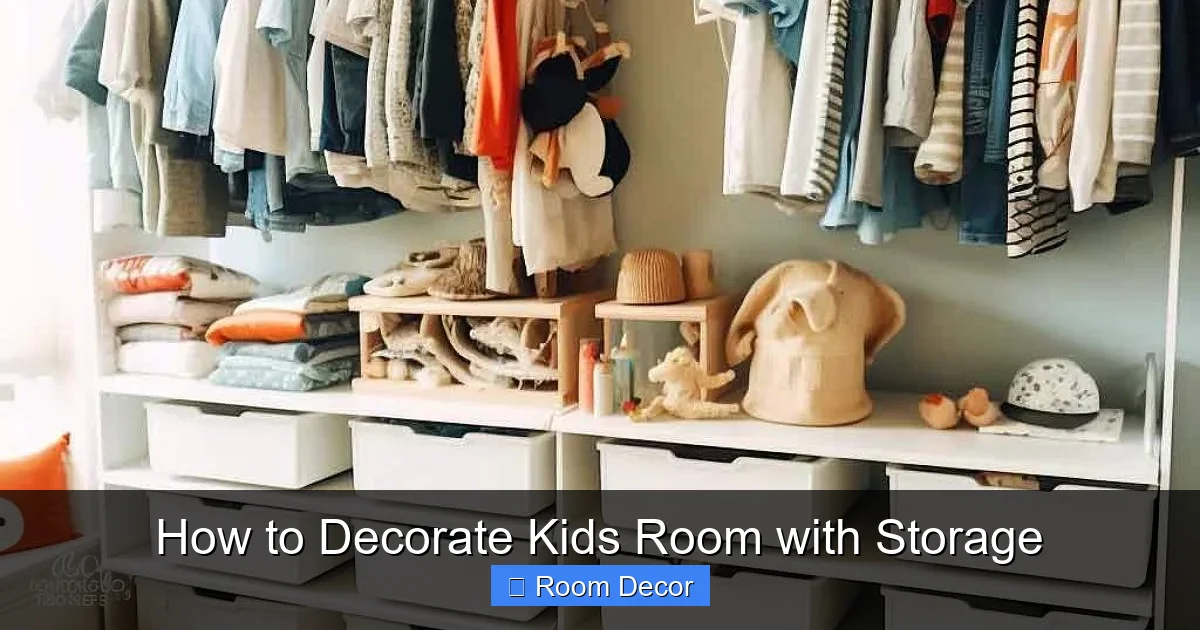
Visual guide about How to Decorate Kids Room with Storage
Image source: godownsize.com
Beds with Storage
The bed takes up a significant footprint, so make it work harder! Many options offer integrated storage:
- Drawer Beds: Feature drawers built directly into the bed frame, perfect for clothes, books, or toys.
- Captains Beds: Similar to drawer beds but often with more extensive storage, sometimes including shelving or cubbies at the foot or side.
- Loft Beds: Elevate the sleeping area, freeing up the space underneath for a desk, play area, or a chest of drawers.
- Bunk Beds with Storage: Some come with built-in shelves, drawers, or a pull-out trundle which can double as extra storage.
Desks and Workstations
A functional desk is vital for school-aged children. Look for designs that incorporate storage:
- Desks with Drawers: Essential for stationery, notebooks, and small supplies.
- Desk Hutches: Offer vertical shelving above the desk surface for books or bins.
- Corner Desks: Utilize often-unused corner spaces, sometimes with wrap-around shelving.
Benches and Ottomans
These pieces are fantastic for seating and hidden storage, making them perfect when you decorate kids room with storage. A storage bench can sit under a window or at the foot of a bed, offering a cozy spot to read and a discreet place to tuck away toys, blankets, or dress-up clothes. Storage ottomans are versatile, serving as footrests, extra seating, or small tables, all while concealing clutter.
Step 4: Maximize Vertical Space
When floor space is limited, look up! Walls offer a wealth of untapped storage potential. Utilizing vertical space is a cornerstone of smart organization when you decorate kids room with storage.
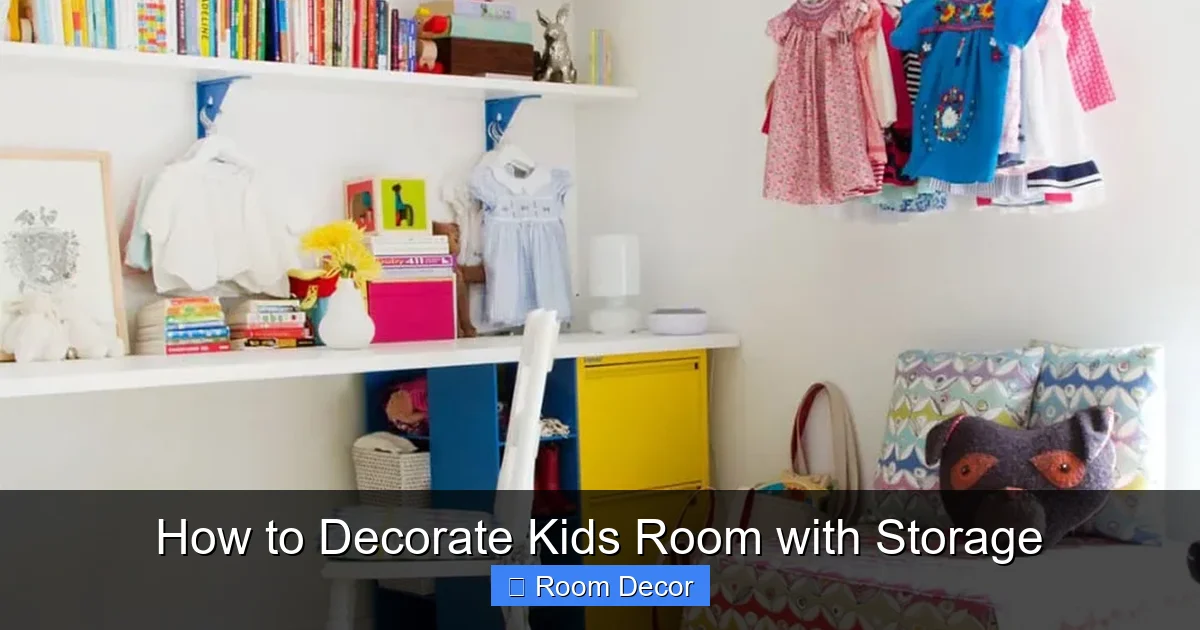
Visual guide about How to Decorate Kids Room with Storage
Image source: cdn.apartmenttherapy.info
Wall-Mounted Shelving
Shelves are incredibly versatile. You can install floating shelves, picture ledges (great for displaying books with covers facing out), or more traditional bracketed shelves. Place them at varying heights – lower ones for frequently accessed items by your child, and higher ones for display or less-used items. Choose shelves that match the room’s aesthetic for a seamless look.
Cubby Units and Bookcases
Whether standalone or wall-mounted, cubby units and bookcases are essential. They provide defined spaces for toys, books, and decorative items. Combine them with fabric bins or baskets for a neat, organized appearance. These are great for creating a dedicated “library” corner or organizing sets of toys like LEGOs or puzzles. A tall, narrow bookcase can provide significant storage without taking up much floor area.
Over-the-Door Organizers
Don’t forget the back of the door! Over-the-door shoe organizers with clear pockets are fantastic for small toys, art supplies, or hair accessories. Hanging fabric organizers with multiple pockets can store anything from stuffed animals to pajamas, making them a discreet yet highly functional addition when you decorate kids room with storage.
Step 5: Utilize Bins, Baskets, and Containers Effectively
Once you have your main storage furniture, it’s time to fill it! Bins, baskets, and containers are the unsung heroes of kids’ room organization. They help categorize, contain, and make tidying much easier.
Categorize and Contain
Assign a specific bin or basket for each type of item. One for blocks, one for cars, one for dolls, one for art supplies. This makes it incredibly simple for your child to know where things belong and where to find them. Open-top bins are great for quick cleanup, while lidded containers can hide items for a tidier appearance.
Labeling for Easy Access
Especially for younger children who can’t read yet, picture labels are a game-changer. Print or draw simple images (a block for the block bin, a car for the car bin) and attach them to the front of each container. For older children, text labels work well. Labeling not only helps with finding items but also reinforces the habit of putting things back in their proper place. This is a critical step in maintaining order after you decorate kids room with storage.
Choose Durable and Safe Materials
Kids’ storage needs to withstand a lot of wear and tear. Look for materials like:
- Plastic: Easy to clean, durable, and often transparent for quick content identification.
- Fabric Bins: Soft, lightweight, and come in a huge variety of colors and patterns to match any decor.
- Woven Baskets: Add texture and a natural feel. Ensure they don’t have sharp edges.
- Wood: Sturdy and classic, often used for toy chests or larger storage boxes.
Always ensure containers are safe, without sharp edges, and that any lids are easy for your child to open and close without pinching fingers.
Step 6: Incorporate Creative and Hidden Storage Solutions
Sometimes the best storage is the kind you don’t immediately see. Hidden solutions help maintain a clean aesthetic and keep less-used items tucked away.
Under-Bed Storage
Beyond built-in drawers, consider rolling bins or shallow plastic containers that fit neatly under the bed frame. These are excellent for seasonal clothing, extra blankets, or rotating toys (bring out a fresh set every few weeks to keep things interesting and reduce clutter). Clear containers can help you quickly see what’s inside.
Window Seats with Storage
A window seat is a charming addition to any room, and one with a lift-top lid or drawers underneath offers valuable hidden storage. It’s a perfect spot for books, board games, or larger toys, while also providing a cozy reading nook. This is a brilliant way to decorate kids room with storage that is both beautiful and practical.
Decorative Storage Boxes and Trunks
Don’t underestimate the power of a beautiful box! Decorative storage boxes, chests, or trunks can add to your room’s theme while cleverly concealing items. Place them on top of a dresser, under a console table, or even stacked in a corner. They’re ideal for keepsakes, art projects, or small collections that you want to keep dust-free and out of sight.
Step 7: Design for Aesthetics, Safety, and Accessibility
While functionality is key, the room should also be a joyful and safe space. Integrating storage into the overall decor thoughtfully is essential when you decorate kids room with storage.
Integrate with Room Theme
Choose storage solutions that complement your child’s room theme and color scheme. If it’s a jungle theme, perhaps woven baskets or green fabric bins. If it’s a space theme, clear plastic bins or metallic accents might work. Storage can enhance the decor, not just disappear into it. Consider painting shelves or cubbies to match accent colors in the room.
Ensure Child-Friendly Access
The golden rule for kids’ room storage: if they can’t reach it, they won’t use it. Place frequently used items on lower shelves or in easily accessible bins. Heavy items should always be stored low to prevent accidents. Empowering your child to put things away themselves is a huge step toward an organized room.
Prioritize Safety
Safety is non-negotiable. When you decorate kids room with storage, always consider:
- Anchoring Furniture: Secure tall bookcases, dressers, and shelves to the wall to prevent tip-overs.
- Rounded Edges: Opt for furniture with rounded corners to minimize bumps and bruises.
- Lids: Ensure toy chest lids have safety hinges that close slowly to prevent pinched fingers.
- Heavy Items: Store heavier items on lower shelves.
- Accessibility: Avoid placing storage where it could create tripping hazards or block pathways.
Step 8: Maintain an Organized System Over Time
Setting up a great storage system is the first step; maintaining it is the ongoing challenge. A successful kids’ room storage plan is dynamic and evolves with your child.
Regular Decluttering
Schedule regular decluttering sessions – perhaps quarterly or seasonally. Go through toys, clothes, and books with your child. Encourage them to decide what to keep, donate, or discard. This teaches them valuable lessons about organization and generosity. A good rule of thumb: if it hasn’t been used in six months to a year, it might be time for it to go.
Involve Your Child
Children are more likely to respect and use a system they helped create. Involve them in choosing bins, labeling, and even deciding where certain items should go. Make tidying up a game, not a chore. This active participation is key to a lasting organized space after you decorate kids room with storage.
Be Flexible and Adaptable
Kids’ interests change, and so do their belongings. What works for a 5-year-old’s obsession with dinosaurs might not work for an 8-year-old’s passion for coding. Be prepared to rearrange, repurpose, or replace storage solutions as needed. The best way to decorate kids room with storage is with an eye towards adaptability.
Troubleshooting Common Storage Challenges
Even with the best planning, you might encounter some common hurdles. Here are quick tips for typical kids’ room storage dilemmas.
Too Many Small Toys
Small toys like LEGOs, Polly Pockets, or Hot Wheels can be a nightmare.
Solution: Use clear, shallow containers with lids that can stack. Categorize them further (e.g., “blue LEGOs,” “red LEGOs”) or simply by type. Large, sturdy fabric bins are also excellent for corralling a multitude of small items quickly.
Clothes Pile Up
Children often throw clothes on the floor instead of putting them away.
Solution: Ensure a laundry hamper is easily accessible and clearly designated. Use kid-level hooks for jackets or frequently worn items. Simplify wardrobe storage – if hanging is hard, use more drawers or open bins for folded items. A “donate” or “too small” bin in the closet can also help reduce clutter.
Limited Floor Space
When the room is small, every inch counts.
Solution: Go vertical with wall-mounted shelves, loft beds, and over-the-door organizers. Utilize under-bed storage. Choose slim-profile furniture. Multi-functional pieces like storage ottomans are also invaluable. Prioritize items that truly need to be in the room and rotate others if space is extremely tight.
Conclusion
Learning how to decorate kids room with storage is an investment in both aesthetics and sanity. By thoughtfully assessing needs, planning zones, choosing smart furniture, and embracing clever containers, you can create a beautiful, organized, and highly functional space for your child. Remember to involve your child in the process, prioritize safety, and be prepared to adapt as they grow. A well-organized room isn’t just about neatness; it fosters independence, creativity, and a sense of calm. Take these steps, and enjoy the transformation of your child’s room into a clutter-free, joyful haven!