Decorating a room with simple DIY items is achievable and budget-friendly! Focus on repurposing, thoughtful placement, and personal touches to transform your space affordably and stylishly. Get ready to create a home you love without breaking the bank.
Feeling overwhelmed by how to make your room look amazing without spending a fortune? It’s a common struggle, especially when you’re just starting out or on a tight budget.
But here’s a little secret: you don’t need fancy furniture or expensive art to create a beautiful space. Simple things, with a touch of DIY magic, can make a huge difference.
We’ll walk through easy, creative ways to decorate your room using things you might already have or can find affordably. Let’s get your space looking stylish and feeling like you!
Decorate Your Room with Simple Things DIY: Essential Tips for Beginners
Transforming your living space doesn’t require a huge budget or professional design skills. With a bit of creativity and a willingness to try some DIY projects, you can make your room feel fresh, stylish, and uniquely yours.
This guide is packed with simple, actionable tips to help you decorate your room using everyday items. We’ll focus on smart strategies that make a big impact without costing a lot.
From clever storage solutions to personalized wall art, get ready to discover how easy and fun decorating can be. Let’s dive into making your room a cozy, beautiful haven!
1. Declutter and Organize: The Foundation of Great Decor
Before you even think about adding new decorative items, take a good look at what you already have. Clutter is the enemy of good design, making even the most beautiful room feel chaotic.
Start by clearing out anything you don’t use, need, or love. This process itself can make your room feel bigger and more serene. Once you’ve decluttered, think about smart organization.
Think about how you can store things neatly. This might involve using baskets, shelves, or drawer dividers. Organized spaces are naturally more pleasing to the eye and provide a clean canvas for your decorative touches. For more inspiration on stylish and functional storage, check out our guide on stylish kitchen storage accessories that can be adapted for any room.
DIY Organization Hacks
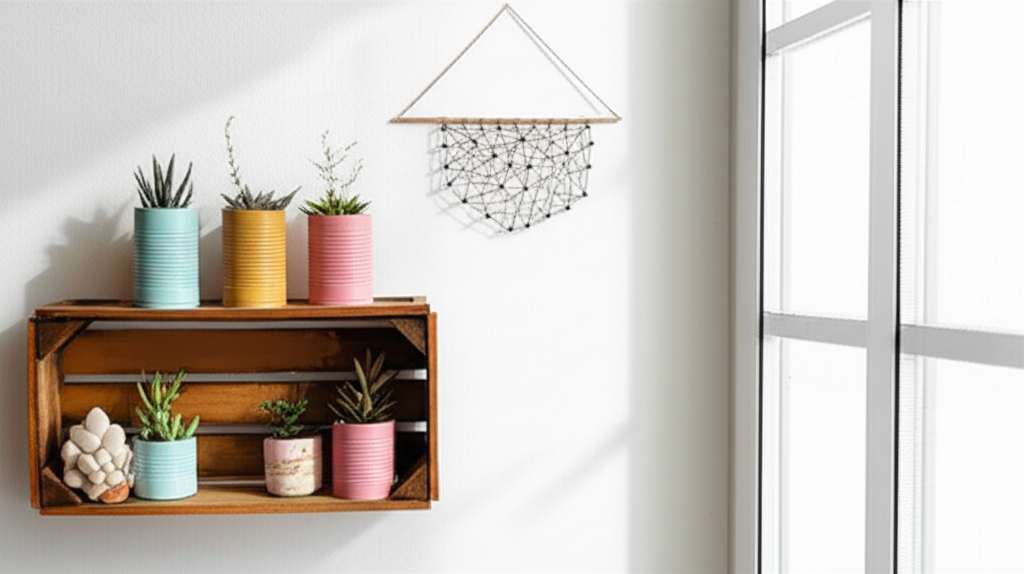
- Repurpose Jars and Cans: Cleaned out jam jars or tin cans can become stylish holders for pens, makeup brushes, or small craft supplies. You can paint them or cover them with decorative paper for an extra flair.
- Cardboard Box Makeovers: Sturdy cardboard boxes can be transformed into attractive storage solutions. Cover them with fabric, wallpaper scraps, or contact paper to match your room’s aesthetic. They’re perfect for storing books, linens, or seasonal items.
- Pegboards for Wall Storage: A simple pegboard can be mounted on the wall and customized with hooks, shelves, and baskets. This is a fantastic way to store and display often-used items while keeping surfaces clear. Check out this guide on how to install a pegboard from Family Handyman for easy mounting instructions.
2. Embrace the Power of Paint: A Budget-Friendly Transformation
Paint is one of the most powerful and affordable tools in a decorator’s arsenal. A fresh coat of paint can completely change the mood and feel of a room, making it look and feel brand new.
Don’t be afraid to experiment with color! Even a single accent wall in a bold or calming shade can add significant visual interest. Lighter colors can make a small room feel more spacious, while deeper hues can create a cozy, intimate atmosphere.
If painting an entire room feels like too much, consider painting just one wall, or even just a piece of furniture. A pop of color on an old dresser or bookshelf can give it a new lease on life. For warm and inviting color inspiration, explore our collection of warm kitchen color ideas that work beautifully in any space.
Painting Tips for Beginners
- Start Small: If you’re new to painting, try a small project first, like an accent wall or a piece of furniture. This will help you get comfortable with the process.
- Prep is Key: Always clean your walls before painting and use painter’s tape to protect trim and edges. Proper preparation ensures a smooth, professional-looking finish.
- Choose the Right Finish: Matte finishes hide imperfections well, while satin or semi-gloss are more durable and easier to clean, making them good for high-traffic areas.
- Consider Non-Toxic Paints: For a healthier home environment, look for low-VOC or zero-VOC paints. The U.S. Environmental Protection Agency (EPA) provides guidance on greener paint choices.
3. DIY Wall Art: Personalize Your Space Creatively
Your walls are a blank canvas, and decorating them doesn’t have to be expensive. DIY wall art allows you to express your personality and create pieces that are truly unique.
Think about what inspires you and how you can translate that into visual art. Simple materials can be transformed into stunning focal points that tell your story.
Get creative with textures, colors, and materials. The most meaningful art often comes from the heart, making your room feel more personal and inviting. For more creative inspiration, browse our roundup of kitchen wall art ideas that can easily be adapted to bedrooms or living areas.
Easy DIY Wall Art Ideas
- Framed Fabric or Wallpaper Scraps: Collect interesting fabric remnants or wallpaper samples. Cut them to size and frame them for an instant gallery wall. This is a great way to incorporate patterns and textures.
- Pressed Flower Art: Collect beautiful flowers and leaves, press them flat between heavy books for a few weeks, and then arrange and glue them onto cardstock. Frame your delicate creations for a touch of nature.
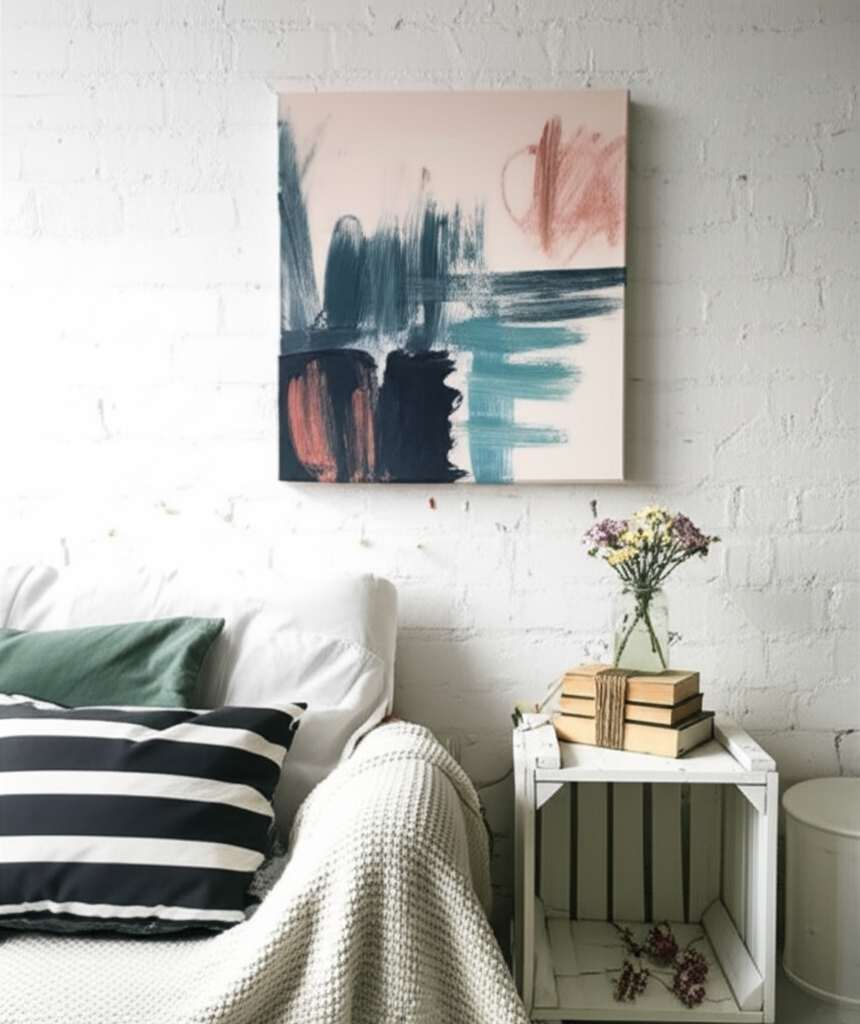
- Abstract Paint Splatter: Lay down a large canvas or thick paper, protect your surroundings, and have fun with paint! Splatter, drip, or brush on colors that complement your room. It’s a forgiving and expressive technique.
- Quote Art: Find a favorite quote or lyric. Hand-letter it onto a piece of wood, canvas, or even directly onto a painted wall (using a stencil if needed).
- Photo Collages: Print your favorite photos in black and white or sepia tones for a cohesive look. Arrange them in a grid or a more scattered pattern using washi tape or small clips.
4. Repurpose and Upcycle Furniture: Give Old Items New Life
Don’t underestimate the potential of furniture you already own or can find at thrift stores or yard sales. Upcycling is an eco-friendly and cost-effective way to add character to your room.
A little bit of cleaning, sanding, painting, or adding new hardware can completely transform an old piece of furniture. Think about how you can adapt existing items to better suit your needs and style.
This approach not only saves money but also adds a unique, vintage charm that mass-produced furniture often lacks. It’s about seeing the potential in the overlooked.
Upcycling Project Ideas
- Painted Bookshelf: An old bookshelf can be given a modern makeover with a coat of paint. Consider painting the back panel a contrasting color for added depth.
- Stenciled Dresser: Use stencils to add patterns or designs to a plain dresser. This can create a statement piece that looks professionally done.
- Repurposed Crates: Wooden crates can be stacked or mounted on the wall to create rustic shelving units or side tables.
- Chair Refresh: An old chair can be revitalized with a new coat of paint and a reupholstered seat. Look for unique fabrics that match your decor.
- Ladder Shelf: An old wooden ladder can be leaned against a wall and used as a unique display shelf for books, plants, or decorative items. For stability, ensure it’s securely fastened.
5. Lighting Magic: Set the Mood with Simple Fixtures
Lighting plays a crucial role in the atmosphere of a room. Harsh overhead lighting can make a space feel sterile, while softer, layered lighting can create warmth and ambiance.
You don’t need to rewire your house to improve your lighting. Simple changes can make a significant difference in how your room feels.
Focus on creating different light sources at various levels. This layering technique adds depth and makes the room more inviting and functional.
DIY & Affordable Lighting Solutions
- Fairy Lights/String Lights: Drape fairy lights around a mirror, across a headboard, or in a large glass jar for a magical glow. They are inexpensive and add instant charm.
- Lamp Makeovers: Update an old lampshade by recovering it with new fabric or ribbon. You can also paint the lamp base to match your decor.
- Smart Bulbs: Consider investing in smart bulbs that allow you to change the color and brightness of your lights via an app. This offers incredible versatility for setting different moods. Check out resources like the FTC’s guide to LED lighting for understanding energy efficiency.
- Candles (with caution): Real candles can add a cozy, warm glow, but always use them safely and never leave them unattended. Battery-operated LED candles offer a similar effect without the fire risk.
- Task Lighting: Add a simple desk lamp or a floor lamp for focused light where you need it, such as for reading.
6. Bring Nature Indoors: Greenery and Natural Elements
Plants and natural elements instantly bring life, color, and texture into a room, making it feel more welcoming and vibrant. They also contribute to better air quality.
You don’t need a green thumb to incorporate plants. Many houseplants are low-maintenance and thrive with minimal care. Even faux plants can add a touch of greenery if real ones are too challenging.
Beyond plants, consider other natural materials like wood, stone, or natural fibers. These elements add warmth and a grounding effect to your decor.
Incorporating Nature
- Easy-Care Plants: Snake plants, ZZ plants, and Pothos are notoriously forgiving and can tolerate various light conditions.
- DIY Planters: Decorate plain terracotta pots with paint, twine, or decoupage. Old tins, baskets, or even repurposed mugs can also serve as unique planters.
- Branch Decor: Find an interesting branch outdoors (ensure it’s clean and dry) and use it as a decorative piece. You can hang small ornaments from it or simply let it stand on its own.
- Seashells and Stones: If you live near the coast or have collected them on trips, arrange seashells or smooth stones in a bowl or on shelves for a natural, calming display.
- Wood Accents: Incorporate wooden elements like coasters, picture frames, or even a simple wooden tray to add warmth and texture.
7. Textiles and Soft Furnishings: Comfort and Color
Soft furnishings are key to making a room feel comfortable and inviting. They add color, texture, and a sense of coziness without a large investment.
Think about how cushions, throws, rugs, and curtains can elevate your space. These items are relatively easy to change out, allowing you to update your decor seasonally or as your style evolves.
Don’t shy away from mixing patterns and textures. This can add depth and personality to your room, making it feel more layered and stylish.
Textile DIY & Smart Buys
- DIY Cushions: Sew simple envelope cushion covers from fabric remnants or even old clothing. You can also buy plain cushion covers and embellish them with embroidery, fabric paint, or appliqués.
- Throws and Blankets: A chunky knit throw or a faux fur blanket instantly adds warmth and luxury. Look for affordable options at discount stores or consider learning to knit or crochet one yourself.
- Rugs: A well-placed rug can anchor a space and define different zones within a room. Consider layering smaller rugs for added texture and interest. Look for sales or consider flatweave rugs, which are often more affordable.
- Curtains: Simple, inexpensive curtains can make a big difference. If the length isn’t quite right, you can easily hem them yourself. Consider sheer curtains to maximize natural light.
- Fabric Wall Hangings: Instead of traditional art, hang a beautiful piece of fabric or a tapestry on the wall. This adds texture and a unique focal point.
8. Display Your Collections and Personal Items
Your room should reflect who you are. Displaying your collections, hobbies, and personal items adds character and makes your space feel lived-in and authentic.
Don’t hide things away that bring you joy. Think about creative ways to showcase them. This is where the “simple things” truly shine.
Whether it’s books, travel souvenirs, records, or artwork you’ve created, find ways to integrate them into your decor. This personal touch is what makes a house a home.
Showcasing Your Treasures
- Bookshelves as Decor: Arrange books by color, size, or by mixing them with decorative objects. Bookshelves aren’t just for books; they’re display spaces.
- Floating Shelves: Install a few floating shelves to display smaller items like figurines, plants, or framed photos without taking up much visual space.
- Display Cabinets or Curio Cases: If you have a collection you want to protect or showcase, consider a small display cabinet. Thrift stores are great places to find these.
- Pegboard Displays: As mentioned before, pegboards are excellent for displaying a variety of items, from art supplies to small collections.
- Shadow Boxes: Create shadow boxes to display meaningful mementos like ticket stubs, jewelry, or small trinkets.
9. The Art of Arrangement: How You Place Things Matters
Even with the simplest items, the way you arrange them can significantly impact the overall look of your room. Think about balance, scale, and flow.
Group similar items together for a more cohesive look, or create vignettes (small, decorative groupings) on shelves, tables, or mantels. This adds visual interest without clutter.
Consider the negative space – the empty areas around your decor. This is just as important as the items themselves, helping to prevent a room from feeling too busy.
Arrangement Tips
- The Rule of Three: Grouping decorative items in odd numbers, especially three, is often more visually appealing than even numbers.
- Vary Height: When creating a vignette, use items of different heights to add dimension. A tall vase, a medium-sized book, and a small candle create visual interest.
- Balance: Distribute visual weight around the room. If you have a large piece of furniture on one side, balance it with a grouping of smaller items or a taller decorative piece on the other.
- Focal Point: Decide on a focal point in your room – perhaps a piece of art, a statement lamp, or a uniquely arranged shelf. Build your other decor around this.
- Symmetry vs. Asymmetry: Both can work. Symmetry can create a sense of calm and order, while asymmetry can feel more dynamic and creative. Experiment to see what feels right for your space.
10. Smart Shopping for Affordable Decor
While DIY is fantastic, sometimes you need to buy a few new pieces. Knowing where to look for affordable decor can make all the difference.
Think beyond traditional home stores. Discount retailers, thrift stores, and online marketplaces can be treasure troves for stylish and budget-friendly finds.
Patience is key when bargain hunting. It might take a few trips or some searching online, but the savings and unique finds are well worth it.
Where to Find Affordable Decor
| Store Type | What to Look For | Tips |
|---|---|---|
| Thrift Stores / Charity Shops | Unique furniture, frames, vases, lamps, decorative objects, mirrors | Go often, check condition carefully, be open to upcycling potential |
| Discount Retailers (e.g., Target, Walmart, HomeGoods) | Cushions, throws, rugs, curtains, basic furniture, decorative accents | Check weekly for new arrivals, compare prices online |
| Online Marketplaces (e.g., Facebook Marketplace, Craigslist, Etsy) | Used furniture, handmade decor, unique art, vintage items | Read descriptions thoroughly, arrange for safe pickup, negotiate politely |
| Dollar Stores | Vases, candle holders, picture frames, craft supplies, small decorative items | Look for items that can be painted or embellished, check quality |
| Craft Stores (on sale) | Canvases, paints, yarn, fabric, basic frames, DIY supplies | Wait for sales and use coupons, great for custom art projects |
Frequently Asked Questions (FAQ)
Q1: What are the easiest DIY decorations for a beginner?
The easiest DIY decorations for beginners are usually those that involve minimal tools and techniques. Think framed fabric scraps, painted jars for storage, simple cushion covers, or creating a photo collage. These projects allow you to experiment without a steep learning curve.
Q2: How can I make my room look more expensive on a budget?
To make your room look more expensive, focus on decluttering and organizing. Add a few key pieces with good texture, like a plush throw or a nice rug. Investing in updated hardware for furniture and using consistent, sophisticated colors can also elevate the look. Good lighting is also crucial.
Q3: Is it okay to mix different decor styles in one room?
Yes, absolutely! Mixing decor styles can create a unique and personal space. The key is to find a common thread, such as a consistent color palette, a recurring material, or a shared theme, to tie the different styles together harmoniously.
Q4: How often should I update my room decor?
There’s no set rule! You can update your decor as often as you like, or as your budget and energy allow. Small changes like swapping out cushions or adding a new plant can refresh a room. Major changes, like painting or buying new furniture, can happen less frequently.
Q5: What’s the most impactful DIY decor project for a small room?
For a small room, painting is often the most impactful DIY project. A fresh coat of a light color can make the space feel much larger and brighter. Creating a statement accent wall or adding well-placed DIY wall art can also draw the eye and add personality without taking up floor space.
Q6: Where can I find free or very cheap materials for DIY projects?
You can find free or cheap materials by looking around your own home first! Old clothes, cardboard boxes, glass jars, and plastic containers can all be repurposed. Also, check local online groups for free items, or ask friends and family if they have anything they’re looking to get rid of.
Conclusion
Decorating your room with simple things and DIY projects is a rewarding journey that proves style doesn’t have to come with a hefty price tag. By focusing on decluttering, smart paint choices, creative wall art, upcycling furniture, thoughtful lighting, incorporating nature, using textiles effectively, showcasing your personal items, and mastering arrangement, you can transform your space into a reflection of your personality and taste.
Remember, the most beautiful rooms are often those that tell a story and feel authentically yours. Don’t be afraid to experiment, have fun, and embrace the process. The satisfaction of creating a beautiful, cozy, and stylish haven with your own hands is truly unparalleled. So, gather your simple treasures, unleash your creativity, and enjoy the process of making your room a place you absolutely love.