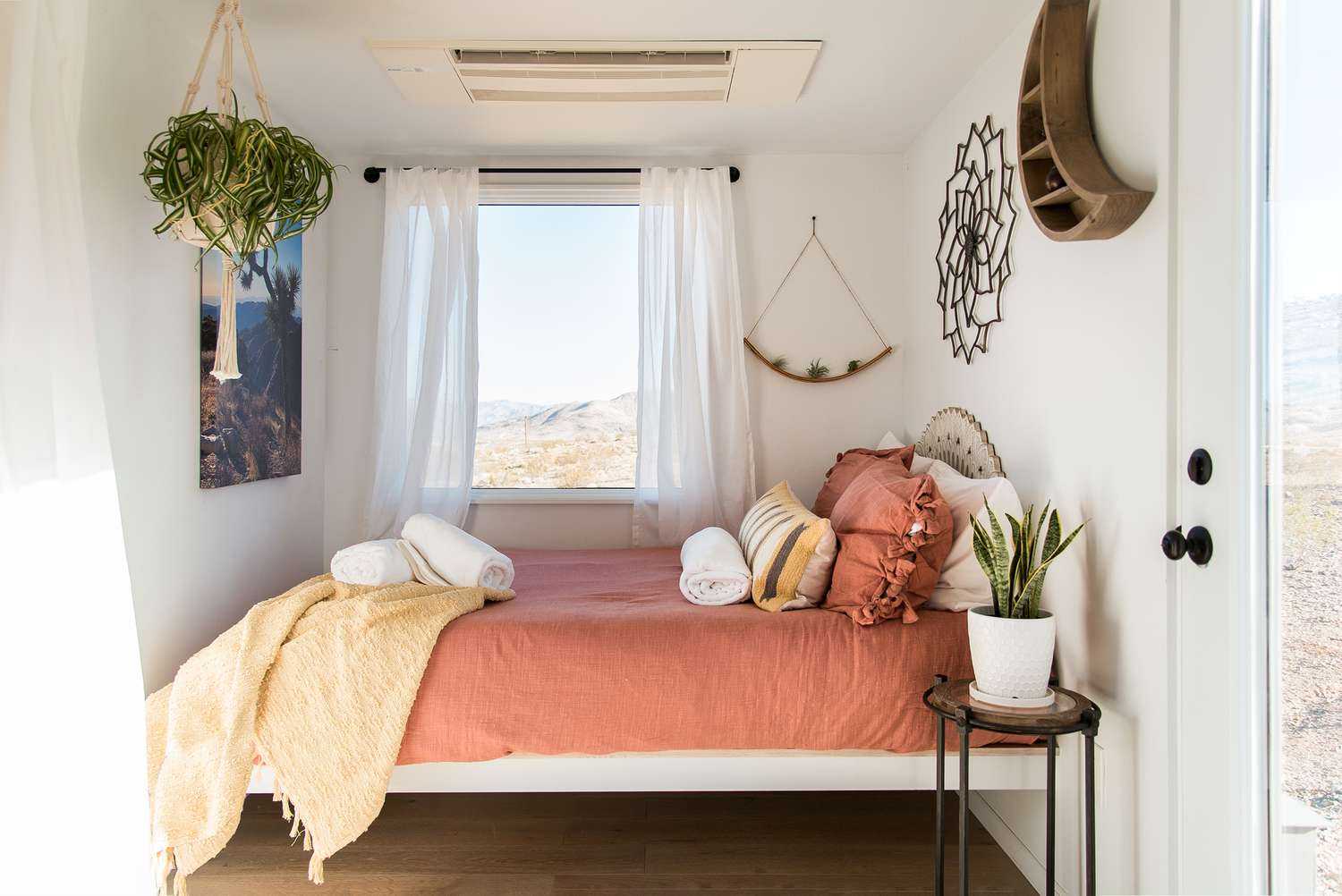
Decorating a small room can be a delightful challenge that, when approached wisely, transforms the space into a cozy and stylish haven. To start, focus on maximizing space and light. Use light colors to make the room feel larger and opt for multi-functional furniture to save space. Mirrors are your best friends—they create the illusion of depth and openness. Additionally, vertical storage solutions help keep the area tidy without overwhelming it. Remember, small doesn’t mean cluttered; it means being clever with your choices. With a little creativity and strategic planning, even the tiniest room can become an inviting sanctuary that reflects your unique style and serves all your needs comfortably. So let’s dive into some practical tips to elevate your small space!

“`html
How to Decorate Small Room
Decorating a small room can be both a challenge and an exciting opportunity. With the right approach, you can create a stunning space that feels open and inviting. This article will provide you with practical tips and creative ideas on how to decorate a small room effectively.
Understanding the Importance of Space
When it comes to small rooms, understanding space is crucial. You want to make the most out of every corner while maintaining a sense of balance. Prioritizing function and aesthetics is key.
– Use multi-functional furniture.
– Choose light colors to make the area feel larger.
– Keep the layout open and flowing.
Choosing a Color Palette
Color can entirely change the atmosphere of a room. Light colors often create a feeling of openness. Here are some color schemes to consider:
- Soft pastels for a calming effect.
- Neutral tones for versatility.
- Bold accents to add character.
Consider painting one wall a darker shade to create depth, but keep the other walls light to maintain brightness.
Incorporating Patterns
Patterns can add personality and detail. Use them wisely to avoid overwhelming the space. Consider:
– Geometric prints in rugs or curtains.
– Floral patterns on cushions or throws.
– Striped wallpaper for an illusion of height.
Furniture Selection Tips
Choosing the right furniture is essential in a small room. Opt for pieces that are appropriately sized and functional.
– **Choose Smaller Pieces**: Avoid oversized furniture.
– **Consider Height**: Select furniture with legs to create an airy feel.
– **Use Built-ins**: Built-in shelves maximize storage without taking up space.
Multipurpose Furniture
Investing in multipurpose furniture can save space and enhance functionality. Some options include:
- Sofa beds for guests.
- Ottomans with storage inside.
- Coffee tables that can double as desks.
Maximizing Vertical Space
In small rooms, going up can be a game-changer. Utilize the walls to your advantage.
– Install shelves to display books or decor.
– Hang hooks for bags and accessories.
– Use tall furniture to draw the eye upward.
Creative Wall Decor
Wall decor can personalize your small room while also saving space. Try these ideas:
– Mirrors to create an illusion of depth.
– Gallery walls with framed art or photos.
– Floating shelves to display smaller items.
Lighting Matters
Good lighting can make a small room feel more open and inviting. Consider the following:
- Use natural light whenever possible.
- Incorporate various light sources, like table lamps and wall sconces.
- Use sheer curtains for a soft glow.
Strategic Use of Mirrors
Mirrors can also enhance light in a small space. Reflection adds dimension, making the room feel larger.
– Position mirrors opposite windows for maximum light reflection.
– Use mirrored furniture to add elegance and brightness.
Storage Solutions
Storage can be a big issue in small rooms. Here are several stylish and practical solutions:
- Under-bed storage for clothes and shoes.
- Wall-mounted cabinets to keep the floor clear.
- Storage baskets that add texture and design.
Consider vertical storage units that take advantage of height while keeping the ground area open.
Decluttering Techniques
A clutter-free room feels larger. Keep items organized and only display what you love.
– Regularly sort through belongings.
– Use decorative boxes for hidden storage.
– Limit the number of decorative items displayed.
Adding Personal Touches
Make your small room a reflection of your personality.
– Use family photos or artwork that brings you joy.
– Incorporate souvenirs from travels.
– Select decorative items that are meaningful to you.
Personal touches can make your space feel cozy and unique.
Incorporating Plants
Adding plants to a small room can create a vibrant and lively atmosphere.
– Choose low-maintenance varieties like succulents.
– Use hanging planters to save space.
– Place plants on shelves or windowsills.
Plants can purify the air and bring a sense of nature indoors.
Creating Zones in a Small Room
If your small room serves multiple purposes, consider creating distinct zones.
– Use rugs to define different areas.
– Position furniture to separate living or sleeping spaces.
– Incorporate folding screens or bookcases for added separation.
Planning the layout can make multitasking easier.
Use of Rugs
Rugs can play a significant role in how a small room feels. They can add warmth and texture while defining spaces.
– Select a large area rug to unify the space.
– Choose soft textures for comfort.
– Look for designs that complement your color scheme.
Final Touches and Accessories
Accessorizing is the final step in decorating your small room. Small touches can pull everything together.
– Use cushions and throws to add comfort.
– Select curtains that match the overall decor.
– Incorporate decorative items that complement your theme.
Keep accessories minimal to avoid a cluttered look.
Seasonal Decorations
Changing decorations with the seasons can keep your room feeling fresh. Here’s how:
– Add seasonal pillows or throws.
– Use different wall art for a seasonal touch.
– Swap out flowers or greenery based on the season.
This will keep your space feeling vibrant and ever-changing.
By following these steps, you can effectively decorate your small room in a way that feels functional, stylish, and personal. A small room can be transformed into a cozy haven with careful planning and creative thinking. Embrace the challenge, and let your unique style shine through!
“`
Small Bedroom Design
Frequently Asked Questions
“`html
What are some color schemes that work well in small rooms?
When decorating a small room, light and neutral colors can make the space feel larger and more open. Soft whites, light grays, and pastel shades reflect light and create an airy atmosphere. You can also add pops of color through accessories or artwork to add personality without overwhelming the space.
How can I incorporate storage solutions in a small room?
Maximizing storage in a small room can involve using multifunctional furniture, such as ottomans or beds with built-in storage. Wall-mounted shelves and vertical storage options can help save floor space. Consider under-bed storage or utilizing the back of doors for additional organization.
What types of furniture should I choose for a small space?
In small rooms, opt for furniture that is proportionate to the space. Choose items with a slim profile and avoid bulky pieces. Consider furniture that can be easily moved or reconfigured, such as nesting tables or lightweight chairs. Transparent or mirror-finished furniture can also create an illusion of more space.
How can I use lighting to enhance a small room?
Proper lighting plays a critical role in making a small room feel inviting and spacious. Use a mix of ambient, task, and accent lighting to create depth. Consider floor lamps and wall sconces to save surface space. Natural light is ideal, so keep window treatments light and airy to allow as much light in as possible.
What decorating tips can help make a small room feel cozy?
Create a cozy atmosphere in a small room by layering textures through throw pillows, blankets, and rugs. Incorporate personal items like photos or artwork that reflect your style. Use warm lighting and scented candles to enhance comfort, making the space feel inviting and intimate.
“`
Final Thoughts
To decorate a small room, choose light colors and multifunctional furniture to create an illusion of space. Mirrors also help reflect light and make the area feel larger.
Incorporate vertical storage solutions to keep the floor clear and maintain an open feel.
Finally, add personal touches with art and decor that reflect your style, making the room welcoming and unique.
By focusing on these strategies, you’ll learn how to decorate small room effectively, maximizing both comfort and aesthetics.