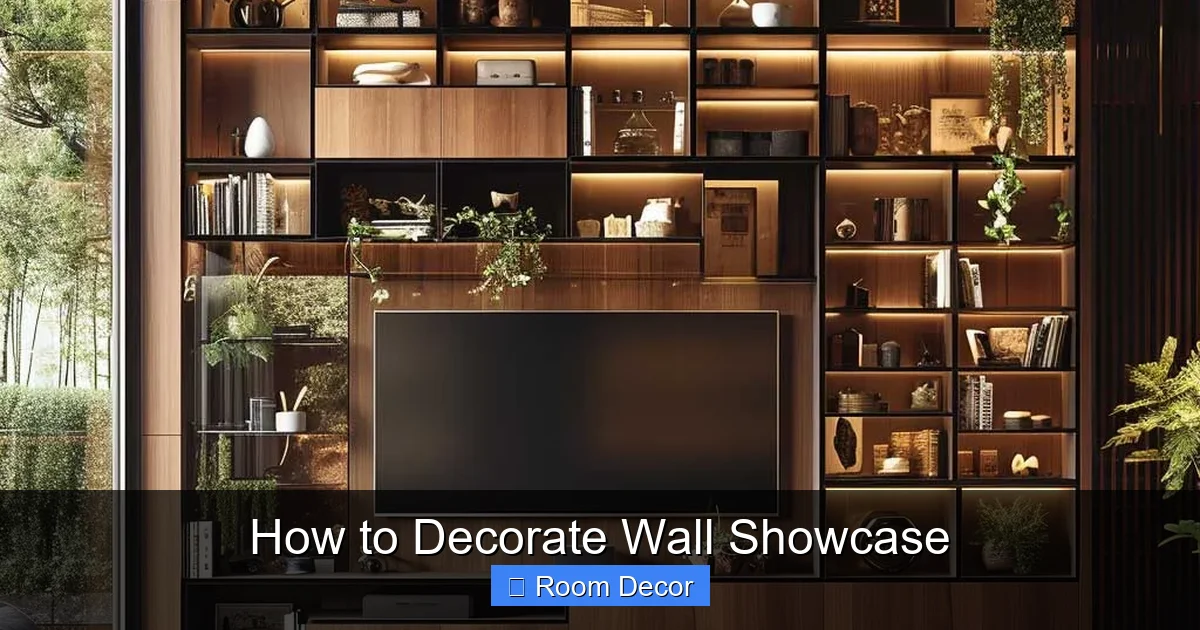
Transform your living space by learning how to decorate a wall showcase effectively. This comprehensive guide covers everything from planning your display to arranging decorative items for maximum impact. Master the art of styling to create a beautiful and personalized focal point in any room.
Key Takeaways
- Plan Your Theme and Style: Before placing any item, decide on a cohesive theme or style for your wall showcase to ensure a unified and appealing look.
- Declutter and Clean: A clean and organized showcase is the foundation of good design. Start by removing everything, dusting, and decluttering.
- Start with a Focal Point: Choose one or two prominent items to anchor your display, drawing the eye and setting the tone for the rest of the arrangement.
- Vary Height, Texture, and Shape: Incorporate a mix of elements to create visual interest and prevent your showcase from looking flat or monotonous.
- Embrace Negative Space: Don’t overcrowd your shelves. White space, or negative space, is crucial for allowing individual items to stand out and breathe.
- Consider Lighting: Strategic lighting can dramatically enhance your display, highlighting key pieces and creating ambiance.
- Regularly Refresh: Keep your showcase looking dynamic and interesting by periodically updating the items on display.
How to Decorate Wall Showcase
A wall showcase is more than just a place to store items. It’s a canvas for your personality, a curated collection of memories, and a stylish addition to your home decor. Whether you have a built-in unit, a floating shelf, or a multi-tiered display cabinet, learning how to decorate a wall showcase can elevate the entire feel of your room. This guide will walk you through the process step-by-step, from initial planning to the final touches, helping you create a display that is both beautiful and functional.
You’ll learn how to choose the right items, arrange them harmoniously, and make your wall showcase a true reflection of your style. We’ll cover everything from selecting a theme to adding those essential finishing touches that make a display pop. Let’s get started on transforming your empty wall space into a captivating focal point.
Step 1: Define Your Vision and Gather Inspiration
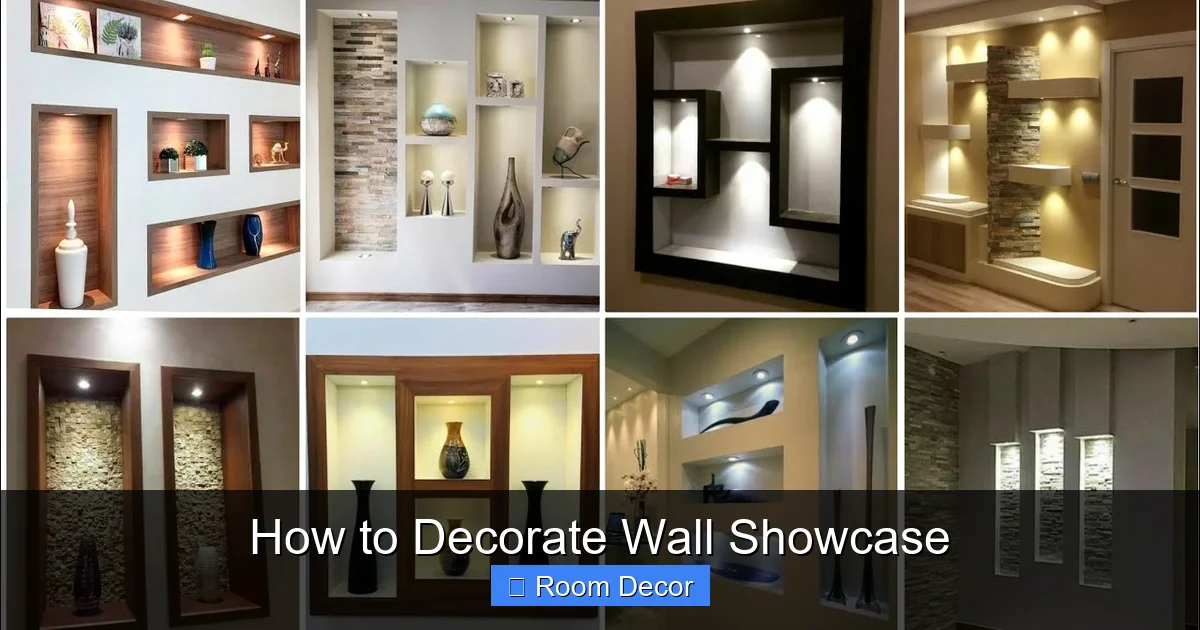
Visual guide about How to Decorate Wall Showcase
Image source: i.ytimg.com
Before you touch a single item, it’s crucial to have a clear idea of what you want your wall showcase to convey. Think about the overall style of your room. Is it modern and minimalist? Cozy and rustic? Bohemian and eclectic? Your showcase should complement, not clash with, your existing decor.
H3: Identify Your Showcase’s Purpose
Ask yourself: what is the primary function of this showcase? Is it to display treasured family photos? Showcase your collection of vintage books? Exhibit your travel souvenirs? Or perhaps it’s purely for decorative purposes, acting as a statement piece. Knowing the purpose will help guide your item selection.
H3: Explore Design Styles
Research different interior design styles for inspiration. Look at magazines, Pinterest boards, Instagram, and home decor blogs. Pay attention to how other people arrange their shelves. Are they using symmetry? Are they creating vignettes? What kinds of objects are they incorporating?
H3: Choose a Theme (Optional but Recommended)
A theme can create a strong sense of cohesion. Consider themes like:
- Nature-inspired: Incorporate elements like driftwood, shells, potted plants, and botanical prints.
- Travelogue: Display souvenirs, maps, postcards, and photos from your adventures.
- Color Palette: Focus on a specific color scheme to tie your items together.
- Nostalgia: Feature vintage items, old family photos, and antique pieces.
- Hobby-focused: If you have a hobby like reading, gardening, or collecting, let that shine through.
Don’t be afraid to mix and match elements, but always aim for a cohesive feel.
Step 2: Declutter and Clean Your Showcase
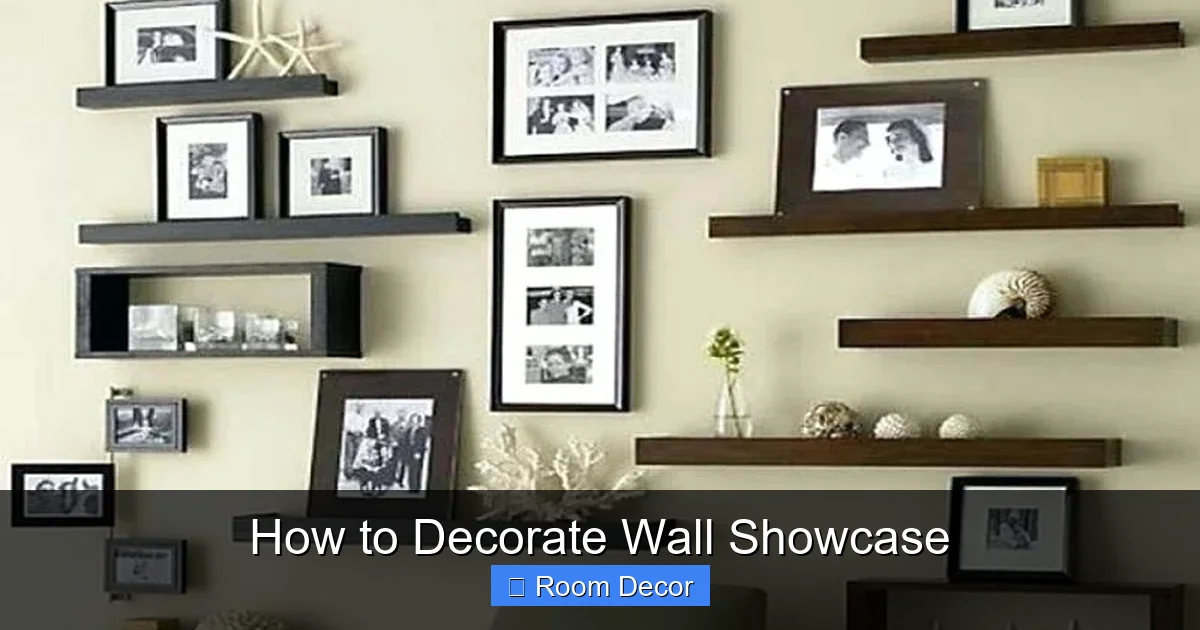
Visual guide about How to Decorate Wall Showcase
Image source: stylesatlife.com
This is a vital, often overlooked, step. A cluttered, dusty showcase will detract from even the most beautiful items.
H3: Empty Everything
Take every single item out of your wall showcase. This allows you to see the space clearly and gives you a chance to evaluate each item individually.
H3: Clean Thoroughly
Dust all the shelves and the interior of the showcase. Wipe down any glass doors. A clean slate is essential for a polished look.
H3: Evaluate Your Items
As you handle each item, ask yourself:
- Does it fit my chosen theme or style?
- Is it something I truly love or that holds significant meaning?
- Is it in good condition?
- Does it contribute to the overall aesthetic I’m aiming for?
Be ruthless! If an item doesn’t serve a purpose or bring you joy, consider storing it away or letting it go. This decluttering process is also a good time to consider if you need to add anything new to your collection.
Step 3: Select Your Display Items
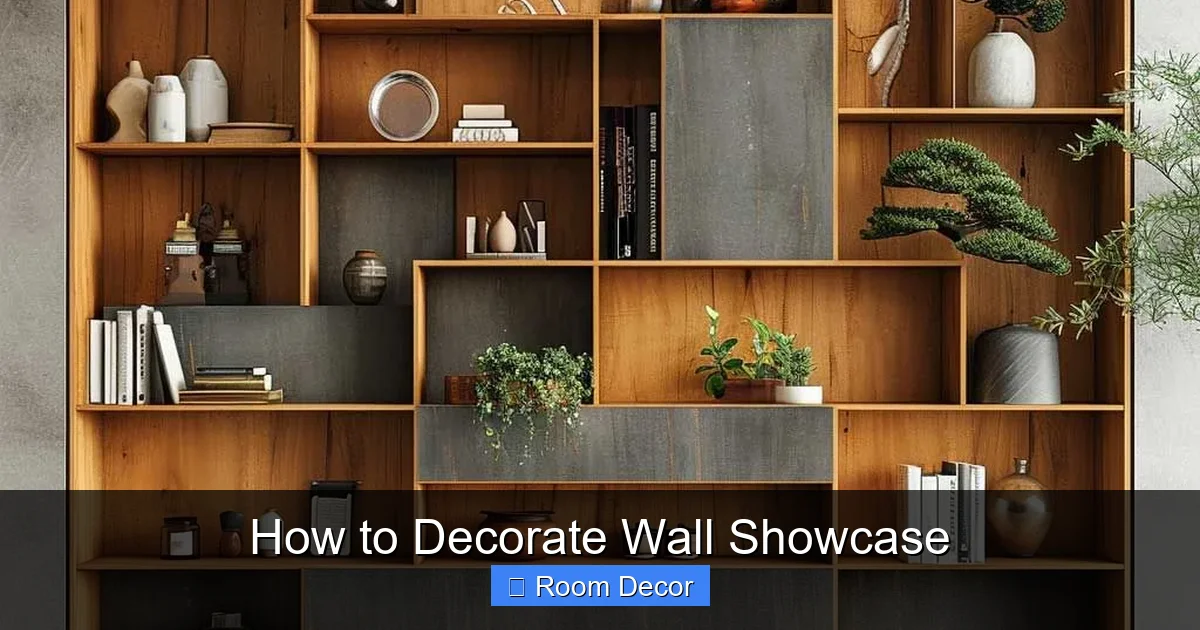
Visual guide about How to Decorate Wall Showcase
Image source: i.pinimg.com
Now comes the fun part: choosing what will adorn your shelves! Variety is key to an engaging display. Aim for a mix of items that offer different visual and textural qualities.
H3: Think About Scale and Proportion
Select items that are appropriate for the size of your shelves. Large, bulky items might overwhelm a small shelf, while tiny trinkets can get lost on a wide expanse. Mix larger statement pieces with smaller accent items.
H3: Incorporate Different Heights
Varying the height of your objects is crucial for creating visual interest. Use items like:
- Tall vases
- Books (stacked horizontally or vertically)
- Figurines with varying heights
- Small potted plants
- Candlesticks
Use books or decorative boxes to elevate smaller items and create tiered levels.
H3: Play with Textures
Different textures add depth and tactility to your display. Consider items made from:
- Wood
- Metal (brass, silver, iron)
- Ceramics
- Glass (clear, colored, frosted)
- Fabric (like a small tapestry or woven basket)
- Natural elements (stones, dried flowers)
A good mix of smooth, rough, shiny, and matte textures makes the display more dynamic.
H3: Introduce Different Shapes
A collection of items all in the same shape can be monotonous. Look for items with:
- Geometric shapes (spheres, cubes, cylinders)
- Organic shapes (sculptural pieces, plants)
- Curved lines
- Angular forms
This variety prevents the display from feeling predictable.
H3: Personalize with Meaningful Objects
This is where your personality truly shines. Include items that tell a story:
- Photographs in beautiful frames
- Souvenirs from trips
- Handmade crafts
- Heirlooms
- Favorite books with interesting covers
These items make your showcase unique and relatable.
Step 4: Arrange Your Display
The arrangement is where the magic happens. This involves strategic placement to create a balanced, aesthetically pleasing composition.
H3: Start with a Focal Point
Choose one or two prominent items that you want to be the stars of your showcase. Place these first. They could be a larger piece of art, a significant sculpture, or a collection of items that form a natural group.
H3: Create Vignettes
Instead of placing items in a straight line, create small groupings or “vignettes” on each shelf. A vignette is a small, decorative arrangement of objects. For example, on one shelf, you might group a vase, a stack of books, and a small framed photo.
H3: Work from Back to Front (and Bottom to Top)
Generally, place larger or taller items towards the back of the shelf to act as anchors. Then, fill in the space in front with smaller items. Start with the bottom shelves and work your way up, considering how each shelf relates to the one above and below it.
H3: Embrace Asymmetry
While symmetry can work, asymmetry often feels more natural and dynamic in home decor. Don’t feel compelled to place an item in the exact center of the shelf. Off-center arrangements can be more engaging.
H3: Balance is Key
Even with asymmetry, you want to achieve a sense of balance. This doesn’t mean perfect symmetry, but rather an even distribution of visual weight. If you have a large, dark item on one side of a shelf, balance it with something of comparable visual interest on the other side, even if it’s smaller.
H3: Use Books Strategically
Books are incredibly versatile for styling shelves.
- Stack them horizontally: This creates a base for other items to rest on.
- Stack them vertically: Use them as bookends to hold other books upright.
- Mix old and new: Combine vintage hardcovers with modern paperbacks for texture and color.
- Consider color: Arrange books by color for a monochromatic or rainbow effect, or use them as neutral grounding elements.
H3: Don’t Forget Negative Space
Negative space, or “white space,” is just as important as the objects themselves. Don’t feel the need to fill every inch of your shelves. Allowing breathing room around your items makes them stand out and prevents the display from looking cluttered or overwhelming. It gives the viewer’s eye a place to rest.
Step 5: Add Finishing Touches
These are the details that elevate your showcase from good to great.
H3: Consider Lighting
Good lighting can make a huge difference.
- Ambient lighting: If your showcase has built-in lighting, ensure it’s working and set at an appropriate brightness.
- Task lighting: Small LED spotlights or strip lights can be added to highlight specific items or areas of the showcase. Battery-operated options are easy to install.
- Natural light: Position your showcase where it can benefit from natural light, but be mindful of direct sunlight which can fade items over time.
H3: Incorporate Greenery
Small plants, whether real or faux, add life and color to a display. Choose plants that are suitable for the light conditions of your room. Trailing plants can add a lovely cascading effect.
H3: Introduce Art or Photos
Small framed pictures, miniature art pieces, or even decorative mirrors can add layers and personality. Mirrors can also help to make the space feel larger and reflect light.
H3: Group Similar Items
If you have a collection of similar items (e.g., small ceramic animals, seashells), consider grouping them together on one shelf to create a stronger impact.
H3: Create Movement
Arranging items at slight angles or in slightly staggered rows can create a sense of movement and make the display feel more dynamic.
Step 6: Maintenance and Refreshing
Decorating a wall showcase isn’t a one-time task. To keep it looking fresh and interesting, regular attention is needed.
H3: Dust Regularly
Even with careful arrangement, dust will accumulate. Dust your showcase and its contents at least once a month.
H3: Rotate Your Items
Periodically, swap out items on your shelves. Bring back something you’ve put away, or introduce something new. This keeps your display from becoming stale and allows you to enjoy different pieces at different times. Try seasonal changes, like adding a touch of red and green for the holidays or more vibrant colors in the spring.
H3: Evaluate and Tweak
Step back and look at your showcase from different angles and at different times of the day. Does anything feel out of place? Is one shelf too crowded? Is another too empty? Make small adjustments as needed.
Troubleshooting Common Showcase Decorating Challenges
Sometimes, even with the best intentions, a showcase might not look quite right. Here are some common issues and how to fix them.
H3: My showcase looks too cluttered.
Solution: You’ve likely overfilled it. Remove at least 20-30% of the items. Focus on quality over quantity. Emphasize negative space. Consider removing items from one or two shelves entirely to create visual breathing room.
H3: My showcase looks too empty or sparse.
Solution: You need to add more items, but do so thoughtfully. Look for pieces that complement what you already have. Consider adding smaller accent pieces, stacking more books, or introducing small decorative boxes to fill gaps. Ensure you’re using varying heights.
H3: My showcase feels flat and lacks depth.
Solution: You’re probably missing variety in height, texture, or shape. Add taller items, bring in elements with different textures (wood, metal, glass), and introduce objects with more varied shapes. Stacking books horizontally can also create useful platforms for taller items.
H3: The colors in my showcase clash.
Solution: Re-evaluate your color palette. Either remove items that don’t fit your chosen colors, or try to group items of similar colors together. You can also use neutral items (like wood or white ceramics) to break up strong color combinations.
H3: Nothing seems to “pop” or stand out.
Solution: Ensure you have clear focal points on each shelf or for the entire display. Consider adding a strong contrasting color, a unique texture, or a piece with an interesting shape. Good lighting can also make individual items stand out.
Conclusion
Decorating a wall showcase is a rewarding process that allows you to express your creativity and personalize your living space. By following these steps – from defining your vision and decluttering to selecting items, arranging them thoughtfully, and adding finishing touches – you can transform a simple wall unit into a captivating display. Remember that your showcase is a living entity; it can evolve with you and your tastes. Don’t be afraid to experiment, have fun, and let your personality shine through. A well-decorated wall showcase is not just about what you display, but also about how you display it, turning everyday objects into elements of art.