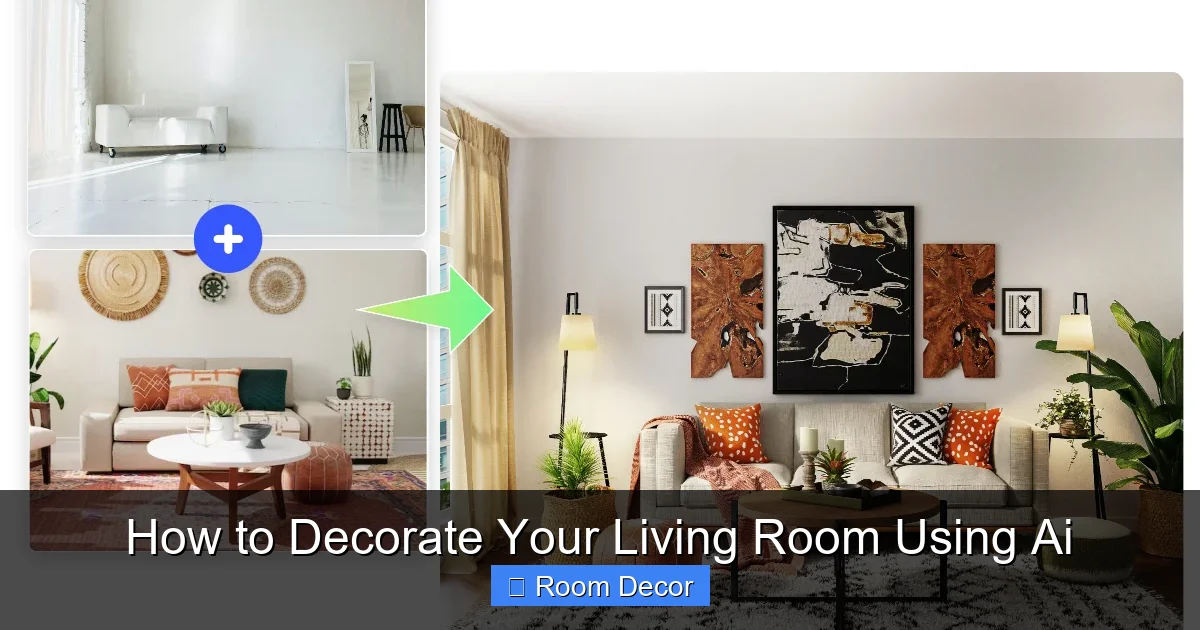
Discover how to revolutionize your living room decorating with the power of Artificial Intelligence. This comprehensive guide will walk you through using AI tools to generate design ideas, create mood boards, and even visualize your perfect space. Say goodbye to decor dilemmas and hello to a beautifully transformed living room, effortlessly designed with AI.
How to Decorate Your Living Room Using AI
Tired of staring at a blank living room canvas? Do you scroll through endless design magazines and Pinterest boards, feeling overwhelmed and uninspired? What if you had a personal design assistant available 24/7, ready to conjure up stunning ideas and help you visualize your dream space? Welcome to the future of home decor: decorating your living room with Artificial Intelligence (AI).
In this guide, we’ll show you how to harness the incredible power of AI to transform your living room. We’ll explore how AI can be your ultimate design partner, offering endless inspiration, helping you create beautiful mood boards, and even allowing you to see your revamped space before you buy a single thing. Get ready to ditch the decision fatigue and embrace a simpler, more creative way to decorate.
Key Takeaways
- AI as a Creative Partner: Understand how AI can act as an endless source of design inspiration, offering styles and combinations you might not have considered.
- Visualizing Your Vision: Learn to use AI-powered tools to generate realistic images of your living room with different decor elements, furniture, and color schemes.
- Personalized Style Discovery: AI can analyze your preferences and suggest decor that perfectly matches your taste and lifestyle.
- Efficient Mood Board Creation: Discover how AI can quickly assemble cohesive mood boards, saving you hours of manual searching.
- Space Planning and Layout: Explore AI tools that can help optimize your living room’s layout for functionality and aesthetics.
- Overcoming Decorator’s Block: Learn how AI can break through creative ruts by offering novel solutions and fresh perspectives.
Understanding AI in Interior Design
Before we dive into the “how,” let’s understand what AI can do for your living room decor. Think of AI not as a replacement for your personal taste, but as an enhancement. AI algorithms can process vast amounts of visual data, identify patterns, and generate new concepts based on your input. This means AI can:
- Generate Design Styles: From modern minimalist to cozy bohemian, AI can conceptualize and present various interior design styles.
- Suggest Color Palettes: AI can propose harmonious color schemes based on your preferred mood or existing elements.
- Visualize Furniture Placement: Some AI tools can help you experiment with different furniture layouts to optimize space and flow.
- Recommend Decor Items: Based on your chosen style and color palette, AI can suggest specific furniture pieces, art, and accessories.
- Create Realistic Renderings: See exactly how your living room could look with new decor, reducing the risk of costly mistakes.
Step 1: Defining Your Vision with AI Prompts
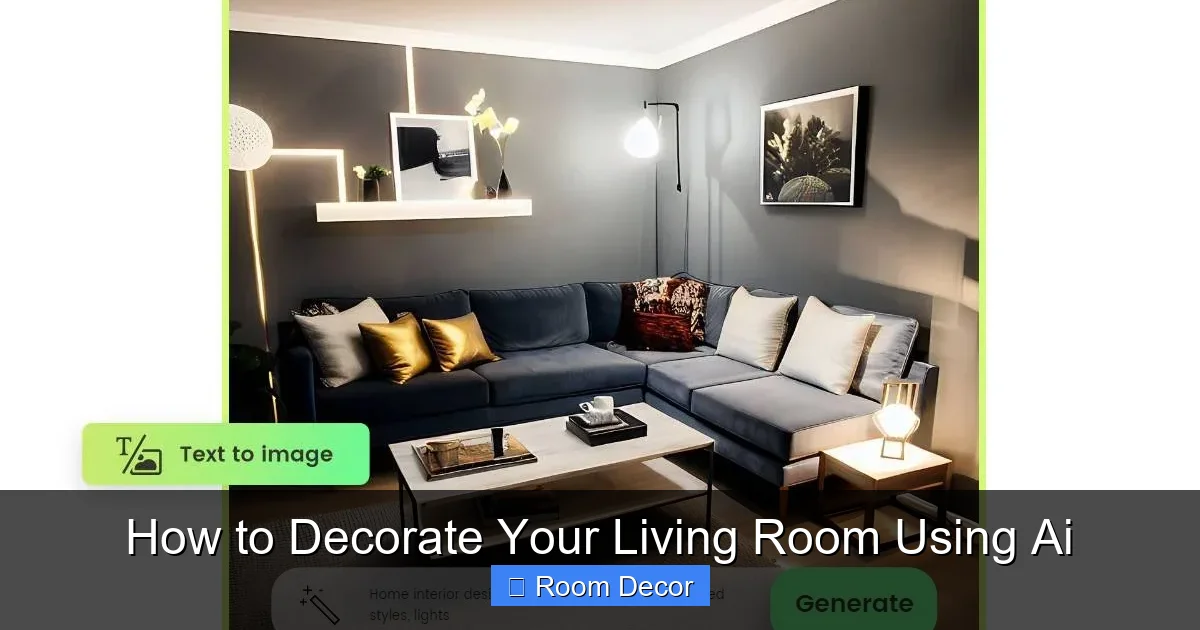
Visual guide about How to Decorate Your Living Room Using Ai
Image source: imgv3.fotor.com
The first step in any decorating project is understanding what you want. AI needs guidance to provide relevant suggestions. This is where “prompts” come in. A prompt is essentially a text description you give to an AI tool. The more specific and descriptive your prompt, the better the AI can understand your vision.
Understanding Prompt Engineering for Decor
Prompt engineering is the art of crafting effective prompts. For interior design, think about these elements when writing your prompts:
- Style: What overall aesthetic are you aiming for? (e.g., “Scandinavian,” “Mid-century modern,” “Industrial,” “Bohemian,” “Coastal”).
- Mood/Atmosphere: How do you want your living room to feel? (e.g., “cozy and inviting,” “bright and airy,” “sophisticated and elegant,” “energetic and vibrant”).
- Color Palette: Are there specific colors you love or want to incorporate? (e.g., “warm earth tones,” “cool blues and grays,” “bold jewel tones,” “neutral palette with pops of yellow”).
- Key Furniture: Do you have specific pieces of furniture you want to include or are looking for ideas for? (e.g., “a comfortable sectional sofa,” “a vintage armchair,” “a large abstract painting,” “a modern fireplace”).
- Room Dimensions (Optional but helpful): If you know them, including approximate room size can help AI generate more realistic layouts.
Example Prompts:
Let’s say you have a medium-sized living room and you’re aiming for a cozy, nature-inspired vibe with warm colors. Here are some AI prompts you could use:
- “Generate an image of a cozy living room with a Scandinavian-inspired design, featuring warm earth tones, natural wood furniture, a comfortable textured sofa, and plenty of plants. The mood should be inviting and peaceful.”
- “Visualize a mid-century modern living room with a focus on natural materials and a muted color palette of greens, browns, and cream. Include a statement fireplace and a vintage armchair.”
- “Design a bohemian living room that feels eclectic and vibrant, with rich textures, jewel-toned accents, and a mix of global-inspired patterns. The space should be filled with comfortable seating and plants.”
Step 2: Utilizing AI Image Generators for Inspiration
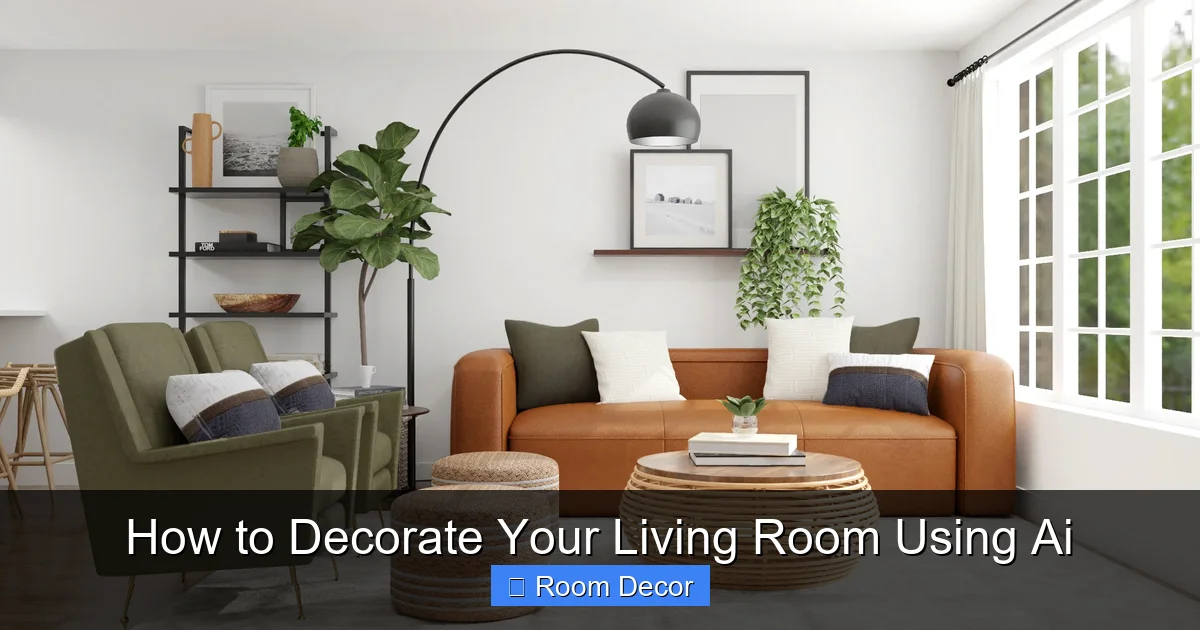
Visual guide about How to Decorate Your Living Room Using Ai
Image source: storage.googleapis.com
Once you have a few prompts ready, it’s time to unleash the power of AI image generators. These tools take your text descriptions and create visual representations. There are many AI image generators available, some free and some paid, each with slightly different capabilities. Popular options include Midjourney, DALL-E 2, Stable Diffusion, and even some integrated into design platforms.
How to Use AI Image Generators:
1. Choose an AI Image Generator: Research different platforms. Look for user-friendliness, image quality, and pricing that suits you.
2. Input Your Prompt: Type in your carefully crafted prompt into the generator’s text box.
3. Generate Images: The AI will process your prompt and produce a set of images.
4. Refine and Iterate: Review the generated images. Do they capture your vision? If not, tweak your prompt. You might add more descriptive words, change the style, or specify colors more clearly. For instance, if the AI gives you too many cool colors, you might add “emphasize warm tones” to your prompt.
5. Save Your Favorites: Save the images that resonate most with you. These will form the foundation of your decor inspiration.
Practical Tips for Image Generation:
- Experiment with keywords: Try synonyms or more evocative language. Instead of “nice,” try “serene,” “luxurious,” or “energetic.”
- Be specific about details: Mention textures (e.g., “velvet sofa,” “linen curtains,” “rough-hewn wood”), lighting (e.g., “soft ambient lighting,” “bright natural light”), and even the time of day (“evening glow”).
- Generate variations: Most tools allow you to create variations of an image you like. This is great for exploring subtle changes in color or layout.
- Don’t be afraid to be quirky: Sometimes the most unexpected prompts lead to the most interesting results!
Step 3: Creating AI-Powered Mood Boards
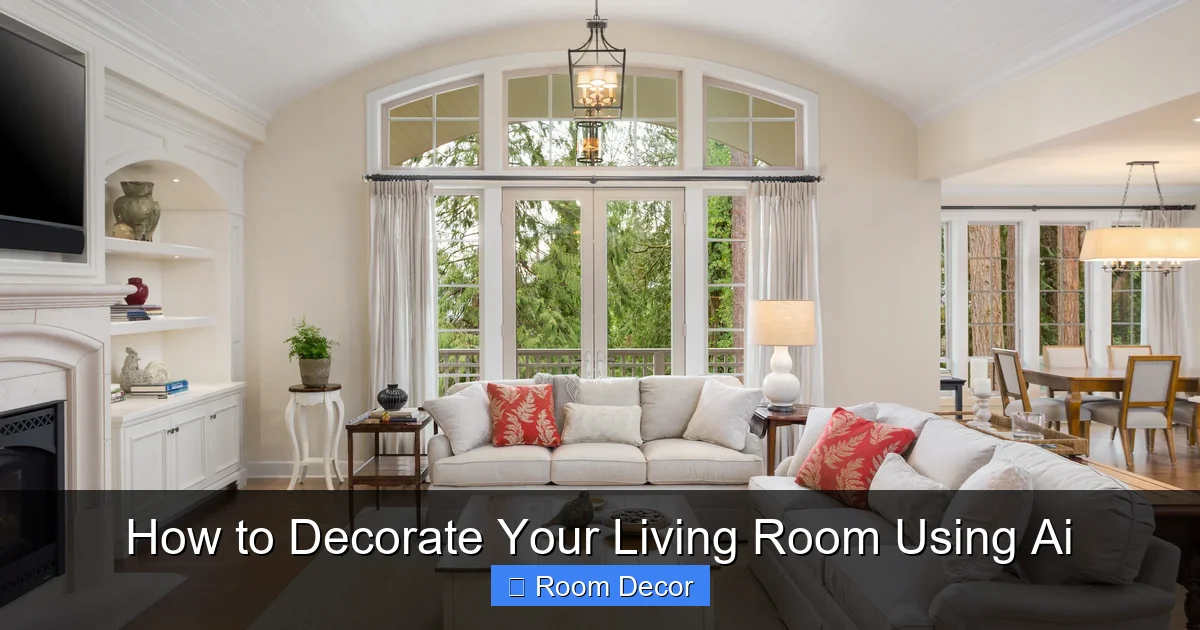
Visual guide about How to Decorate Your Living Room Using Ai
Image source: blog.puls.com
A mood board is a collection of images, textures, and colors that visually represent a design concept. Traditionally, creating a mood board involved cutting out magazine clippings or painstakingly searching for images online. AI can streamline this process dramatically.
How AI Simplifies Mood Board Creation:
Some AI design tools are specifically built for creating mood boards. They often integrate image generation with collage-making features. You can:
- Start with AI-generated images: Use your preferred AI image generator to create visuals that align with your desired style and color palette.
- Use AI for specific elements: If you like an overall room concept but want to swap out a sofa, you can prompt an AI to generate variations of that sofa in different styles or colors.
- Upload inspiration images: Many AI mood board tools allow you to upload your own photos (e.g., a favorite fabric swatch, a piece of art you own) for the AI to analyze and incorporate into suggestions.
- Let AI assemble the board: Some advanced tools can take your generated images and inspiration pieces and automatically arrange them into a cohesive mood board.
Popular AI Mood Board Tools (Examples):
* Pinterest (with AI integration): While not a pure AI tool, Pinterest’s algorithms are sophisticated and can suggest similar images and boards based on your initial searches. Newer features are increasingly incorporating AI for better recommendations.
* Canva: Offers templates and an intuitive interface. While its core is not AI generation, it integrates with AI image generators and has smart design features.
* Dedicated AI Interior Design Platforms: Several platforms are emerging that combine AI image generation, mood board creation, and even 3D room planning. A quick search for “AI interior design tools” will reveal many options.
Step 4: Visualizing Your Space with AI Room Planners
This is where AI truly shines – by allowing you to see your living room transformed before you make any purchases. AI-powered room planners take your input and generate realistic renderings or even 3D models of your space.
How AI Room Planners Work:
1. Upload a Photo or Sketch: Some tools allow you to upload a photo of your existing living room or draw a simple floor plan.
2. Input Dimensions and Features: Provide measurements for walls, windows, and doors. You can also specify existing architectural features.
3. Choose Furniture and Decor: This is where AI can be incredibly helpful. You can:
* **Select from AI-generated suggestions:** Based on your prompts and mood boards, the AI can suggest furniture and decor items that fit your style.
* **Browse a virtual catalog: Many tools have integrated catalogs of furniture and decor items. AI can help you filter these by style, color, and price.
* **Upload images of items you like:** If you saw a sofa you loved online, you might be able to upload its image, and the AI will try to find similar items or place it virtually in your room.
4. Experiment with Layouts: Drag and drop furniture to test different arrangements. AI can often suggest optimal layouts based on room flow and functionality.
5. Visualize in 3D or Realistic Renderings: The AI then generates visuals of your living room with the chosen furniture and decor, allowing you to see how everything looks together.
Benefits of AI Room Planners:
* **Reduces Buyer’s Remorse:** See if that large sofa actually fits or if the color scheme clashes before you buy.
* **Optimizes Space:** Experiment with different furniture sizes and placements to maximize your living room’s usability.
* **Facilitates Decision-Making:** Visualizing the end result makes it easier to commit to a design direction.
* **Saves Time and Money:** Avoid costly mistakes by planning effectively.
Step 5: Refining and Implementing Your AI-Guided Design
Once you have a clear AI-generated vision and a virtual model of your living room, it’s time to bring it to life.
Translating AI Concepts to Reality:
* **Create a Shopping List:** Based on your AI-generated mood boards and room visualizations, compile a detailed shopping list of furniture, paint colors, lighting, rugs, and accessories.
* **Source Items:** Use your AI-generated images as a guide when shopping online or in physical stores. You can even use reverse image search tools for some items if you can’t find an exact match.
* **Consider AI-Recommended Alternatives: If an exact AI-suggested item is unavailable or too expensive, use its style and color as a benchmark to find similar alternatives.
* **Don’t Be Afraid to Mix and Match:** AI is a tool, not a dictator. Feel free to inject your own personality and swap out items that don’t feel quite right. The AI gives you a strong starting point.
Troubleshooting Common AI Decor Challenges:
* AI Misinterprets Prompts: If the AI isn’t giving you what you want, refine your prompts. Be more specific. Break down complex ideas into simpler prompts.
* Inconsistent Style: Sometimes AI can generate elements that clash. Focus on using AI to generate cohesive sets of inspiration or use it for individual elements and then combine them manually on a mood board.
* Unrealistic Outputs: AI can sometimes create visually appealing but impractical designs. Always apply common sense to what you see. Will that delicate chair really withstand daily use?
* **Finding Exact Matches: AI suggestions are often inspirational. You might not find the exact product. Use the AI images as a style guide for furniture hunting.
* Cost of Tools: Some advanced AI tools require subscriptions. Explore free trials and free versions to find what works best for your budget.
The Future of AI in Your Living Room
As AI technology continues to evolve, its role in interior design will only become more sophisticated. We can anticipate AI tools that can:
- **Understand your existing furniture:** Upload photos of your current pieces, and AI can help you design around them.
- **Analyze your personal style automatically:** AI could learn your aesthetic preferences over time through your interactions.
- Generate hyper-realistic 3D walkthroughs: Experience your designed living room as if you were actually there.
- Provide real-time decor advice: Imagine an AI assistant that can tell you if a new rug will match your sofa as you’re shopping.
Decorating your living room using AI is an exciting way to tap into a world of design possibilities. It democratizes design, making it accessible and enjoyable for everyone, regardless of their prior experience. It empowers you to experiment, visualize, and create a space that truly reflects who you are.
So, go ahead, embrace the AI revolution in home decor. Start with a simple prompt, explore the endless visual ideas, and watch as your living room transforms into a space you’ll absolutely love. Happy decorating!