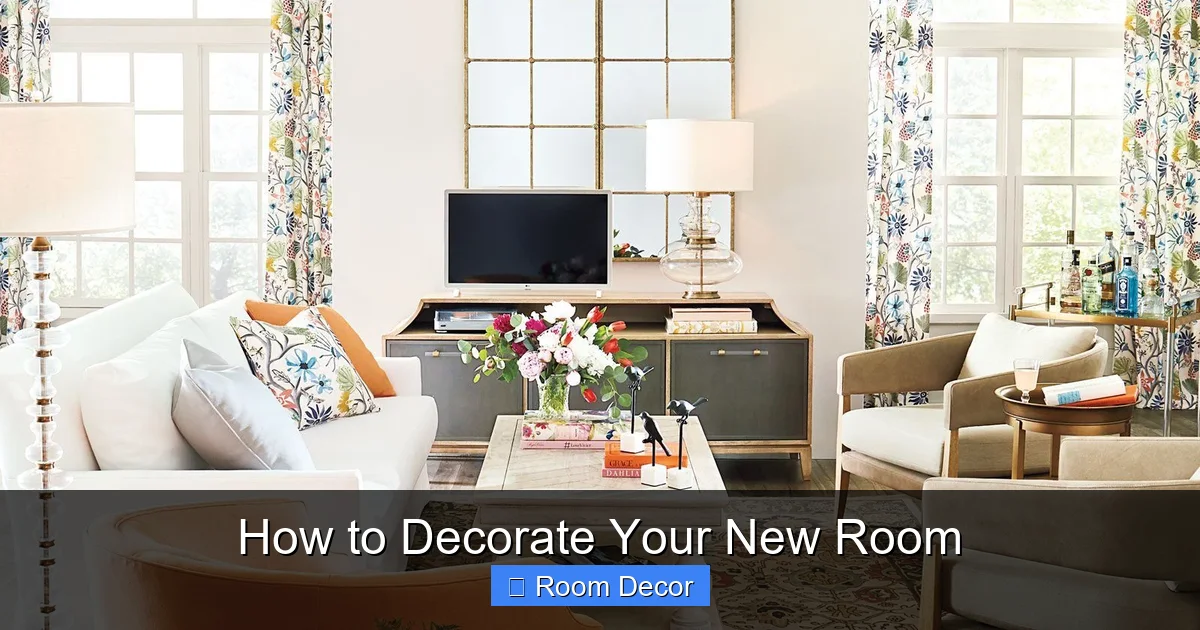
Ready to make your new room feel like home? This comprehensive guide will walk you through every step of decorating, from initial planning and budgeting to choosing colors and furniture, and finally, adding those special personal touches. Learn how to create a space that reflects your style and personality, making it a comfortable and inspiring haven. We cover practical tips, troubleshooting advice, and inspiration to help you achieve your dream room.
How to Decorate Your New Room
Moving into a new room is an exciting time! It’s a blank canvas, ready for you to infuse with your personality and create a space that feels uniquely yours. But where do you even begin? Decorating a new room can feel overwhelming, with endless choices for colors, furniture, and accessories. This comprehensive guide is here to simplify the process. We’ll walk you through each step, from the initial planning stages to adding those final, personal touches that make a house feel like a home. By the end of this guide, you’ll have a clear roadmap to decorating your new room with confidence, creating a beautiful, functional, and comfortable space you’ll love.
Key Takeaways
- Define Your Vision and Purpose: Before buying anything, understand how you’ll use the room and what overall style you’re aiming for to avoid costly mistakes and ensure a cohesive design.
- Budget Wisely and Prioritize: Set a realistic budget for your new room decor and identify key pieces or elements that are most important to you, allowing for smart spending.
- Master the Art of Color: Understand color psychology and how different palettes can affect mood and perception of space, using a color scheme as the foundation for your design.
- Furniture Selection and Layout: Choose furniture that is functional, proportionate to the room size, and arranged thoughtfully to optimize flow and usability.
- Lighting is Key: Layer your lighting with ambient, task, and accent lights to create a desired mood, improve functionality, and highlight your decor.
- Accessorize with Personality: Use decorative items like art, plants, rugs, and textiles to add warmth, texture, and character, making your new room uniquely yours.
- Don’t Forget the Finishing Touches: Small details like hardware, window treatments, and even the scent of the room can significantly enhance the overall ambiance and your enjoyment of the space.
Step 1: Define Your Vision and Purpose
Before you even think about paint swatches or furniture catalogs, take a moment to pause and reflect. What is the primary purpose of this room? Is it a bedroom for restful sleep, a living room for entertaining, a home office for productivity, or perhaps a multi-functional space? Your answer will heavily influence your design choices.
Clarify the Room’s Function
For example, if it’s a bedroom, comfort and tranquility are paramount. You’ll want soft textures, calming colors, and ample storage for clothes and personal items. If it’s a home office, functionality, good lighting, and a stimulating yet not distracting environment are key. Think about how you’ll spend most of your time in this room and what activities you’ll be doing there.
Determine Your Style
What aesthetic truly speaks to you? Are you drawn to modern minimalism with clean lines and neutral tones? Do you love the warmth and coziness of a rustic or farmhouse style? Perhaps you prefer the eclectic charm of bohemian decor or the timeless elegance of traditional design. Browse online platforms like Pinterest and Instagram, flip through magazines, and save images of rooms that catch your eye. Look for common themes in colors, furniture shapes, and decorative elements that you consistently gravitate towards. This will help you develop a cohesive style that you’ll enjoy for years to come.
Consider Your Lifestyle
Your lifestyle plays a crucial role. If you have pets or children, durability and ease of cleaning will be important factors in furniture and material choices. If you entertain frequently, consider seating arrangements and traffic flow. Are you someone who loves to display collections? Then think about shelving and display solutions.
Step 2: Set a Realistic Budget
Decorating a new room can quickly become expensive if you don’t have a budget in place. Be honest with yourself about what you can afford to spend, and then break it down into categories.
Track Your Spending
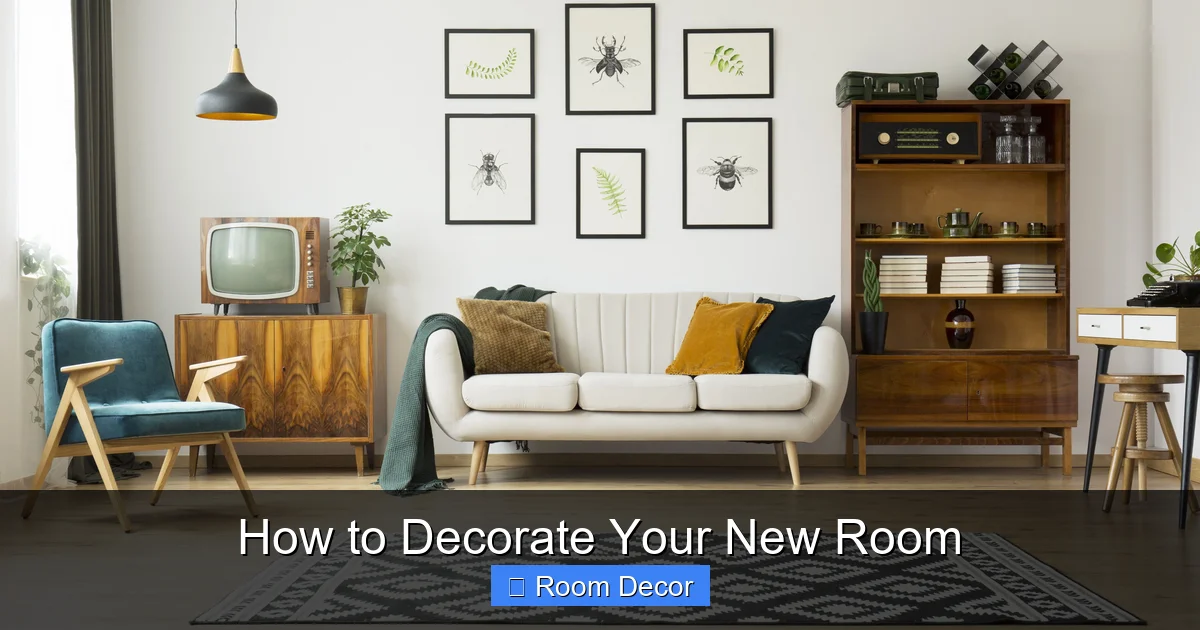
Start by estimating how much you want to spend overall. Then, allocate funds to different aspects of the room: paint, furniture (sofa, bed, table, chairs), lighting, rugs, curtains, decorative accessories, and any potential professional help (like painters). It’s a good idea to create a spreadsheet or use a budgeting app to keep track of your expenses as you go. This will prevent overspending and help you make informed decisions.
Visual guide about How to Decorate Your New Room
Image source: thespruce.com
Prioritize Your Purchases
You don’t have to buy everything at once. Identify the essential pieces that will make the room functional and then work your way up to the decorative items. For instance, a comfortable bed and mattress are non-negotiable for a bedroom, while decorative pillows can wait. A good sofa is crucial for a living room, but that large statement art piece might be a future purchase.
Look for Deals and Discounts
Don’t shy away from sales, clearance sections, or even second-hand furniture stores. You can often find high-quality pieces at a fraction of the cost. Consider DIY projects for some decorative items if you’re crafty. Patience can pay off when it comes to finding the right items at the right price.
Step 3: Master the Art of Color
Color has a profound impact on the mood and perception of a space. Choosing the right color palette is one of the most important steps in decorating your new room.
Understand Color Psychology
Different colors evoke different emotions. Blues and greens are often associated with calmness and serenity, making them excellent choices for bedrooms and bathrooms. Reds and oranges can be energizing and stimulating, suitable for living areas or dining rooms. Neutrals like beige, gray, and white create a versatile backdrop and can make a small room feel larger.
Visual guide about How to Decorate Your New Room
Image source: ourhomemadeeasy.com
Choose Your Dominant Color
Start by selecting a dominant color. This could be the color of your walls, a large piece of furniture, or a rug. Once you have your dominant color, you can build your palette around it. A good rule of thumb is the 60-30-10 rule: 60% of the room should be a dominant color, 30% a secondary color, and 10% an accent color. For example, if your walls are a soft gray (60%), a navy blue sofa (30%) could be your secondary color, with pops of mustard yellow in pillows and artwork (10%) as accents.
Test Paint Colors
Paint colors can look very different on a chip than they do on your wall. Always buy sample pots of your chosen colors and paint large swatches on different walls in your room. Observe how the colors change throughout the day with natural and artificial light. This small step can save you from a costly mistake and the hassle of repainting.
Step 4: Furniture Selection and Layout
Furniture is the backbone of any room. It needs to be functional, comfortable, and proportionate to the size of your space.
Measure Your Space
Before you buy any furniture, measure your room carefully. Note the dimensions of the walls, windows, doors, and any architectural features. This will prevent you from buying furniture that is too large or too small for the space. You can even use painter’s tape on the floor to map out where furniture will go. This helps visualize the scale and how much walking space you’ll have.
Visual guide about How to Decorate Your New Room
Image source: bhg.com
Choose Furniture That Fits
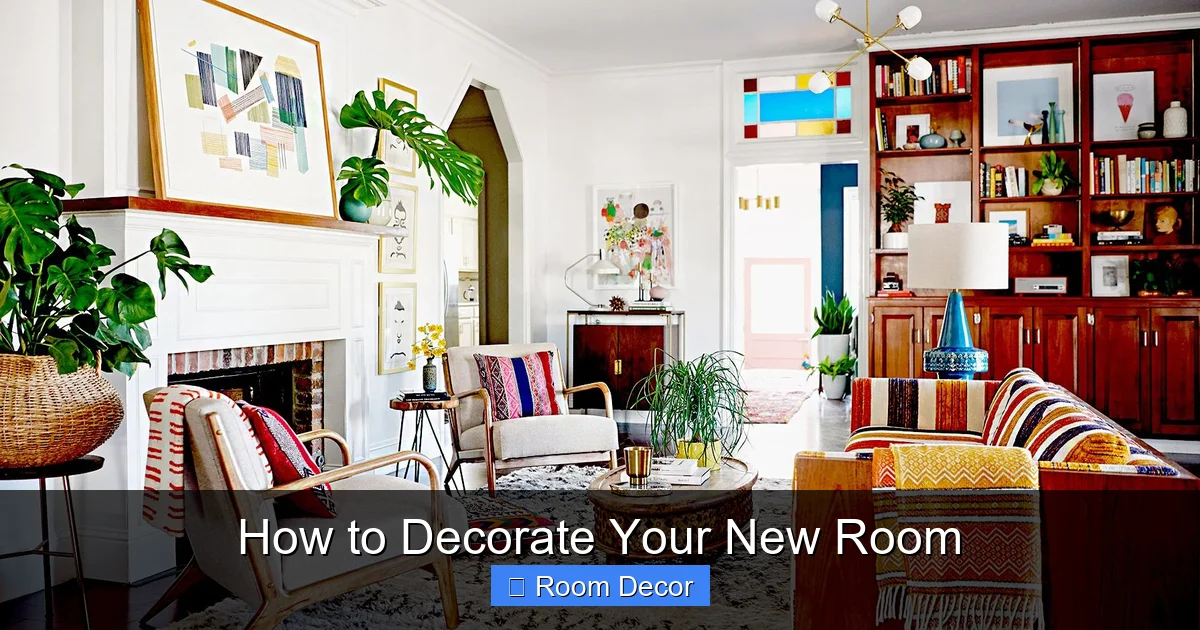
Opt for furniture that is scaled appropriately. A massive sectional sofa might look great in a showroom but could overwhelm a small living room. Conversely, tiny furniture can look lost in a large space. Consider multi-functional furniture, especially in smaller rooms. Ottomans with storage, sofa beds, and nesting tables can be excellent space-savers.
Plan Your Layout
Think about the flow of the room. How will people move from one area to another? Arrange furniture to create conversation zones in living areas and to ensure easy access to important areas like doors and windows. In a bedroom, the bed is typically the focal point, so position it where it has the most impact. Avoid blocking pathways or windows. Good furniture layout is key to making a room feel both spacious and inviting.
Step 5: Lighting is Key
The right lighting can transform a room, creating ambiance, highlighting features, and improving functionality. Don’t rely on a single overhead light source.
Layer Your Lighting
Employ a layered lighting approach with three main types:
- Ambient Lighting: This is the general illumination of the room, usually provided by ceiling fixtures, chandeliers, or recessed lighting. It sets the overall mood.
- Task Lighting: This is focused light for specific activities, such as reading lamps beside a chair or desk lamps for a workspace.
- Accent Lighting: This type of lighting is used to highlight specific features, like artwork, architectural details, or plants. Picture lights or spotlights are good examples.
Consider Dimmer Switches
Installing dimmer switches for your overhead lighting offers incredible flexibility. You can adjust the brightness to suit different activities and times of day, from bright and functional for cleaning to soft and dim for a cozy evening. This simple addition can significantly enhance the atmosphere of your room.
Natural Light is Your Friend
Maximize natural light whenever possible. Keep windows clean and consider using sheer curtains or blinds that allow light to filter through. This not only brightens your space but also makes it feel more expansive and cheerful.
Step 6: Accessorize with Personality
Accessories are the jewelry of your room. They add personality, warmth, texture, and visual interest. This is where your room truly starts to come alive.
Art and Wall Decor
Choose art that resonates with you. This could be paintings, prints, photographs, tapestries, or even mirrors. Mirrors can also help make a room feel larger and brighter by reflecting light. Consider the size of your walls and the overall style of the room when selecting art.
Rugs and Textiles
Rugs define spaces, add warmth, and introduce color and pattern. Choose a rug that is appropriately sized for the area – it should be large enough for at least the front legs of your main furniture pieces to sit on. Throw pillows and blankets add comfort and texture, allowing you to easily change the look and feel of your room with seasonal updates.
Plants and Greenery
Bringing in plants adds life, color, and a natural element to any room. They can improve air quality and create a more relaxing atmosphere. Choose plants that suit your light conditions and your ability to care for them. If you don’t have a green thumb, opt for low-maintenance varieties or even realistic faux plants.
Personal Touches
This is your chance to showcase what you love. Display cherished photographs, souvenirs from travels, books, or collections. These items tell your story and make the space feel uniquely yours. Don’t be afraid to mix and match textures and materials to create visual interest.
Step 7: Don’t Forget the Finishing Touches
These small details can make a big difference in the overall polish and comfort of your room.
Hardware and Fixtures
Consider updating cabinet knobs, drawer pulls, or light fixtures. Swapping out generic hardware for something more stylish can give furniture or built-in elements a fresh, personalized look without a huge expense.
Window Treatments
Curtains, blinds, or shades not only control light and privacy but also add softness and style. The fabric, color, and style of your window treatments can significantly impact the room’s atmosphere.
Scent
The scent of a room can greatly influence how it feels. Consider using diffusers, candles, or room sprays with scents you find calming or uplifting. Ensure good ventilation to keep the air fresh.
Troubleshooting Common Decorating Challenges
Sometimes, despite best intentions, decorating can present challenges. Here are a few common issues and how to solve them.
My room feels too small.
Solutions: Use lighter paint colors on walls and ceilings to create a sense of openness. Incorporate mirrors to reflect light and space. Choose furniture with legs that lift it off the floor, creating an illusion of more space. Avoid bulky, oversized furniture. Ensure good lighting to make the room feel brighter and more expansive.
My room feels too dark or gloomy.
Solutions: Maximize natural light by keeping windows clear. Add more artificial light sources, focusing on task and accent lighting. Use lighter colors for walls, furniture, and accessories. Hang mirrors strategically to bounce light around the room. Consider painting trim or doors a lighter color.
My decor feels disjointed and doesn’t flow.
Solutions: Revisit your color palette. Ensure you have a consistent color scheme throughout the room. Introduce a unifying element, such as a rug with multiple colors found in other decor items. Rearrange furniture to create better zones and conversation areas. Declutter any unnecessary items that are contributing to the chaos.
I’ve made a mistake, and I don’t like it.
Solutions: Don’t panic! Most decorating mistakes are fixable. Paint is a relatively easy fix for color errors. Furniture can be rearranged or even sold and replaced. Sometimes, a fresh perspective is all that’s needed. Step away for a day or two and then come back with fresh eyes. Consider asking a friend for their opinion.
Conclusion
Decorating your new room is a journey, not a race. It’s about creating a space that reflects who you are and makes you feel comfortable, happy, and inspired. By following these steps – from defining your vision and budget to carefully selecting furniture, lighting, and accessories – you can transform any new space into a personalized sanctuary. Remember to have fun with the process, embrace your unique style, and don’t be afraid to experiment. Your new room is an opportunity to express yourself, so enjoy making it your own!