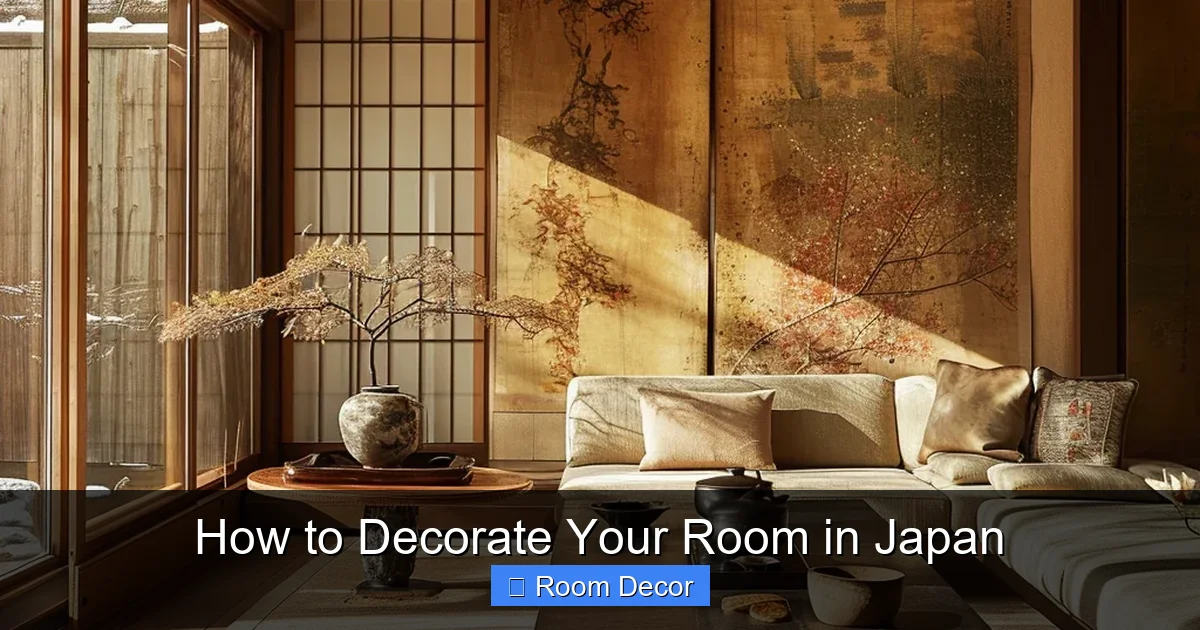
Discover how to infuse your living space with the essence of Japanese room decoration. This guide explores the principles of Japanese design, emphasizing minimalism, functionality, and natural elements. Learn how to choose the right furniture, utilize space efficiently, and incorporate traditional Japanese aesthetics to create a calm, inviting, and beautiful room.
Are you looking to transform your living space into a tranquil sanctuary that reflects the beauty and philosophy of Japanese design? Decorating a room in Japan, or incorporating Japanese aesthetics into your current room, is more than just about choosing furniture and colors. It’s about creating an atmosphere of calm, harmony, and intentionality. Japanese interior design is deeply rooted in principles that value simplicity, functionality, and a connection with nature. Whether you live in a tiny apartment in Tokyo or a spacious house elsewhere, these decorating ideas can help you create a beautiful and functional Japanese-style room.
This comprehensive guide will walk you through the essential elements of decorating your room in a Japanese style. We’ll explore the core philosophies, practical tips for furniture selection and layout, strategies for maximizing space, and ways to infuse your room with natural elements and traditional touches. Get ready to embark on a journey to create a peaceful and aesthetically pleasing personal haven.
Key Takeaways
- Embrace Minimalism: Less is more in Japanese decor, focusing on essential items and decluttering to create a sense of peace.
- Prioritize Functionality: Every item should serve a purpose, with multi-functional furniture and smart storage solutions being key.
- Incorporate Natural Elements: Bring the outdoors in with natural materials, plants, and nature-inspired artwork and patterns.
- Understand Wabi-Sabi: Appreciate the beauty of imperfection, transience, and understated elegance in your decor choices.
- Utilize Space Wisely: Optimize small Japanese rooms with clever furniture placement, vertical storage, and the use of sliding doors or screens.
- Focus on Light and Air: Maximize natural light and ensure good ventilation for a bright, airy, and comfortable living environment.
- Consider Traditional Touches: Integrate subtle nods to Japanese culture through tatami mats, shoji screens, or specific art pieces.
Understanding the Core Principles of Japanese Room Decoration
Before diving into specific decorating techniques, it’s crucial to grasp the underlying principles that guide Japanese interior design. These philosophies are what give Japanese rooms their unique character and calming effect.
Embracing Minimalism
At its heart, Japanese decor is about minimalism. This doesn’t mean a stark, empty room, but rather a conscious effort to keep only what is essential and beautiful. Decluttering is a fundamental first step. Ask yourself if each item in your room truly serves a purpose or brings you joy. By reducing visual noise, you create a sense of calm and allow the beauty of each individual piece to shine. Think of it as creating breathing room for your mind as well as your physical space.
Prioritizing Functionality
In Japan, especially in smaller living spaces, every item needs to be functional. This principle extends to furniture and decor. Furniture is often designed to be multi-purpose or easily storable. For example, a low table can be used for dining, work, or simply as a decorative piece when not in use. Storage solutions are integrated seamlessly, often hidden away to maintain the minimalist aesthetic. The goal is to create a space that is not only beautiful but also highly practical and efficient.
Connecting with Nature
A deep respect for nature is a cornerstone of Japanese culture, and this is beautifully reflected in interior design. Natural materials like wood, bamboo, paper, and stone are widely used. Plants are not just decorative but are seen as living art that brings vitality to a space. Patterns and motifs often draw inspiration from the natural world, such as floral designs, landscapes, or geometric patterns inspired by water or wood grain. This connection to nature fosters a sense of tranquility and grounding.
The Concept of Wabi-Sabi
Wabi-sabi is a complex Japanese aesthetic that celebrates imperfection, transience, and understated elegance. It finds beauty in things that are modest, humble, and imperfect. This might translate into using natural wood with visible grain, slightly uneven pottery, or textiles that have a handcrafted feel. It encourages us to appreciate the natural aging process and the unique character that comes with time and use, rather than striving for flawless perfection.
Step-by-Step Guide to Decorating Your Japanese-Style Room
Now that you understand the foundational principles, let’s get practical. Here’s a step-by-step approach to decorating your room with a Japanese aesthetic.
Step 1: Declutter and Simplify
This is the most crucial step. Before you buy anything new, take a thorough inventory of your current belongings. Remove anything that is broken, no longer used, or doesn’t align with the serene aesthetic you want to create. Organize what remains into functional categories.

Visual guide about How to Decorate Your Room in Japan
Image source: edwardgeorgelondon.com
Decluttering Strategies:
- The KonMari Method: Gather items by category (clothes, books, papers, etc.) and hold each item, asking if it “sparks joy.” Keep only those that do.
- The One-In, One-Out Rule: For every new item you bring into your room, commit to removing an existing item.
- Seasonal Purge: Schedule regular decluttering sessions, perhaps once every few months, to reassess your belongings.
Step 2: Choose a Neutral and Earthy Color Palette
Japanese interiors typically feature a calming and natural color palette. Think soft, muted tones that evoke a sense of peace and tranquility.
Key Colors to Consider:
- Whites and Off-Whites: These create a clean, airy feel and serve as a perfect backdrop.
- Beiges and Creams: Warm and inviting, these shades add depth without being overwhelming.
- Soft Grays: Provide a sophisticated and grounding element.
- Earthy Browns: Reflecting wood and soil, these bring a natural warmth.
- Subtle Greens: Inspired by nature, these can add a touch of freshness.
Avoid overly bright or saturated colors, as they can disrupt the peaceful atmosphere.
Step 3: Select Furniture with Clean Lines and Natural Materials
When choosing furniture, opt for pieces that are low-profile, have simple, clean lines, and are made from natural materials like wood (especially lighter woods like pine, cypress, or bamboo) or rattan.
Furniture Essentials and Tips:
- Low Beds: Futons directly on the floor or low platform beds are common. This makes the room feel more spacious.
- Shoji Screens or Sliding Doors: These are ideal for dividing spaces, offering privacy, or acting as closet doors. They diffuse light beautifully.
- Zabuton (Floor Cushions): Instead of traditional chairs, use comfortable floor cushions for seating.
- Low Tables: A low wooden table (chabudai) can serve multiple purposes.
- Minimalist Storage: Opt for simple wooden chests of drawers or open shelving with woven baskets.
Multi-functional furniture is highly valued. A sofa bed or a storage ottoman can be excellent choices for small spaces.
Step 4: Maximize Space and Functionality
In Japan, space is often at a premium. Therefore, maximizing every inch is essential. This involves smart layout, clever storage, and furniture that serves multiple purposes.
Space-Saving Strategies:
- Vertical Storage: Utilize wall space with shelves or tall, narrow cabinets.
- Under-Bed Storage: If you have a bed frame, use drawers or boxes to store seasonal items or extra bedding.
- Noren Curtains: These traditional fabric dividers can be used to create visual separation in open-plan areas or to hide storage.
- Folding Furniture: Consider furniture that can be folded away when not in use, like a folding desk or chairs.
- Wall-Mounted Elements: Mount your television, shelves, or even lighting fixtures to free up floor space.
Step 5: Incorporate Natural Elements and Plants
Bringing the outdoors in is a fundamental aspect of Japanese decor. This helps to create a calming and refreshing atmosphere.
Ideas for Natural Decor:
- Potted Plants: Choose plants that thrive indoors and complement your color scheme. Bamboo, bonsai trees, or simple potted ferns are excellent choices.
- Natural Materials: Use wooden accents, woven baskets, tatami mats (if possible), and stone elements.
- Nature-Inspired Art: Hang artwork featuring landscapes, floral motifs, or abstract designs inspired by nature.
- Water Features: A small tabletop fountain can add a soothing sound and visual element.
- Incense and Essential Oils: Scent your room with natural fragrances like sandalwood or pine.
Step 6: Pay Attention to Lighting
Lighting plays a vital role in creating the desired ambiance. Japanese interiors favor soft, diffused light that is both functional and atmospheric.
Lighting Tips:
- Maximize Natural Light: Keep windows clear of heavy curtains. Use sheer fabrics or shoji screens to diffuse sunlight.
- Ambient Lighting: Use multiple light sources at different levels rather than a single overhead light. Floor lamps and table lamps with paper or fabric shades are ideal.
- Task Lighting: Ensure you have adequate light for reading or working, perhaps with a focused desk lamp.
- Warm Tones: Opt for light bulbs with a warm color temperature (around 2700K) to create a cozy feel.
- Candles: Use candles sparingly for a truly serene and intimate atmosphere.
Step 7: Add Traditional and Personal Touches
While minimalism is key, your room should still reflect your personality and incorporate elements of Japanese culture.
Ideas for Traditional Touches:
- Ukiyo-e Prints: These iconic Japanese woodblock prints can add a touch of artistic flair.
- Ceramics: Simple, handcrafted ceramic vases or tea sets can be beautiful decorative items.
- Calligraphy: A framed piece of Japanese calligraphy can add a personal and artistic touch.
- Ikebana (Flower Arrangement): A simple, artfully arranged ikebana display brings natural beauty and balance.
- Kimonos or Yukatas: Displaying a beautiful kimono or yukata as wall art can be a striking statement.
Remember, these are accents, not the main focus. They should complement the overall minimalist and natural aesthetic.
Troubleshooting Common Decorating Challenges
Even with careful planning, you might encounter challenges when decorating your room. Here are some common issues and how to address them.
Challenge: My room feels too bare.
Solution: This often happens when embracing minimalism too strictly. Instead of adding more items, focus on adding texture and visual interest. Introduce a soft rug, a textured throw blanket, or a piece of art with a subtle natural pattern. Plants are also excellent for adding life and detail.

Visual guide about How to Decorate Your Room in Japan
Image source: cdn.decoist.com
Challenge: My small room feels cluttered.
Solution: Re-evaluate your storage solutions. Are they efficient? Consider vertical storage, under-bed boxes, or multi-functional furniture that hides clutter. Ensure that any items on display are intentionally placed and aesthetically pleasing.
Challenge: I can’t find furniture with the right dimensions or style.
Solution: Look for furniture stores specializing in minimalist or Asian-inspired decor. Alternatively, consider custom-made furniture or DIY projects. Simple wooden furniture can often be adapted with a coat of paint or stain. For smaller items, explore online marketplaces that offer a wider selection.
Challenge: How do I balance tradition with modern living?
Solution: The key is integration, not imitation. You don’t need to turn your room into a traditional Japanese house. Instead, incorporate elements subtly. A tatami mat accent piece, a shoji-inspired screen, or a ceramic vase can add a Japanese touch without overwhelming the space. Focus on the underlying principles of harmony and simplicity.
Conclusion

Visual guide about How to Decorate Your Room in Japan
Image source: i.pinimg.com
Decorating your room in Japan, or adopting Japanese design principles, is a journey towards creating a space that is not only beautiful but also deeply calming and functional. By embracing minimalism, prioritizing natural elements, and focusing on intentionality, you can transform any room into a serene retreat. Remember that the essence of Japanese decor lies in its balance, its respect for nature, and its ability to foster a sense of peace and well-being. Start with decluttering, choose a soothing color palette, select furniture with clean lines, and don’t be afraid to let the beauty of simplicity guide your choices. Your serene Japanese-inspired room awaits!